


Scientists are amazed by new images that show Pluto's atmosphere and diverse geology.
Space & Planets

Posted inNews
Scientists Find "Close Cousin" of Earth
The Kepler space telescope spots a planet in a solar system 1400 light years away that closely resembles Earth in its size, distance from its star, and the type of star it orbits.

Posted inOpinions
Craters Could Make Great Impacts on Mars Exploration
Future robotic missions to Mars hoping to peer beneath its surface in search of signs of life should target recent impact craters, where falling meteorites have done the drilling for them.

Posted inNews
Pluto's Moons Nix and Hydra Show Their Faces

When the New Horizons spacecraft photographed Pluto last week, it snapped the most revealing images yet of two little-known moons of the dwarf planet.
Posted inNews
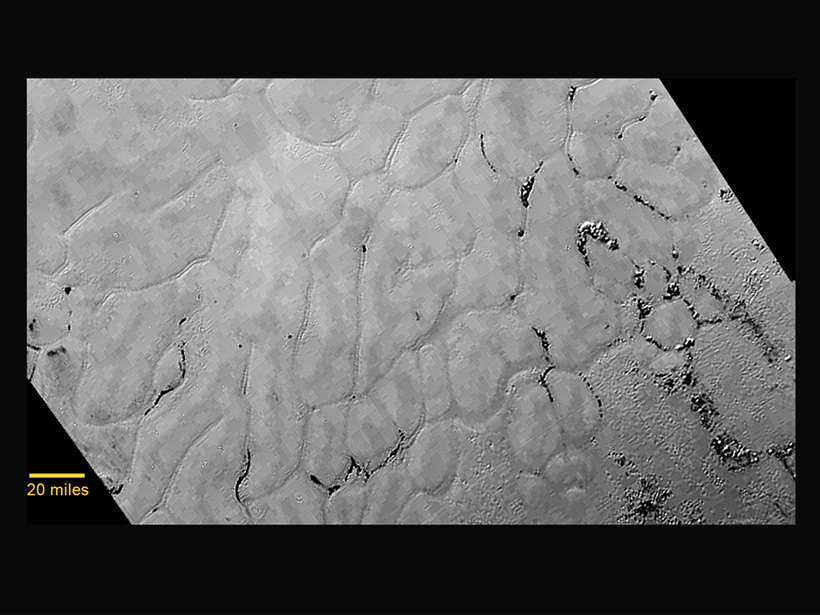
New Pluto Image Reveals Young Icy Plain
The mottled plain offers additional evidence that Pluto's surface is geologically young—and possibly still active.
Posted inNews
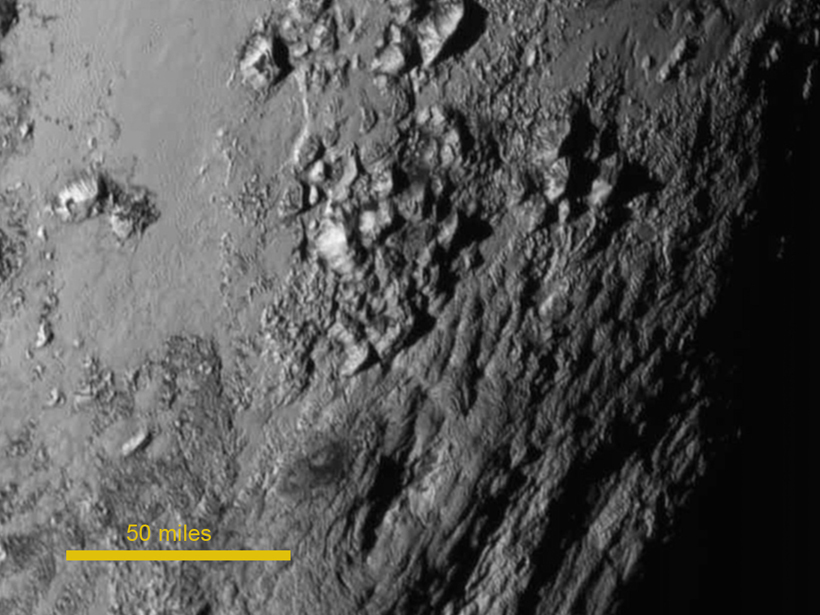
"Amazing" Activity Evident on Pluto's Surface
Scientists struggle to explain perplexing features revealed by the first close-up of the icy body's surface.
Posted inNews
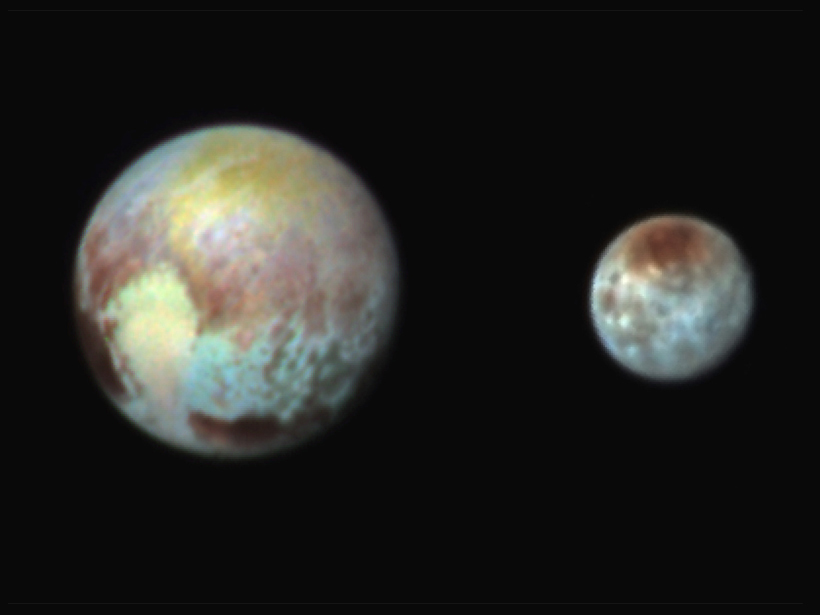
Long-Traveled Spacecraft Buzzes Pluto in Close Flyby
Successful flyby of Pluto completes the first era of planetary reconnaissance, NASA Administrator Charles Bolden says.
Posted inResearch Spotlights
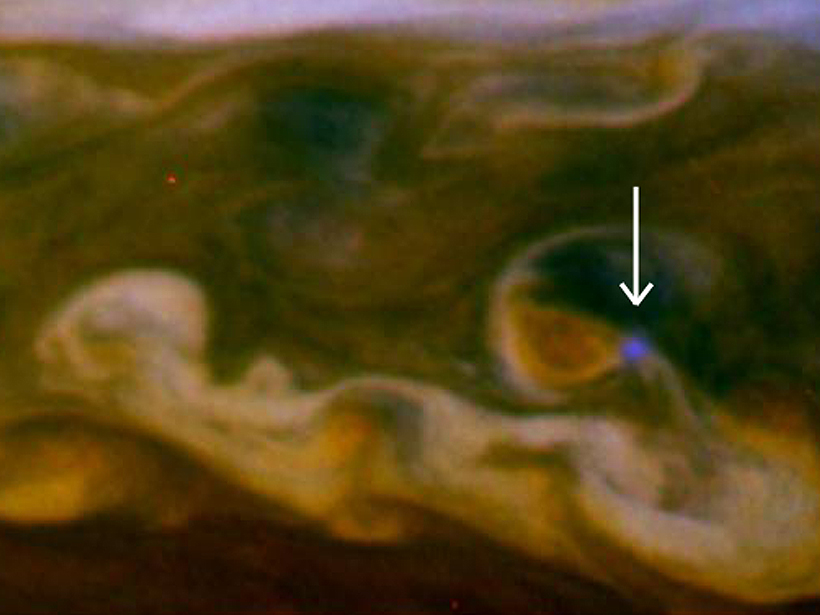
Gaseous Planets May Have Huge Luminous Rings Caused by Lightning
What business do elves have in the upper atmospheres of gas giants? Plenty, it seems. The enormous ring-shaped phenomena triggered by lightning may occur on Jupiter, Saturn, and exoplanets.

Posted inResearch Spotlights
How Did the Moon Get Its Shape?
Scientists find a solution to a 200-year-old problem: syncing the prominent bulges on the Moon with our natural satellite's origins.
Posted inNews
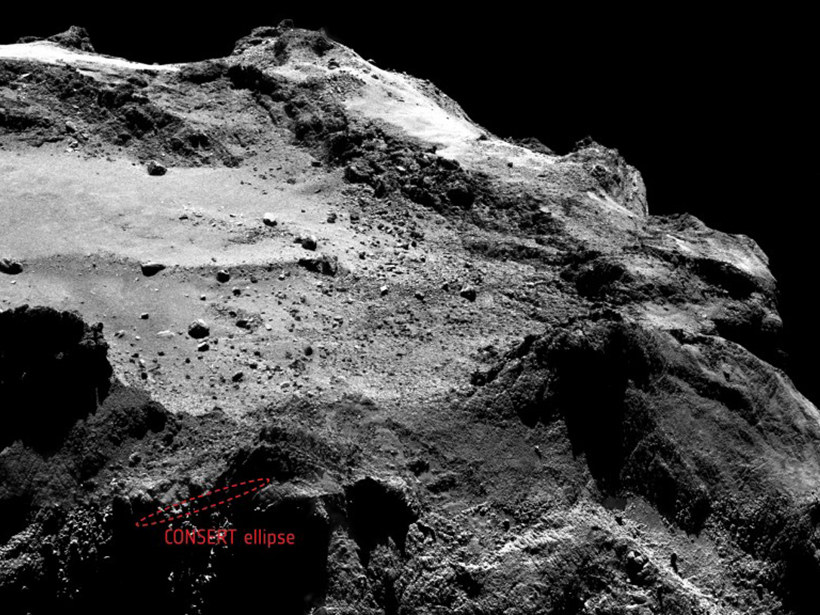
Philae Scientists Make Plans for Revived Mission
With their robotic explorer awake again, Philae's handlers get ready to give Comet 67P-Churyumov-Gerasimenko renewed scrutiny and to get a better bead on where the lander clings to the spinning orb of rock and ice.