
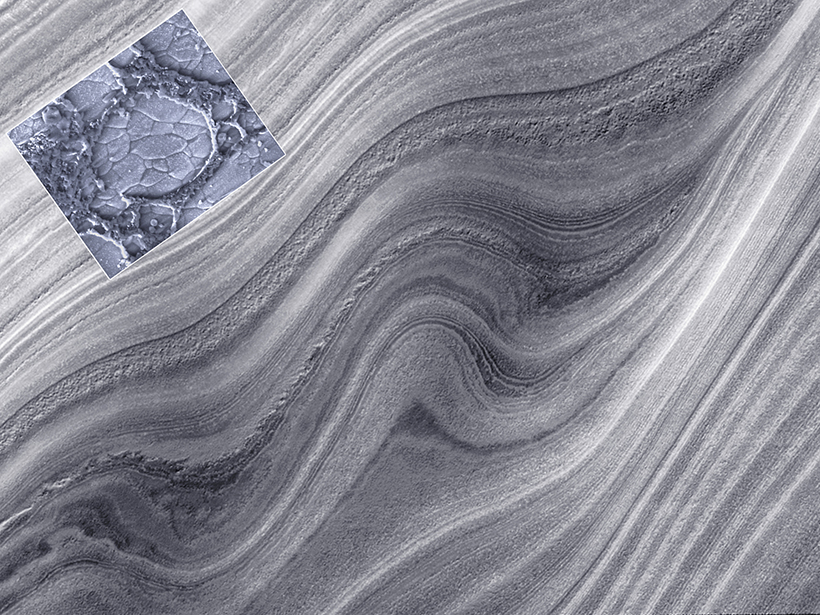

Laboratory experiments that indicate rock particles can impede sliding along grain boundaries in ice may help researchers more accurately determine the composition of planetary ice masses.
Space & Planets

Posted inNews
Space Force Proposal Hits Counterforce in Senate Hearing

Senators agree that the United States needs to be better prepared to defend itself in the space domain, but they are skeptical about a proposed dedicated space force.
Posted inNews
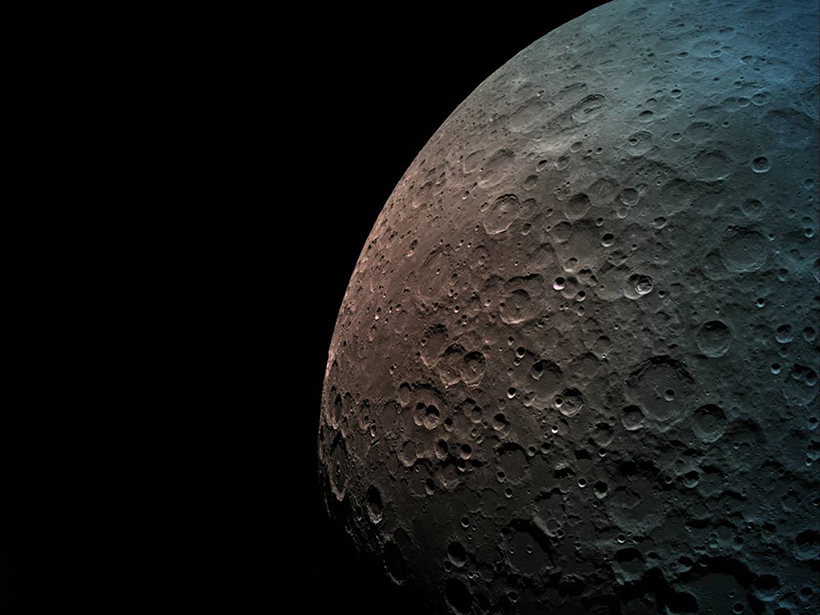
Israeli Spacecraft Will Land on Moon Today

Beresheet will be the first privately developed craft to attempt a soft landing on the Moon. The landing will be broadcast live.

Posted inResearch Spotlights
How Mars Lost Steam
Solar winds are not the main culprit in stripping the planet’s atmosphere, a new study suggests.

Posted inResearch Spotlights
The Thermosphere Responds to a Weaker Than Normal Solar Cycle

Infrared emissions from nitric oxide and carbon dioxide in Earth’s upper atmosphere, which are closely tied to incoming solar radiation, are drastically lower than in the previous solar cycle.
Posted inResearch Spotlights
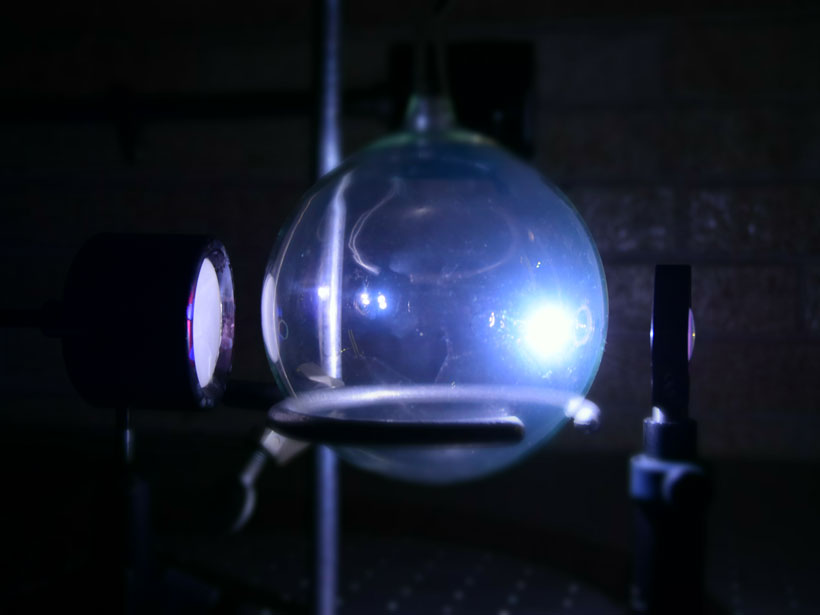
Rover and Lasers Unlock Clues to Early Martian Atmosphere
Sediments from the Curiosity rover and experiments using tanks of gas and laser beams helped reveal how water continued to flow on Mars after the planet lost its atmospheric carbon dioxide.
Posted inResearch Spotlights
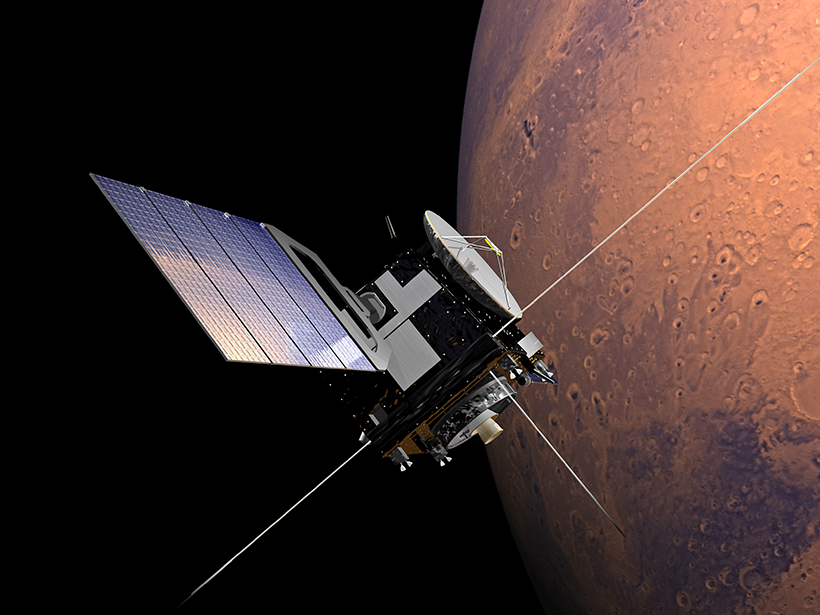
The Accidental Particle Accelerator Orbiting Mars
The radar aboard the Mars Express spacecraft can generate ion beams arcing through space above the planet, which could lead to a new way of studying the plasma surrounding it.
Posted inOpinions
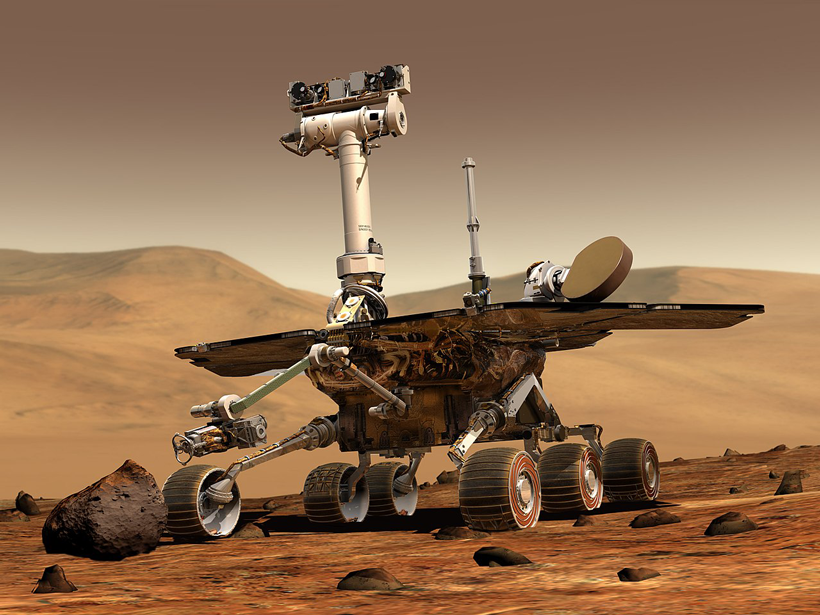
Rest in Peace, Spirit and Opportunity
A scientist on the rover team offers a remembrance of two intrepid explorers.
Posted inNews
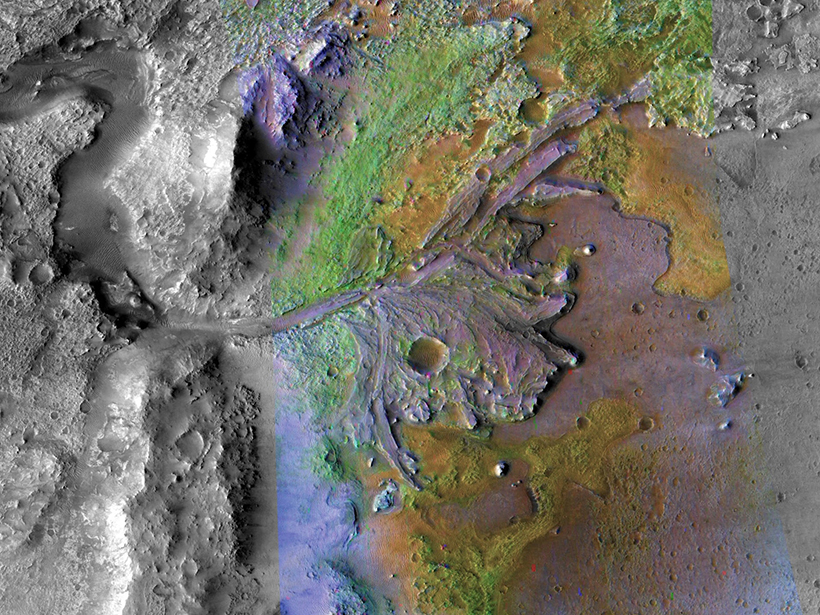
What Ancient Rivers on Mars Reveal About Its “Great Drying”

Dried-up rivers on Mars suggest that the planet was wet in the not-too-distant past.

Posted inNews
Asteroid Visited by Mission Spews Rocks into Space
Mission scientists observed 11 separate particle ejection events in a 1-month period. They are still trying to figure out what could be causing the particle plumes.