• About
  • Special Reports
  • Topics
    • Climate
    • Earth Science
    • Oceans
    • Space & Planets
    • Health & Ecosystems
    • Culture & Policy
    • Education & Careers
    • Opinions
  • Projects
    • Postcards From the Field
    • ENGAGE
    • Editors’ Highlights
    • Editors’ Vox
    • Eos en Español
    • Eos 简体中文版
    • Print Archive: 2015–2025
  • Policy Tracker
  • Blogs
    • Research & Developments
    • The Landslide Blog
  • Newsletter
  • Submit to Eos
  • AGU.org
  • Career Center
  • Join AGU
  • Give to AGU
  • About
  • Special Reports
  • Topics
    • Climate
    • Earth Science
    • Oceans
    • Space & Planets
    • Health & Ecosystems
    • Culture & Policy
    • Education & Careers
    • Opinions
  • Projects
    • Postcards From the Field
    • ENGAGE
    • Editors’ Highlights
    • Editors’ Vox
    • Eos en Español
    • Eos 简体中文版
    • Print Archive: 2015–2025
  • Policy Tracker
  • Blogs
    • Research & Developments
    • The Landslide Blog
  • Newsletter
  • Submit to Eos
Skip to content
  • AGU.org
  • Career Center
  • Join AGU
  • Give to AGU
Eos

Eos

Science News by AGU

Support Eos
Sign Up for Newsletter
  • About
  • Special Reports
  • Topics
    • Climate
    • Earth Science
    • Oceans
    • Space & Planets
    • Health & Ecosystems
    • Culture & Policy
    • Education & Careers
    • Opinions
  • Projects
    • Postcards From the Field
    • ENGAGE
    • Editors’ Highlights
    • Editors’ Vox
    • Eos en Español
    • Eos 简体中文版
    • Print Archive: 2015–2025
  • Policy Tracker
  • Blogs
    • Research & Developments
    • The Landslide Blog
  • Newsletter
  • Submit to Eos

Space & Planets

The eastern margin of Mare Serenitatis imaged by Apollo 17 in 1972
Posted inNews

First Privately Developed Lander En Route to the Moon

Kimberly M. S. Cartier, News Writing and Production Intern for Eos.org by Kimberly M. S. Cartier 28 February 201917 January 2023

The lander, built by an Israeli company, will survive on the surface for just a few days. It will capture magnetic field data and conduct an experiment with a lunar orbiter.

Posted inEditors' Highlights

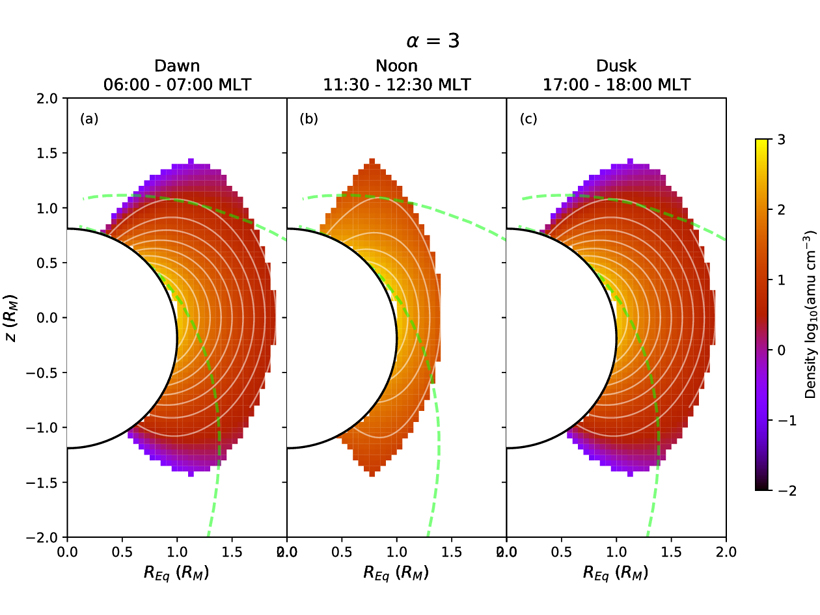
Plasma Density Distribution in Mercury’s Magnetosphere

by Y. Wang 27 February 20197 March 2022

A new measurement of plasma density distribution in Mercury’s magnetosphere obtained from observations of field line resonance events provides necessary constraint for many planetary science issues.
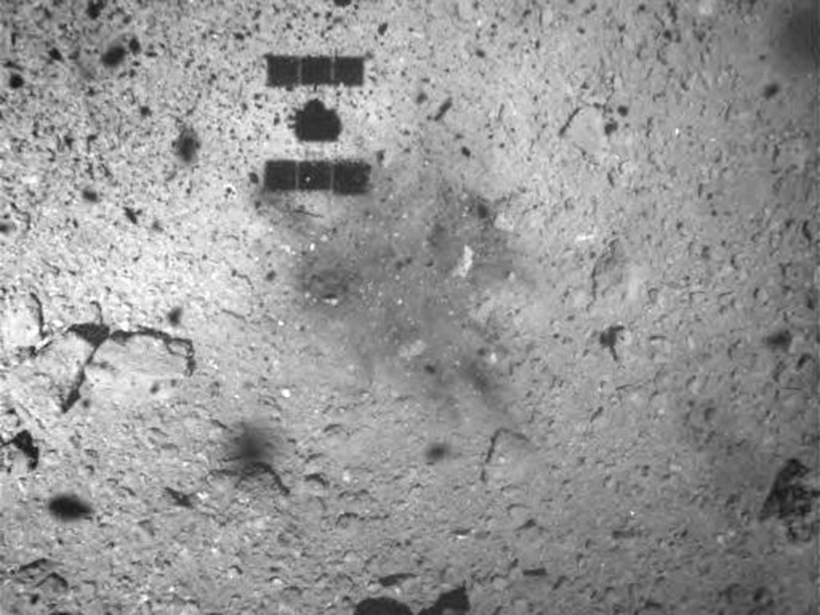
Hayabusa2 Ryugu JAXA asteroid touchdown
Posted inNews

A Target Before Shooting Ryugu

Nola Taylor Redd, Science Writer by Nola Taylor Tillman 26 February 201915 February 2022

The asteroid’s rough surface surprised Hayabusa2’s mission scientists. So they pulled out their spare gun and shot an “asteroid” at home first.
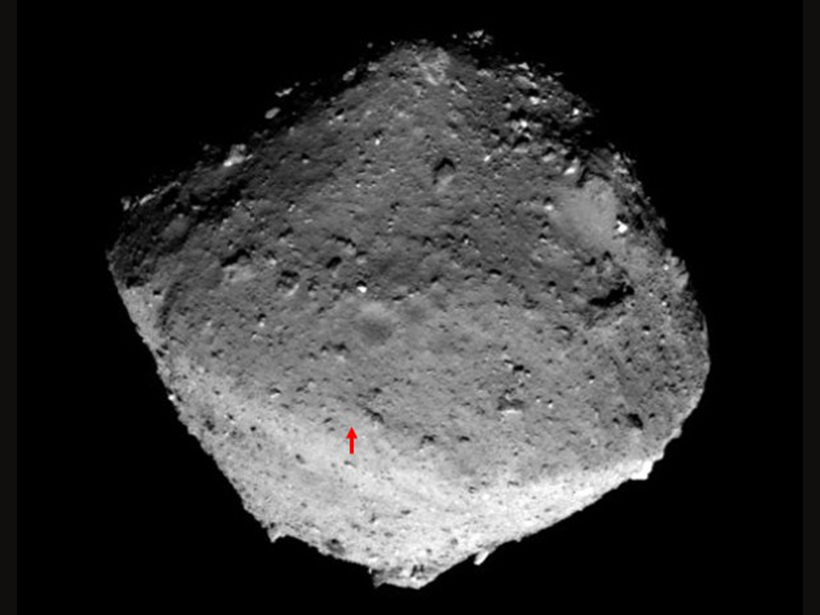
The northern hemisphere of Ryugu imaged by Hayabusa2
Posted inNews

Asteroid Mission Attempts Touchdown, Sample Grab

Kimberly M. S. Cartier, News Writing and Production Intern for Eos.org by Kimberly M. S. Cartier 21 February 201915 February 2022

Hayabusa2 will fire a metal bullet into the asteroid surface to eject material that will then be collected. The mission will return the samples to Earth in late 2020.
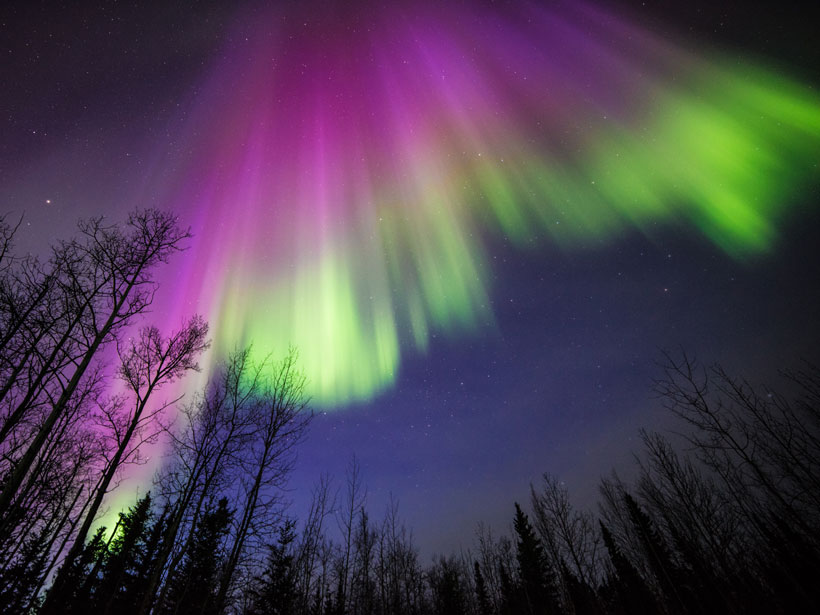
An aurora over Alaska, one of the vibrations of the universe
Posted inNews

Deaf Students Feel the Universe’s Vibrations in New Workshop

Kimberly M. S. Cartier, News Writing and Production Intern for Eos.org by Kimberly M. S. Cartier 20 February 201910 January 2023

Students experienced the vibrations of Earth’s auroras, the Sun’s flares, Jupiter’s bow shock, and Saturn’s rings in an outreach activity designed specifically for their community.

Neptune imaged by Voyager 2 in 1989
Posted inNews

New Tiny Moon of Neptune Discovered

Kimberly M. S. Cartier, News Writing and Production Intern for Eos.org by Kimberly M. S. Cartier 20 February 20194 April 2023

The moon’s size and orbit point to it being the remnant of a collision with Neptune’s moon Proteus.

A view of the asteroid Eros
Posted inResearch Spotlights

How Long Can Celestial Bodies Retain Ice?

by Terri Cook 20 February 201914 January 2022

A new model suggests that many objects in the outer asteroid belt may still harbor deposits that formed around the time of their accretion.
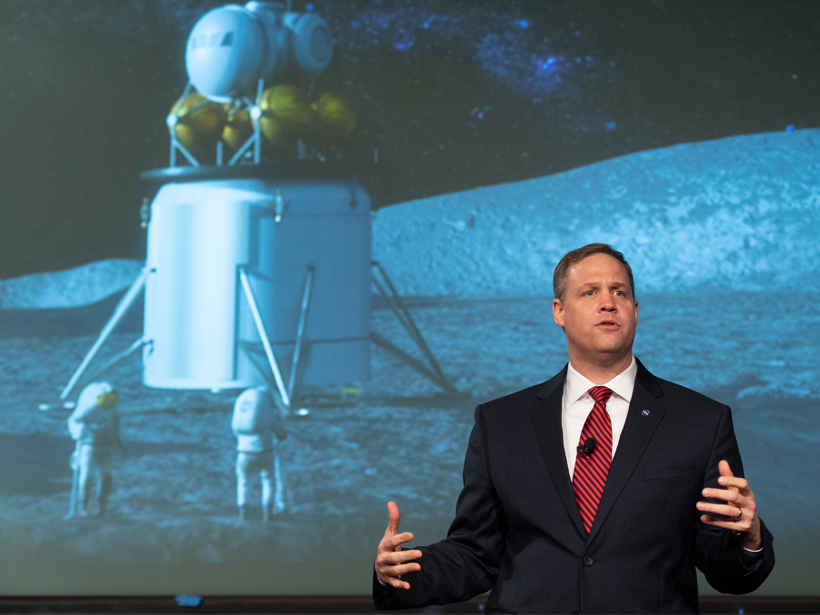
NASA administrator Jim Bridenstine lunar exploration
Posted inNews

NASA Wants to Get Back to the Moon, and Fast

by Randy Showstack 15 February 201920 December 2023

The space agency has plans for a sustainable return to the Moon.
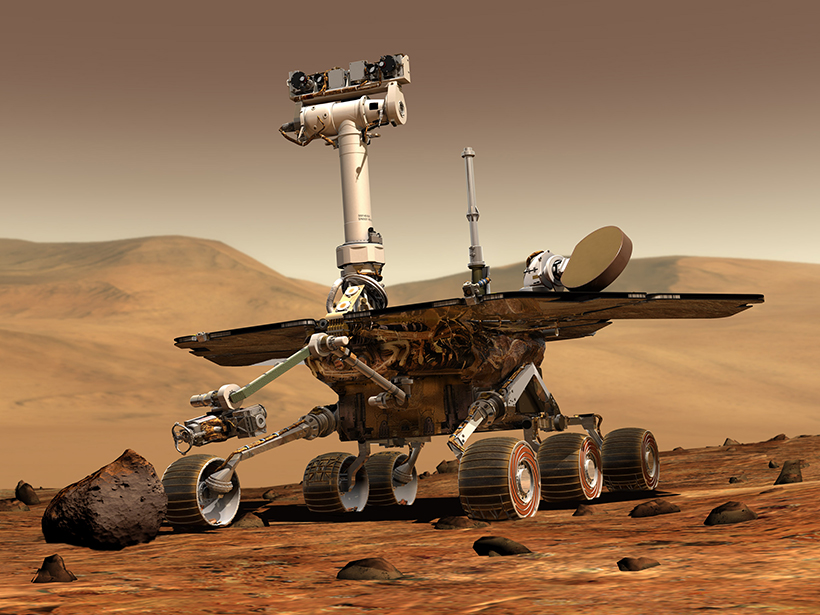
The Opportunity rover on Mars
Posted inNews

Opportunity Rover Mission Complete

Kimberly M. S. Cartier, News Writing and Production Intern for Eos.org by Kimberly M. S. Cartier 13 February 201917 January 2023

The rover explored Mars’s surface for nearly 15 years and discovered ample evidence of the planet’s wet history.

A picture of Phobos, the larger of Mars’s two moons
Posted inResearch Spotlights

New Hints About How Martian Moons Formed

by E. Underwood 11 February 201928 July 2022

A new study finds that Phobos includes chunks of Martian crust.

Posts pagination

Newer posts 1 … 81 82 83 84 85 … 126 Older posts
Over a dark blue-green square appear the words Special Report: The State of the Science 1 Year On.

Features from AGU Publications

Research Spotlights

The Speedy Particles That Could Help Us Learn More About Uranus

18 June 202618 June 2026
Editors' Highlights

Where Methane is Emitted Matters for Global Burden

18 June 202616 June 2026
Editors' Vox

Small-Scale Indian Ocean Dynamics Underpin Marine Ecology and Climate

4 June 20263 June 2026
Eos logo at left; AGU logo at right

About Eos
ENGAGE
Awards
Contact

Advertise
Submit
Career Center
Sitemap

© 2026 American Geophysical Union. All rights reserved Powered by Newspack