

New study reveals how space weather causes rapid fluctuations in Earth’s surface geomagnetic field.
Space & Planets

Posted inFeatures
The Kepler Revolution

The Kepler Space Telescope will soon run out of fuel and end its mission. Here are nine fundamental discoveries about planets aided by Kepler in the 9 years since its launch.

Posted inResearch Spotlights
How Jupiter’s Icy Moons Got Their Bands and Grooves
Europa’s churning ice crust could reveal signs of ocean life, new study suggests.

Posted inNews
What Can NASA Do to Better Protect the Planets It Probes?
A new report found that decades-old policies, unclear strategies, and regulatory gaps may create future problems for the agency. Here are four ways to head off these problems.

Posted inEditors' Highlights
Innovative Way to Detect Space Weather Impact on Power Grids
Very low frequency radio, a well-proven tool for solar-terrestrial studies, proves to be adept at detecting the stresses that space weather imposes on the transformers at the heart of power grids.
Posted inAGU News
AGU and AAS Join Forces to Foster Understanding of Exoplanets
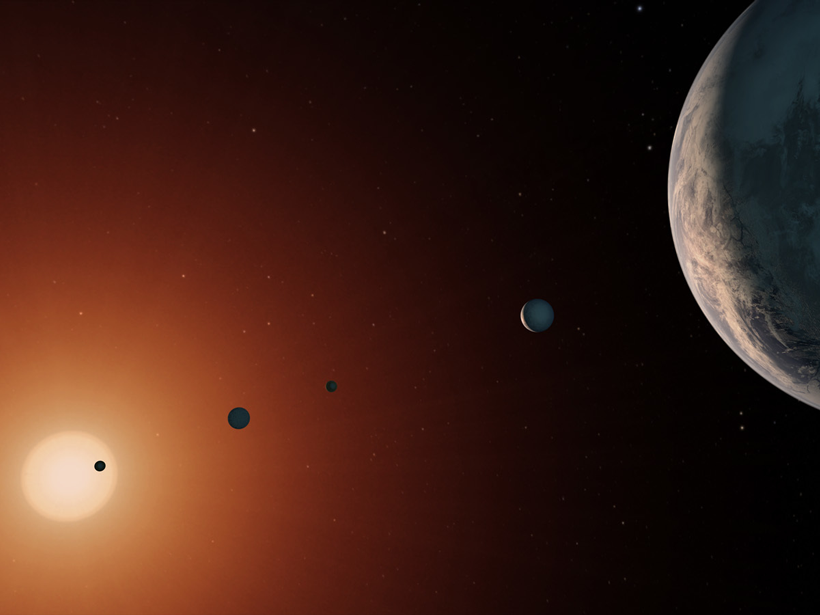
Enhanced cooperation between organizations representing astronomers and Earth and space scientists will build upon interdisplinary work already bridging geophysics and astronomy.
Posted inResearch Spotlights
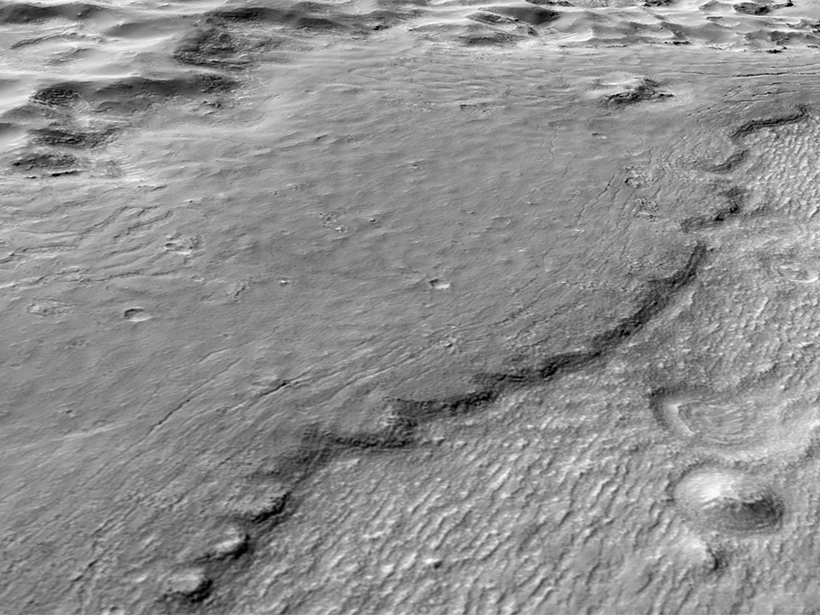
Tracing the Steps of Hydrothermal Activity in Hrad Vallis, Mars
Conditions that formed Amazonian age valleys may have been hospitable to microbial life.
Posted inNews
Ursula B. Marvin (1921–2018)
This bold mineralogist and feminist bucked norms that deemed geology unsuited for women. She contributed to meteoritics, science history, and petrology, including the analysis of Apollo Moon rocks.

Posted inScience Updates
Space Weather in the Machine Learning Era
Space Weather: A Multi-disciplinary Approach; Leiden, Netherlands, 25–29 September 2017

Posted inNews
Are We Prepared for an Asteroid Headed Straight to Earth?
A century after an asteroid crashed into Tunguska, Siberia, experts discuss the current lineup of missions to study asteroids and mitigate future disasters should another object from space hit Earth.