
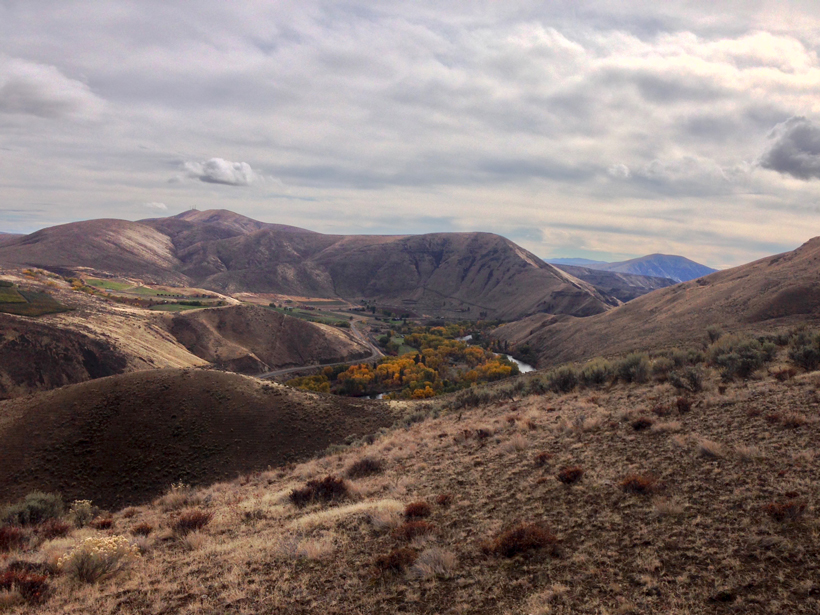

Fault geometry and slip rate analyses show deformation in the Yakima Fold Province accelerated in the Pleistocene and has remained elevated, offering new insights into earthquake recurrence intervals.
subduction

Posted inResearch Spotlights
The Curious Case of the Ultradeep 2015 Ogasawara Earthquake
Unusual ground motion associated with the deepest major earthquake in the seismological record is due to both its great depth and its origin away from the subducting slab.
Posted inResearch Spotlights
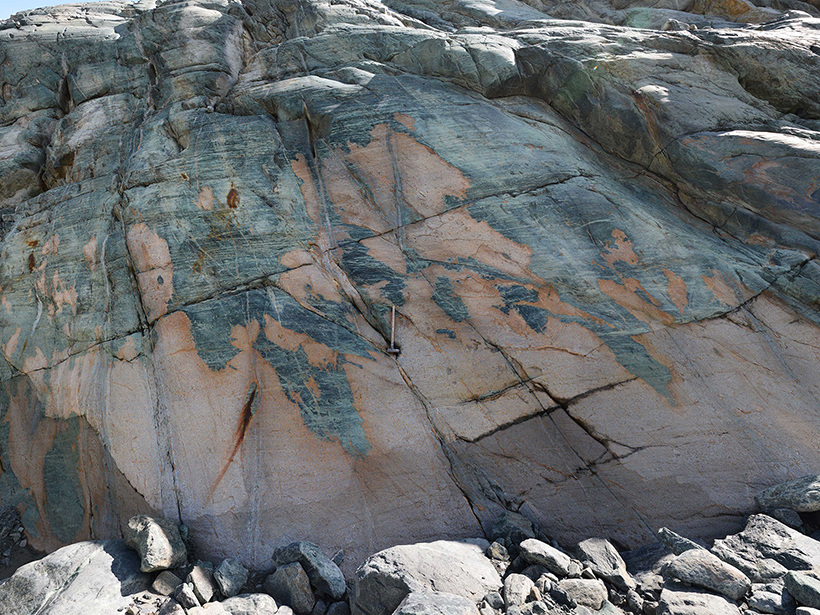
Scientists Simulate New Mechanism of Fluid Flow in Earth’s Crust

Three-dimensional high-performance computer modeling reveals the behavior of fluid transport waves generated by chemical reactions that take place during metamorphism.

Posted inResearch Spotlights
Revising an Innovative Way to Study Cascadia Megaquakes
Researchers probe natural environments near subduction zones to decrypt underlying mechanisms of major earthquakes.

Posted inResearch Spotlights
Unraveling the History of the India-Asia Collision
A study of deformed and metamorphosed rocks exposed in Tibet’s Lopu Range suggests that episodes of crustal shortening and extension during the evolution of the Himalaya are related to subduction processes.

Posted inResearch Spotlights
Why Do Great Earthquakes Follow Each Other at Subduction Zones?
A decade of continuous GPS measurements in South America indicates that enhanced strain accumulation following a great earthquake can initiate failure along adjacent fault segments.
Posted inResearch Spotlights
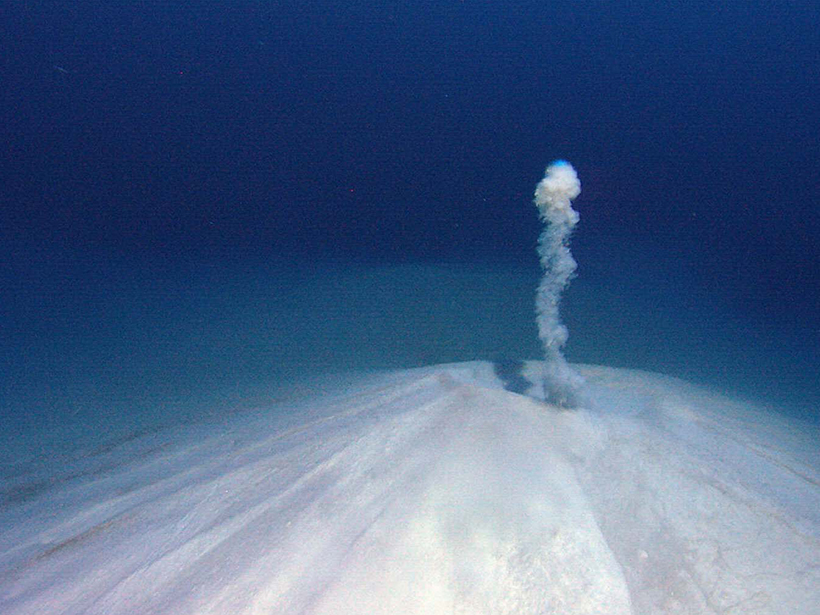
Fingerprinting the Source of Fore-Arc Fluids
A new model tracks boron and other tracers in fluids expelled from subducting slabs to help identify the fluids' source regions and migration routes.

Posted inResearch Spotlights
Probing the Source Properties of Deep Earthquakes
A global review of earthquake rupture parameters reveals that deep earthquakes have larger fracture energies and may have different rupture mechanisms than shallower seismic events.

Posted inResearch Spotlights
Understanding Tectonic Processes Following Great Earthquakes
Scientists parse out the processes underlying tectonic signals detected by GPS networks.

Posted inResearch Spotlights
Hong Kong, Macau at Greater Tsunami Risk Than We Thought
Researchers assess tsunami risk in the South China Sea based on models of seismic slip along the Manila megathrust.