• About
  • Special Reports
  • Topics
    • Climate
    • Earth Science
    • Oceans
    • Space & Planets
    • Health & Ecosystems
    • Culture & Policy
    • Education & Careers
    • Opinions
  • Projects
    • Postcards From the Field
    • ENGAGE
    • Editors’ Highlights
    • Editors’ Vox
    • Eos en Español
    • Eos 简体中文版
    • Print Archive: 2015–2025
  • Policy Tracker
  • Blogs
    • Research & Developments
    • The Landslide Blog
  • Newsletter
  • Submit to Eos
  • AGU.org
  • Career Center
  • Join AGU
  • Give to AGU
  • About
  • Special Reports
  • Topics
    • Climate
    • Earth Science
    • Oceans
    • Space & Planets
    • Health & Ecosystems
    • Culture & Policy
    • Education & Careers
    • Opinions
  • Projects
    • Postcards From the Field
    • ENGAGE
    • Editors’ Highlights
    • Editors’ Vox
    • Eos en Español
    • Eos 简体中文版
    • Print Archive: 2015–2025
  • Policy Tracker
  • Blogs
    • Research & Developments
    • The Landslide Blog
  • Newsletter
  • Submit to Eos
Skip to content
  • AGU.org
  • Career Center
  • Join AGU
  • Give to AGU
Eos

Eos

Science News by AGU

Support Eos
Sign Up for Newsletter
  • About
  • Special Reports
  • Topics
    • Climate
    • Earth Science
    • Oceans
    • Space & Planets
    • Health & Ecosystems
    • Culture & Policy
    • Education & Careers
    • Opinions
  • Projects
    • Postcards From the Field
    • ENGAGE
    • Editors’ Highlights
    • Editors’ Vox
    • Eos en Español
    • Eos 简体中文版
    • Print Archive: 2015–2025
  • Policy Tracker
  • Blogs
    • Research & Developments
    • The Landslide Blog
  • Newsletter
  • Submit to Eos

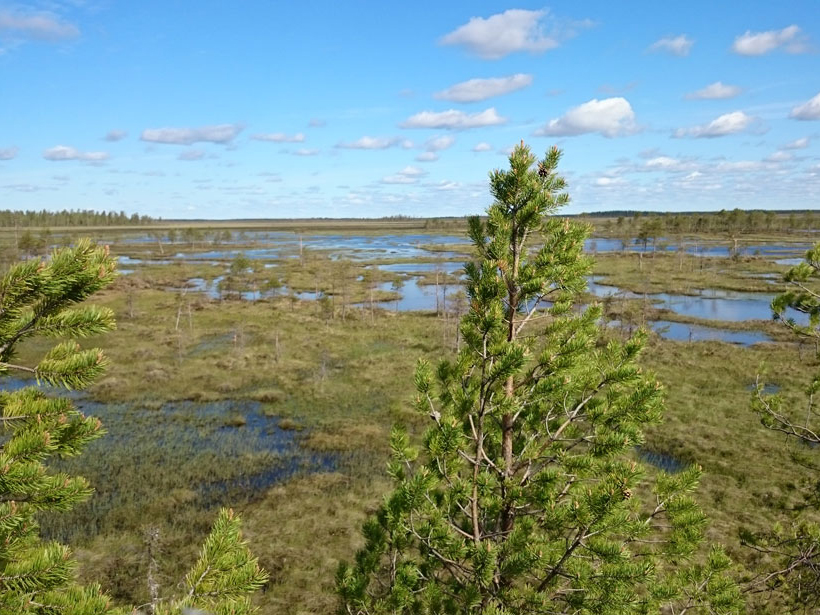
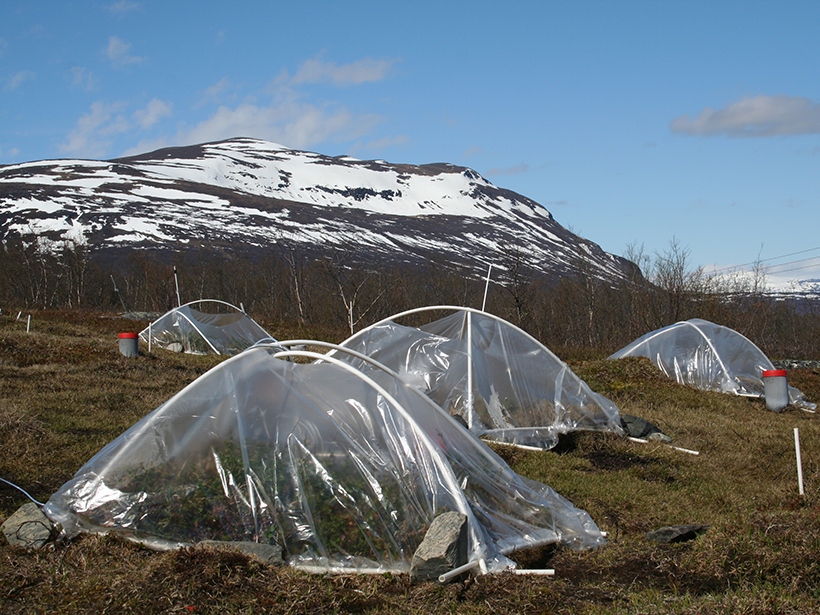
Sweden

: Researchers conduct experiments in Sweden’s wet heathland to see how the ecosystem might adapt to climate change
Posted inResearch Spotlights

The Upside to a “Bad” Ozone Precursor

by S. Witman 28 March 201818 October 2021

In Sweden’s wet heathland, scientists see how a sensitive ecosystem adapts to rising global temperatures.

New measurements help researchers assess methane emitted by wetlands
Posted inResearch Spotlights

What’s the Average Methane Isotope Signature in Arctic Wetlands?

by Terri Cook 4 May 20173 March 2023

Aircraft measurements confirm that methane emissions from northern European wetlands exhibit a uniform regional carbon isotopic signature, despite considerable ground-level heterogeneity.

Posted inResearch Spotlights

Modeling the Future of Dissolved Organic Carbon in Boreal Forests

Sarah Stanley, Science Writer by Sarah Stanley 9 February 201617 March 2023

Climate change and forest harvesting will increase the concentration and flow of dissolved organic carbon in boreal streams.

Posted inResearch Spotlights

High Methane Emissions Detected During Subarctic Lake Melt

by Terri Cook 29 January 20162 November 2021

A spike detected in surface methane released from a seasonally ice-covered lake in northern Sweden coincides with the spring thaw and lake overturn.
Posted inResearch Spotlights

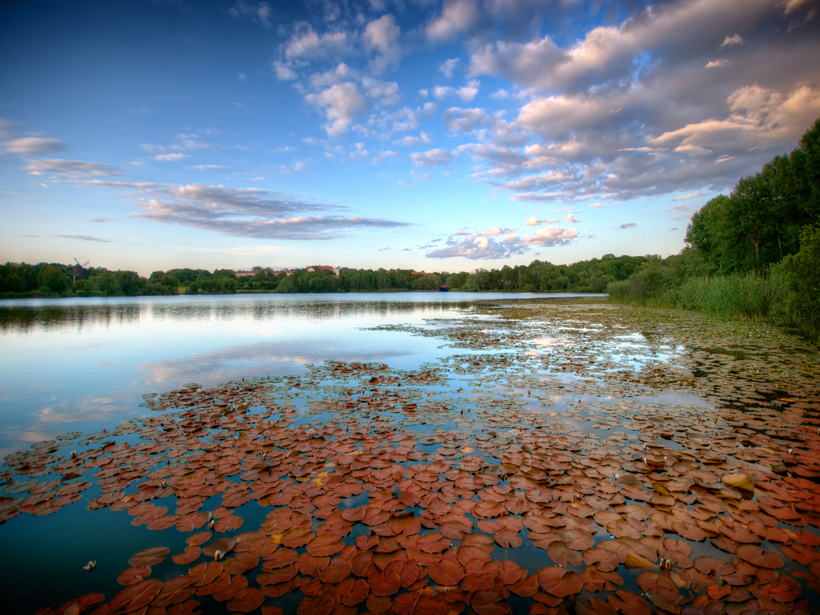
How Much Carbon Dioxide Does Sunlight Release from Lakes?

by S. Palus 8 April 201517 March 2023

A study of more than 1000 lakes in Sweden helps model sunlight's ability to drive greenhouse gas emissions.

Posted inNews

Methane-Producing Microbes Important for Studying Greenhouse Gas Emissions

JoAnna Wendel, freelance science writer and illustrator by JoAnna Wendel 4 November 20141 March 2023

Scientists have long thought that methane-producing microbes contribute to climate change but are slowly learning just how big a role these microbes play.

Posts pagination

Newer posts 1 2
Over a dark blue-green square appear the words Special Report: The State of the Science 1 Year On.

Features from AGU Publications

Research Spotlights

Bacteria Decide the Ocean’s Dissolved Organic Carbon Abundance

3 March 20263 March 2026
Editors' Highlights

Severe 2023 Drought: Sinking Carbon Sink in the Amazon

3 March 20263 March 2026
Editors' Vox

A Double-Edged Sword: The Global Oxychlorine Cycle on Mars

10 February 202610 February 2026
Eos logo at left; AGU logo at right

About Eos
ENGAGE
Awards
Contact

Advertise
Submit
Career Center
Sitemap

© 2026 American Geophysical Union. All rights reserved Powered by Newspack