• About
  • Sections
  • Topics
    • Climate
    • Earth Science
    • Oceans
    • Space & Planets
    • Health & Ecosystems
    • Culture & Policy
    • Education & Careers
    • Opinions
  • Projects
    • Postcards From the Field
    • ENGAGE
    • Editors’ Highlights
    • Editors’ Vox
    • Eos en Español
    • Eos 简体中文版
    • Print Archive: 2015–2025
  • Science Policy Tracker
  • Blogs
    • Research & Developments
    • The Landslide Blog
  • Newsletter
  • Submit to Eos
  • AGU.org
  • Career Center
  • Join AGU
  • Give to AGU
  • About
  • Sections
  • Topics
    • Climate
    • Earth Science
    • Oceans
    • Space & Planets
    • Health & Ecosystems
    • Culture & Policy
    • Education & Careers
    • Opinions
  • Projects
    • Postcards From the Field
    • ENGAGE
    • Editors’ Highlights
    • Editors’ Vox
    • Eos en Español
    • Eos 简体中文版
    • Print Archive: 2015–2025
  • Science Policy Tracker
  • Blogs
    • Research & Developments
    • The Landslide Blog
  • Newsletter
  • Submit to Eos
Skip to content
  • AGU.org
  • Career Center
  • Join AGU
  • Give to AGU
Eos

Eos

Science News by AGU

Support Eos
Sign Up for Newsletter
  • About
  • Sections
  • Topics
    • Climate
    • Earth Science
    • Oceans
    • Space & Planets
    • Health & Ecosystems
    • Culture & Policy
    • Education & Careers
    • Opinions
  • Projects
    • Postcards From the Field
    • ENGAGE
    • Editors’ Highlights
    • Editors’ Vox
    • Eos en Español
    • Eos 简体中文版
    • Print Archive: 2015–2025
  • Science Policy Tracker
  • Blogs
    • Research & Developments
    • The Landslide Blog
  • Newsletter
  • Submit to Eos

tsunamis & storm surges

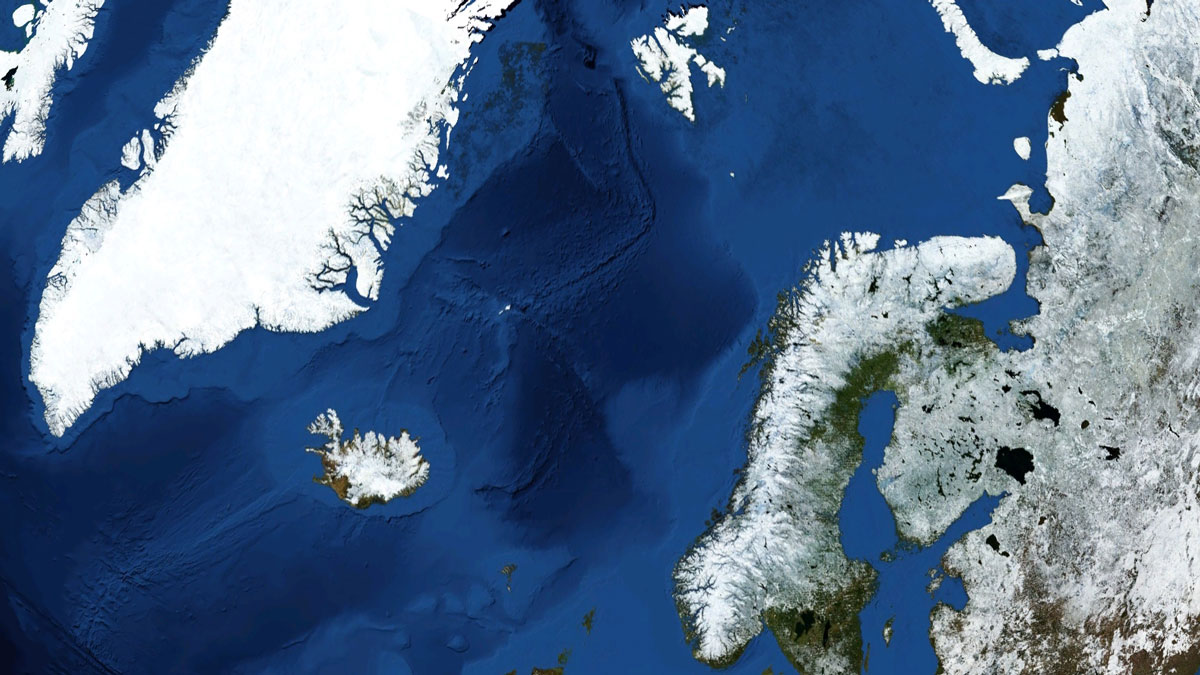
A view of blue water and snow- and vegetation-covered landmasses seen from far above Earth’s surface.
Posted inNews

New Eyes on One of the Planet’s Largest Submarine Landslides

Katherine Kornei, Science Writer by Katherine Kornei 22 December 202522 December 2025

Researchers have mapped the ancient Stad Slide off the coast of Norway to better understand what triggered it, and the hunt is on for the tsunami it might have unleashed.
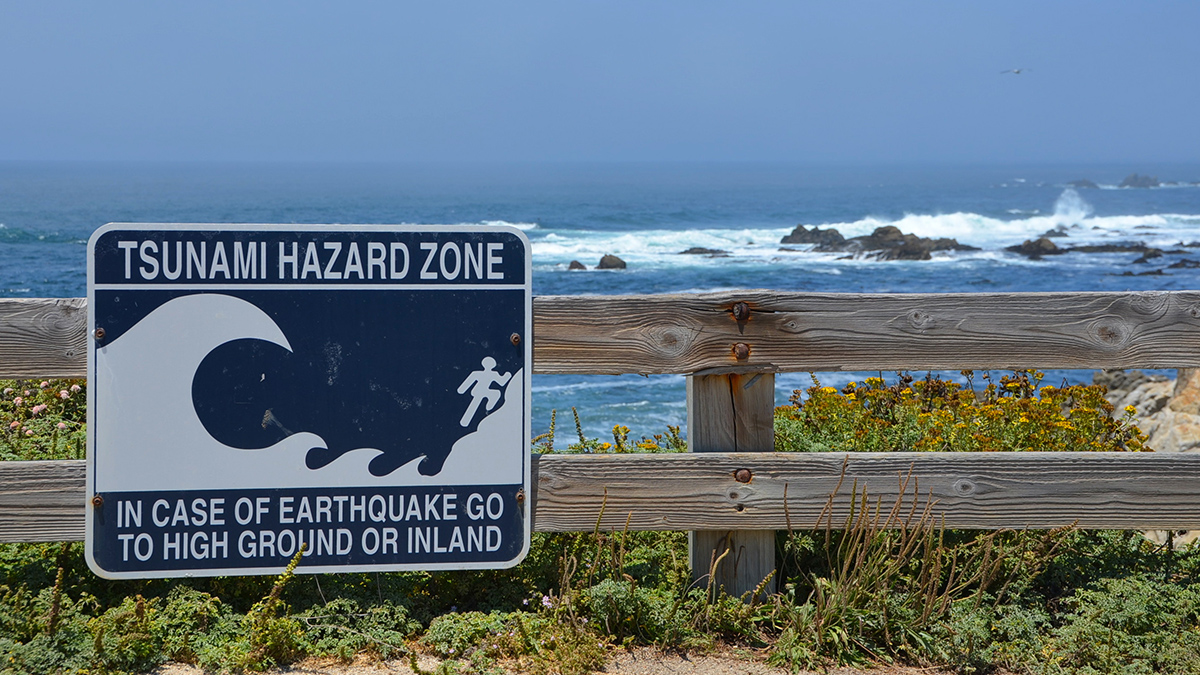
A blue and white sign depicting large waves approaching a shoreline as a stick figure person runs away is affixed to fencing near the shoreline. Waves crash against rocks in the background.
Posted inOpinions

When Should a Tsunami Not Be Called a Tsunami?

by Diana J. M. Greenslade and Matthew C. Wheeler 8 December 20258 December 2025

It’s time to redefine the term so it more clearly conveys meaningful risks to coastal communities and prompts them to act when needed.
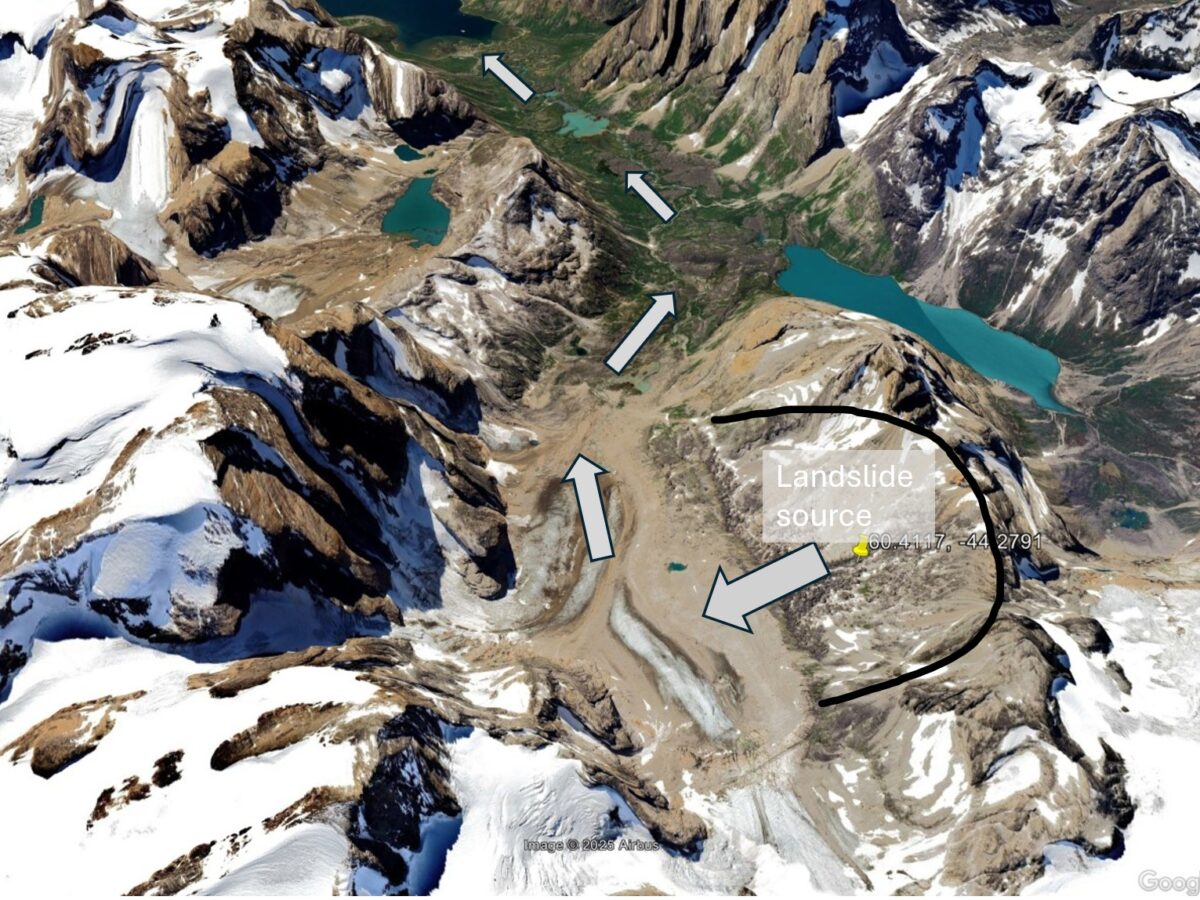
Annotated Google Earth image showing of the Tupaasat rock avalanche.
Posted inThe Landslide Blog

The giant Tupaasat rock avalanche in South Greenland

by Dave Petley 24 October 202524 October 2025

A new paper describes a rock avalanche in Greenland about 10,900 years BP that had a volume of over 1 billion cubic metres and that travelled almost 16 kilometres. A fascinating paper (Pedersen et al. 2026) has just been published in the journal Geomorphology that describes a newly-discovered ancient rock avalanche in Greenland. This landslide, […]

Hotel Termas de Rupanco., which was destroyed by the landslide-induced tsunami 1960.
Posted inThe Landslide Blog

The 22 May 1960 earthquake-induced landslides and tsunami at Lake Rupanco in Chile

by Dave Petley 13 October 202513 October 2025

Reconstruction of landslides on the banks of Lake Rupanco in Chile, triggered by the 22 May 1960 Mw-9.5 earthquake, suggests that a slope failure with a volume of 161 million cubic metres triggered a tsunami with a maximum amplitude of 33.3 metres. About 120 people were killed. A very interesting paper (Quiroga et al. 2025) […]
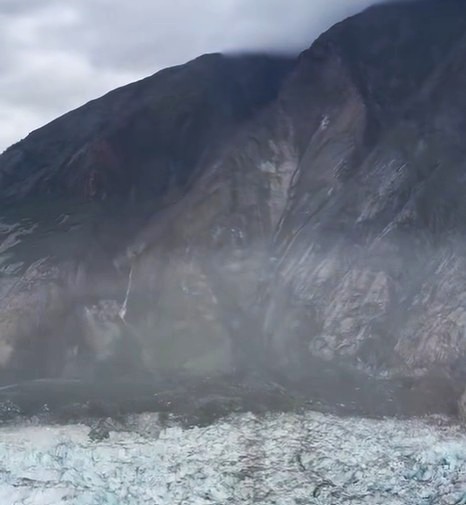
An initial view of the 10 August 2025 landslide onto the South Sawyer Glacier.
Posted inThe Landslide Blog

Updates from the Alaska Earthquake Center regarding the 10 August 2025 landslide

by Dave Petley 13 August 202513 August 2025

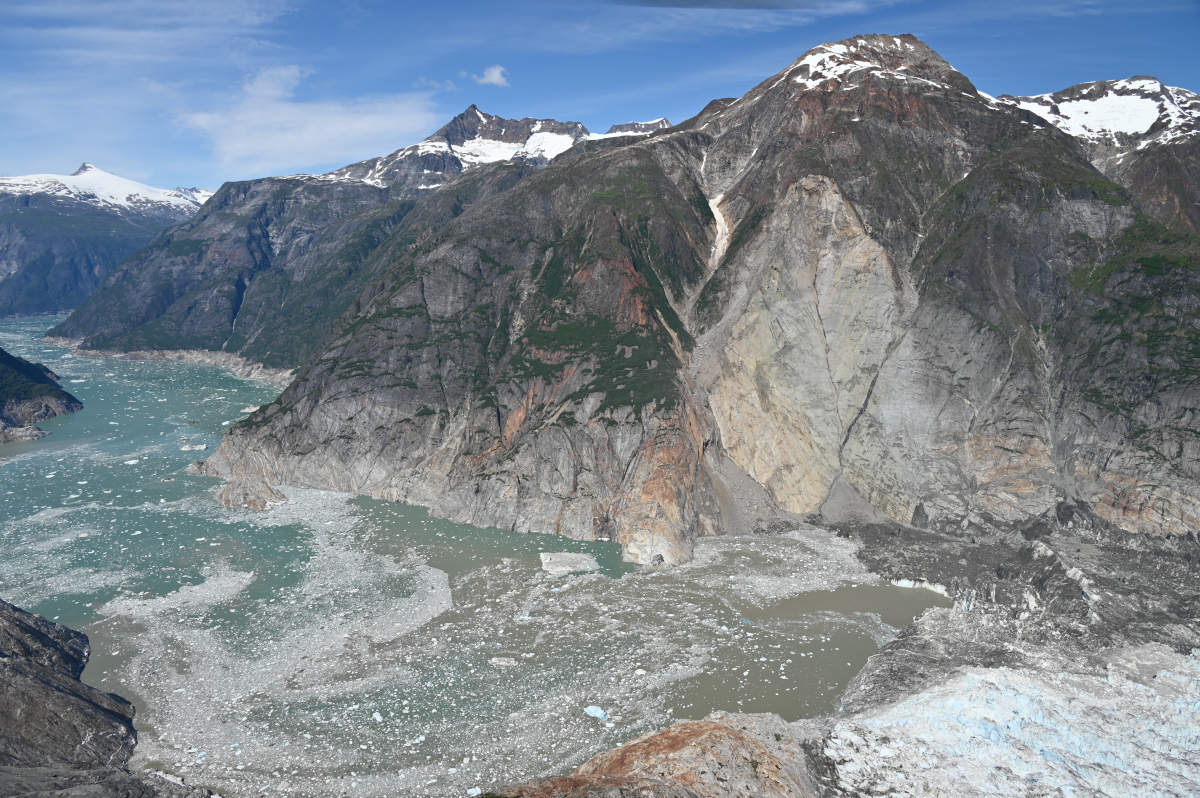
The location of this major event has now been identified. It was a major rock slope failure that ran out across the South Sawyer Glacier. The Alaska Earthquake Center has now provided a detailed update about the 10 August 2025 landslide that occurred in the area of Tracy Arm. This work has been led by […]
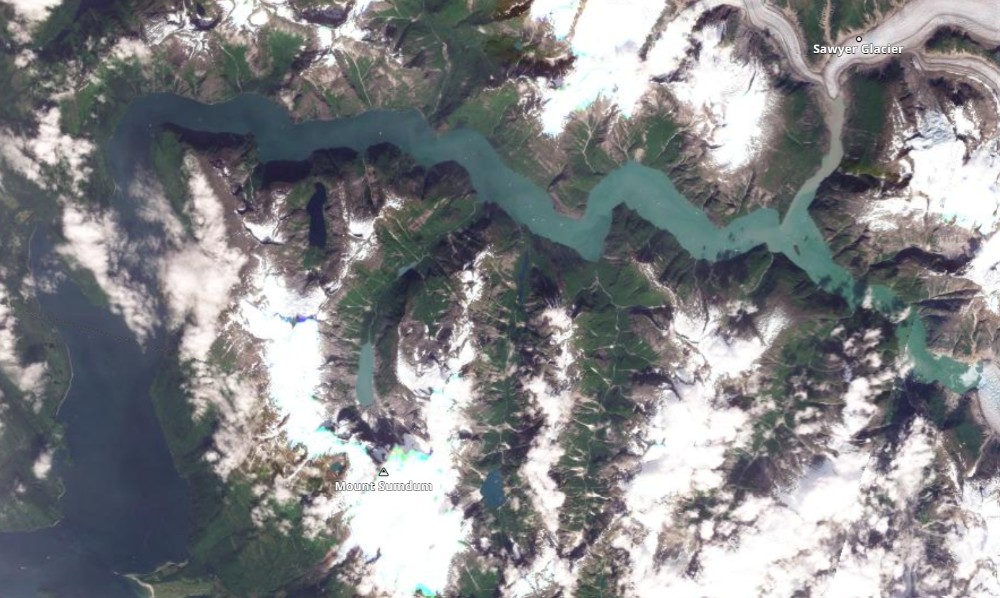
Satellite image of Tracy Arm inlet.
Posted inThe Landslide Blog

A likely large, tsunamigenic landslide in Tracy Arm inlet, Alaska on 10 August 2025

by Dave Petley 11 August 202511 August 2025

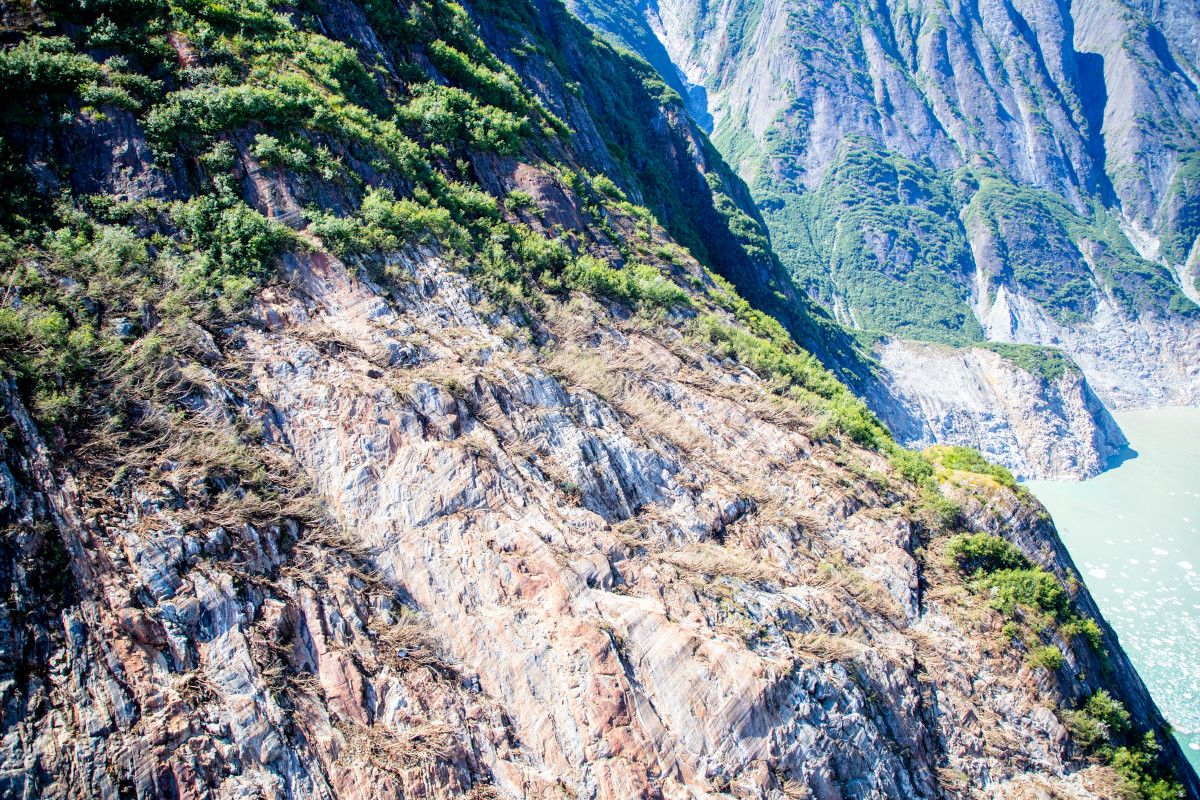
Seismic data and eye-witness reports of a displacement wave point to a large landslide at 5:30 am. On 10 August 2025, at 5:30 am local time, the Alaska Earthquake Center detected a seismic signal that was almost certainly generated by a landslide. They have posted the record of the seismic signal to Twitter. Their posting […]
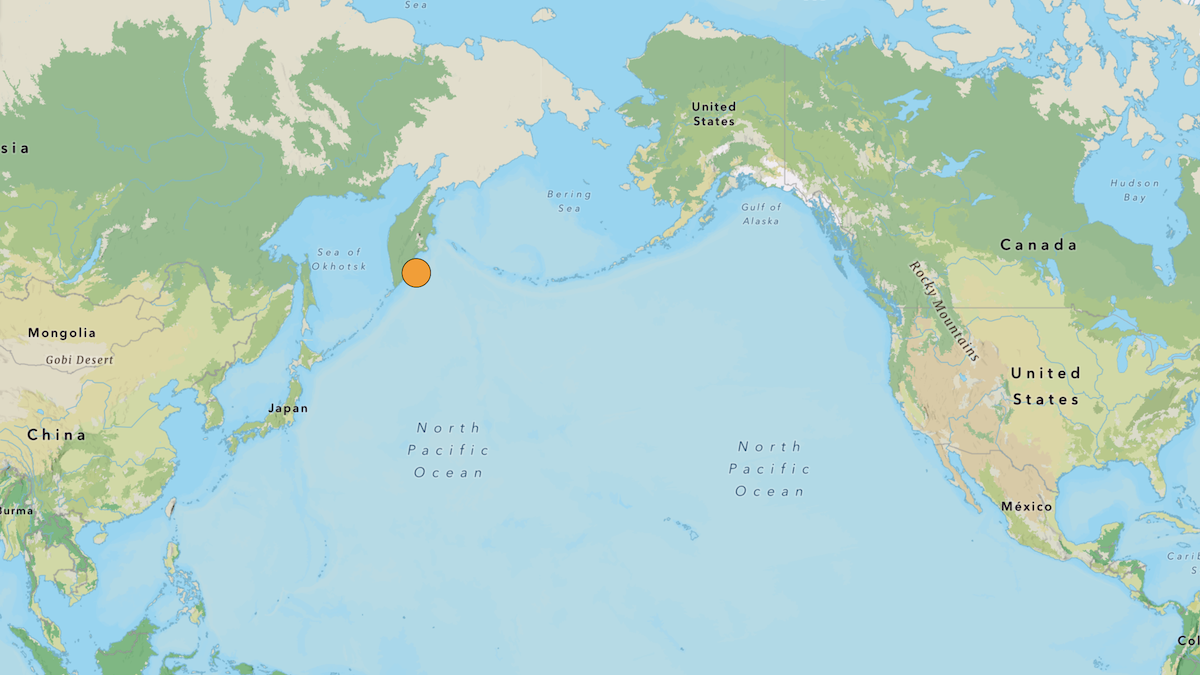
A map shows the levels of shaking intensity surrounding the epicenter of the 29 July earthquake near the Kamchatka Peninsula in Russia.
Posted inResearch & Developments

Magnitude-8.8 Earthquake Strikes Western Pacific

by Jennifer Schmidt 30 July 202530 July 2025

One of the strongest earthquakes ever recorded struck off the eastern coast of Russia’s Kamchatka Peninsula Wednesday morning local time. Initially pegged at a magnitude-8.0, the quake was eventually upgraded to a magnitude-8.8. Adjusted magnitude estimates are not unusual for large earthquakes as more data become available.
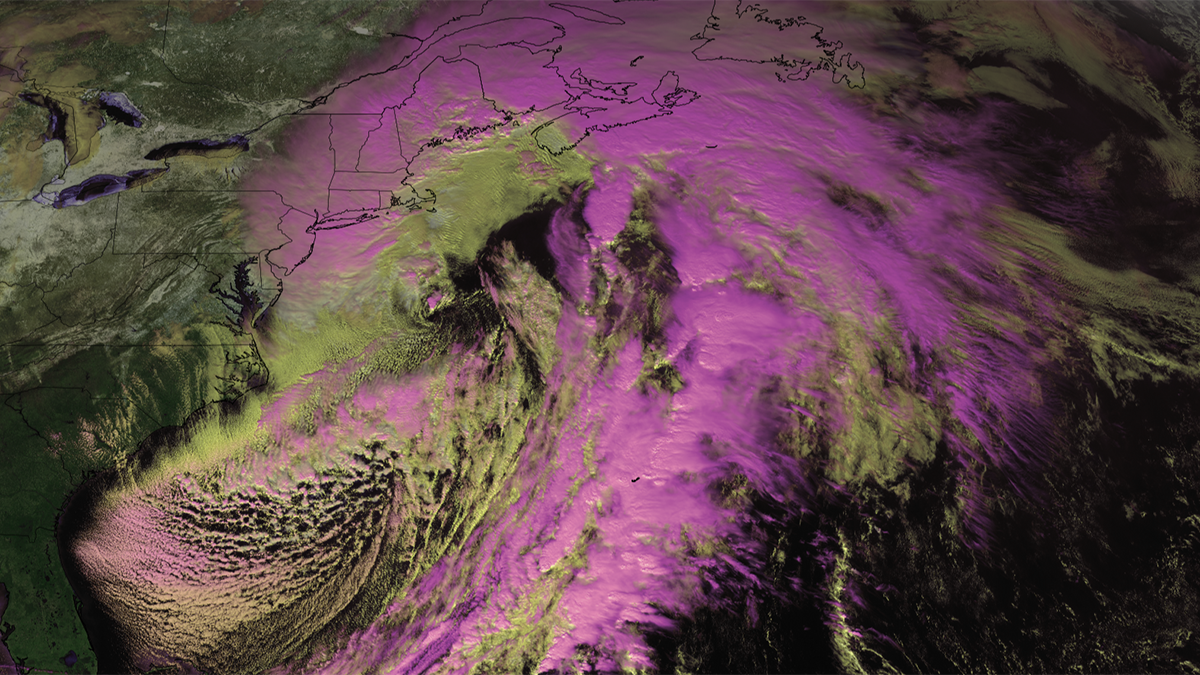
A satellite image shows the Atlantic Ocean and the eastern coast of the United States. The area is covered with clouds that have been colored yellow and pink to indicate their altitude.
Posted inNews

New Research Shows More Extreme Global Warming Impacts Looming for the Northeast

by Bob Berwyn 21 July 202521 July 2025

One new study identifies a 17% increase in the destructive potential of the strongest nor’easters, while another bolsters links between Arctic ice melt and dangerous blizzards.

A diver, wearing goggles and an oxygen tank, uses a wrench to repair an underwater cable.
Posted inResearch Spotlights

A Transatlantic Communications Cable Does Double Duty

by Saima May Sidik 16 July 202516 July 2025

A new device enables existing submarine cable networks to measure deep-sea movements. It could ultimately help improve tsunami warnings and climate monitoring.

Google Earth image of the source zone and possible initial track (my own interpretation) of the 22 November 1815 Gejer Bali disaster.
Posted inThe Landslide Blog

The 22 November 1815 Gejer Bali disaster

by Dave Petley 2 July 20252 July 2025

A new paper (Faral et al. 2025) provides details of a seismically-triggered landslide cascade and tsunami that killed up to 12,000 people. On 22 November 1815, a very significant landslide disaster occurred in Bali, in what is now Indonesia, killing between 10,000 and 12,000 people. A very interesting new paper (Faral et al. 2025) in […]

Posts pagination

1 2 3 … 11 Older posts
A view of a bridge, with the New Orleans skyline visible in the distance between the bridge and the water. A purple tint, a teal curved line representing a river, and the text “#AGU25 coverage from Eos” overlie the photo.

Features from AGU Publications

Research Spotlights

What Could Happen to the Ocean’s Carbon If AMOC Collapses

6 January 20266 January 2026
Editors' Highlights

Frictional Properties of the Nankai Accretionary Prism

11 December 20259 December 2025
Editors' Vox

Hydrothermal Circulation and Its Impact on the Earth System

3 December 20253 December 2025
Eos logo at left; AGU logo at right

About Eos
ENGAGE
Awards
Contact

Advertise
Submit
Career Center
Sitemap

© 2026 American Geophysical Union. All rights reserved Powered by Newspack