• About
  • Special Reports
  • Topics
    • Climate
    • Earth Science
    • Oceans
    • Space & Planets
    • Health & Ecosystems
    • Culture & Policy
    • Education & Careers
    • Opinions
  • Projects
    • Postcards From the Field
    • ENGAGE
    • Editors’ Highlights
    • Editors’ Vox
    • Eos en Español
    • Eos 简体中文版
    • Print Archive: 2015–2025
  • Policy Tracker
  • Blogs
    • Research & Developments
    • The Landslide Blog
  • Newsletter
  • Submit to Eos
  • AGU.org
  • Career Center
  • Join AGU
  • Give to AGU
  • About
  • Special Reports
  • Topics
    • Climate
    • Earth Science
    • Oceans
    • Space & Planets
    • Health & Ecosystems
    • Culture & Policy
    • Education & Careers
    • Opinions
  • Projects
    • Postcards From the Field
    • ENGAGE
    • Editors’ Highlights
    • Editors’ Vox
    • Eos en Español
    • Eos 简体中文版
    • Print Archive: 2015–2025
  • Policy Tracker
  • Blogs
    • Research & Developments
    • The Landslide Blog
  • Newsletter
  • Submit to Eos
Skip to content
  • AGU.org
  • Career Center
  • Join AGU
  • Give to AGU
Eos

Eos

Science News by AGU

Support Eos
Sign Up for Newsletter
  • About
  • Special Reports
  • Topics
    • Climate
    • Earth Science
    • Oceans
    • Space & Planets
    • Health & Ecosystems
    • Culture & Policy
    • Education & Careers
    • Opinions
  • Projects
    • Postcards From the Field
    • ENGAGE
    • Editors’ Highlights
    • Editors’ Vox
    • Eos en Español
    • Eos 简体中文版
    • Print Archive: 2015–2025
  • Policy Tracker
  • Blogs
    • Research & Developments
    • The Landslide Blog
  • Newsletter
  • Submit to Eos

United States

Posted inEditors' Highlights

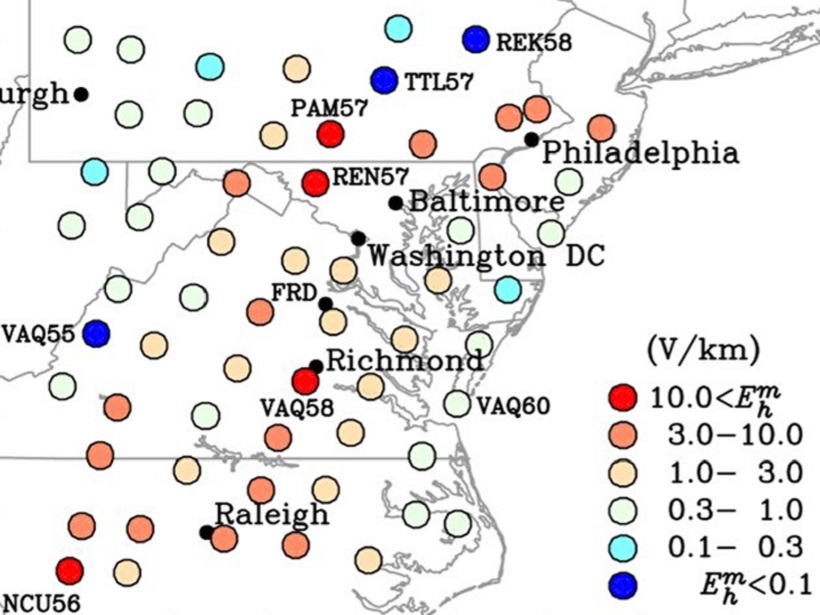
Mapping Extreme-Value Geoelectric Fields

by Gang Lu 25 January 201813 April 2022

To help mitigate magnetic storm interference on electric power grid operations, extreme-value geoelectric fields have been mapped across the mid-Atlantic United States.
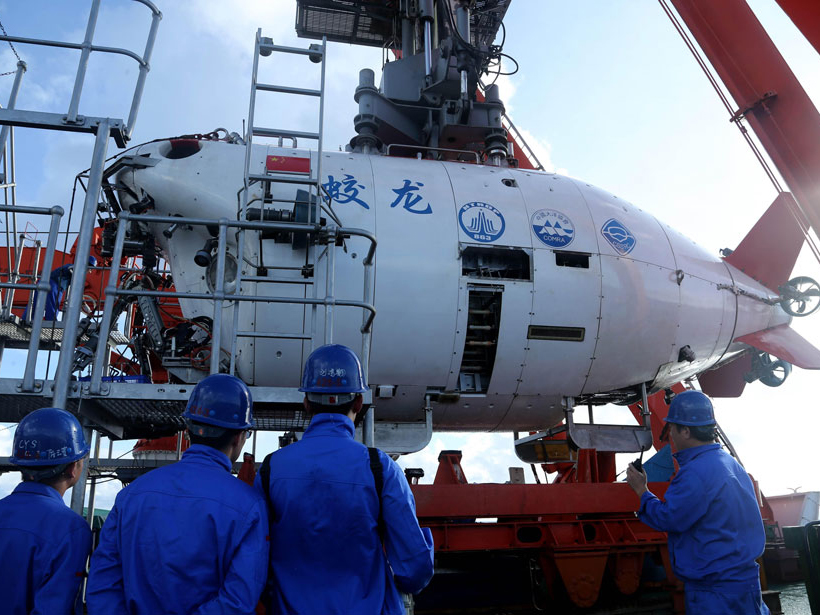
China’s manned submersible Jiaolong in April 2017
Posted inNews

China Catching Up to United States in Research and Development

by Randy Showstack 24 January 201818 April 2022

China recently overtook the European Union in spending on basic and applied research in science and engineering.
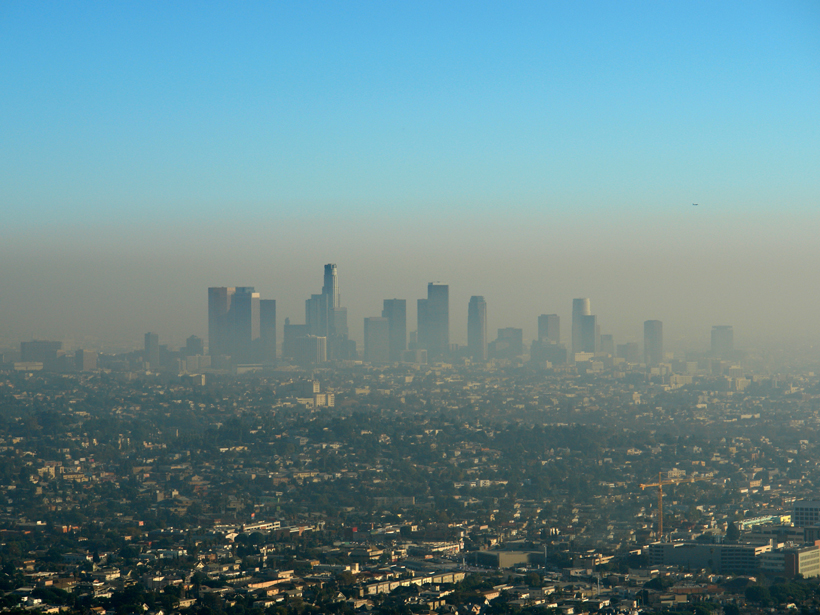
Smog covers downtown Los Angeles on 17 January 2007
Posted inOpinions

Will Clean Air Fade Away?

by M. Sadegh, J. Pierce, A. AghaKouchak, N. F. Glenn and C. Curl 16 January 201810 March 2023

Government-sponsored research and regulations enabled western U.S. states to clean up their air, despite industrial and population growth. Proposed funding cuts could undo this progress.
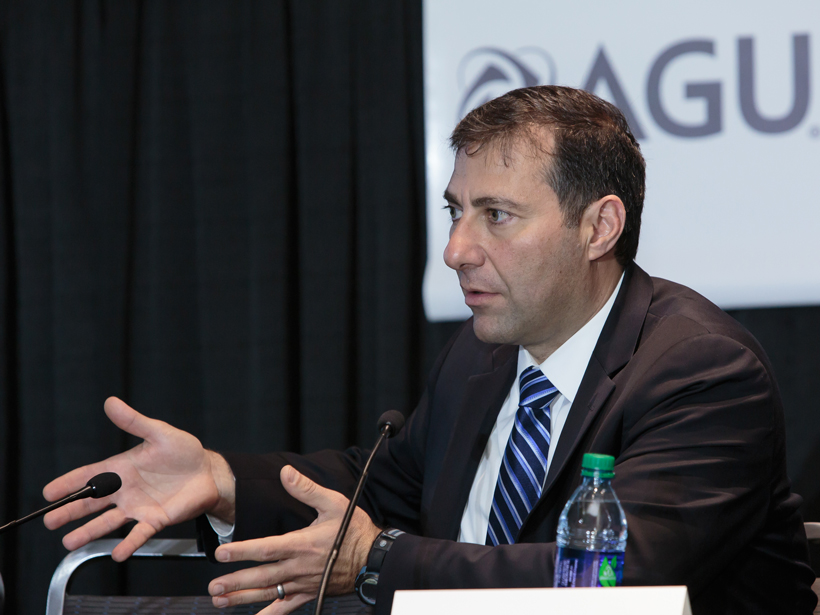
Vaughan Turekian gave a 14 December keynote address AGU’s 2017 Fall Meeting in New Orleans, La.
Posted inNews

Restore State Department Science Capacity, Expert Urges

by Randy Showstack 19 December 201711 April 2023

Former State Department science adviser highlights value of science diplomacy and raises concerns about the department’s direction.

Deer Island Wastewater Treatment Plant in Boston Harbor, in Massachusetts.
Posted inNews

Sea Level Rise May Swamp Many Coastal U.S. Sewage Plants

by A. Fox 13 December 201710 March 2023

Cities typically build wastewater treatment facilities in low-lying areas. A new national study identifies which plants are most vulnerable to coastal flooding.
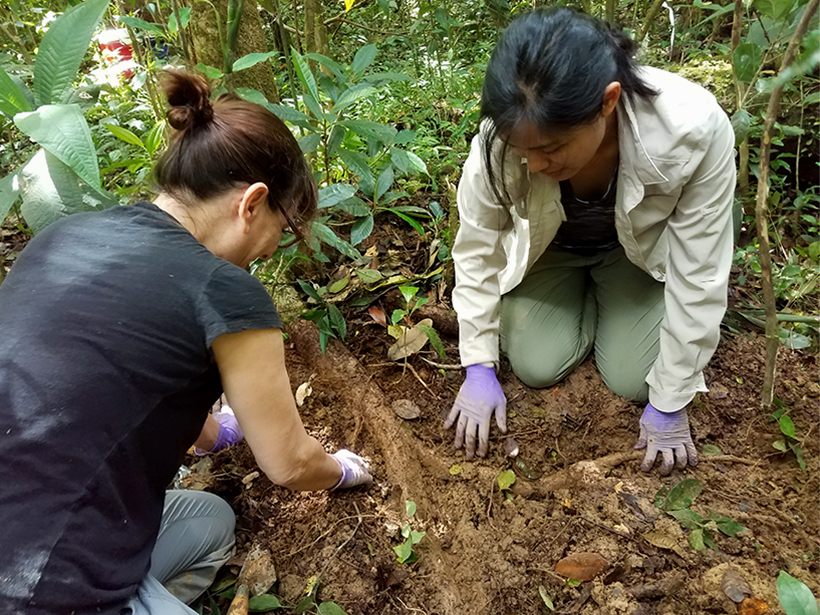
Researchers study a tree’s roots
Posted inNews

Major Federal Tropical Research Project to Cease 7 Years Early

by G. Popkin 11 December 201720 March 2023

The Department of Energy shutters a project aimed at improving climate models less than halfway through the expected decade-long run.

Passport and U.S. travel visa
Posted inFeatures

Iranian Geoscientists’ Careers Hurt by U.S. Travel Policies

Kimberly M. S. Cartier, News Writing and Production Intern for Eos.org by Kimberly M. S. Cartier 28 November 20177 November 2022

Three scientists spell out how travel bans, enhanced vetting, and burdensome bureaucracy, which collectively shape U.S. immigration law, have had lasting effects on their careers.

A satellite image of an atmospheric river on 20 February 2017, which helped the American west emerge from a 5-year drought.
Posted inFeatures

How Will Climate Change Affect the United States in Decades to Come?

by D. Wuebbles, D. W. Fahey and K. A. Hibbard 3 November 201730 March 2023

A new U.S. government report shows that climate is changing and that human activities will lead to many more changes. These changes will affect sea levels, drought frequency, severe precipitation, and more.

Posted inEditors' Vox

Stories in the Soil

by T. Papanicolaou 17 October 201715 November 2021

A series of field experiments in the U.S. Midwest is investigating how past, present, and future human activities and climate affect the health of soil.

AccuWeather CEO Barry Myers, who will be the Trump administration’s nominee to head NOAA, according to a Wednesday announcement.
Posted inNews

White House Will Nominate AccuWeather’s Barry Myers to Lead NOAA

by Randy Showstack 12 October 201725 May 2022

While some observers say Myers is a good fit, critics express concern about his lack of a science background and potential conflicts of interest.

Posts pagination

Newer posts 1 … 30 31 32 33 34 … 46 Older posts
Over a dark blue-green square appear the words Special Report: The State of the Science 1 Year On.

Features from AGU Publications

Research Spotlights

Did Ocean Motion Carve Enceladus’s Tiger Stripes?

26 August 202626 August 2026
Editors' Highlights

Long-Term Datasets are Essential to Understanding Coastal Change

26 August 202618 August 2026
Editors' Vox

Climate Model Benchmarking: Building Trust and Advancing Science

24 August 202624 August 2026
Eos logo at left; AGU logo at right

About Eos
ENGAGE
Awards
Contact

Advertise
Submit
Career Center
Sitemap

© 2026 American Geophysical Union. All rights reserved Powered by Newspack