• About
  • Special Reports
  • Topics
    • Climate
    • Earth Science
    • Oceans
    • Space & Planets
    • Health & Ecosystems
    • Culture & Policy
    • Education & Careers
    • Opinions
  • Projects
    • Postcards From the Field
    • ENGAGE
    • Editors’ Highlights
    • Editors’ Vox
    • Eos en Español
    • Eos 简体中文版
    • Print Archive: 2015–2025
  • Policy Tracker
  • Blogs
    • Research & Developments
    • The Landslide Blog
  • Newsletter
  • Submit to Eos
  • AGU.org
  • Career Center
  • Join AGU
  • Give to AGU
  • About
  • Special Reports
  • Topics
    • Climate
    • Earth Science
    • Oceans
    • Space & Planets
    • Health & Ecosystems
    • Culture & Policy
    • Education & Careers
    • Opinions
  • Projects
    • Postcards From the Field
    • ENGAGE
    • Editors’ Highlights
    • Editors’ Vox
    • Eos en Español
    • Eos 简体中文版
    • Print Archive: 2015–2025
  • Policy Tracker
  • Blogs
    • Research & Developments
    • The Landslide Blog
  • Newsletter
  • Submit to Eos
Skip to content
  • AGU.org
  • Career Center
  • Join AGU
  • Give to AGU
Eos

Eos

Science News by AGU

Support Eos
Sign Up for Newsletter
  • About
  • Special Reports
  • Topics
    • Climate
    • Earth Science
    • Oceans
    • Space & Planets
    • Health & Ecosystems
    • Culture & Policy
    • Education & Careers
    • Opinions
  • Projects
    • Postcards From the Field
    • ENGAGE
    • Editors’ Highlights
    • Editors’ Vox
    • Eos en Español
    • Eos 简体中文版
    • Print Archive: 2015–2025
  • Policy Tracker
  • Blogs
    • Research & Developments
    • The Landslide Blog
  • Newsletter
  • Submit to Eos

United States

Posted inResearch Spotlights

Are U.S. States Prepared to Manage Water in a Changing Climate?

by Terri Cook 18 April 201626 March 2024

An empirical study of water allocation and planning in five states concludes that they lack a statewide strategy to manage the impacts of climate change on water resources.

President Obama at the White House Science Fair.
Posted inNews

White House Science Fair Celebrates Student Achievements

by Randy Showstack 18 April 201631 March 2022

A suggestion from a 9-year-old science fair participant could lead to a White House committee of kids providing advice about the science that most interests them.

Posted inResearch Spotlights

Improving the Identification of Extreme Precipitation Trends in the U.S.

by Terri Cook 14 April 201628 February 2023

By greatly reducing the associated uncertainty, a new model is better able to discern statistically significant trends, offering the potential to improve the seasonal forecasting of rare events.
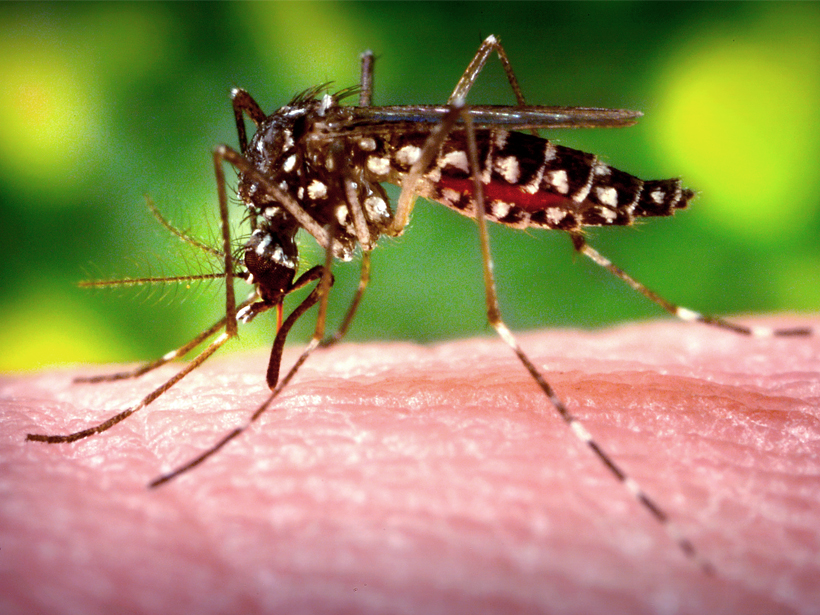
female-aedes-aegypti-mosquito-dengue-fever-9181-cdc-phil
Posted inNews

Seven Ways Climate Change Threatens U.S. Population's Health

by Randy Showstack 7 April 20169 September 2024

A report by the U.S. Global Change Research Program finds health risks from global warming tied to heat, air quality, vector-borne diseases, water issues, extreme weather, nutrition, and mental stress.

coral-reef-Biscayne-National-Park
Posted inNews

U.S.-Cuba Scientific Cooperation Revs Up

by P. Kollipara 4 April 201625 April 2023

The administration has sought to promote scientific collaboration with Cuba by reducing restrictions on travel and equipment donations and forging research partnerships.
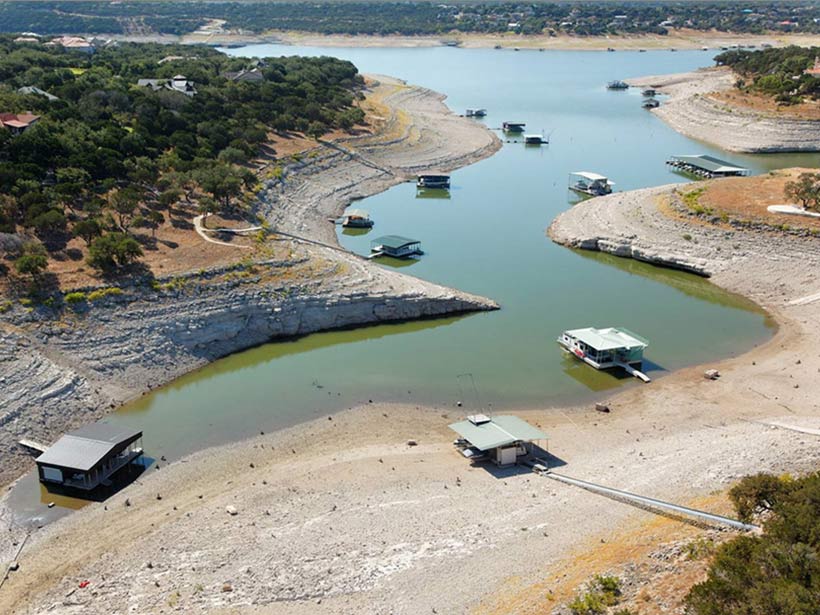
Boat docks near the shores of Lake Travis, near Austin, Texas, during the 2011 drought.
Posted inScience Updates

Anticipating Cascading Effects from Climate Extremes

by S. LeRoy, G. Garfin and M. Black 29 March 20163 June 2022

Preparing for High Consequence, Low Probability Events: Heat, Water & Energy in the Southwest; Tucson, Arizona, 28–29 September 2015
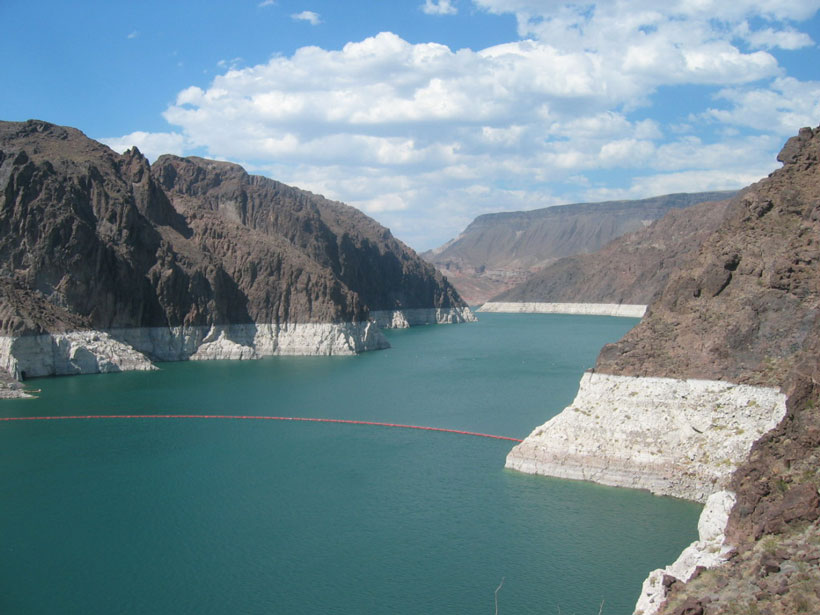
lake-mead-nevada-reservoir
Posted inScience Updates

New Interest in Reservoir Evaporation in Western United States

by B. Livneh, K. Friedrich and P. D. Blanken 23 March 201623 September 2022

Reservoir Evaporation Workshop; Boulder, Colorado, 22–23 October 2015
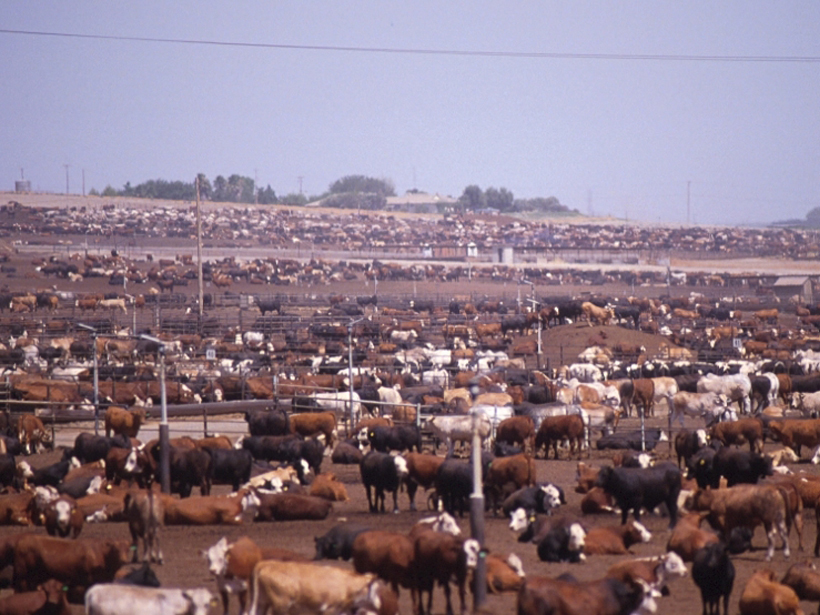
Livestock account for about a third of methane emissions in the United States, according to a new study.
Posted inResearch Spotlights

U.S. Methane Emissions on the Rise

by S. Kelleher 22 March 20162 November 2021

Data suggest that the United States may be responsible for half of global methane increase in the past decade.

Posted inResearch Spotlights

Could We Have Predicted What El Niño Would Bring?

by W. Yan 22 March 201615 February 2023

Researchers take a retrospective look to see if precipitation and flooding due to El Niño could have been predicted a priori.

Diverse chemosynthetic communities thrive on undersea asphalt volcanoes that form above natural oil reservoirs deep below the seabed.
Posted inNews

Asphalt Volcanoes Erupt in Slow Motion

by Lauren Lipuma 15 March 201625 March 2024

Natural asphalt seeps on the ocean floor provide a stable home for diverse marine life that sequesters greenhouse gases.

Posts pagination

Newer posts 1 … 38 39 40 41 42 … 46 Older posts
Over a dark blue-green square appear the words Special Report: The State of the Science 1 Year On.

Features from AGU Publications

Research Spotlights

Did Ocean Motion Carve Enceladus’s Tiger Stripes?

26 August 202626 August 2026
Editors' Highlights

Long-Term Datasets are Essential to Understanding Coastal Change

26 August 202618 August 2026
Editors' Vox

Climate Model Benchmarking: Building Trust and Advancing Science

24 August 202624 August 2026
Eos logo at left; AGU logo at right

About Eos
ENGAGE
Awards
Contact

Advertise
Submit
Career Center
Sitemap

© 2026 American Geophysical Union. All rights reserved Powered by Newspack