
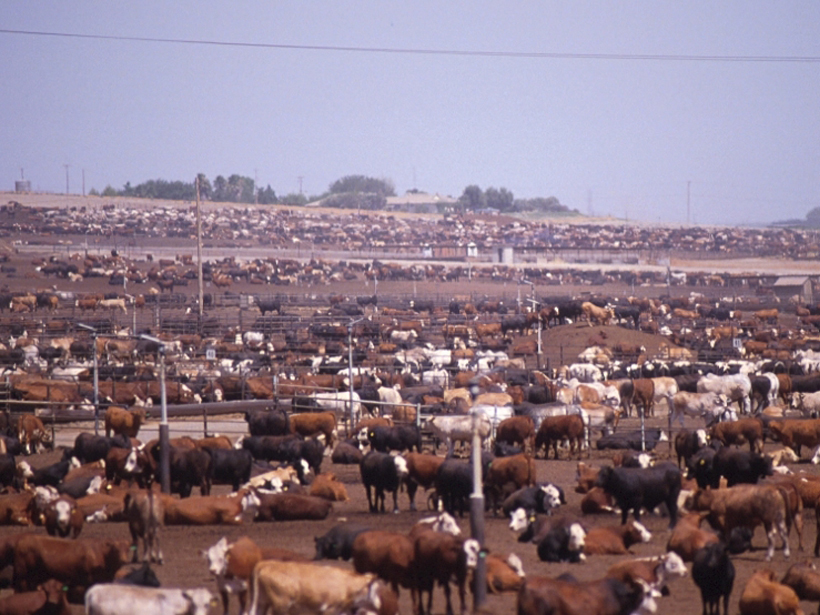
Data suggest that the United States may be responsible for half of global methane increase in the past decade.
United States
Posted inResearch Spotlights
Could We Have Predicted What El Niño Would Bring?
Researchers take a retrospective look to see if precipitation and flooding due to El Niño could have been predicted a priori.

Posted inNews
Asphalt Volcanoes Erupt in Slow Motion

Natural asphalt seeps on the ocean floor provide a stable home for diverse marine life that sequesters greenhouse gases.
Posted inNews
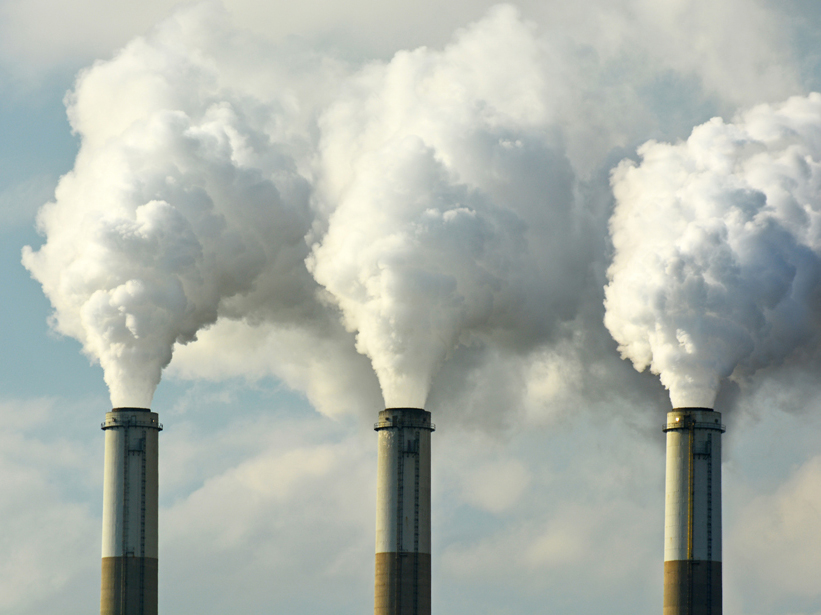
Court Delay on U.S. Climate Plan Won't Stop Clean Energy Efforts

While many states wait for judicial clarity, analysts predict that the move toward clean energy and emissions reductions will continue.

Posted inNews
White House Showcases Earthquake Alerts, Federal Quake Readiness
A prototype ShakeAlert early warning system approaches alert-ready status as the administration issues an executive order on federal earthquake standards.
Posted inNews
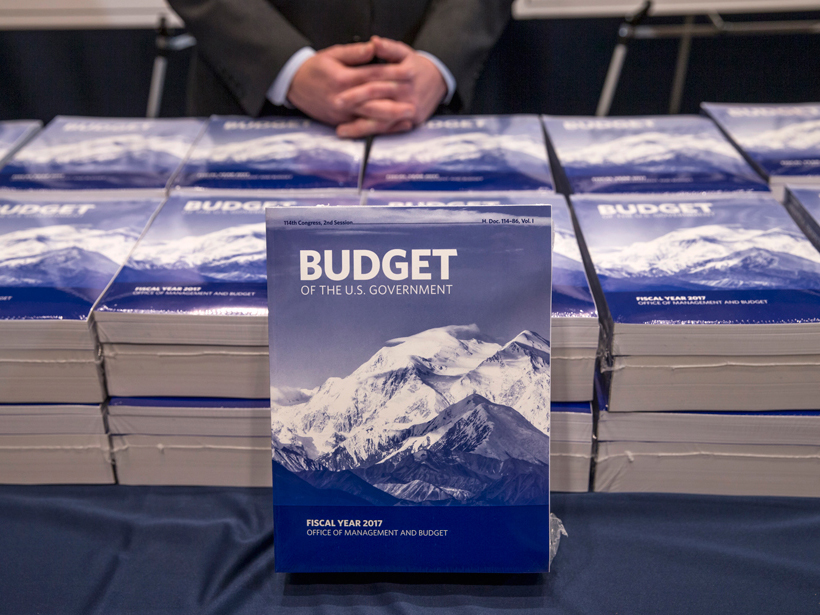
Mandatory Funding Would Boost U.S. Science Budget
Much of the White House's proposed 4.2% increase for federal research and development funding next year depends on Congress agreeing to a new "mandatory" funding category not subject to a budget cap.

Posted inNews
Mercury in Rain Increasing in Western and Central United States

Despite tightening emissions rules, mercury concentrations are rising in rainfall wetting western and central regions of the United States. The pollutant may waft in from Asia, scientists speculate.
Posted inScience Updates
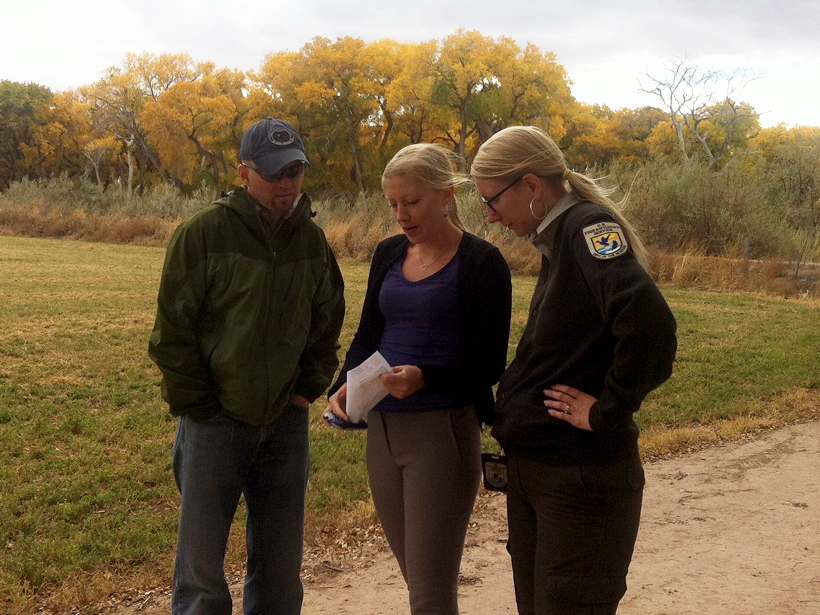
Ensuring Coordination Among Regional Climate Science Programs
National Adaptation Forum; St. Louis, Missouri, 12–14 May 2015
Posted inResearch Spotlights
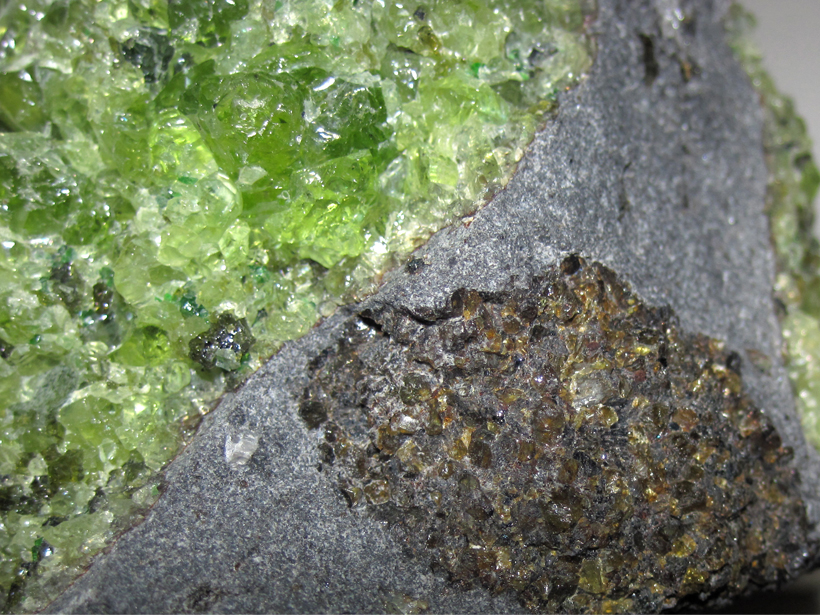
P Wave Amplitude Decay Offers a Glimpse of Earth's Structure

Scientists look at deep earthquake signals to map how seismic waves lose energy in the upper mantle across the United States.
Posted inNews
United States Still First in Science, Tech Research Spending
Although federal funding of science and engineering research has fallen behind inflation, private sector investment remains high, reports the U.S. National Science Board in its latest update.