• About
  • Special Reports
  • Topics
    • Climate
    • Earth Science
    • Oceans
    • Space & Planets
    • Health & Ecosystems
    • Culture & Policy
    • Education & Careers
    • Opinions
  • Projects
    • Postcards From the Field
    • ENGAGE
    • Editors’ Highlights
    • Editors’ Vox
    • Eos en Español
    • Eos 简体中文版
    • Print Archive: 2015–2025
  • Policy Tracker
  • Blogs
    • Research & Developments
    • The Landslide Blog
  • Newsletter
  • Submit to Eos
  • AGU.org
  • Career Center
  • Join AGU
  • Give to AGU
  • About
  • Special Reports
  • Topics
    • Climate
    • Earth Science
    • Oceans
    • Space & Planets
    • Health & Ecosystems
    • Culture & Policy
    • Education & Careers
    • Opinions
  • Projects
    • Postcards From the Field
    • ENGAGE
    • Editors’ Highlights
    • Editors’ Vox
    • Eos en Español
    • Eos 简体中文版
    • Print Archive: 2015–2025
  • Policy Tracker
  • Blogs
    • Research & Developments
    • The Landslide Blog
  • Newsletter
  • Submit to Eos
Skip to content
  • AGU.org
  • Career Center
  • Join AGU
  • Give to AGU
Eos

Eos

Science News by AGU

Support Eos
Sign Up for Newsletter
  • About
  • Special Reports
  • Topics
    • Climate
    • Earth Science
    • Oceans
    • Space & Planets
    • Health & Ecosystems
    • Culture & Policy
    • Education & Careers
    • Opinions
  • Projects
    • Postcards From the Field
    • ENGAGE
    • Editors’ Highlights
    • Editors’ Vox
    • Eos en Español
    • Eos 简体中文版
    • Print Archive: 2015–2025
  • Policy Tracker
  • Blogs
    • Research & Developments
    • The Landslide Blog
  • Newsletter
  • Submit to Eos

Vera C. Rubin Observatory

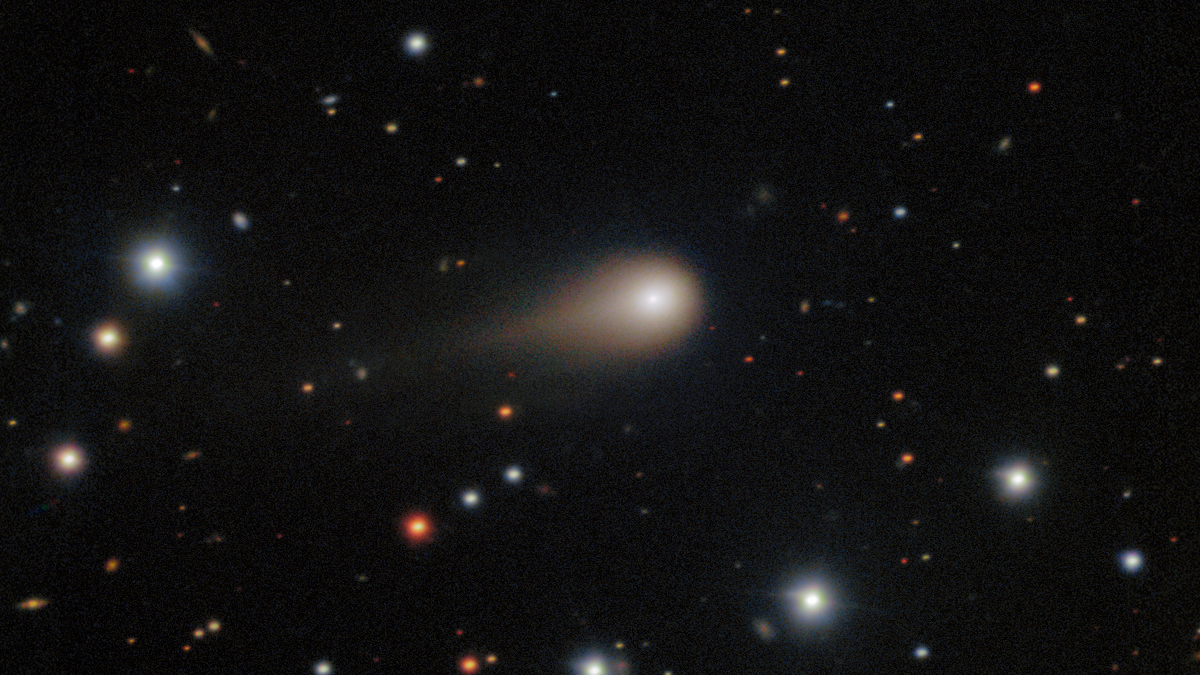
A comet with a compact coma and a short tail in front of a background of stars.
Posted inFeatures

How an Interstellar Interloper Spurred Astronomers into Action

Kimberly M. S. Cartier, News Writing and Production Intern for Eos.org by Kimberly M. S. Cartier 9 September 202510 February 2026

Valuable lessons from previous interstellar objects allowed scientists to develop a more rapid response when the third one arrived in July.
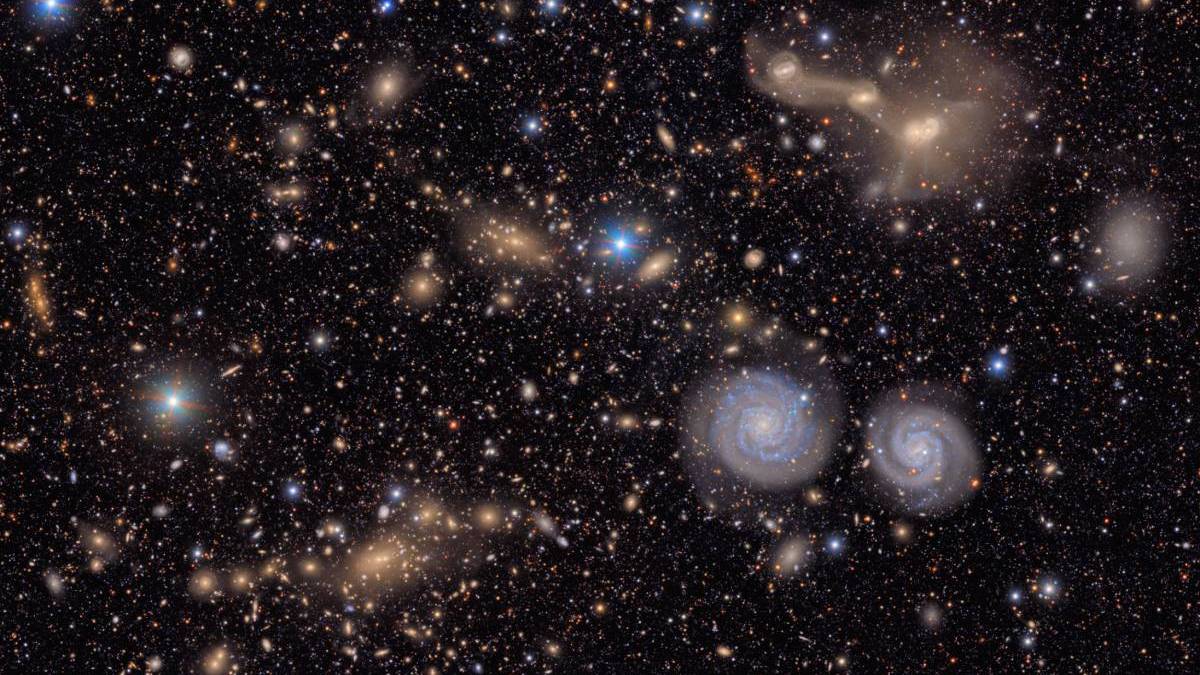
Many stars and galaxies including two spiral galaxies and three merging galaxies.
Posted inResearch & Developments

Rubin Observatory Stuns and Awes With Sprawling First Look Images

Kimberly M. S. Cartier, News Writing and Production Intern for Eos.org by Kimberly M. S. Cartier 23 June 202510 February 2026

Wow. Just wow.

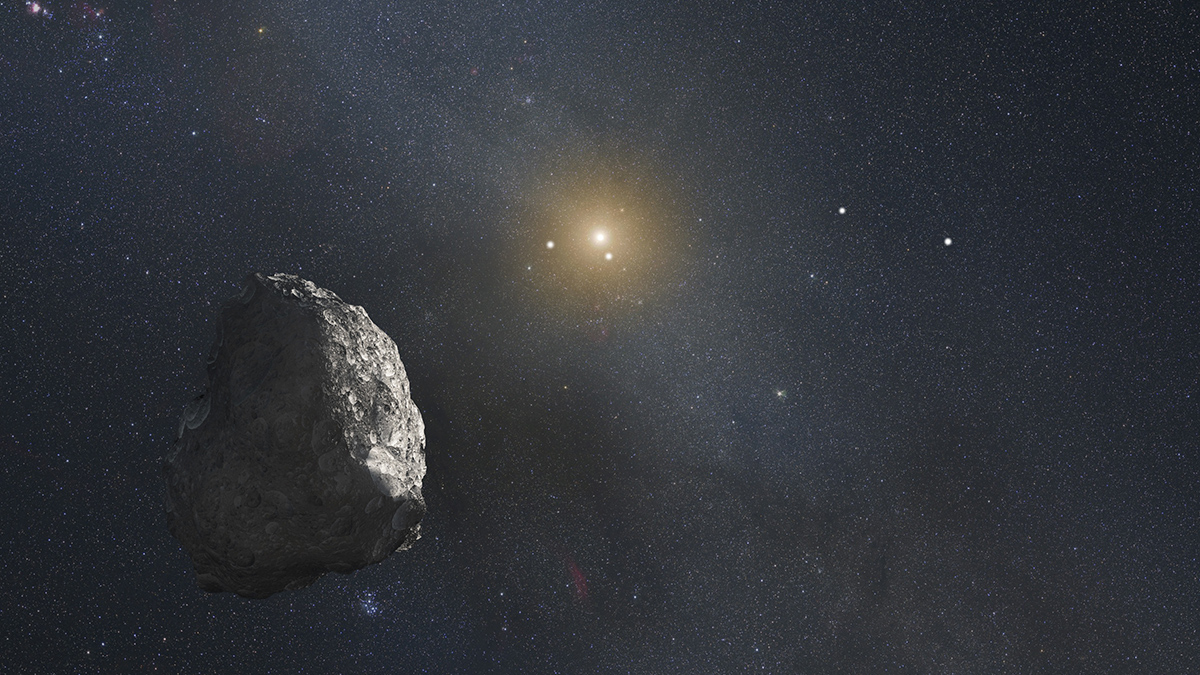
Artist’s drawing of a rocky body among dust and dots of light with a bright star in the background
Posted inNews

Another Ring of Objects Might Exist in the Outer Solar System

by Jonathan O’Callaghan 29 October 202410 February 2026

A search for a new target for NASA’s New Horizons spacecraft suggests that space beyond the Kuiper Belt could be an unexpectedly crowded place.

Aerial view of the Arecibo radio telescope, a large light-colored dish set into the ground, surrounded by trees.
Posted inFeatures

Saving the Planet with Radar Astronomy

by Matthew R. Francis 19 July 202410 February 2026

Once the largest telescope in the world, Arecibo kept watch for dangerous asteroids using radar. With it gone, the world is preparing the next generation of radar observatories.

Over a dark blue-green square appear the words Special Report: The State of the Science 1 Year On.

Features from AGU Publications

Research Spotlights

New Method Could Improve U.S. Forecasting of West Nile Virus

20 February 202620 February 2026
Editors' Highlights

Why More Rain Doesn’t Mean More Erosion in Mountains

20 February 202620 February 2026
Editors' Vox

A Double-Edged Sword: The Global Oxychlorine Cycle on Mars

10 February 202610 February 2026
Eos logo at left; AGU logo at right

About Eos
ENGAGE
Awards
Contact

Advertise
Submit
Career Center
Sitemap

© 2026 American Geophysical Union. All rights reserved Powered by Newspack