
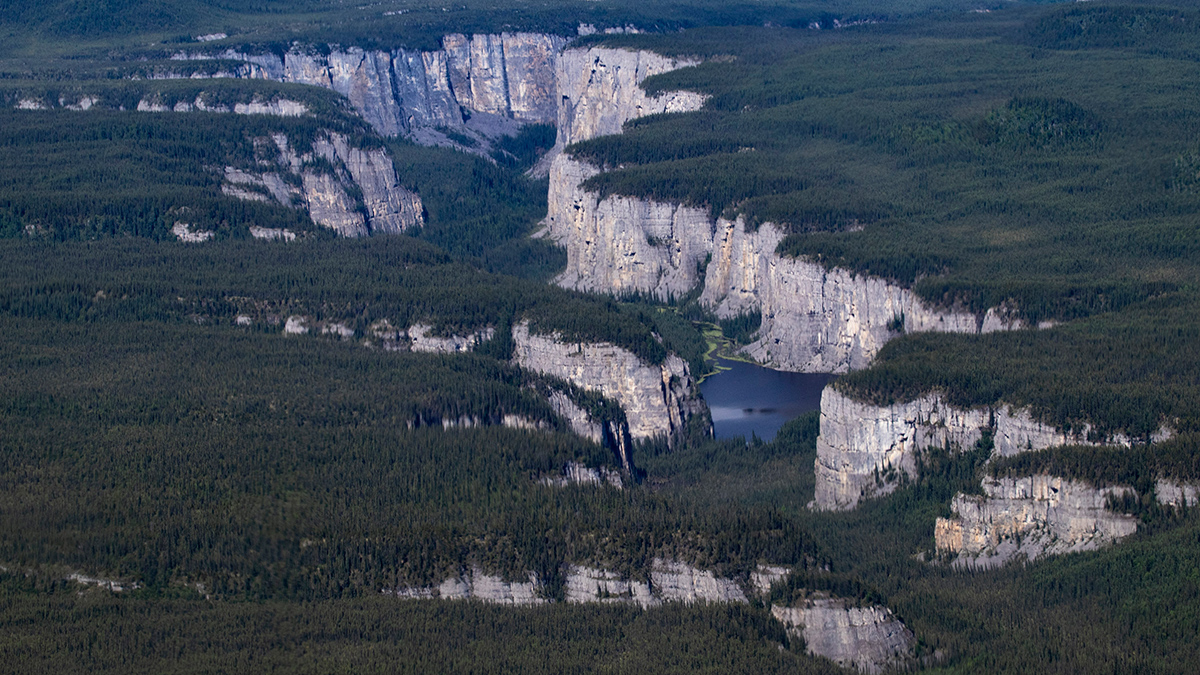
Mathematical models describe how water moves through rocks in deep Earth.
water

Posted inNews
More Than Half of Contiguous U.S. River Water Comes from Ephemeral Streams
The finding has potential implications for water regulations, which don’t currently cover these seasonal streams.

Posted inFeatures
Thanh Huong “Helen” Nguyen: Chasing Down Pathogens

An environmental engineer addresses some of public health’s biggest problems.
Posted inResearch Spotlights
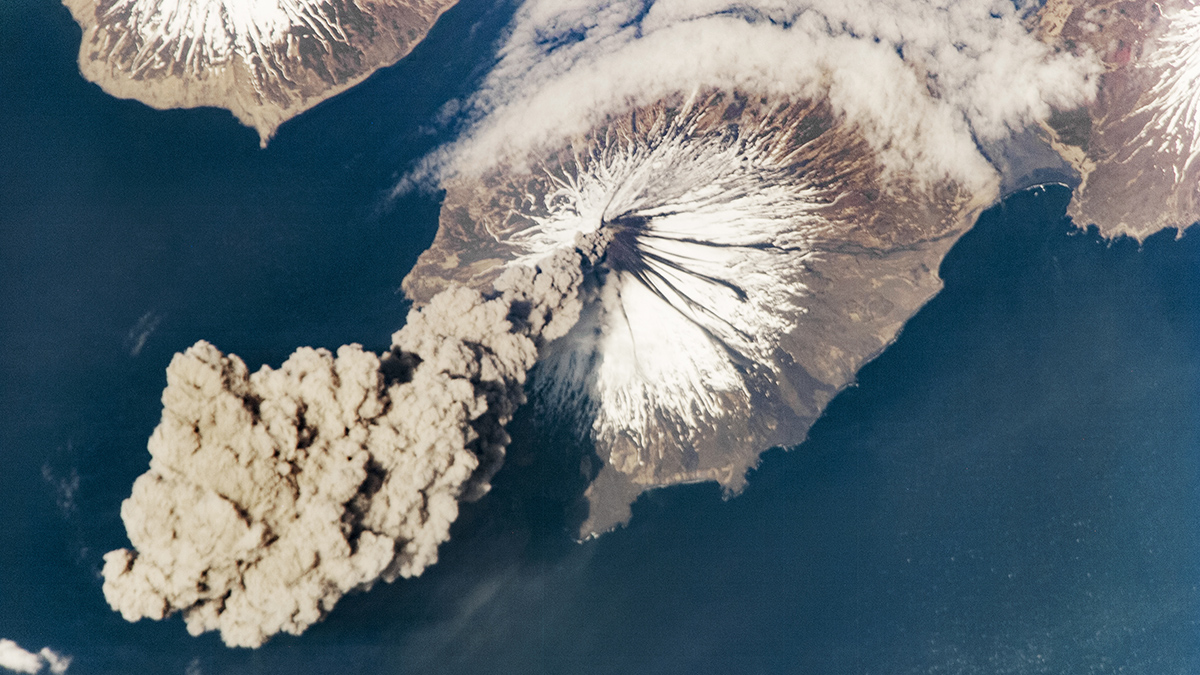
How Mantle Hydration Changes over the Lifetime of a Subduction Zone

Water released from subducting oceanic plates influences the formation of volcanoes and earthquakes on Earth’s surface. A new study simulates how slab dehydration and mantle hydration levels change over time.
Posted inNews
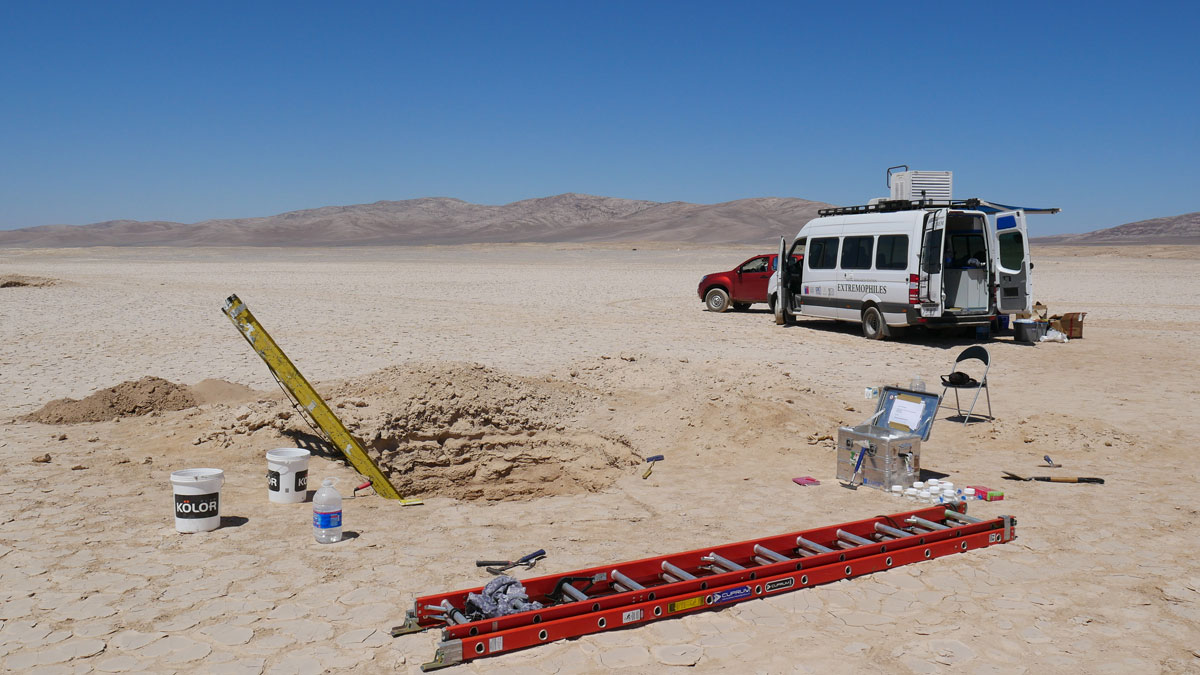
Researchers Find Bacterial Communities Deep Beneath the Atacama
Extremophile microbes exist in the gypsum-rich “fringes” of the driest place on Earth.

Posted inNews
Water Scarcity Likely to Increase in the Coming Decades
Hydrological modeling suggests that by 2100 more than 65% of the world’s population might, at least sporadically, lack access to clean water.
Posted inENGAGE, News
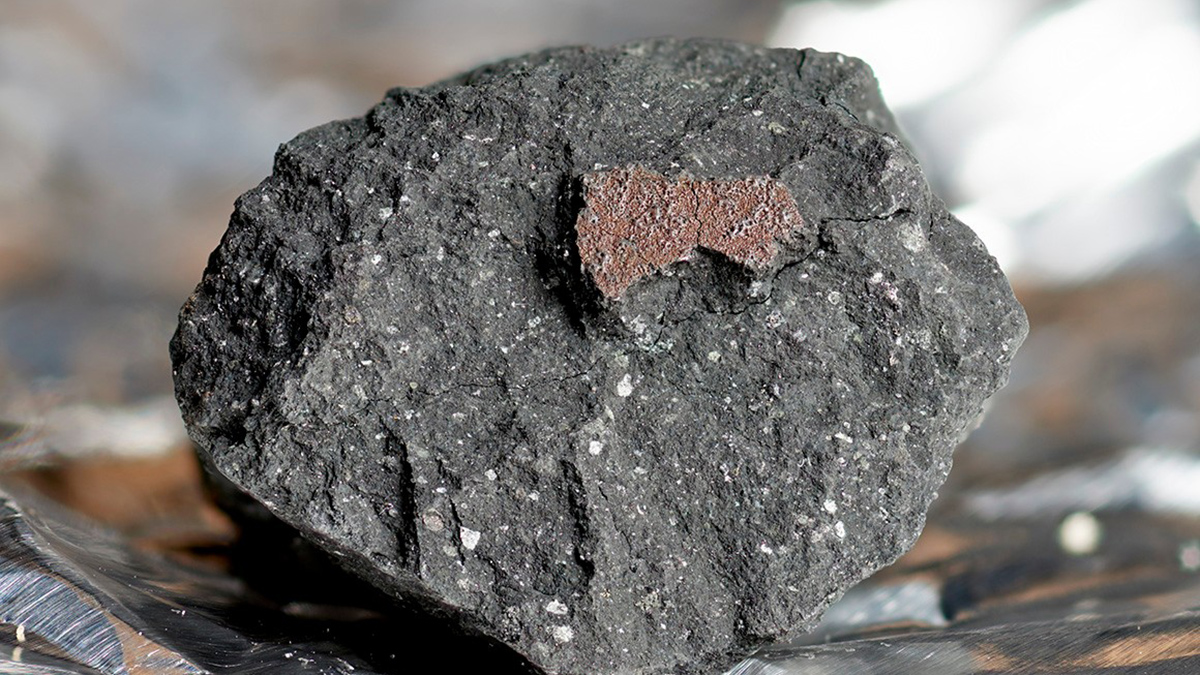
A Splashy Meteorite Was Forged in Multiple Collisions

The Winchcombe meteorite was recovered, largely from a driveway, just hours after it fell to Earth, preserving evidence that its early relatives could have filled Earth’s oceans.

Posted inNews
Changing Snowpack Inspires New Measurement
Climate change is bringing increased variability to annual snowfall, which affects how much water is stored for ecosystem and human use.
Posted inNews
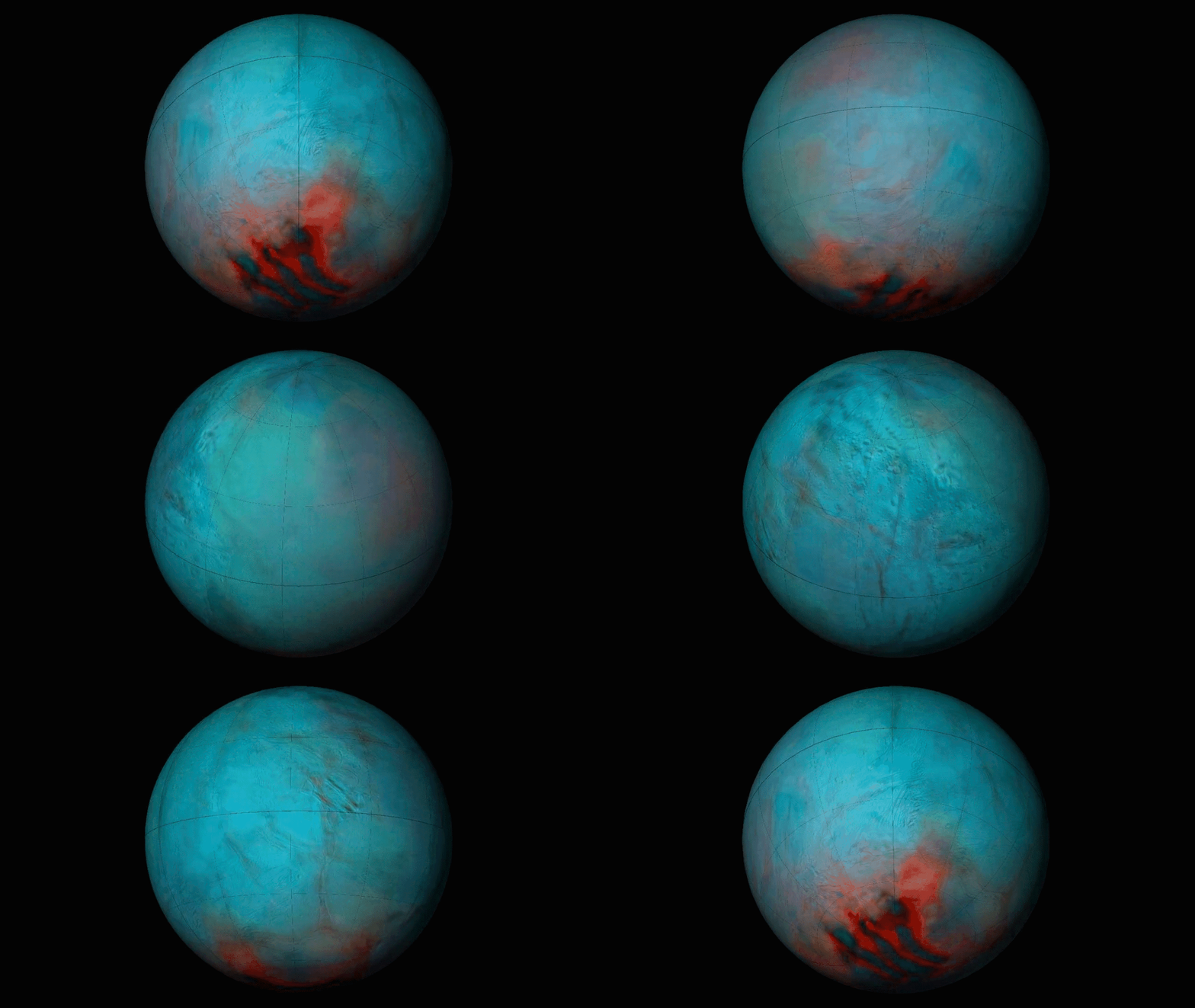
Strike-Slip Faults Could Drive Enceladus’s Jets

The back-and-forth motion could also reshape surface geology at the moon’s south pole.
Posted inEditors' Highlights
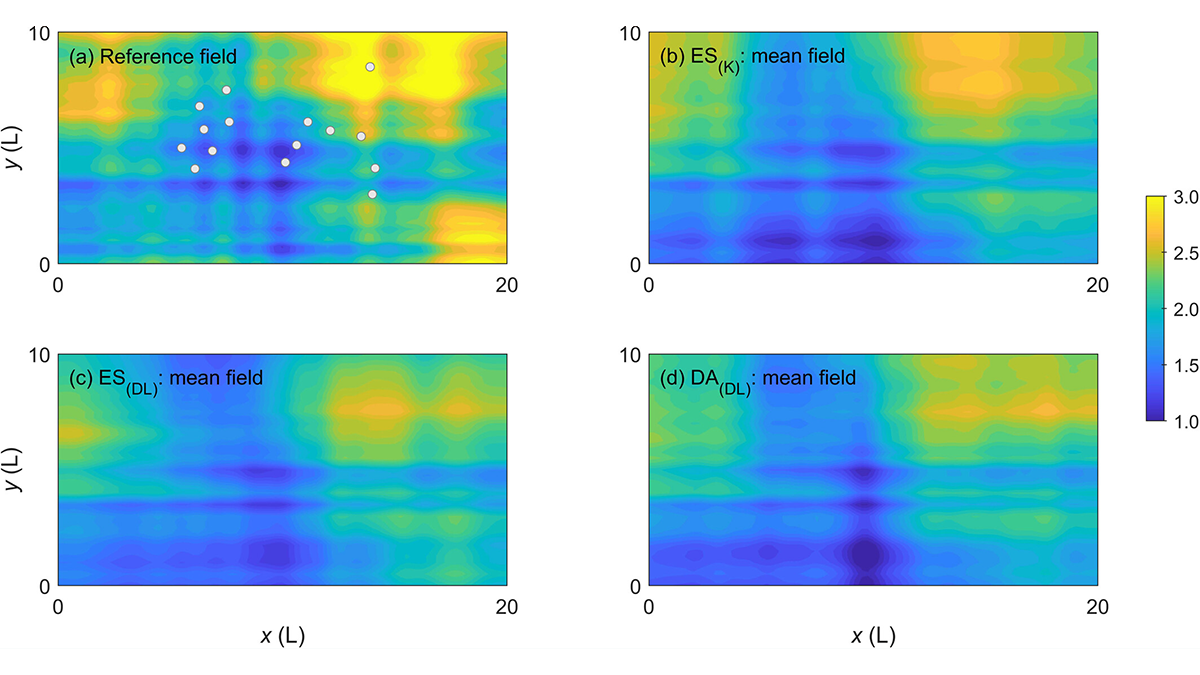
Learning Data Assimilation Without the Help of the Gaussian Assumption
Major Earth system processes are non-linear and non-Gaussian, and so should be our data assimilation approaches.