• About
  • Special Reports
  • Topics
    • Climate
    • Earth Science
    • Oceans
    • Space & Planets
    • Health & Ecosystems
    • Culture & Policy
    • Education & Careers
    • Opinions
  • Projects
    • Postcards From the Field
    • ENGAGE
    • Editors’ Highlights
    • Editors’ Vox
    • Eos en Español
    • Eos 简体中文版
    • Print Archive: 2015–2025
  • Policy Tracker
  • Blogs
    • Research & Developments
    • The Landslide Blog
  • Newsletter
  • Submit to Eos
  • AGU.org
  • Career Center
  • Join AGU
  • Give to AGU
  • About
  • Special Reports
  • Topics
    • Climate
    • Earth Science
    • Oceans
    • Space & Planets
    • Health & Ecosystems
    • Culture & Policy
    • Education & Careers
    • Opinions
  • Projects
    • Postcards From the Field
    • ENGAGE
    • Editors’ Highlights
    • Editors’ Vox
    • Eos en Español
    • Eos 简体中文版
    • Print Archive: 2015–2025
  • Policy Tracker
  • Blogs
    • Research & Developments
    • The Landslide Blog
  • Newsletter
  • Submit to Eos
Skip to content
  • AGU.org
  • Career Center
  • Join AGU
  • Give to AGU
Eos

Eos

Science News by AGU

Support Eos
Sign Up for Newsletter
  • About
  • Special Reports
  • Topics
    • Climate
    • Earth Science
    • Oceans
    • Space & Planets
    • Health & Ecosystems
    • Culture & Policy
    • Education & Careers
    • Opinions
  • Projects
    • Postcards From the Field
    • ENGAGE
    • Editors’ Highlights
    • Editors’ Vox
    • Eos en Español
    • Eos 简体中文版
    • Print Archive: 2015–2025
  • Policy Tracker
  • Blogs
    • Research & Developments
    • The Landslide Blog
  • Newsletter
  • Submit to Eos

watersheds

The mayfly Epeorus pleuralis, after which a new water sensor is named.
Posted inScience Updates

A Digital Mayfly Swarm Is Emerging

by S. Ensign, D. Arscott, S. Hicks, A. Aufdenkampe, T. Muenz, J. Jackson and D. Bressler 6 March 201928 February 2024

Low-cost, open-source data collectors and a suite of collaborative online tools are making big leaps in the field of watershed monitoring.
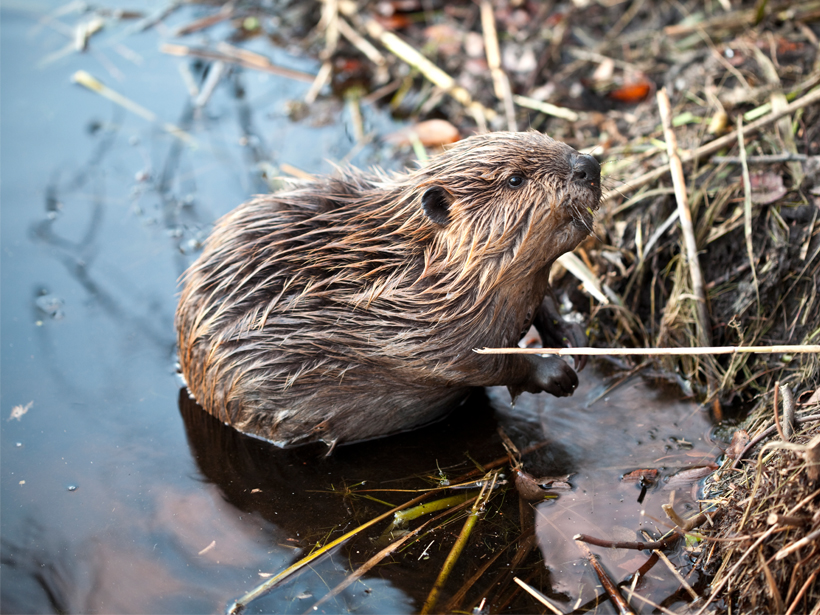
Posted inEditors' Highlights

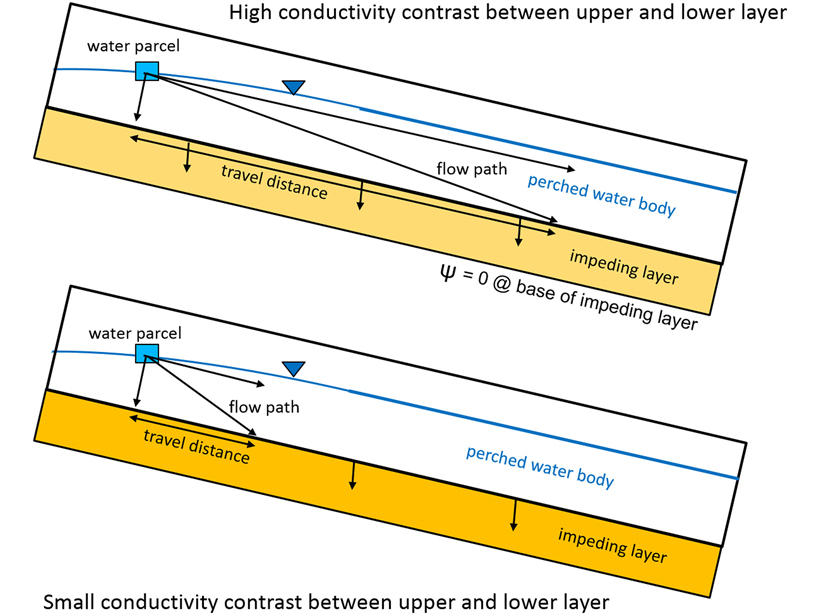
Upper Hillslopes May Not Contribute Directly to Stormflow

by Ilja van Meerveld 1 October 20183 December 2021

New research challenges long-held ideas about the path of subsurface water from hillslopes to streams.

Posted inEditors' Vox

Small Streams Make Big Contribution to Carbon Cycle

by A. Marx, R. van Geldern and J. Barth 18 August 201716 February 2022

A recent paper in Reviews of Geophysics discussed the carbon dynamics of headwater streams.

An irrigation ditch near the Mont Saint-Michel World Heritage Site in France.
Posted inScience Updates

Protecting Water Resources Through a Focus on Headwater Streams

by B. W. Abbott, G. Pinay and T. Burt 7 July 20179 May 2022

Where Land Becomes Stream: Connecting Spatial and Temporal Scales to Better Understand and Manage Catchment Ecosystems; Rennes, France, 7–8 March 2017
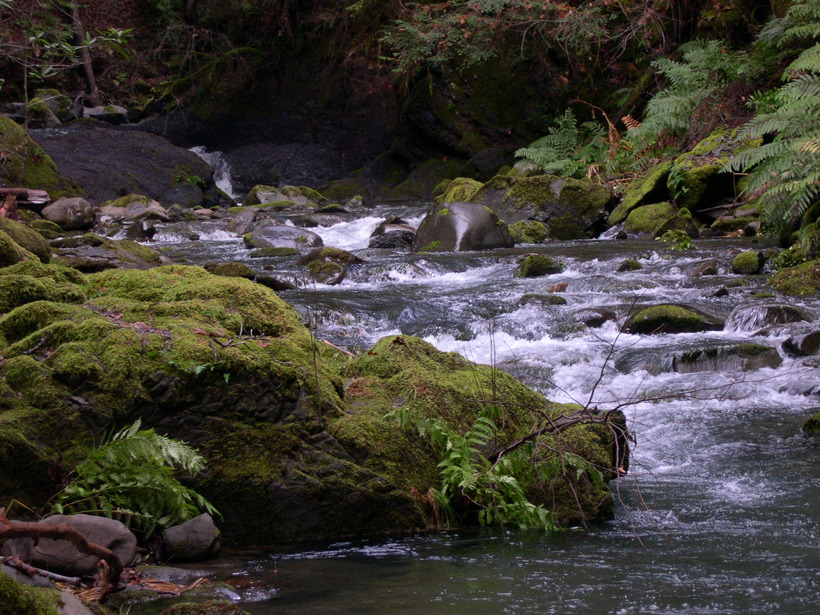
Elder Creek in the Eel River watershed of northern California.
Posted inResearch Spotlights

Lab Tests Probe the Secrets of Steep and Rocky Mountain Streams

by S. Witman 21 April 201727 April 2022

Researchers built a glass-encased test environment that helps them assess streamflow without the confounding factors introduced by bed forms.
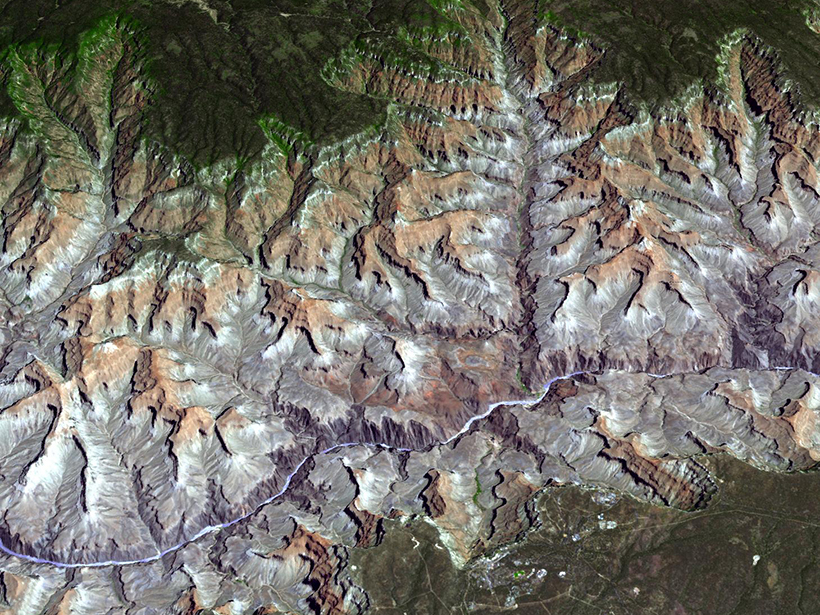
Grand canyon aerial view showing dendritic drainage.
Posted inResearch Spotlights

Stream Network Geometry Correlates with Climate

by Terri Cook 6 April 20176 June 2022

A "big data" analysis of nearly 1 million river junctions in the contiguous United States shows that branching angles in dendritic drainages vary systematically between humid and arid regions.

Researchers examine the impact of rising temperatures in the less studied East Antarctica
Posted inResearch Spotlights

What Regions Are Most at Risk for Ice Loss in East Antarctica?

by S. Witman 31 March 201723 March 2023

Scientists model the impact of environmental warming on ice drainage basins in the less studied East Antarctica.

Posted inResearch Spotlights

Predicting Changing Human Preferences in Water Basin Management

by Terri Cook 25 February 201630 March 2023

A model of human-water interactions in Florida's Kissimmee River Basin demonstrates the potential for sociohydrologic models to assist with strategic water management decisions.

Posted inScience Updates

Synthesizing Studies of Dam Removal

by Jim O’Connor and Amy E. East 7 October 201427 April 2022

Dam Removal: Synthesis of Ecological and Physical Responses;
Fort Collins, Colorado, 16–20 June 2014

Posts pagination

Newer posts 1 … 4 5 6
Over a dark blue-green square appear the words Special Report: The State of the Science 1 Year On.

Features from AGU Publications

Research Spotlights

Students Enable Widespread Water Monitoring in India

20 July 202620 July 2026
Editors' Highlights

Redesigning Farmland Through Community Collaboration in California

22 July 202621 July 2026
Editors' Vox

Why Healthy Soils Matter More Than Ever

22 July 202622 July 2026
Eos logo at left; AGU logo at right

About Eos
ENGAGE
Awards
Contact

Advertise
Submit
Career Center
Sitemap

© 2026 American Geophysical Union. All rights reserved Powered by Newspack