

Lijing Cheng, “Changes in Funding Could Tank Quality of Ocean Heat Content DatA”
“If we want to know how much the climate is impacting ocean ecosystems, we have to monitor ocean temperature and ocean heat content changes.”
OCEANS ARCHIVE
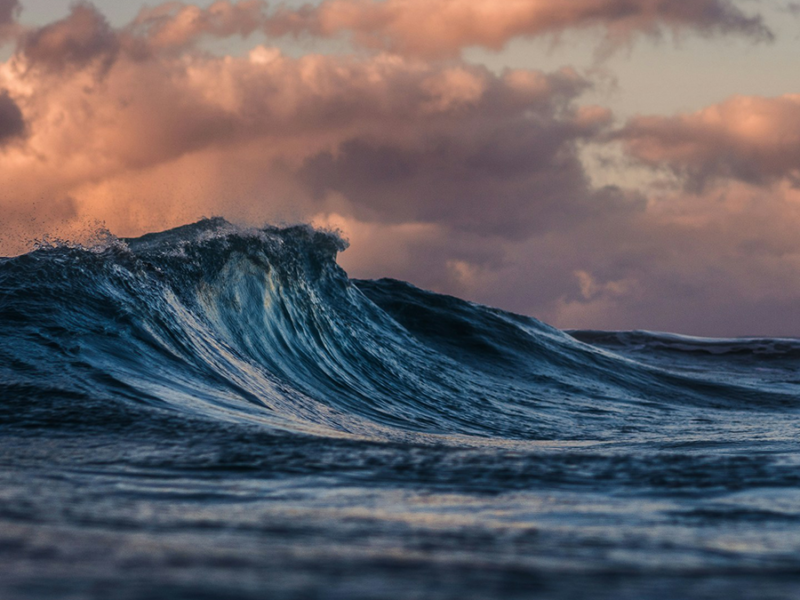
Waves Play a Key Role for Lateral Stirring and Mixing of Ocean Tracers
Numerical models and theoretical considerations deliver new insights on how waves affect the movement of tracers in wave-rich environments.
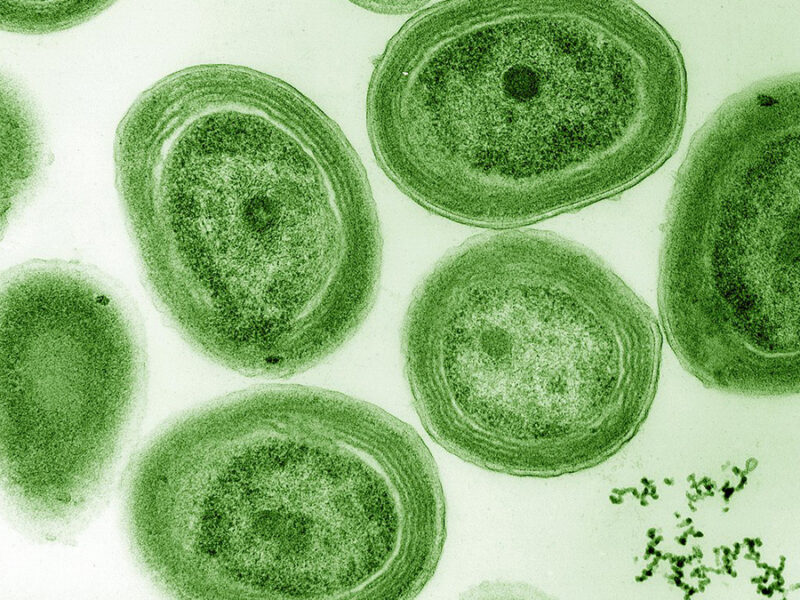
Tiny Cyanobacteria May Be the Secret Heroes of Ocean Carbon Sequestration
Even when larger phytoplankton produce more carbon, much of it is lost on the journey to the ocean floor.
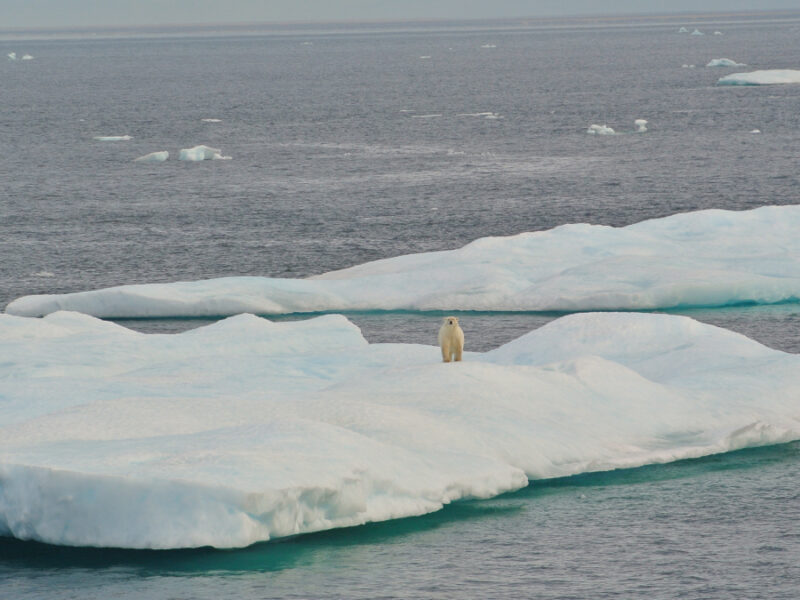
The Arctic Report Card Matters More Than Ever; AGU Joins Partners to Publish in 2026
The critical and highly anticipated yearly assessment will be carried forward through a partnership with CIRES/CU Boulder and the University of Alaska Fairbanks.
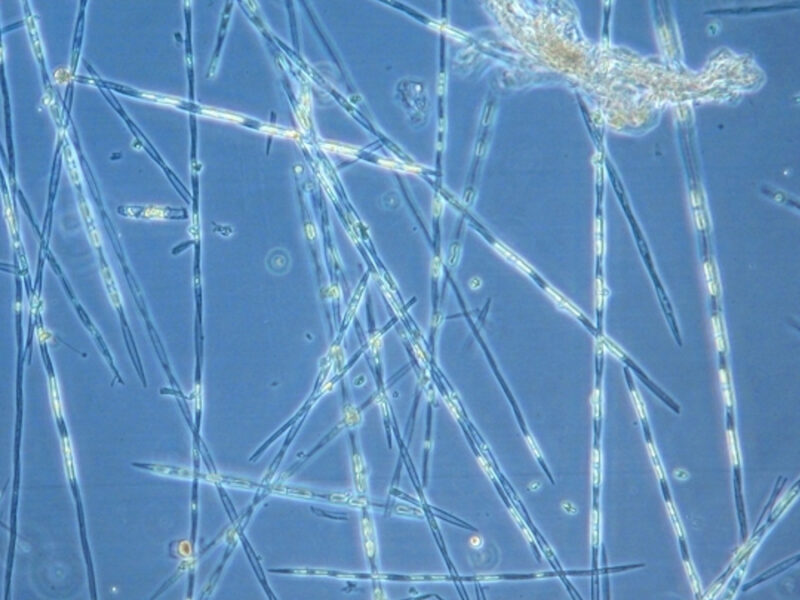
Wastewater Can Take Harmful Algal Blooms from Bad to Worse
By modeling toxic diatoms and coastal processes, scientists have discovered the degree to which nutrients from Southern California’s densely populated coast affect these blooms.
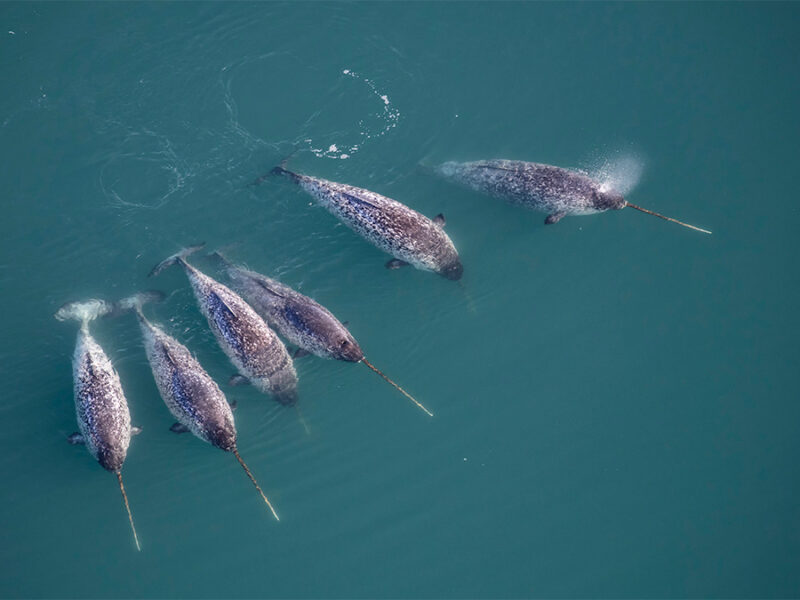
Narwhals Dive Deep to Help Scientists Research the Warming Arctic
Scientists come in all shapes and sizes. Sometimes, that shape is a blubbery 1,000-kilogram whale with a 2-meter tusk.
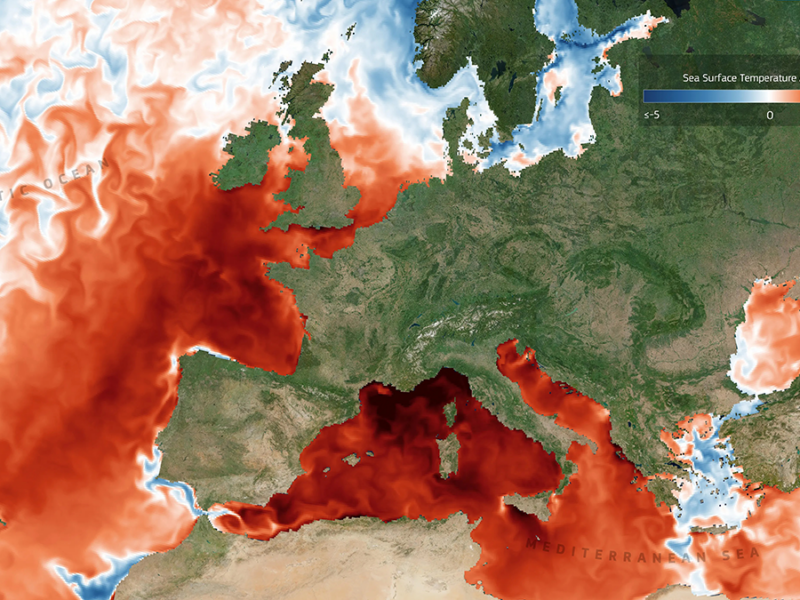
Why Marine Heat Waves and Acidification Strike Together
A chemistry tug-of-war between ocean acidity and carbon in warming oceans determines when and where these damaging events strike.
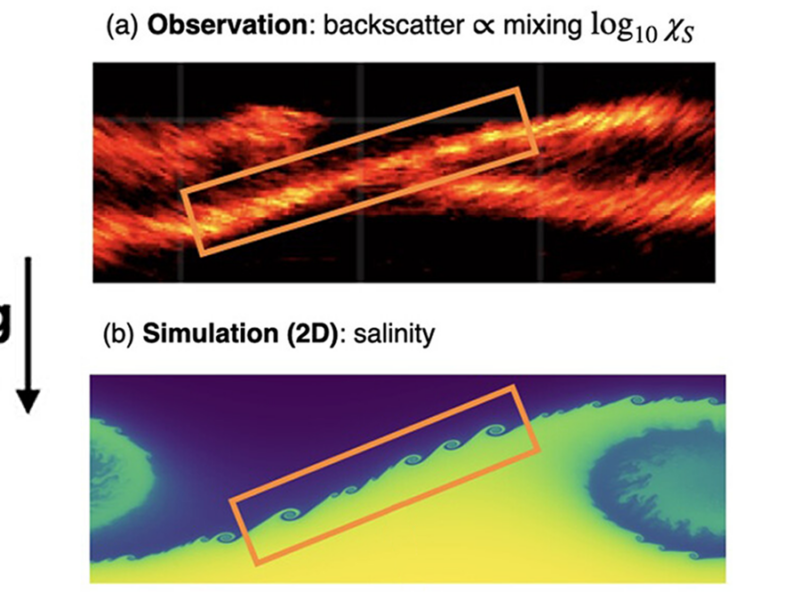
How Fluid Mixing due to Kelvin-Helmholtz Instabilities Really Works
Physical oceanographers might have a misconception about the anatomy of mixing at realistic Reynolds numbers in this important type of shear instability.
Introducing Research Letters in Paleoceanography and Paleoclimatology
Paleoceanography and Paleoclimatology now offers Research Letters, a new format for brief, timely, scientific communications, launched on the journal’s 40th anniversary.
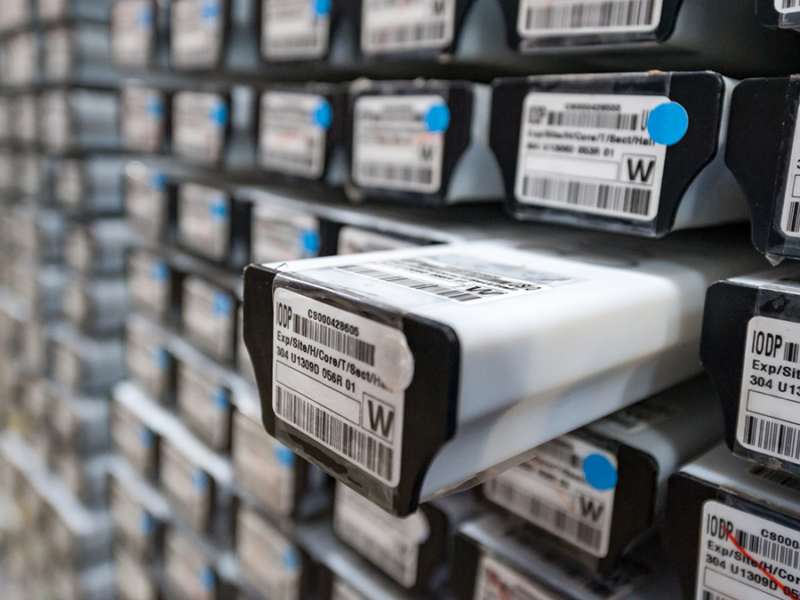
Forty Years of Looking to Earth’s Past to Understand Its Future
From ancient greenhouse worlds to ice ages, Earth’s past offers vital clues to its future. Explore the 40th anniversary special collection from Paleoceanography and Paleoclimatology.
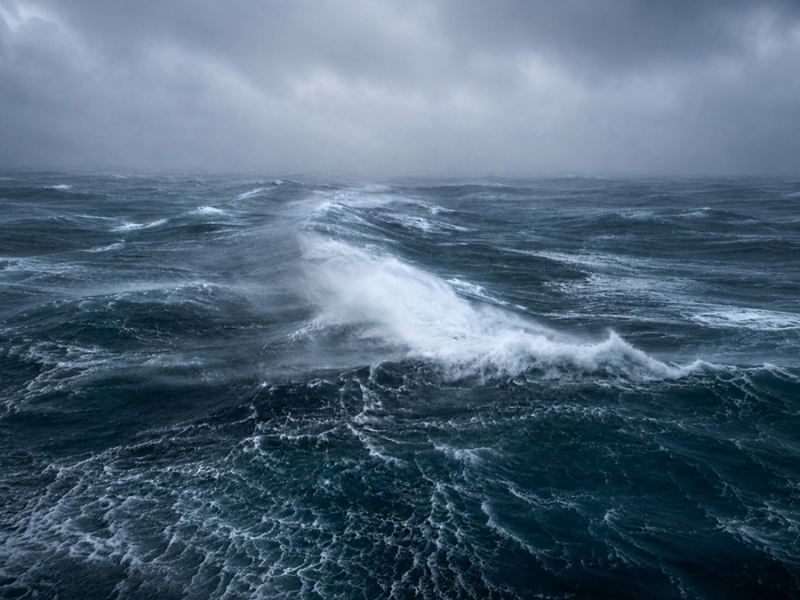
How Bubbles Reshape Air-Sea Gas Exchange
Bubbles produced by breaking waves provide an important but often overlooked pathway for exchanging carbon dioxide, oxygen, and other gases between the ocean and atmosphere.
Something went wrong. Please refresh the page and/or try again.