
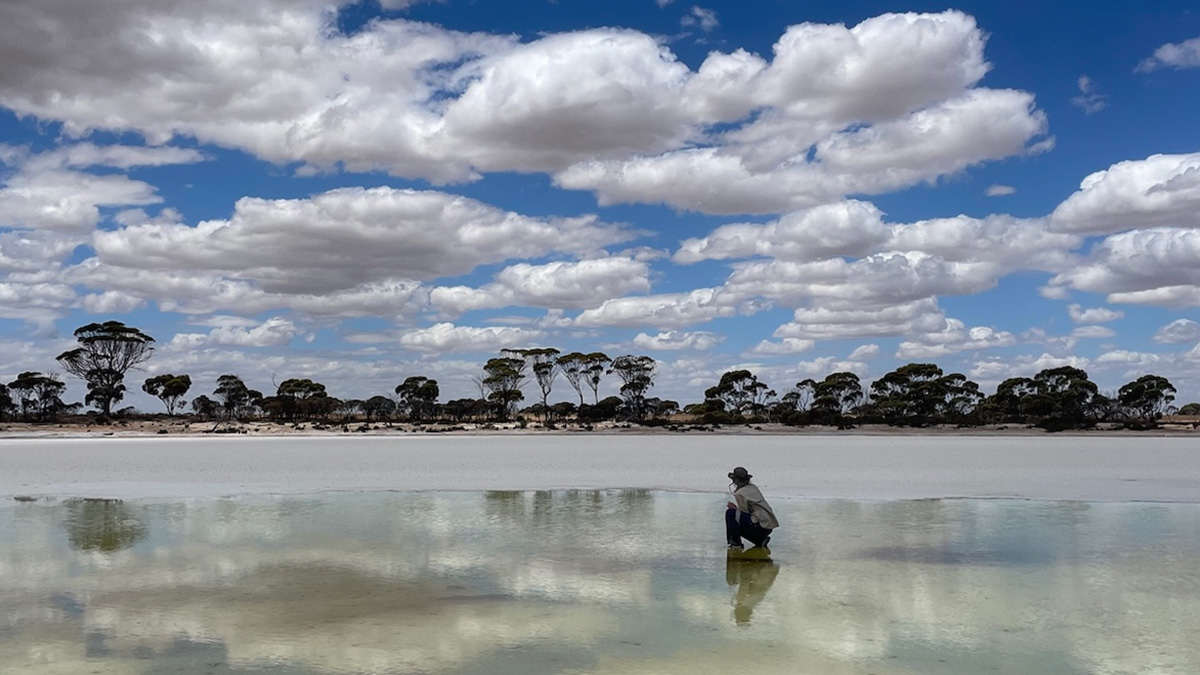

These stunning bodies of water—saltier than seawater and nearly as acidic as lemon juice—can teach us more about where life can survive, on Earth and beyond.

Emily Gardner
Emily Gardner, née Dieckman joined Eos as an associate editor in 2023, after nearly 6 years writing and editing at the University of Arizona College of Engineering. She has also won awards for her coverage of culture, human interest, and science stories at the Tucson Weekly. Her degrees are in journalism and sociology.
Posted inResearch & Developments
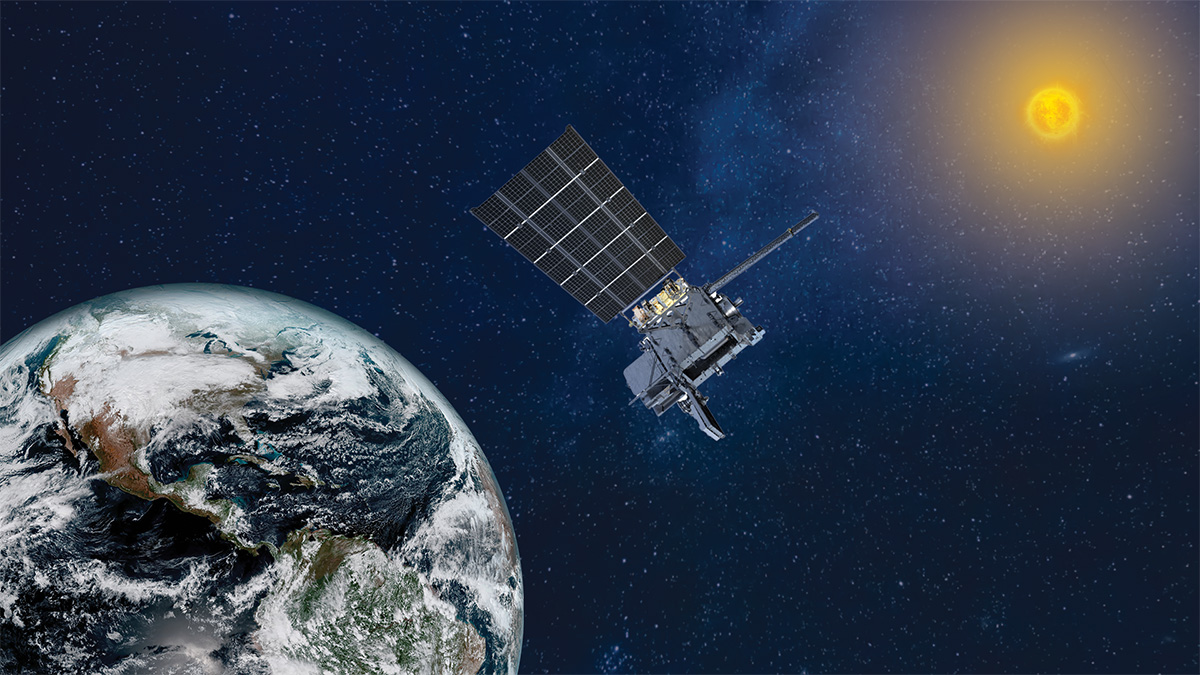
Cuts to Satellite Program Add “Uncertainty” and “Risk,” Suggests GAO Report
Last week, the Government Accountability Office (GAO) released a report suggesting that the plan for NOAA’s next generation of geostationary satellites, called GeoXO, could “put vital observations at risk.”
Posted inResearch & Developments
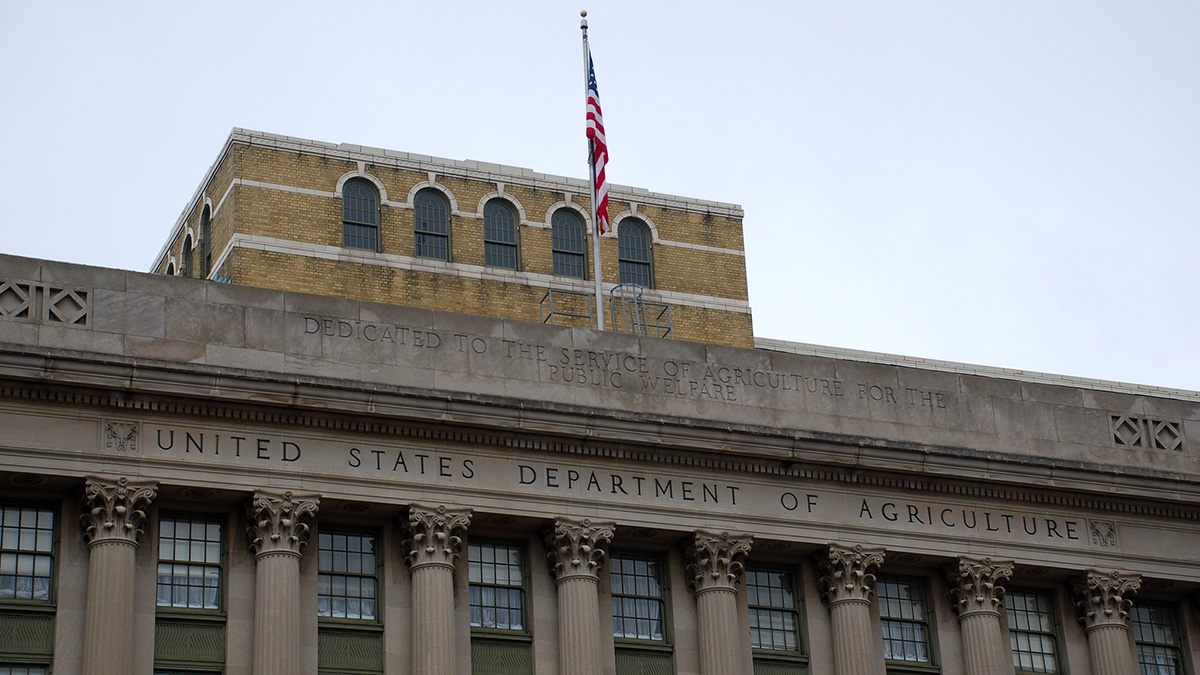
Judge Stops USDA’s Radical Restructuring, For Now
A judge ruled that the U.S. Department of Agriculture can’t move forward with its efforts to relocate thousands of employees and close U.S. Forest Service regional offices.
Posted inResearch & Developments
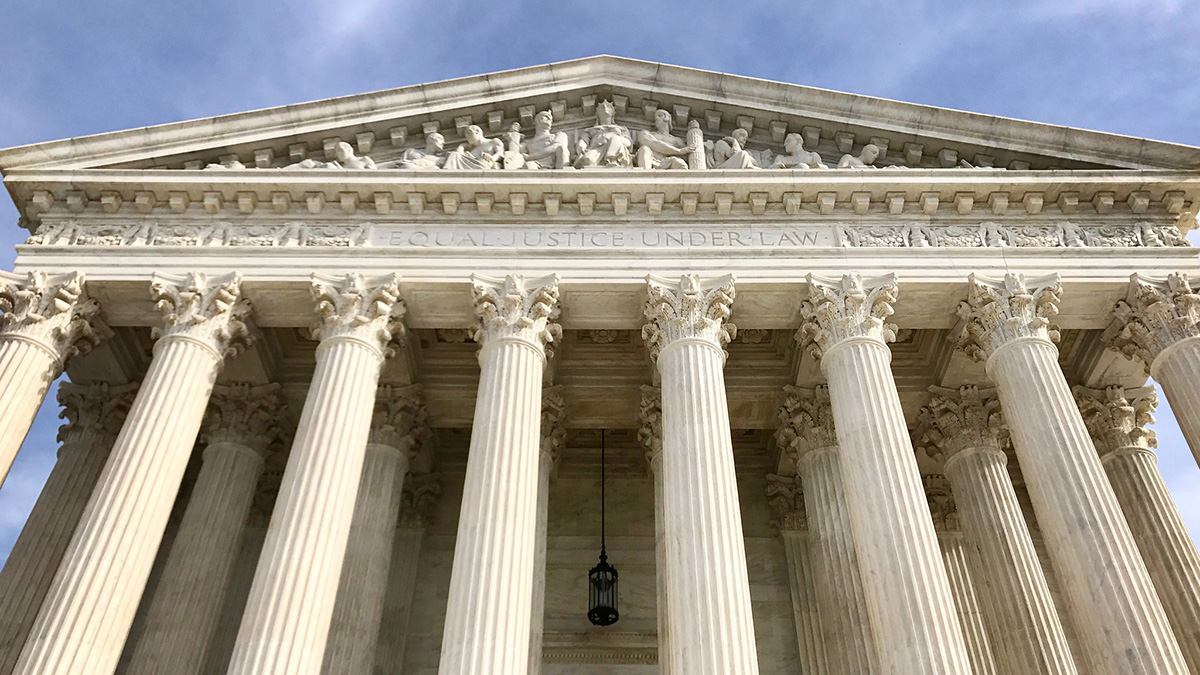
Supreme Court Opens New Term with Major Climate Case
The U.S. Supreme Court opened its newest term by hearing a case about climate change, the outcome of which could have wide-reaching consequences for fossil fuel companies and state and local governments.

Posted inResearch & Developments
A Redefinition of “Emergency Management” Could Upend FEMA’s Mission
Last week, FEMA administrator Cameron Hamilton issued a memorandum outlining the agency’s scope and essentially redefining “emergency management.”
Posted inNews
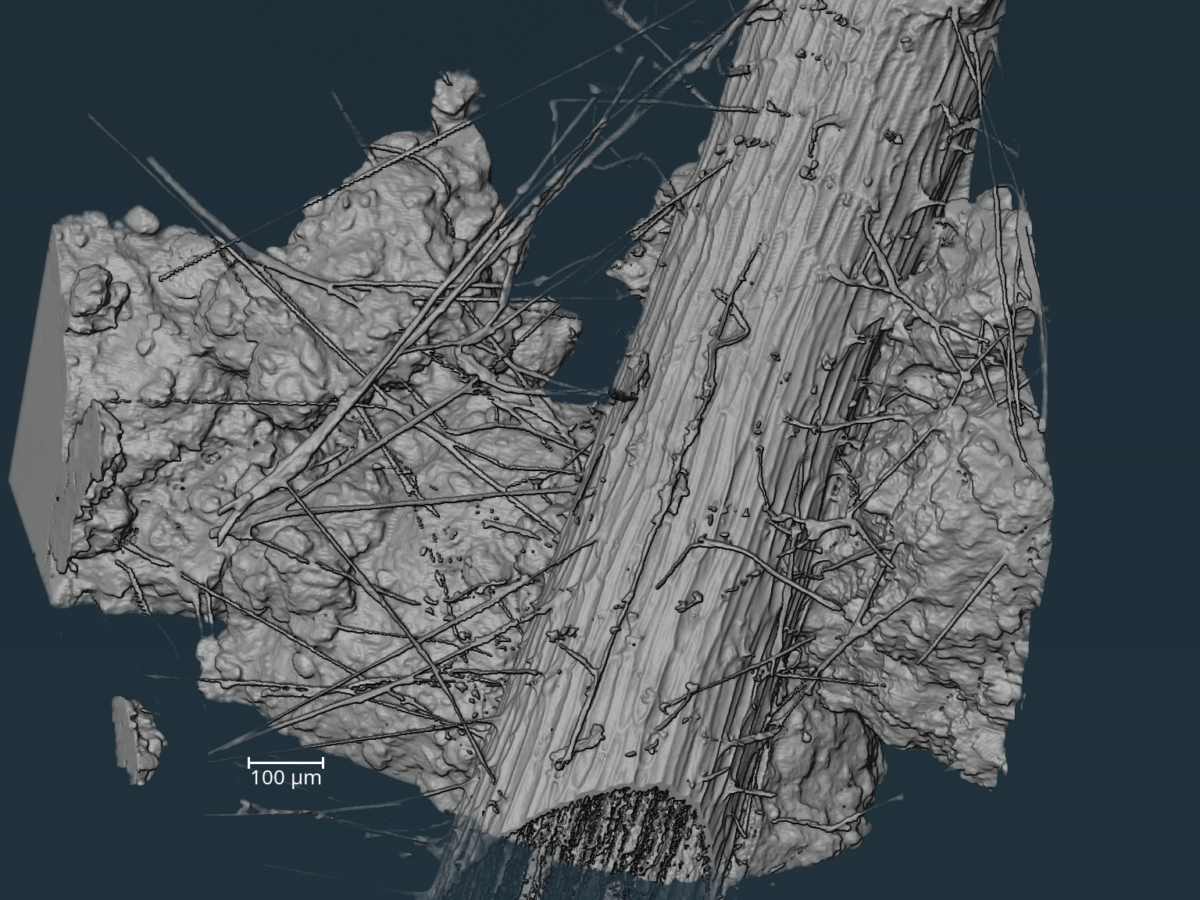
Fungi Are Holding the Food Web Together. New Research Images This Underground Network.
By combining computer tomography—the same technology used for medical scans—with a high-powered particle accelerator, researchers have imaged the network of roots, fungal structures, and soil together in their natural environment.
Posted inResearch & Developments
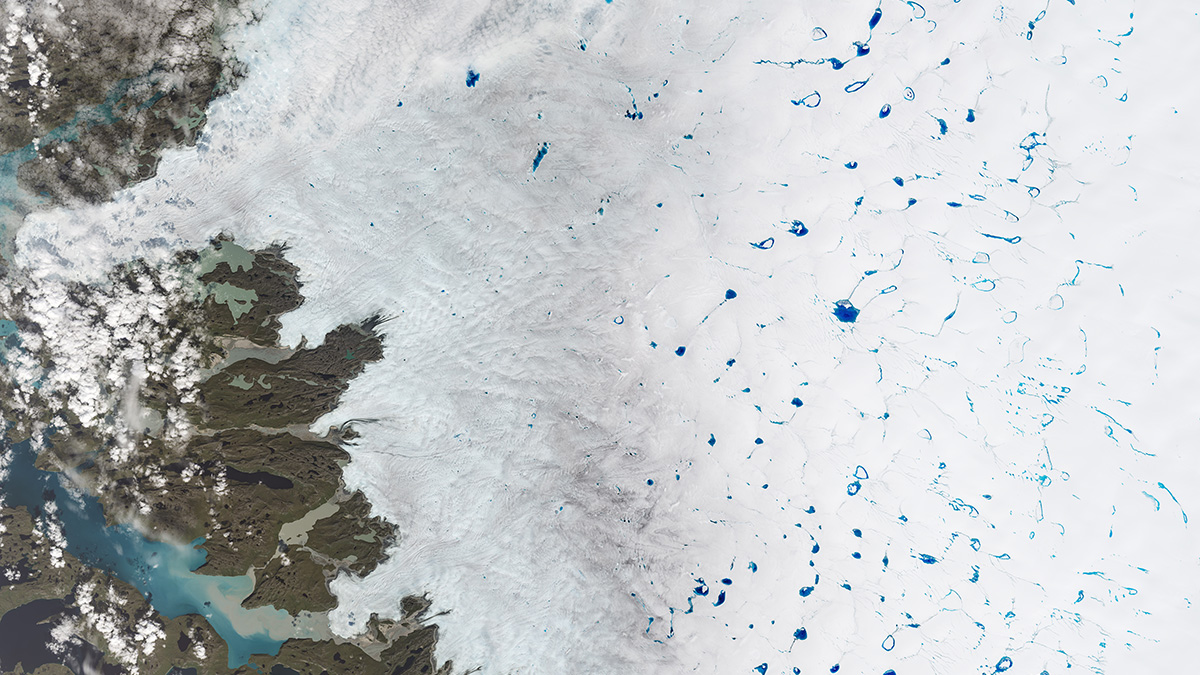
We’ve Lost 11 Trillion Metric Tons of Ice Since the 1980s
Researchers have calculated that Greenland and Antarctica have lost 11 trillion metric tons of ice since the 1970s, which has led to a global rise in sea level of more than 3 centimeters.
Posted inResearch & Developments
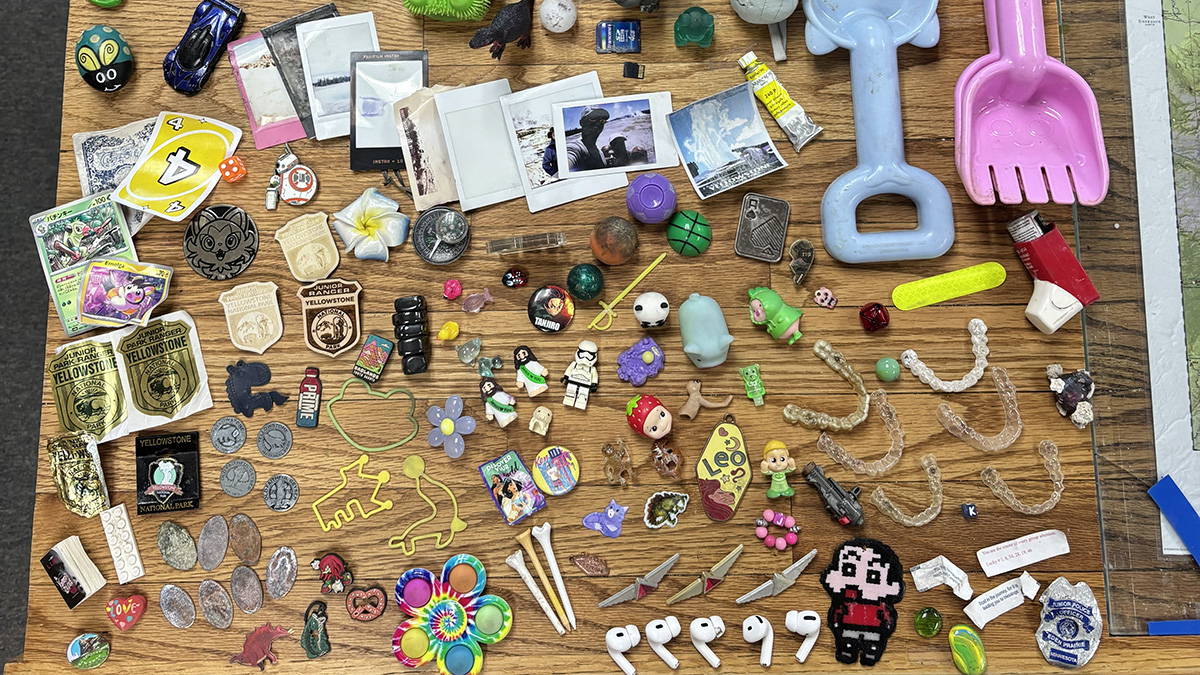
11 Things Park Staff Found in Yellowstone’s Hydrothermal Areas this Summer
Geology Program staff recovered a record-setting 20,000+ pieces of trash, 5,600 rocks and sticks, and nearly 300 hats from the park’s hydrothermal areas this year.

Posted inResearch & Developments
EPA Moves to Redefine “Discharge of a Pollutant”
The EPA is proposing a change to the definition of “discharge of a pollutant” that would exempt moving boats and ships from pollution regulations.
Posted inResearch & Developments
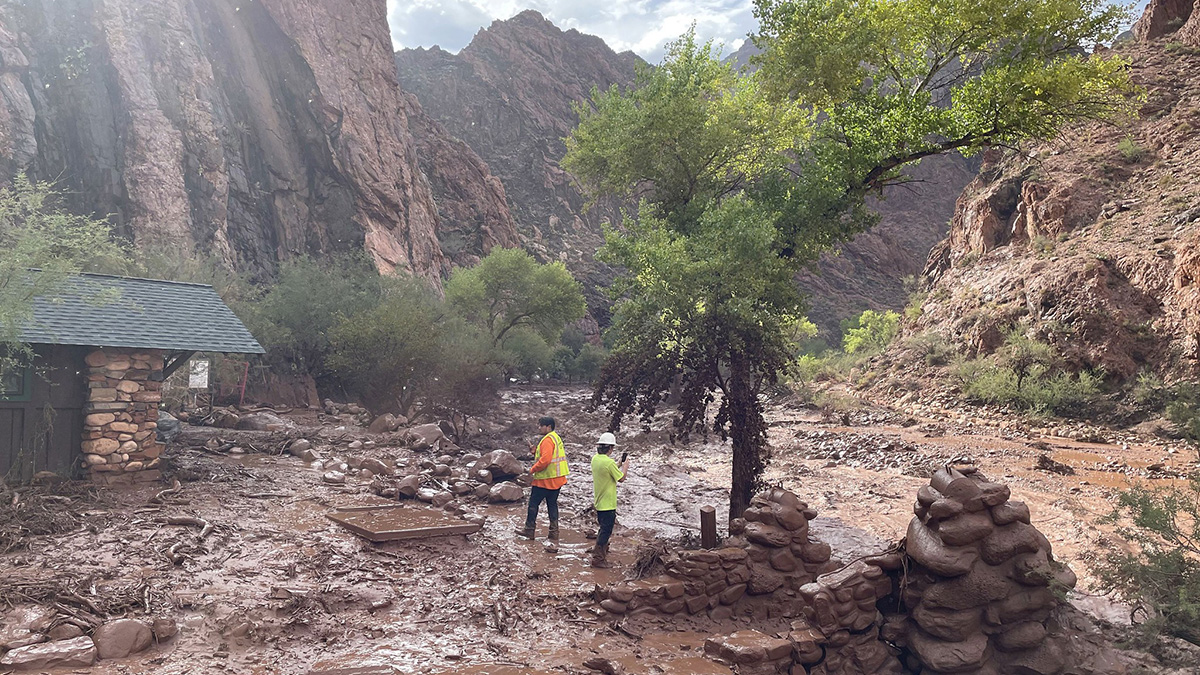
Why Did the Grand Canyon Flood?
Last weekend, flash flooding in the Grand Canyon killed two, left one missing, and forced dozens to evacuate. On Monday, the National Park Service shared that approximately 40% of the Transcanyon Waterline—the national park’s only water pipeline—had been damaged or destroyed.