


A growing body of evidence indicates that factors such as rising temperatures and extreme weather are contributing to what some researchers have called “the slow pandemic.”

Emily Gardner
Emily Gardner, née Dieckman joined Eos as an associate editor in 2023, after nearly 6 years writing and editing at the University of Arizona College of Engineering. She has also won awards for her coverage of culture, human interest, and science stories at the Tucson Weekly. Her degrees are in journalism and sociology.
Posted inNews
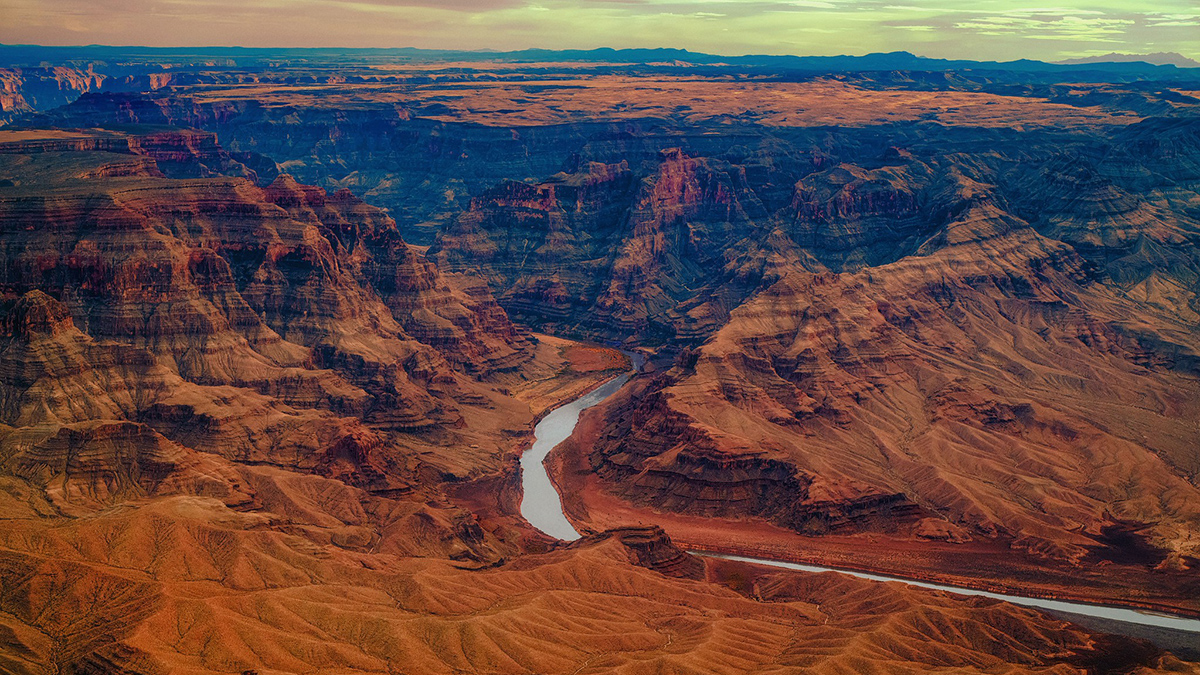
The Colorado River Basin Is Running Out of Water. Not Everyone Is Happy with the Government’s Suggested Solution.
Though overallocation is one reason the river is shrinking, reduced snowpack and increased evaporation caused by climate change are also contributing factors.

Posted inResearch & Developments
Narwhals Dive Deep to Help Scientists Research the Warming Arctic
Scientists come in all shapes and sizes. Sometimes, that shape is a blubbery 1,000-kilogram whale with a 2-meter tusk.
Posted inResearch & Developments
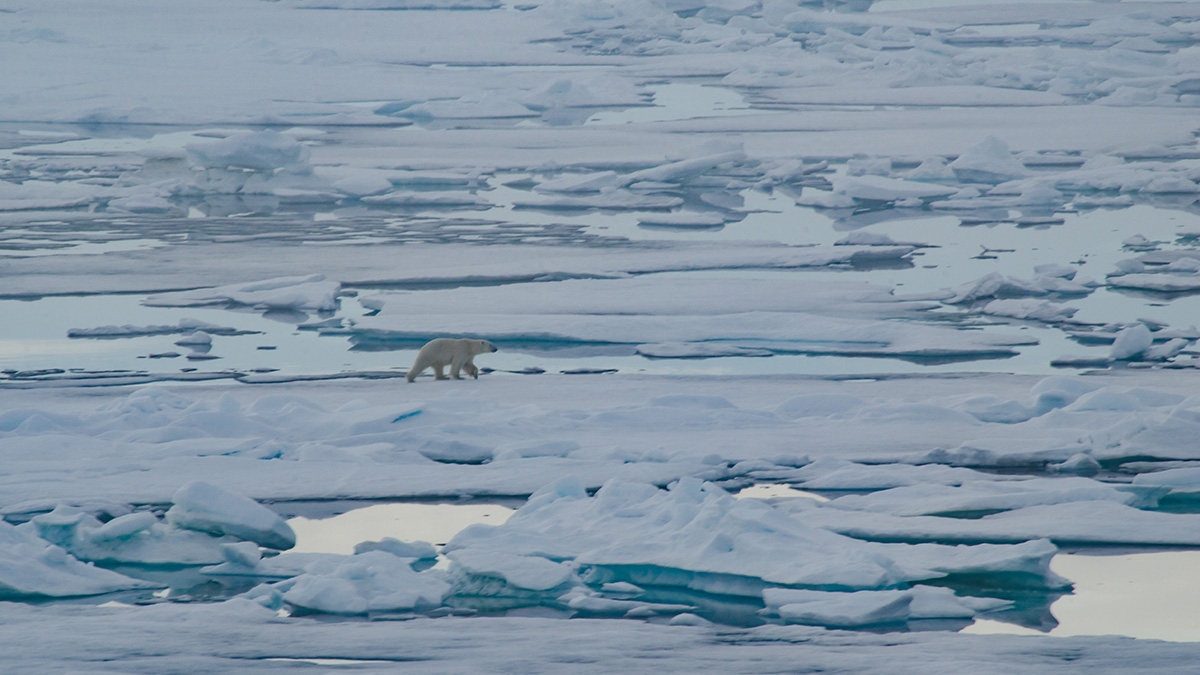
Government Pulls Funding for the Arctic Report Card

The Trump administration is pulling funding from NOAA’s Arctic Report Card, an annual, peer-reviewed report about the state of the region, which is warming more quickly than anywhere else on Earth.
Posted inUncategorized
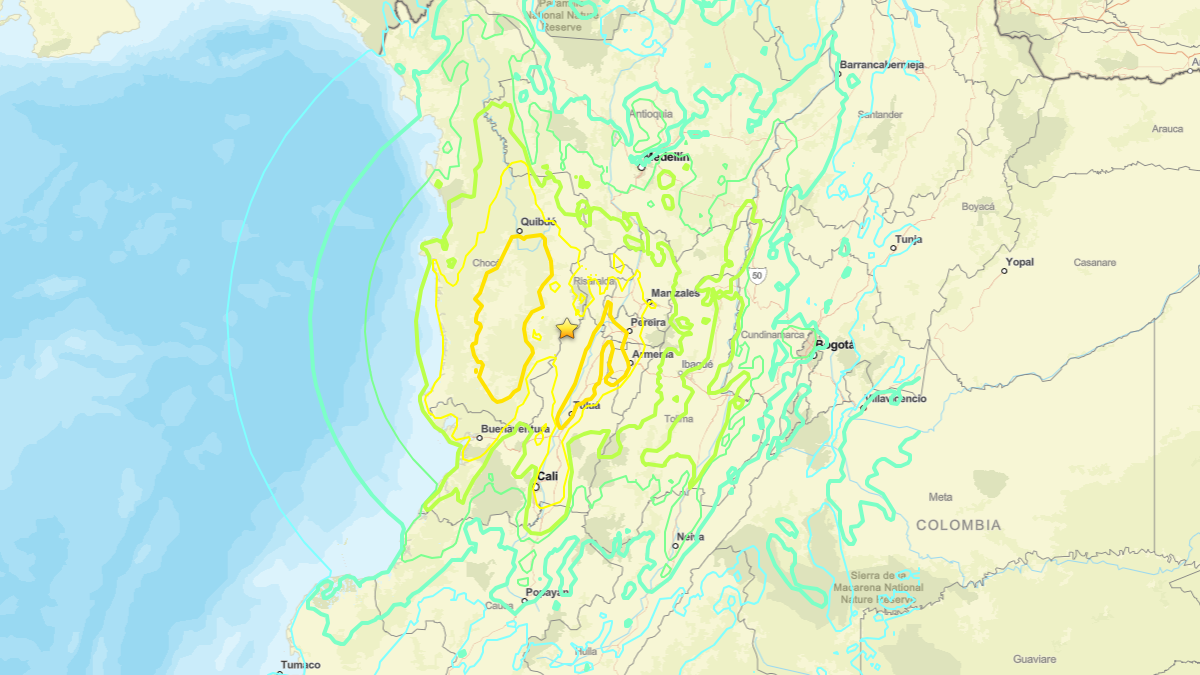
Magnitude 7.4 Earthquake Hits Colombia, Latest on the Ring of Fire
Western Colombia was struck by a magnitude 7.4 earthquake this morning at 7:34 a.m. local time.

Posted inAGU News
Work-Life Balance
These 10 scientists carry their curiosity outside their nine-to-fives.
Posted inFeatures
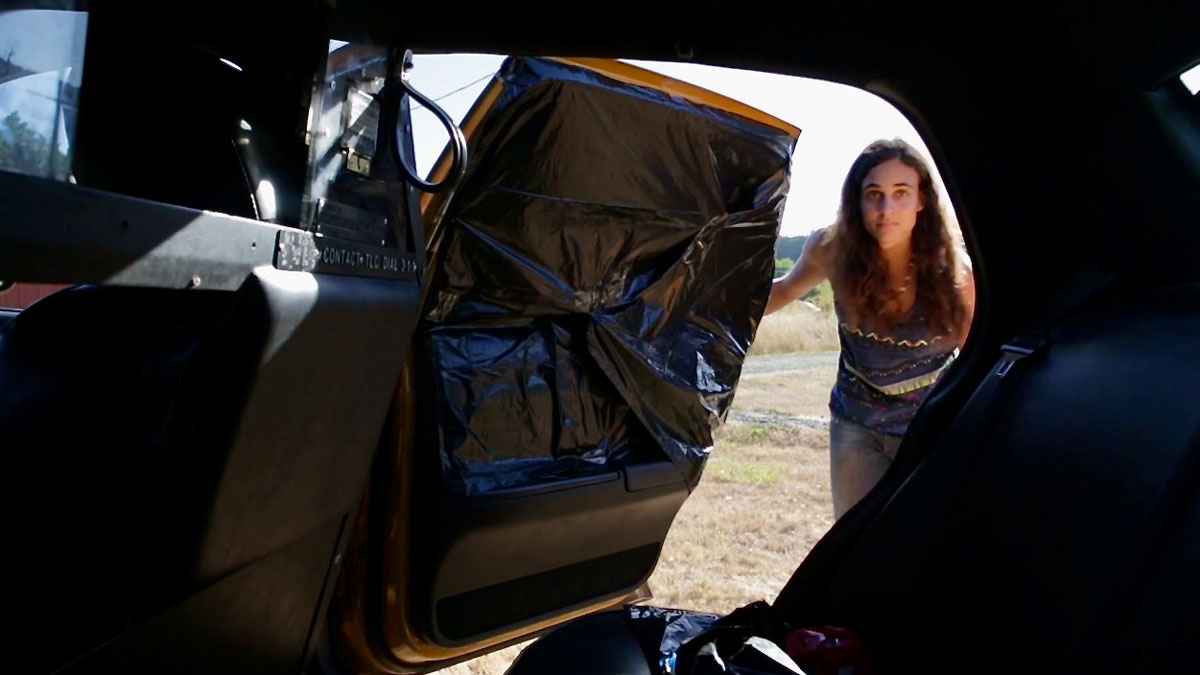
Maoya Bassiouni: Curiouser and Curiouser
Growing up, this art lover had no idea she would someday become a scientist. Today, her curiosity is helping explore the intersection of atmospheric data and immersive art.
Posted inResearch & Developments
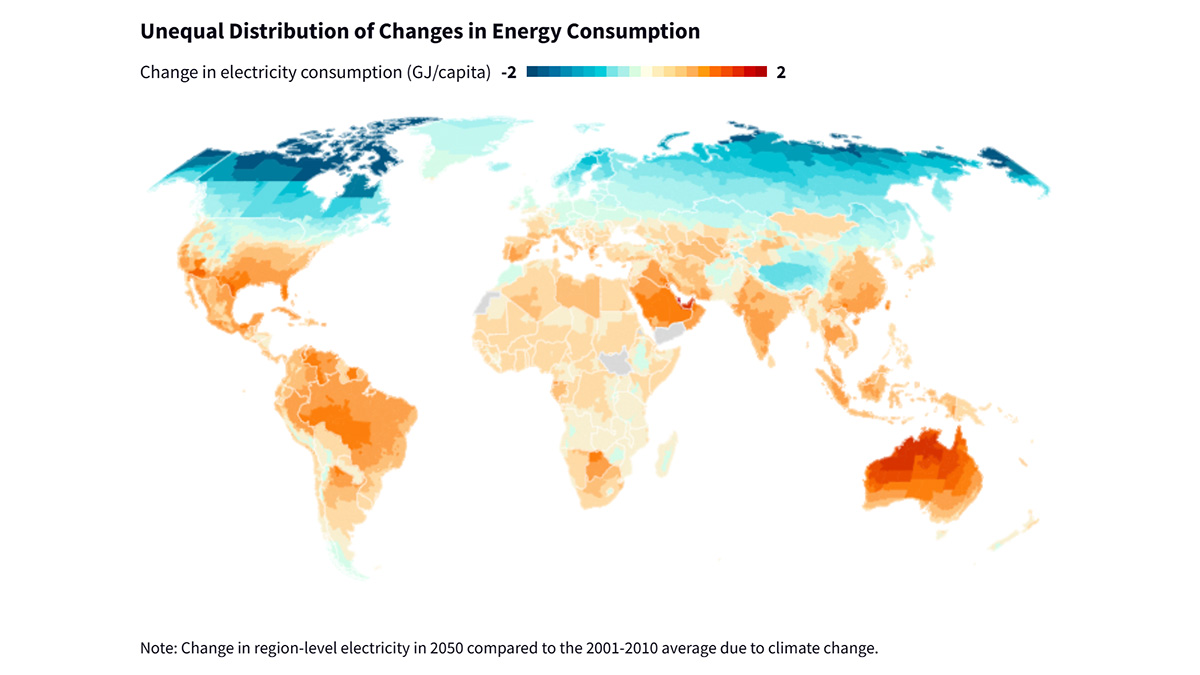
A Changing Climate Will Lead to More AC in Wealthier Countries, and More Deaths in Poor Ones, New Report Suggests
A new report finds that the regions most affected by extreme heat are also the regions least likely to have increased levels of electricity to power the air conditioning that might provide relief.
Posted inResearch & Developments
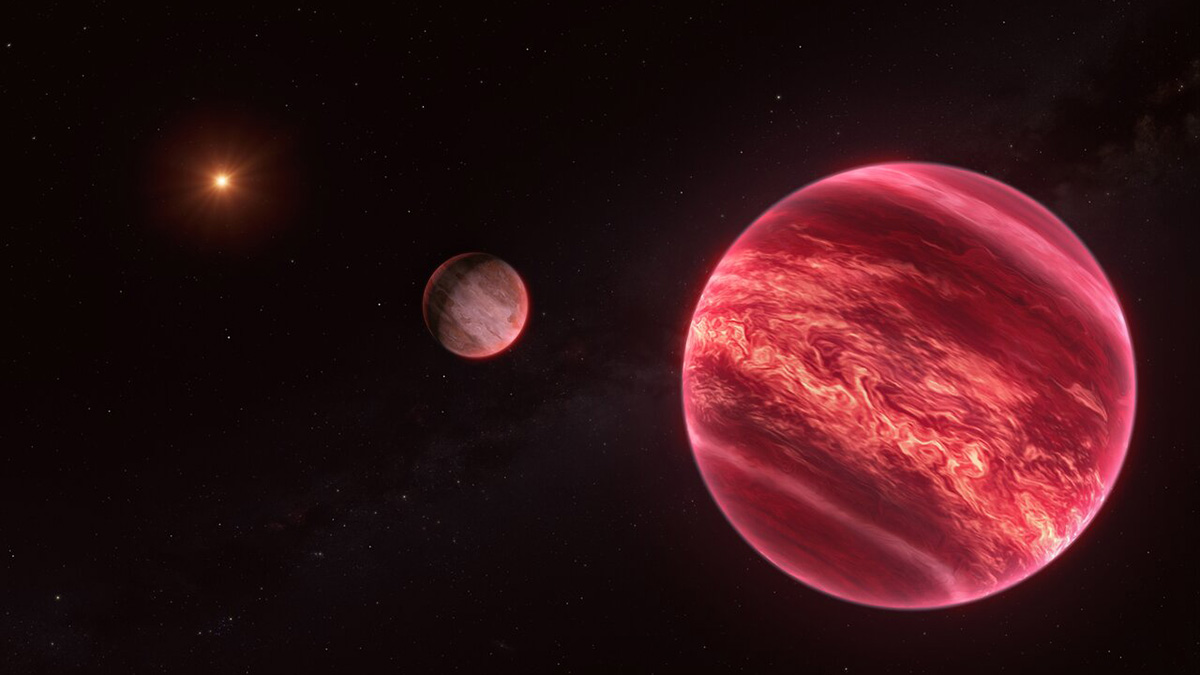
Scientists Might Have Detected the First Moon Outside Our Solar System… It Just Depends How You Define “Moon.”
What exactly is a moon? It’s an existential question lunar researchers found themselves pondering when they discovered an exosatellite at least 90% the size of Jupiter, orbiting a brown dwarf in a solar system about 73 light-years away from Earth.
Posted inNews
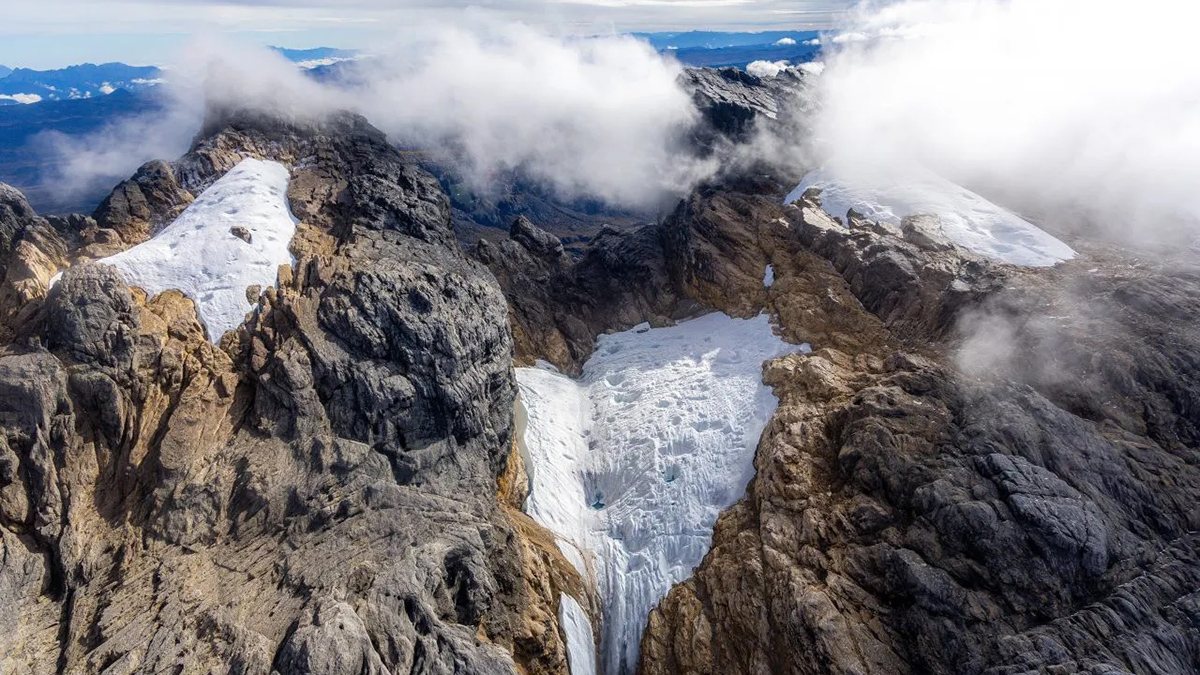
The “Eternity Glaciers” Are Almost Gone
The equatorial glaciers atop Puncak Jaya, Oceania’s tallest peak, have shrunk by about 95% since 2002, according to a new photogrammetry mapping effort.