• About
  • Special Reports
  • Topics
    • Climate
    • Earth Science
    • Oceans
    • Space & Planets
    • Health & Ecosystems
    • Culture & Policy
    • Education & Careers
    • Opinions
  • Projects
    • Postcards From the Field
    • ENGAGE
    • Editors’ Highlights
    • Editors’ Vox
    • Eos en Español
    • Eos 简体中文版
    • Print Archive: 2015–2025
  • Policy Tracker
  • Blogs
    • Research & Developments
    • The Landslide Blog
  • Newsletter
  • Submit to Eos
  • AGU.org
  • Career Center
  • Join AGU
  • Give to AGU
  • About
  • Special Reports
  • Topics
    • Climate
    • Earth Science
    • Oceans
    • Space & Planets
    • Health & Ecosystems
    • Culture & Policy
    • Education & Careers
    • Opinions
  • Projects
    • Postcards From the Field
    • ENGAGE
    • Editors’ Highlights
    • Editors’ Vox
    • Eos en Español
    • Eos 简体中文版
    • Print Archive: 2015–2025
  • Policy Tracker
  • Blogs
    • Research & Developments
    • The Landslide Blog
  • Newsletter
  • Submit to Eos
Skip to content
  • AGU.org
  • Career Center
  • Join AGU
  • Give to AGU
Eos

Eos

Science News by AGU

Support Eos
Sign Up for Newsletter
  • About
  • Special Reports
  • Topics
    • Climate
    • Earth Science
    • Oceans
    • Space & Planets
    • Health & Ecosystems
    • Culture & Policy
    • Education & Careers
    • Opinions
  • Projects
    • Postcards From the Field
    • ENGAGE
    • Editors’ Highlights
    • Editors’ Vox
    • Eos en Español
    • Eos 简体中文版
    • Print Archive: 2015–2025
  • Policy Tracker
  • Blogs
    • Research & Developments
    • The Landslide Blog
  • Newsletter
  • Submit to Eos

ENGAGE

Logs, sticks, and branches that washed up on the shores of Iceland are piled on a beach.
Posted inENGAGE, News

Melting Sea Ice May Mean the End of Driftwood in Iceland

Richard Sima, freelance science writer by Richard J. Sima 25 August 202224 March 2023

Driftwood floats thousands of kilometers from Siberia to Iceland, but it may drift no longer by 2060 due to climate change.

Black-and-white satellite image of a pit crater on the Moon.
Posted inENGAGE, News

Caves Offer Temperate Hope for Future Moon Exploration

by Stacy Kish 22 August 202224 March 2023

Large caves near the Moon’s equator maintain a temperate, stable daily temperature around 17°C.

Deepwater Horizon oil spill in the Gulf of Mexico, 2010
Posted inENGAGE, News

Ninety Percent of the World’s Oil Slicks Are Caused by Humans, Not Nature

by Katharine Gammon 19 August 202224 March 2023

Researchers were surprised to find exactly how many oil slicks were due to human activity, highlighting the need for people to pay attention to runoff and leaks.

Two young people riding aboard a boat pick through mud with their hands in search of meteorites.
Posted inENGAGE, News

Community Scientists Recover Micrometeorites from Lake Michigan

Katherine Kornei, Science Writer by Katherine Kornei 15 August 202224 March 2023

A team of scientists, educators, and teenagers discovered the objects, some of which may have been delivered by a fireball that streaked across the sky in 2017.

Cráteres en tierras deforestadas por minería ilegal en la tierra Indígena de Tenharim do Igarapé Preto, en el estado de Amazonas, Brasil.
Posted inENGAGE, News

La minería amenaza a las poblaciones Indígenas aisladas del Amazonas

by Meghie Rodrigues 5 August 202224 March 2023

Un proyecto de ley en el Congreso Brasileño permitiría la expansión minera en territorios Indígenas. Una nueva investigación demuestra cómo esto podría afectar radicalmente a los pueblos aislados.
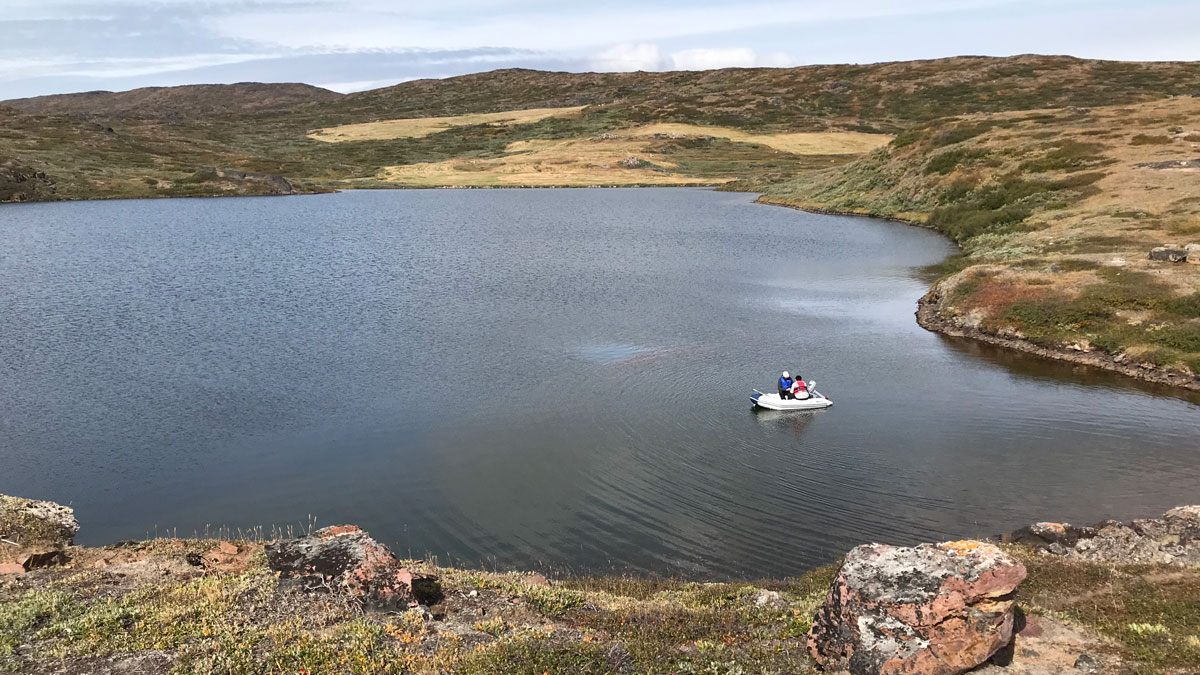
Scientists ride a boat on a lake in Greenland.
Posted inENGAGE, News

Evidence of Drought Provides Clues to a Viking Mystery

Korena Di Roma Howley, Science Writer by Korena Di Roma Howley 4 August 202224 March 2023

A persistent drying trend, not plunging temperatures, may have played a role in the unexplained disappearance of Norse settlers from Greenland, according to researchers.

Anesthesiologists can help reduce greenhouse gas emissions by replacing inhaled anesthetics with intravenous ones.
Posted inENGAGE, News

Should Inhaled Anesthetics Be Swapped for IVs?

by Robin Donovan 29 July 202224 March 2023

Using intravenous anesthetics instead of volatile ones could help curb greenhouse gas emissions, but there are challenges to making the switch.

Two train tracks cross and then bend to run parallel to each other at sunset.
Posted inAGU News, ENGAGE

The Career Issue: OK, But Explain “Anything”

Heather Goss, AGU Publisher by Heather Goss 25 July 202224 March 2023

Our second annual Career Issue examines how an education in the Earth and space sciences can lead to a multitude of rewarding paths.
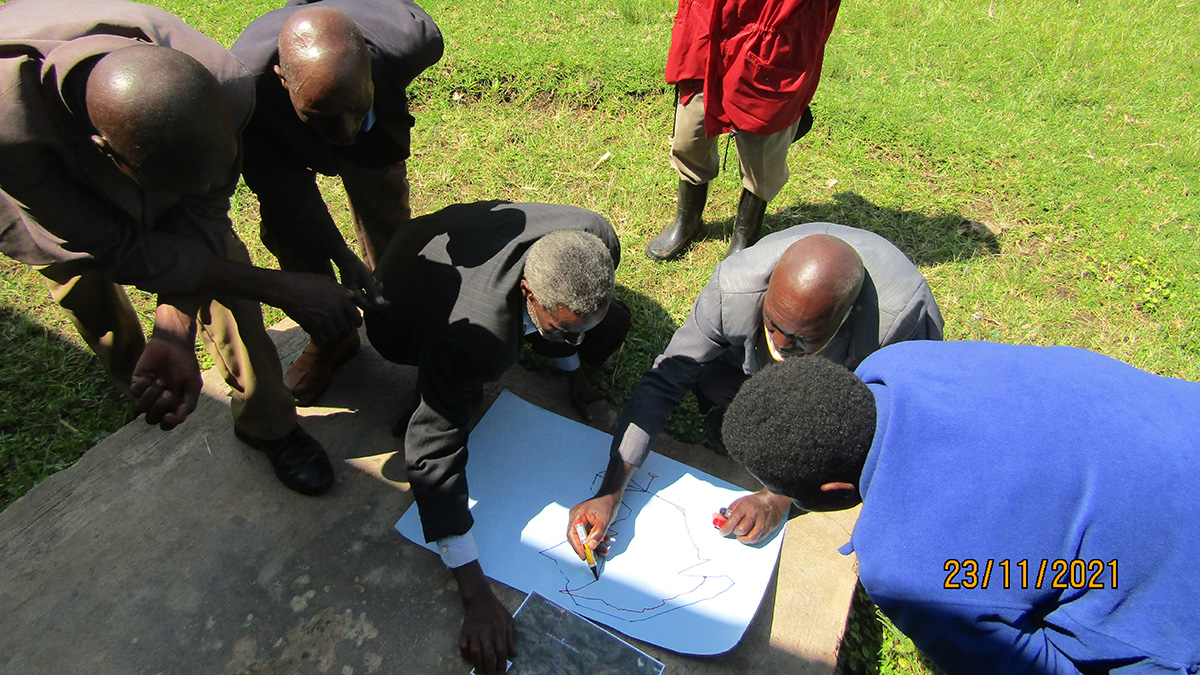
Senior citizens in a rural setting take part in a mapping workshop in Uganda’s Kigezi Highlands.
Posted inENGAGE, News

Community Science Project Helps Track Geohazard Risks in Uganda

by James Dacey 22 July 202227 March 2023

A community project in the Kigezi Highlands is helping to identify landslide and flooding hot spots and how the hazards are evolving.

Four-paneled figure, with the upper right panel showing Today Show coverage, with both the initial question directed to the @USGSVolcanoes Twitter account from user @JayFurr, “Is it safe to roast marshmallows over volcanic vents?” and the response, “Erm…we’re going to have to say no.” The upper left panel shows CNN coverage with an image of the eruption and the headline “USGS: ‘Please don’t roast marshmallows over lava.’” The lower left panel shows MSNCB coverage, which shows only the initial tweet. The lower right panel shows MSNBC’s parody of the NBC public service announcement graphic, in which, against the background of space filled with stars, the purple words “The S’more You Know” are underlined by a yellow shooting star.
Posted inENGAGE, News

Roosters, S’mores, and #EmergencyCute: A Humor-in-Crisis How-To

by Alka Tripathy-Lang 15 July 202227 March 2023

When natural hazards strike communities, we may not think science agencies should respond with humor. Researchers suggest that sometimes, however, humor can connect communities and bring smiles.

Posts pagination

Newer posts 1 … 11 12 13 14 15 … 26 Older posts
Over a dark blue-green square appear the words Special Report: The State of the Science 1 Year On.

Features from AGU Publications

Research Spotlights

Rapid-Scan Satellite Data Offer Clues to Typhoon Intensity

17 November 202617 November 2026
Editors' Highlights

Rethinking Where Rivers Begin

18 November 202616 November 2026
Editors' Vox

Bringing Python Solutions to Earth Science Challenges

19 November 202619 November 2026
Eos logo at left; AGU logo at right

About Eos
ENGAGE
Awards
Contact

Advertise
Submit
Career Center
Sitemap

© 2026 American Geophysical Union. All rights reserved Powered by Newspack