

New research on Mohonk Lake in New York investigates how changing ice phenology alters temperature dynamics in lakes.
Research Spotlights
Research spotlights are plain-language summaries of recent articles published in AGU’s suite of 24 journals.
Posted inResearch Spotlights
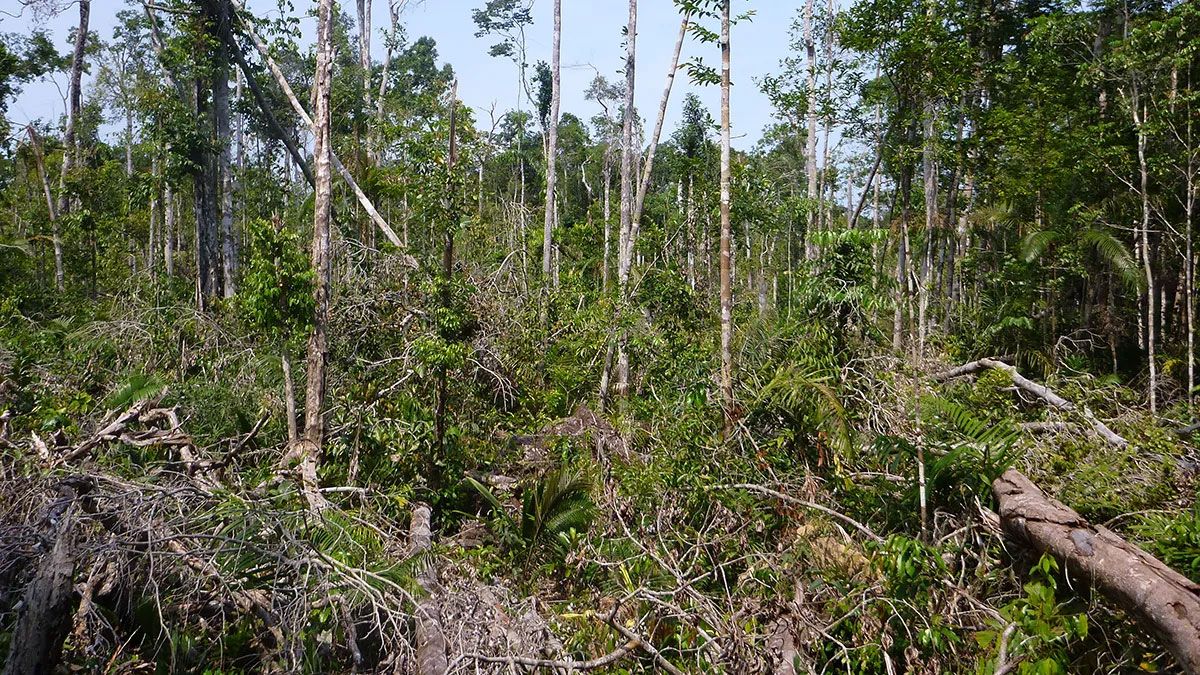
Las tormentas están tirando cada vez más árboles
La cantidad de árboles derribados por el viento ha incrementado casi cuatro veces en la región, probablemente por tormentas más fuertes.
Posted inResearch Spotlights
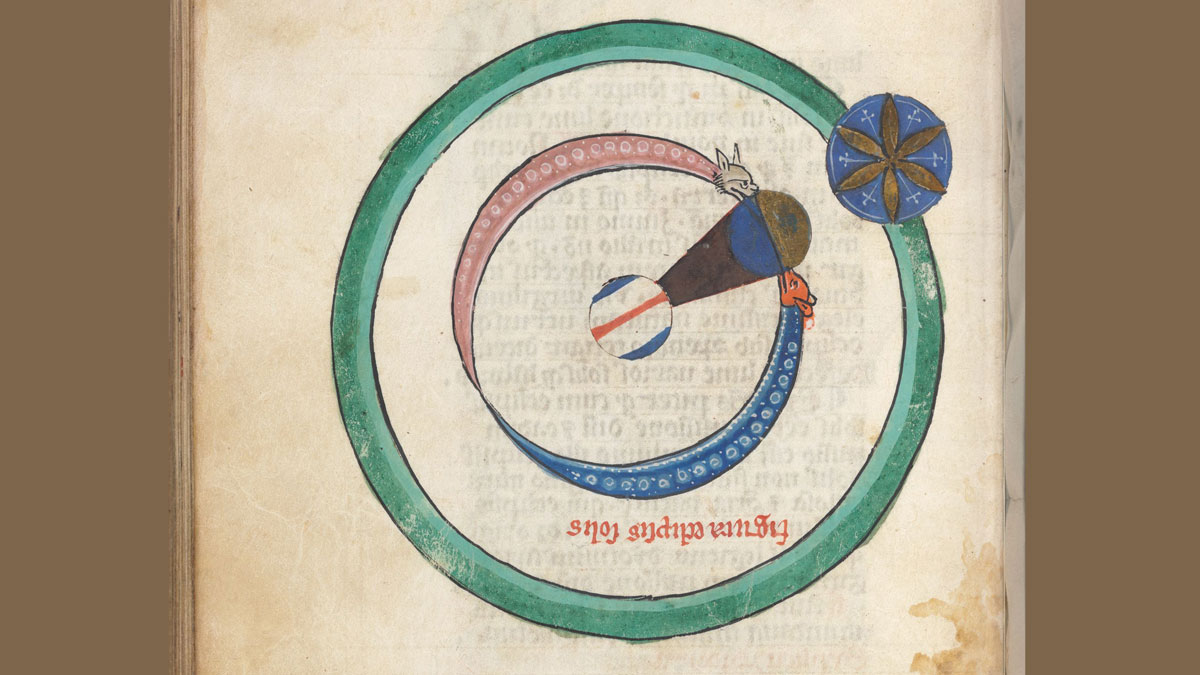
Core Movements Could Be Causing Tiny Shifts in Earth’s Spin Speed

Researchers use ancient eclipse data and new machine learning techniques to understand what processes changed the length of Earth’s days over the past 3,000 years.
Posted inResearch Spotlights
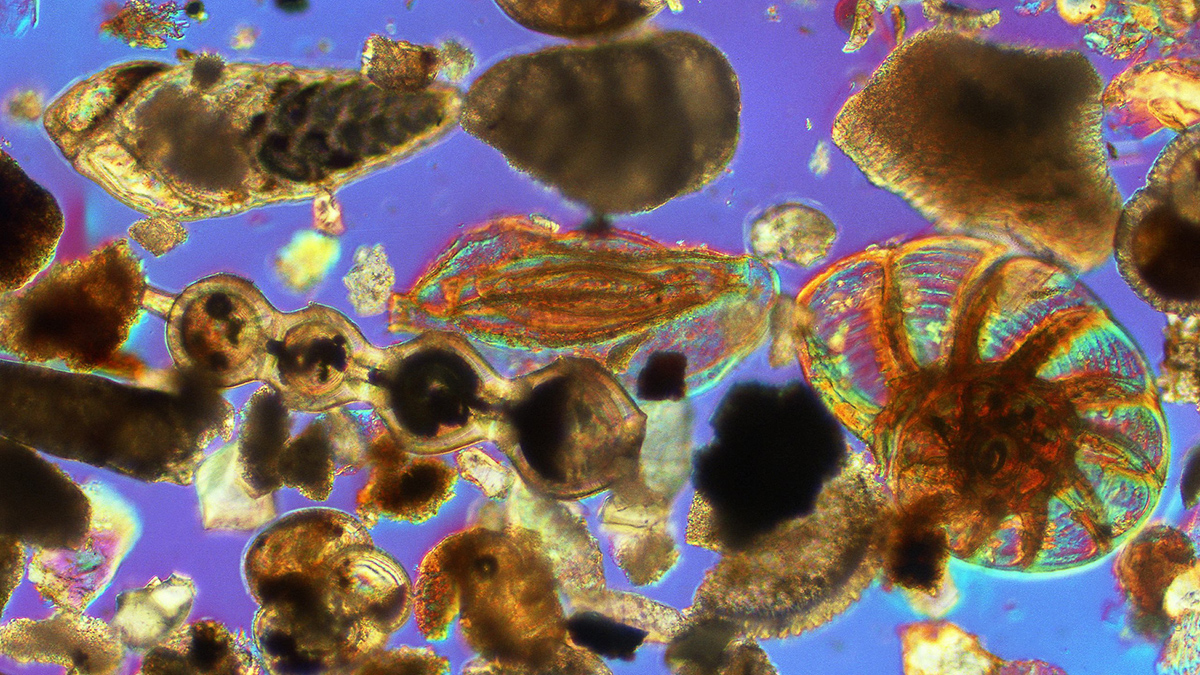
Getting to the Bottom of Cenozoic Deep-Ocean Temperatures

Reconstructing past ocean conditions with oxygen isotopes could provide more information about how Earth’s climate evolved over time, but methods for reconstructing these data can yield varying results.

Posted inResearch Spotlights
Seemingly Simple Climate Adaptation Strategy Could Backfire
Reflecting sunlight can protect a neighborhood from scorching temperatures, but surrounding neighborhoods could suffer as a result.
Posted inResearch Spotlights
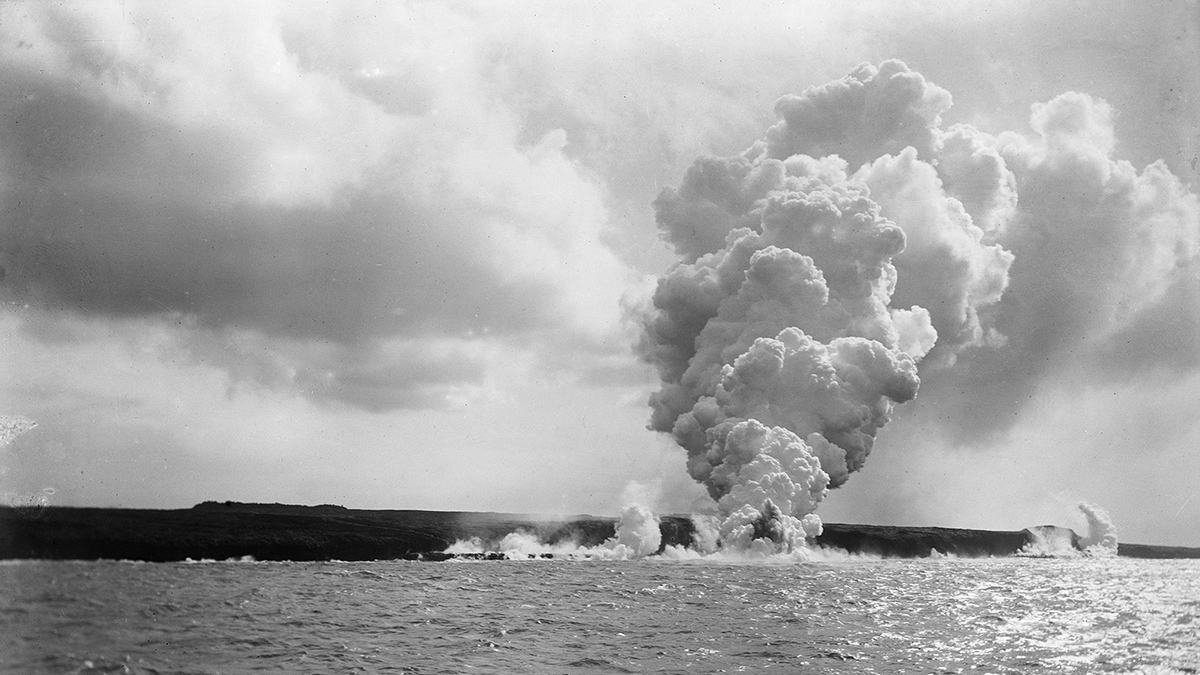
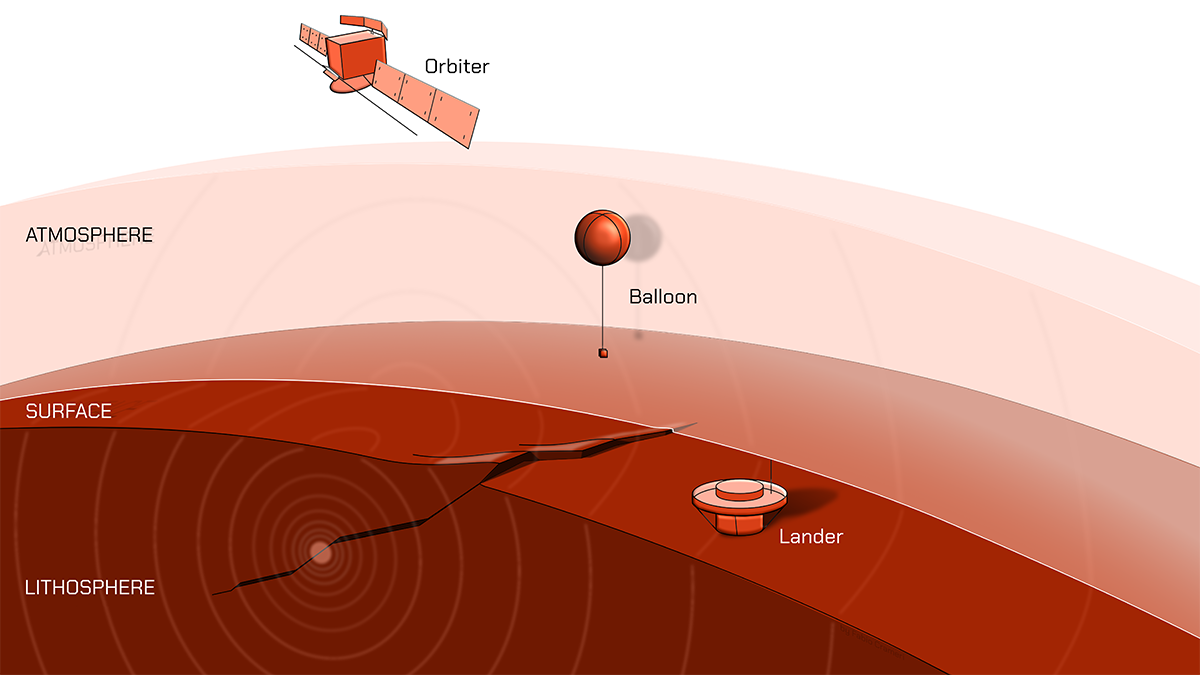
Three Ways to Track Venusquakes, from Balloons to Satellites
The planet’s harsh conditions make studying seismicity challenging, but it is likely possible.
Posted inResearch Spotlights
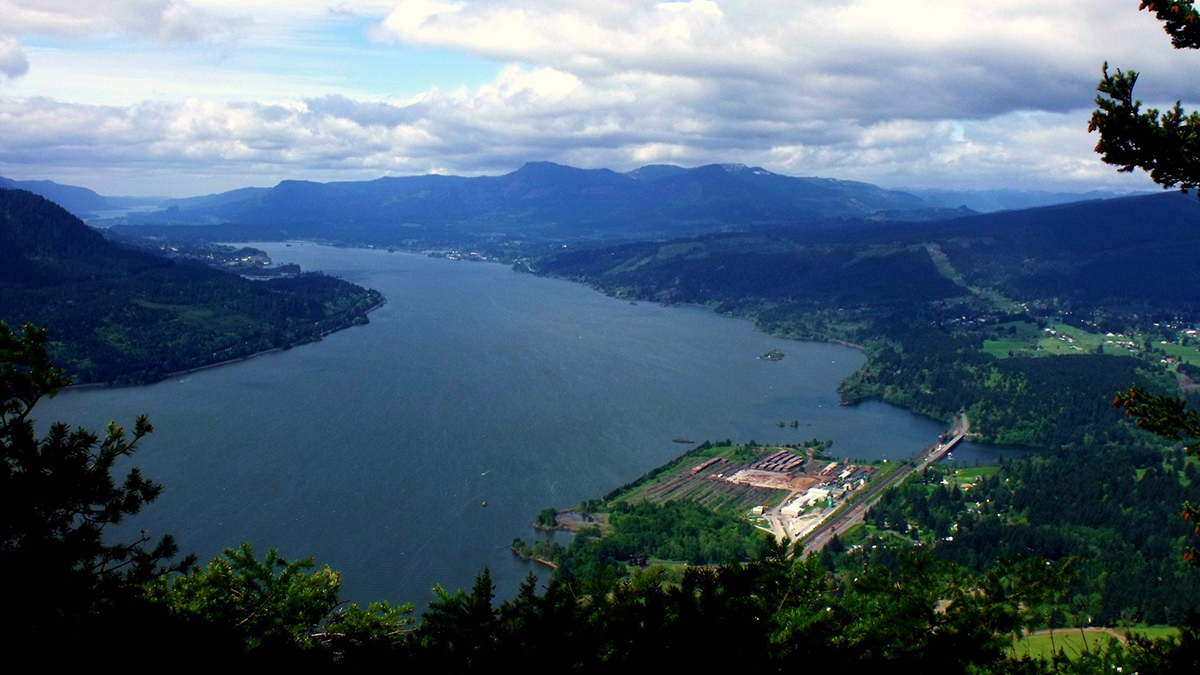
New Insight into Inland Water Carbon Dioxide Emissions
A process-based modeling technique reveals surprising information about carbon emissions from rivers, lakes, and reservoirs across the contiguous United States.

Posted inResearch Spotlights
Dry Heat, Wet Heat, and Wetland Methane Emissions
Compound weather events—such as extreme cold or heat combined with severe dryness or precipitation—have a greater effect on wetland methane emissions than discrete weather extremes do.
Posted inResearch Spotlights
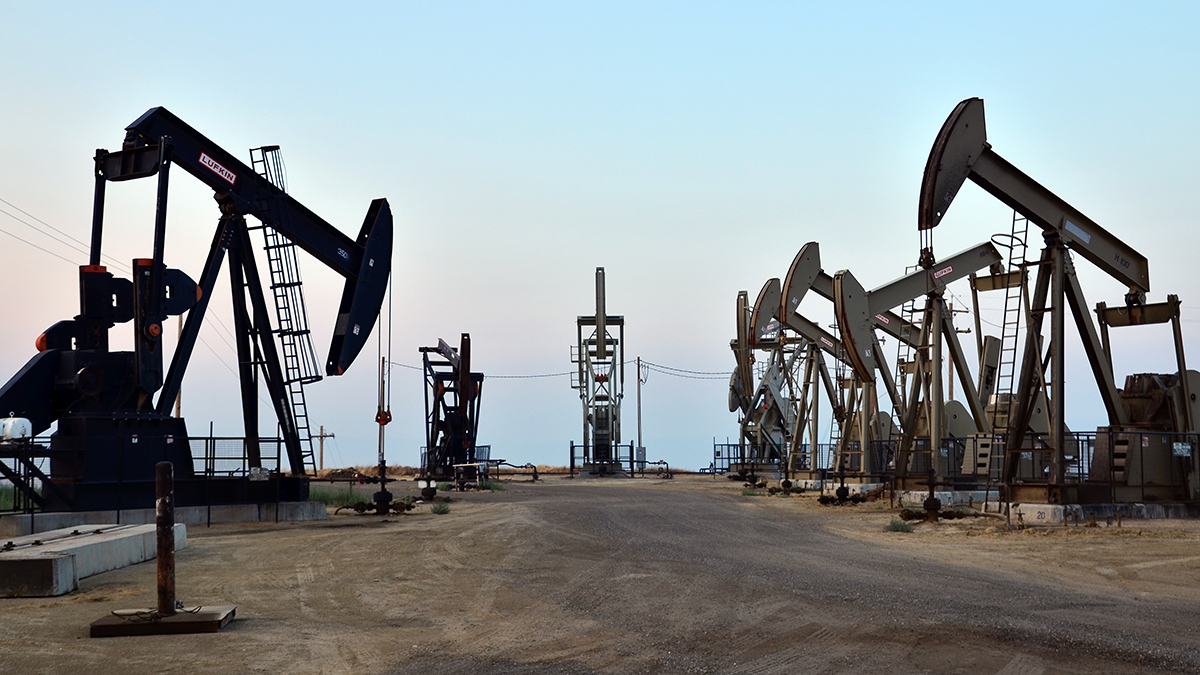
Oil, Gas, and COVID-19
Early in the pandemic, people living near oil and gas wells experienced higher rates of COVID-19 and related mortality compared with those with no exposure to well pollution.