


GRACE-FO卫星上基于激光的仪器可以扩展到其他地球物理应用,用来收集地球系统中月内时间尺度上的质量变化的数据。
Research Spotlights
Research spotlights are plain-language summaries of recent articles published in AGU’s suite of 24 journals.

Posted inResearch Spotlights
Paired Gas Measurements: A New Biogeochemical Tracer?

A technique that measures the ratio of carbon dioxide produced to oxygen consumed could improve predictions of soil’s response to climate change.
Posted inResearch Spotlights
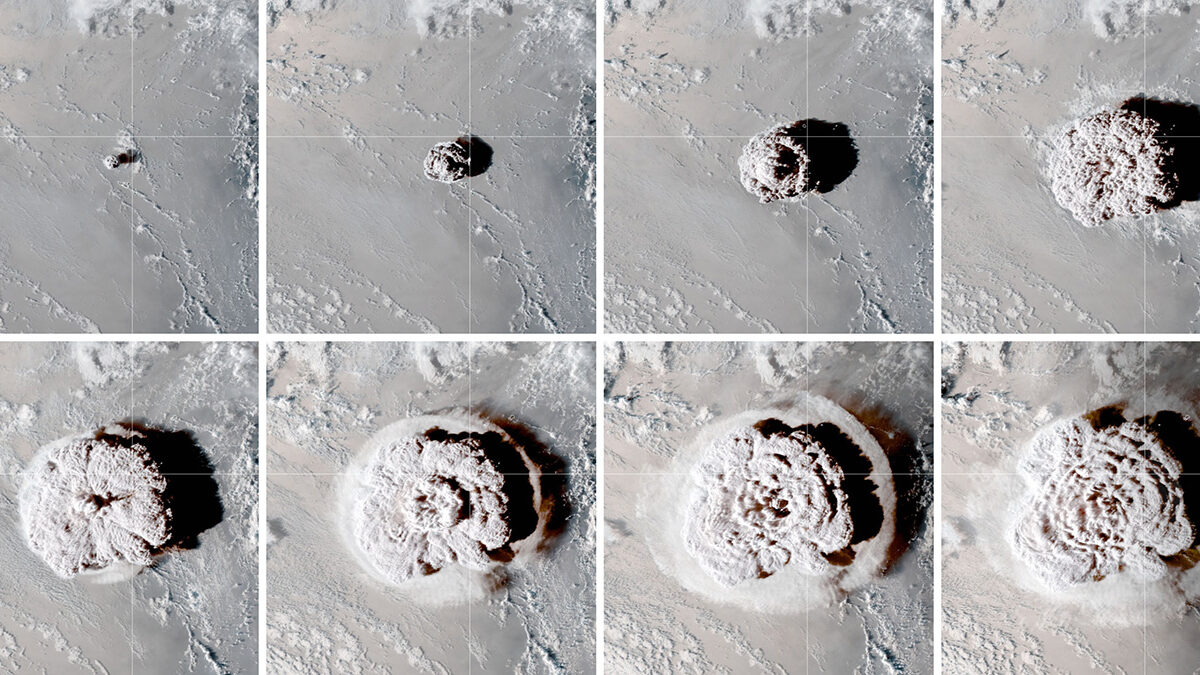
Tonga Eruption Made Waves in Earth’s Ionosphere
The blast from Hunga Tonga–Hunga Ha’apai produced far-reaching ionospheric disturbances, including one with an initial speed up to 950 meters per second.

Posted inResearch Spotlights
Estimando la frecuencia e intensidad las olas de calor: Un caso de estudio en Chicago
Modelado numérico mostró los impactos extendidos de la ola de calor del 2012 en Chicago, clarificando los impactos de la ola de calor y la isla de calor urbana en la temperatura de la ciudad.
Posted inResearch Spotlights
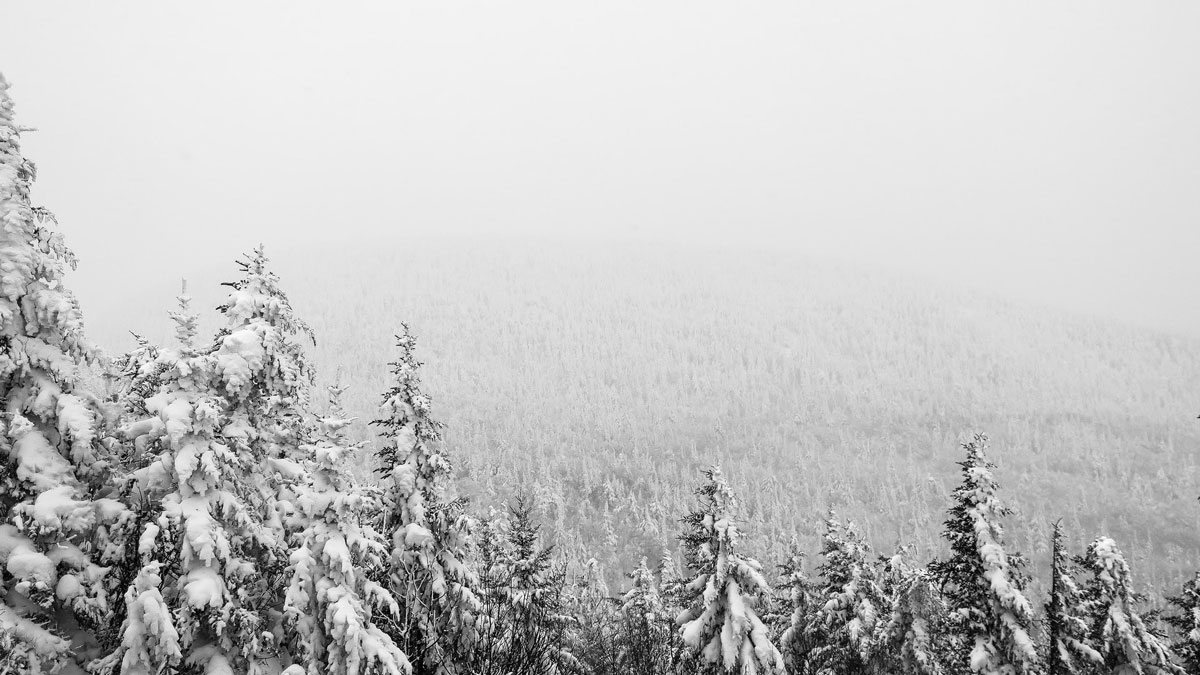
Trees Wearing Accelerometers Help Track Snowstorms
This device allows scientists to measure how much snow is trapped in canopies and predict changes to snowpack—a critical factor in annual water availability.

Posted inResearch Spotlights
Hidden Upwelling Systems May Be Overlooked Branches of Ocean Circulation
New research suggests that overlooked upwelling systems in western boundary currents play a role in transporting nutrients, carbon, and heat in the global ocean.


Posted inResearch Spotlights
Lightning Had Difficulty Forming in Early Earth’s Atmosphere
Lightning could have sparked the beginnings of life, but the primordial atmosphere might have made it more difficult for lightning to initiate.

Posted inResearch Spotlights
Testing a Machine Learning Approach to Geophysical Inversion
Variational autoencoders can be leveraged to provide an effective method of inversion that is both accurate and computationally efficient.

Posted inResearch Spotlights
Tree Rings Reveal a Puzzling Trend in Monsoon Intensity
Tree rings confirm that in northern Australia, the past 40 years have experienced more rain than any similar length of time in the past 600 years.