


As temperatures rise, tropical forests will become more stressed and photosynthesize less.
Research Spotlights
Research spotlights are plain-language summaries of recent articles published in AGU’s suite of 24 journals.

Posted inResearch Spotlights
Machine Learning Algorithms Help Scientists Explore Mars

Researchers applied machine learning algorithms to several distinct chemical compositions of Mars and suggest that these algorithms could be a powerful tool to map the planet’s surface on a large scale.

Posted inResearch Spotlights
Nonlinear Effects of Wind on Atlantic Ocean Circulation
Simulations reveal the influence of reduced and enhanced wind stress on the Atlantic Meridional Overturning Circulation.


Posted inResearch Spotlights
Health Impacts of Air Pollution from Australian Megafires
Models suggest that thousands of Australians experienced dangerous levels of air pollution for several months, leading to more than a hundred deaths.
Posted inResearch Spotlights
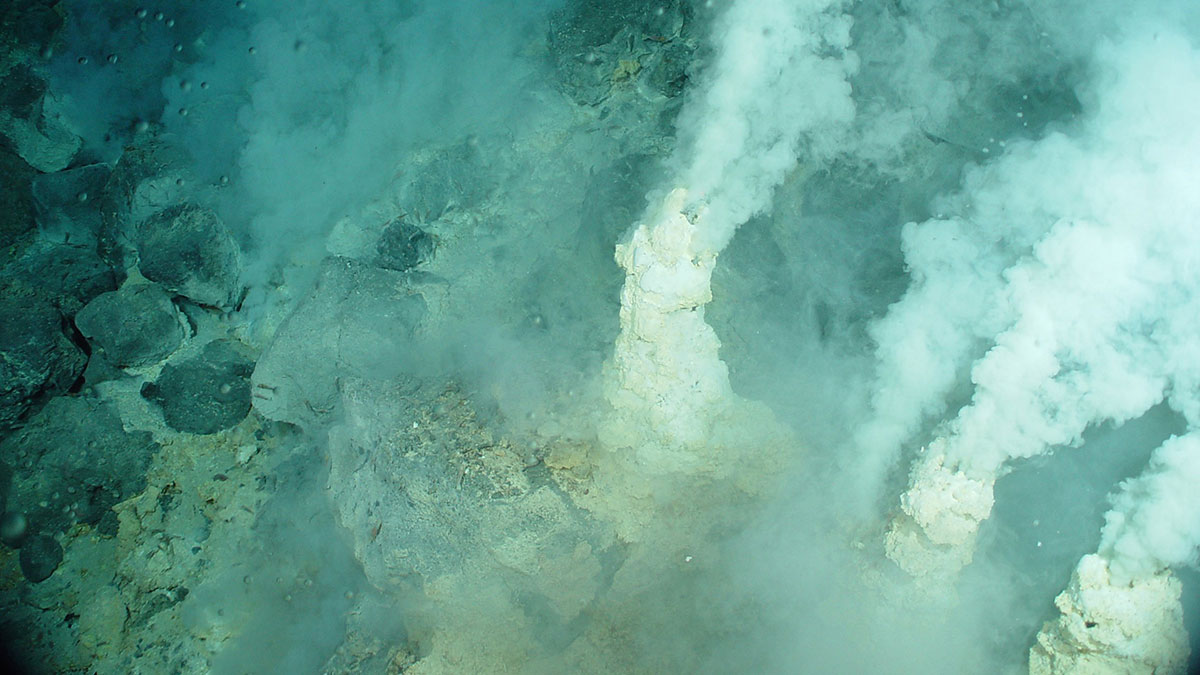
Hydrothermal Microbes Can Be Green Energy Producers

In ultramafic, reducing environments, forming microbial proteins can actually release energy.

Posted inResearch Spotlights
The AI Forecaster: Machine Learning Takes On Weather Prediction

A novel approach to weather forecasting uses convolutional neural networks to generate exceptionally fast global forecasts based on past weather data.

Posted inResearch Spotlights
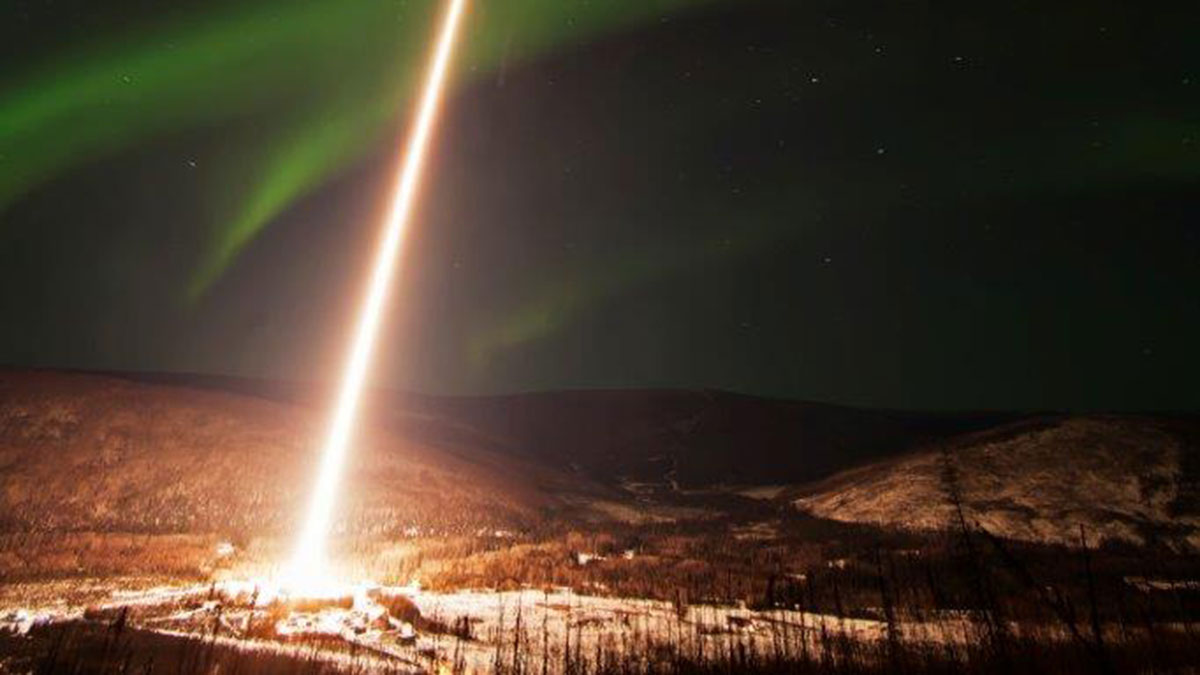
Converting Auroral Observations into 3D Structures
Using 1D and 2D data sources as model constraints yields fine-scale insights into real-world aurorae.

Posted inResearch Spotlights
The Perspective from Space Unlocks the Amazon Water Cycle
Satellite imaging and remote sensing offer unique insights into the Amazon’s complex hydrology. A new review summarizes decades of findings and charts a path forward for new remote sensing missions.