

Tiny magnetometers have turned your phone into a compass, and new research shows they are sensitive to geomagnetic storms.
2021 AGU
Posted inResearch Spotlights
A Well-Balanced Ecosystem Uses Water Most Efficiently

Excess of a single nutrient, such as nitrogen, may boost plant productivity, but the imbalance leads to less efficient water use as plants scramble for the nutrients they lack.
Posted inResearch Spotlights
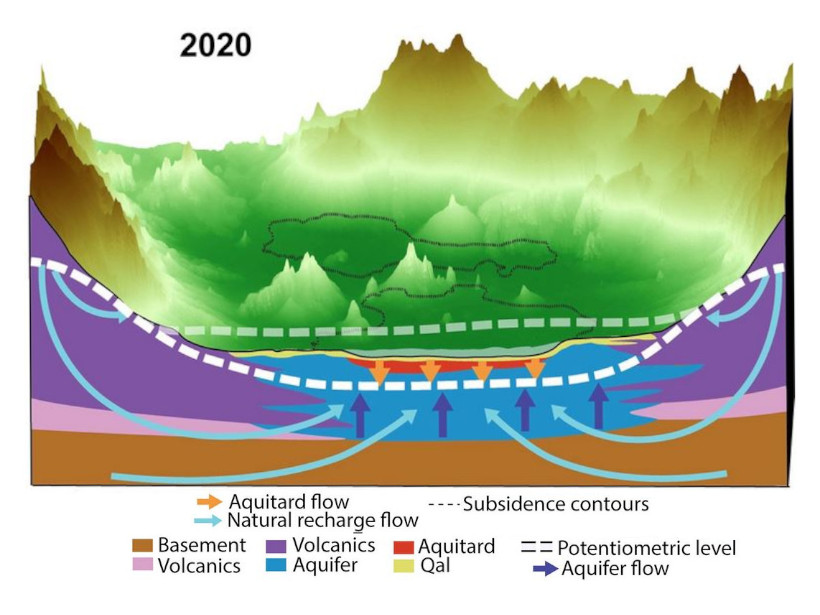
La inminente crisis del hundimiento del suelo en la Ciudad de México
Una nueva investigación revela la causa del rápido hundimiento y fracturación del suelo de la Ciudad de México.

Posted inResearch Spotlights
South Pole Ice Core Reveals History of Antarctic Sea Ice
Every summer, most of the sea ice near Antarctica melts away, but its saltiness leaves a permanent record that scientists can trace back for millennia.
Posted inResearch Spotlights
First Worldwide View of a Key Phytoplankton Proxy

New insights into the dynamics of ocean features known as deep chlorophyll maxima set the stage for better understanding of their role in carbon cycling.
Posted inResearch Spotlights
Convective Transport Explains “Missing” Ice near the Tropical Tropopause
Spaceborne lidar shows that more ice than expected is leaving the tropical tropopause layer in the atmosphere.

Posted inEditors' Vox
Plain Language Summaries Explained in Plain Language
Find out what a Plain Language Summary is, how to write an effective one, and how it benefits publications.
Posted inNews
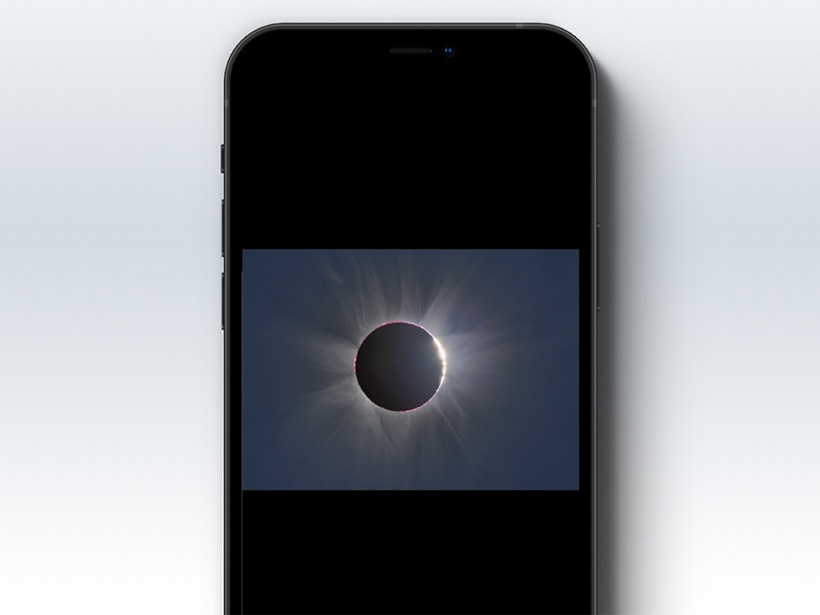
Making an Eclipse an Inclusive Multisensory Experience

New tools are helping make solar eclipse experiences and research accessible to people who are blind or low vision, communities often excluded from historically visually based sciences like astronomy.

Posted inResearch Spotlights
A 50,000-Year History of Current Flow Yields New Climate Clues
The first high-resolution historical record of Europe’s Glacial Eastern Boundary Current sheds new light on ocean circulation, ice sheet dynamics, and climate change.