• About
  • Sections
  • Topics
    • Climate
    • Earth Science
    • Oceans
    • Space & Planets
    • Health & Ecosystems
    • Culture & Policy
    • Education & Careers
    • Opinions
  • Projects
    • Postcards From the Field
    • ENGAGE
    • Editors’ Highlights
    • Editors’ Vox
    • Eos en Español
    • Eos 简体中文版
    • Print Archive: 2015–2025
  • Science Policy Tracker
  • Blogs
    • Research & Developments
    • The Landslide Blog
  • Newsletter
  • Submit to Eos
  • AGU.org
  • Career Center
  • Join AGU
  • Give to AGU
  • About
  • Sections
  • Topics
    • Climate
    • Earth Science
    • Oceans
    • Space & Planets
    • Health & Ecosystems
    • Culture & Policy
    • Education & Careers
    • Opinions
  • Projects
    • Postcards From the Field
    • ENGAGE
    • Editors’ Highlights
    • Editors’ Vox
    • Eos en Español
    • Eos 简体中文版
    • Print Archive: 2015–2025
  • Science Policy Tracker
  • Blogs
    • Research & Developments
    • The Landslide Blog
  • Newsletter
  • Submit to Eos
Skip to content
  • AGU.org
  • Career Center
  • Join AGU
  • Give to AGU
Eos

Eos

Science News by AGU

Support Eos
Sign Up for Newsletter
  • About
  • Sections
  • Topics
    • Climate
    • Earth Science
    • Oceans
    • Space & Planets
    • Health & Ecosystems
    • Culture & Policy
    • Education & Careers
    • Opinions
  • Projects
    • Postcards From the Field
    • ENGAGE
    • Editors’ Highlights
    • Editors’ Vox
    • Eos en Español
    • Eos 简体中文版
    • Print Archive: 2015–2025
  • Science Policy Tracker
  • Blogs
    • Research & Developments
    • The Landslide Blog
  • Newsletter
  • Submit to Eos

Authors who want CC-BY-NC 2015

Posted inResearch Spotlights

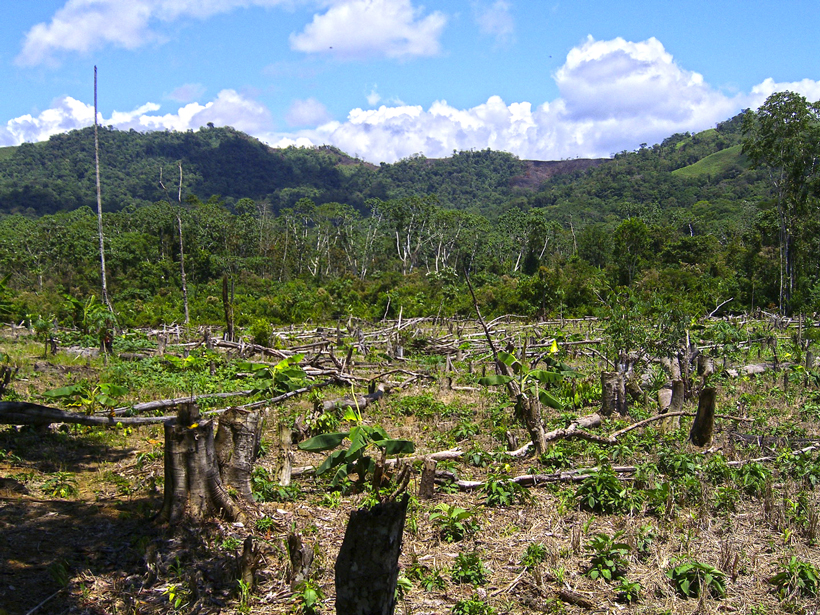
Could Amazonian Deforestation Increase Cloudiness and Rain?

by S. Palus 4 May 201529 April 2022

In trading trees for pastures, patchwork differences in vegetation heights increase cloudiness in downwind regions.

Posted inFeatures

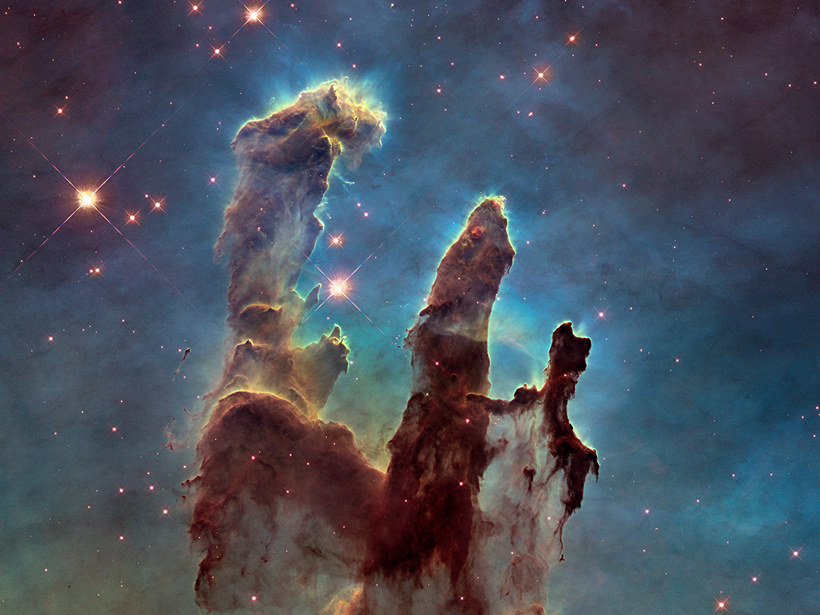
Hubble's Legacy: The Pillars of Creation

JoAnna Wendel, freelance science writer and illustrator by JoAnna Wendel 4 May 201510 January 2023

The Pillars of Creation remains to this day Hubble's most iconic view of the cosmos.
Posted inResearch Spotlights

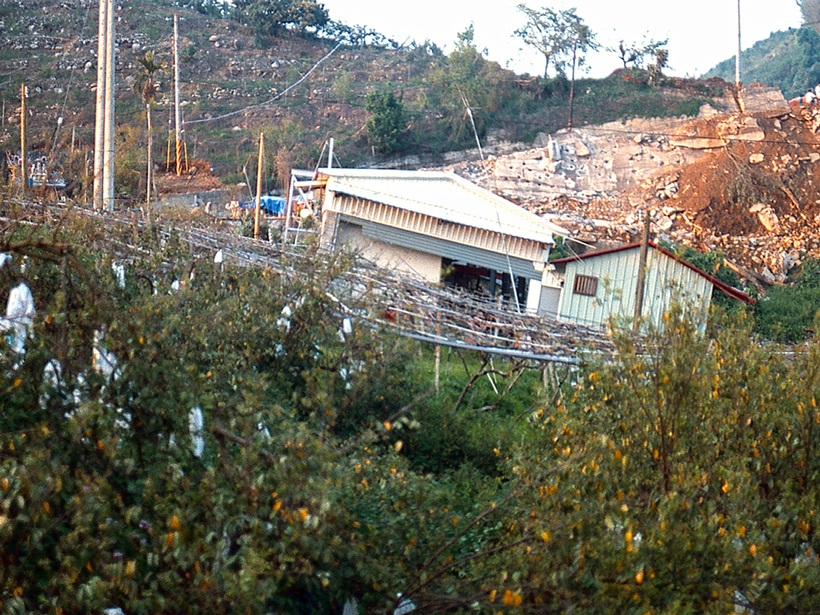
Surface Folds Hint at Magnitude of Slip Along Thrust Faults

by J. Rosen 1 May 201525 August 2022

The shape of deformed sediments at the surface may allow researchers to estimate the cumulative slip along thrust faults such as the Chelungpu fault in Taiwan.

Posted inNews

Honors and Appointments

by AGU 1 May 20156 September 2018

Earth and space scientists in the news

Posted inNews

Mercury's Secrets Revealed by Soon-to-Crash Spacecraft

JoAnna Wendel, freelance science writer and illustrator by JoAnna Wendel 30 April 201517 January 2023

From finding water ice on Mercury to discovering magnetic field lines cutting through the planet, NASA's MESSENGER spacecraft has spent its lifetime unveiling Mercury's secrets.

Posted inNews

U.S. Goals for Arctic Council Include Focus on Climate Change

by Randy Showstack 30 April 201528 February 2022

As chair of the Arctic Council, the United States is prioritizing climate change and ocean issues and improving the conditions for Arctic communities.

Posted inFeatures

Gazing Toward the Universe's Edge: Hubble's Deep Field Legacy

JoAnna Wendel, freelance science writer and illustrator by JoAnna Wendel 29 April 201510 March 2023

Hubble's sensitive cameras give scientists a chance to witness the birth of galaxies.
Posted inResearch Spotlights

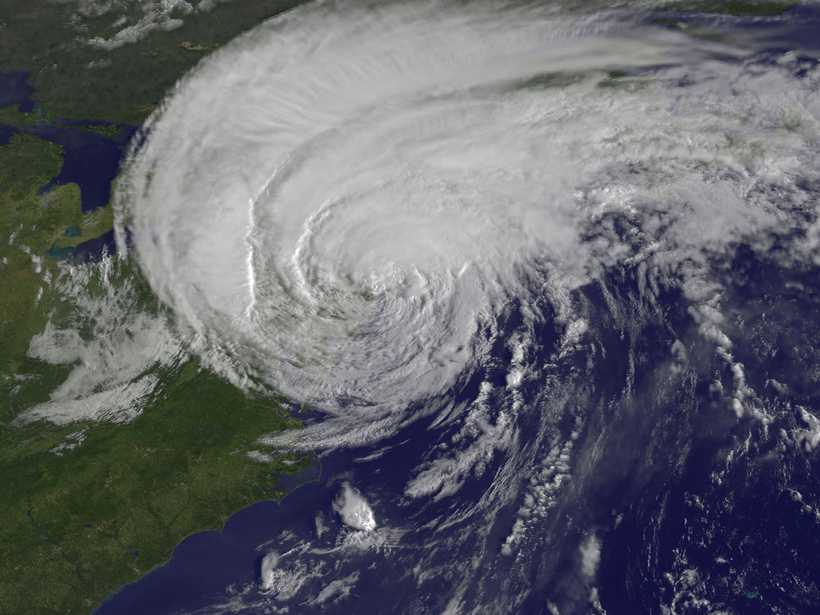
Historic Hurricane Data Give a Warning for the Future

by David Shultz 29 April 20158 March 2022

Sediment cores from a Massachusetts pond help suggest that as ocean temperatures rise, the occurrence of severe hurricanes along North America's Atlantic coast will increase.

Posted inResearch Spotlights

Ozone Hole to Remain Large During Cold Years

by E. Betz 28 April 20153 June 2024

Despite the Montreal Protocol's success, it will take years of observations to be sure that regulations are allowing the ozone hole to recover.

Posted inNews

Scientists Hope to Learn Lessons from Nepal Earthquake

by Randy Showstack 27 April 201510 May 2022

The 25 April earthquake in Nepal has caused thousands of fatalities. Scientists hope it can lead to a better understanding of the region's seismicity and better earthquake resilience.

Posts pagination

Newer posts 1 … 35 36 37 38 39 … 57 Older posts
A view of a bridge, with the New Orleans skyline visible in the distance between the bridge and the water. A purple tint, a teal curved line representing a river, and the text “#AGU25 coverage from Eos” overlie the photo.

Features from AGU Publications

Research Spotlights

New River Chemistry Insights May Boost Coastal Ocean Modeling

9 January 20269 January 2026
Editors' Highlights

Central China Water Towers Provide Stable Water Resources Under Change

9 January 20269 January 2026
Editors' Vox

Hydrothermal Circulation and Its Impact on the Earth System

3 December 20253 December 2025
Eos logo at left; AGU logo at right

About Eos
ENGAGE
Awards
Contact

Advertise
Submit
Career Center
Sitemap

© 2026 American Geophysical Union. All rights reserved Powered by Newspack