Research & Developments is a blog for brief updates that provide context for the flurry of news that impacts science and scientists today.
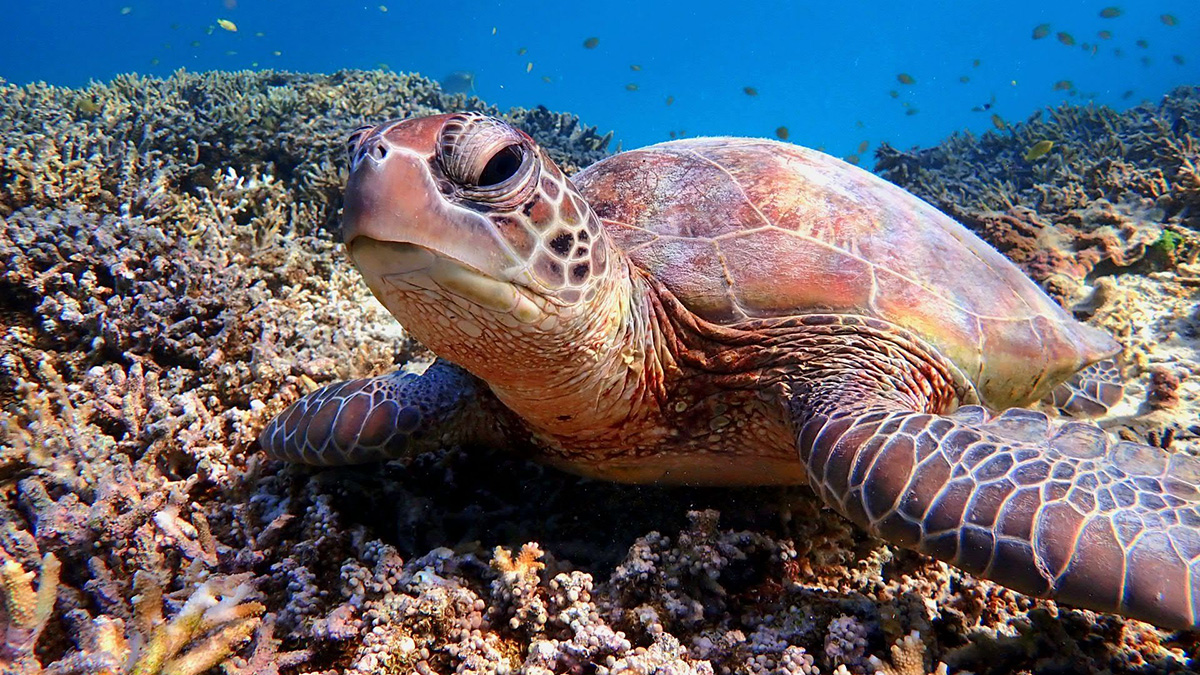
New research indicates that sea turtles seem to navigate across hundreds of miles of open ocean using Earth’s magnetic field.
Previous experimental studies suggested that sea turtles use geomagnetism to navigate, but this study, published today in Science Advances, was purely observational: Researchers attached devices measuring location and compass direction (the way a turtle was facing at a given moment) to six female green sea turtles who took about a month to navigate more than 1,000 miles westward across the Indian Ocean. The satellite tags, developed over the course of 5 years specifically for this purpose, measure compass headings to within 10° and location to within 100 meters.
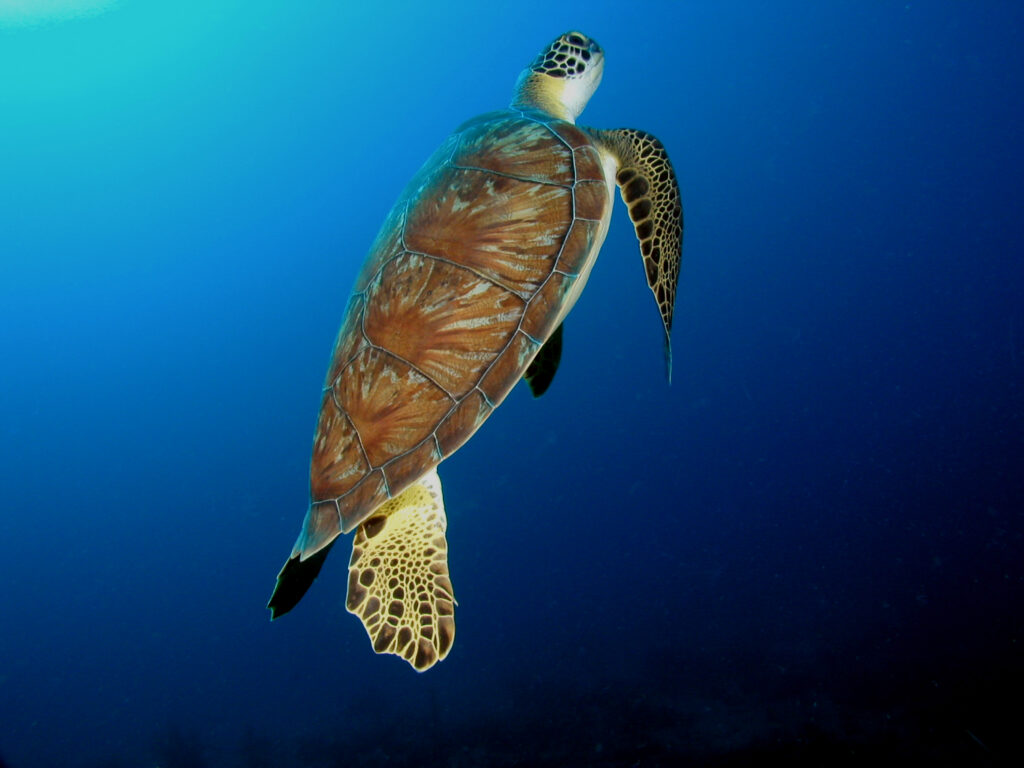
Researchers attached satellite tags to six sea turtles to learn more about the turtle’s paths over the course of a 1,000-kilometer-plus migration. Credit: RD and BS Kirkby 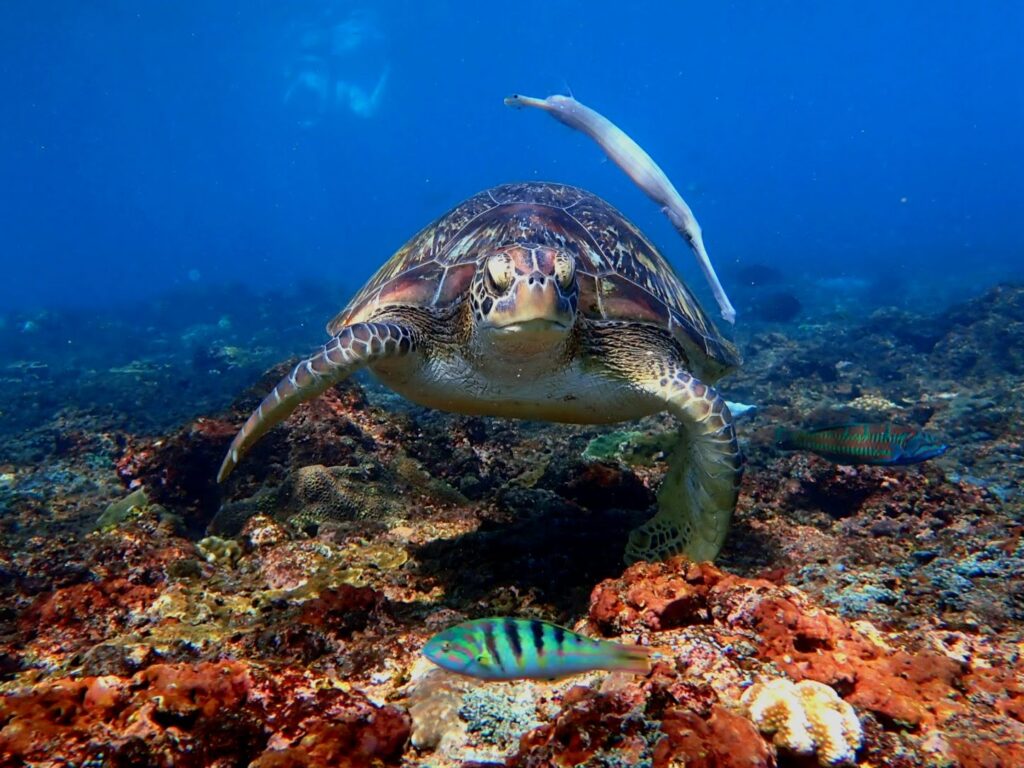
Researchers attached satellite tags to six sea turtles to learn more about the turtle’s paths over the course of a 1,000-kilometer-plus migration. Credit: Melissa Staines 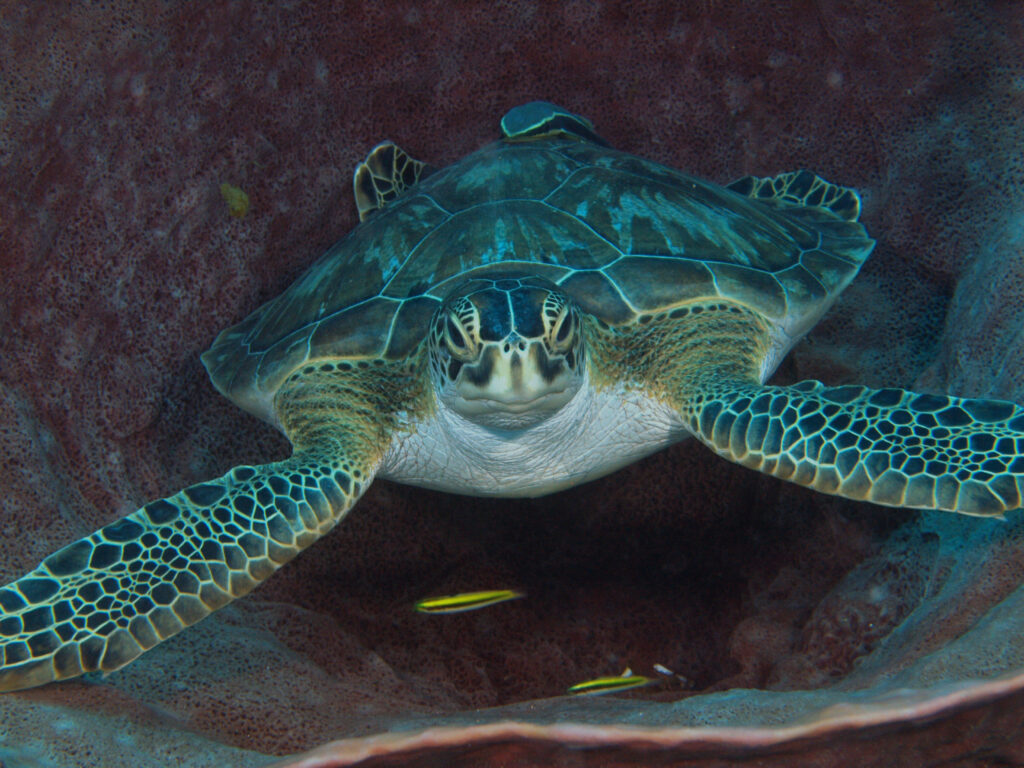
Researchers attached satellite tags to six sea turtles to learn more about the turtle’s paths over the course of a 1,000-kilometer-plus migration. Credit: RD and BS Kirkby 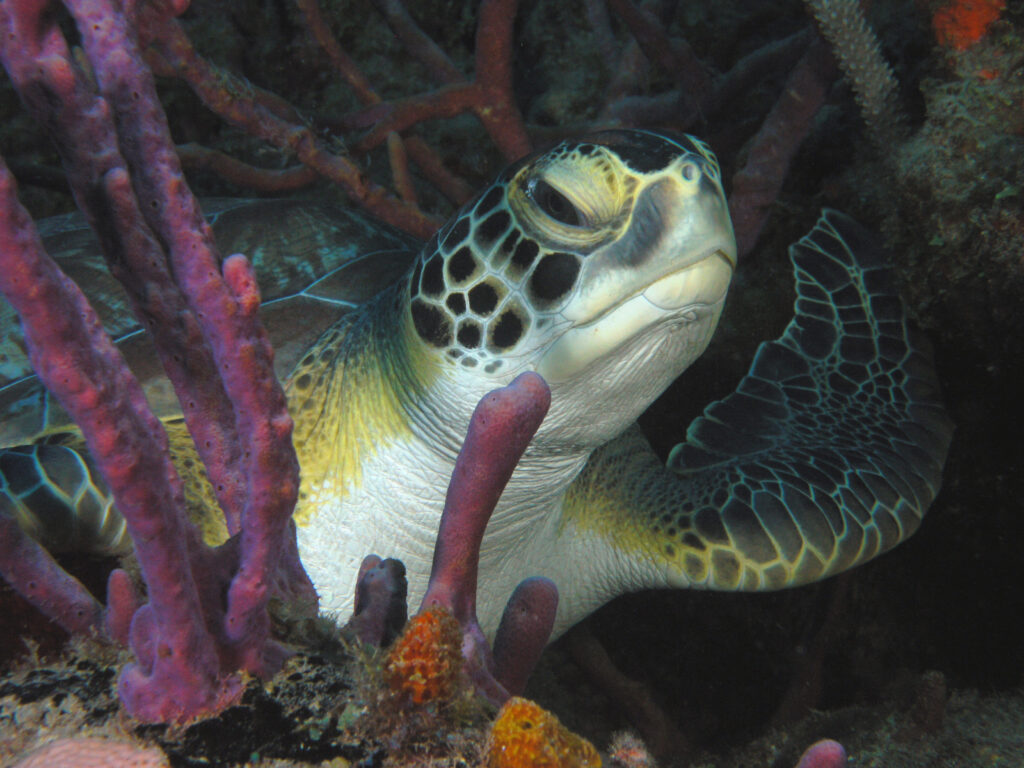
Researchers attached satellite tags to six sea turtles to learn more about the turtle’s paths over the course of a 1,000-kilometer-plus migration. Credit: RD and BS Kirkby 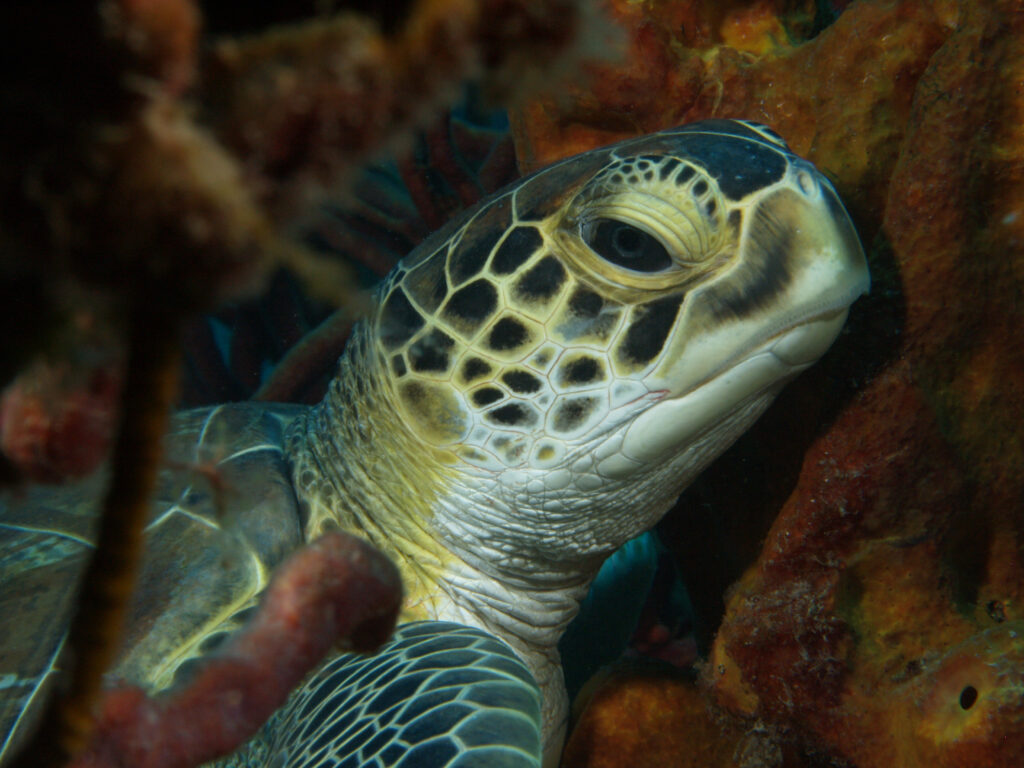
Researchers attached satellite tags to six sea turtles to learn more about the turtle’s paths over the course of a 1,000-kilometer-plus migration. Credit: RD and BS Kirkby
Nathan Putman, a marine ecologist at LGL Ecological Research Associates who reviewed the paper prior to publication, explained that many efforts to track the movements of sea turtles involve knowing where a turtle starts and ends a journey, then subtracting the effect of ocean currents.
“The nice thing about [this study] is you’re directly measuring” movement, he said. The fact that movement is “actually measured, rather than inferred, is probably the [study’s] biggest contribution in my mind.”
Related
Read the paper: Records of compass heading for long-distance ocean migrators show mid-ocean reorientation
The researchers involved found that the turtles tended to travel in straight lines and not simply drift with ocean currents. This finding suggests that the turtles have some mechanism for navigating that doesn’t involve using landmarks (which aren’t present in the open ocean) or the stars (turtles are near-sighted in air and probably can’t see the stars). If turtles didn’t have such a mechanism, their movements would more closely align with those of the currents. Combined with evidence from past studies, the researchers suggest that this mechanism is most likely geomagnetic.
The team also found that the sea turtles periodically, and very gradually (over the course of about 15 hours), reoriented themselves and slightly adjusted their direction. This meant they traveled in a series of straight lines at slightly different angles.
Scientists say these reorientations provide evidence that the turtles are referring not just to an internal map to understand their approximate location, but to a sort of internal compass to understand the direction they are facing. This combination has resulted in a navigation system that the paper calls “not perfect, but adequate.”
“[E]ven in the open ocean, far from land, they still know, very approximately, where they are.”
“We show that even in the open ocean, far from land, they still know, very approximately, where they are,” Graeme Hays, a marine ecologist at Deakin University in Australia and first author of the study, told Eos via email. “But in shallow water, especially close to their target, they will likely navigate using landmarks—just like you might use GPS in your car when travelling from 1,000 miles back to your house, but once you are in your neighbourhood you switch off your GPS and just navigate knowing the landmarks around your house.”
—Emily Gardner (@emfurd.bsky.social), Associate Editor
These updates are made possible through information from the scientific community. Do you have a story about science or scientists? Send us a tip at [email protected].