• About
  • Special Reports
  • Topics
    • Climate
    • Earth Science
    • Oceans
    • Space & Planets
    • Health & Ecosystems
    • Culture & Policy
    • Education & Careers
    • Opinions
  • Projects
    • Postcards From the Field
    • ENGAGE
    • Editors’ Highlights
    • Editors’ Vox
    • Eos en Español
    • Eos 简体中文版
    • Print Archive: 2015–2025
  • Policy Tracker
  • Blogs
    • Research & Developments
    • The Landslide Blog
  • Newsletter
  • Submit to Eos
  • AGU.org
  • Career Center
  • Join AGU
  • Give to AGU
  • About
  • Special Reports
  • Topics
    • Climate
    • Earth Science
    • Oceans
    • Space & Planets
    • Health & Ecosystems
    • Culture & Policy
    • Education & Careers
    • Opinions
  • Projects
    • Postcards From the Field
    • ENGAGE
    • Editors’ Highlights
    • Editors’ Vox
    • Eos en Español
    • Eos 简体中文版
    • Print Archive: 2015–2025
  • Policy Tracker
  • Blogs
    • Research & Developments
    • The Landslide Blog
  • Newsletter
  • Submit to Eos
Skip to content
  • AGU.org
  • Career Center
  • Join AGU
  • Give to AGU
Eos

Eos

Science News by AGU

Support Eos
Sign Up for Newsletter
  • About
  • Special Reports
  • Topics
    • Climate
    • Earth Science
    • Oceans
    • Space & Planets
    • Health & Ecosystems
    • Culture & Policy
    • Education & Careers
    • Opinions
  • Projects
    • Postcards From the Field
    • ENGAGE
    • Editors’ Highlights
    • Editors’ Vox
    • Eos en Español
    • Eos 简体中文版
    • Print Archive: 2015–2025
  • Policy Tracker
  • Blogs
    • Research & Developments
    • The Landslide Blog
  • Newsletter
  • Submit to Eos

Australia

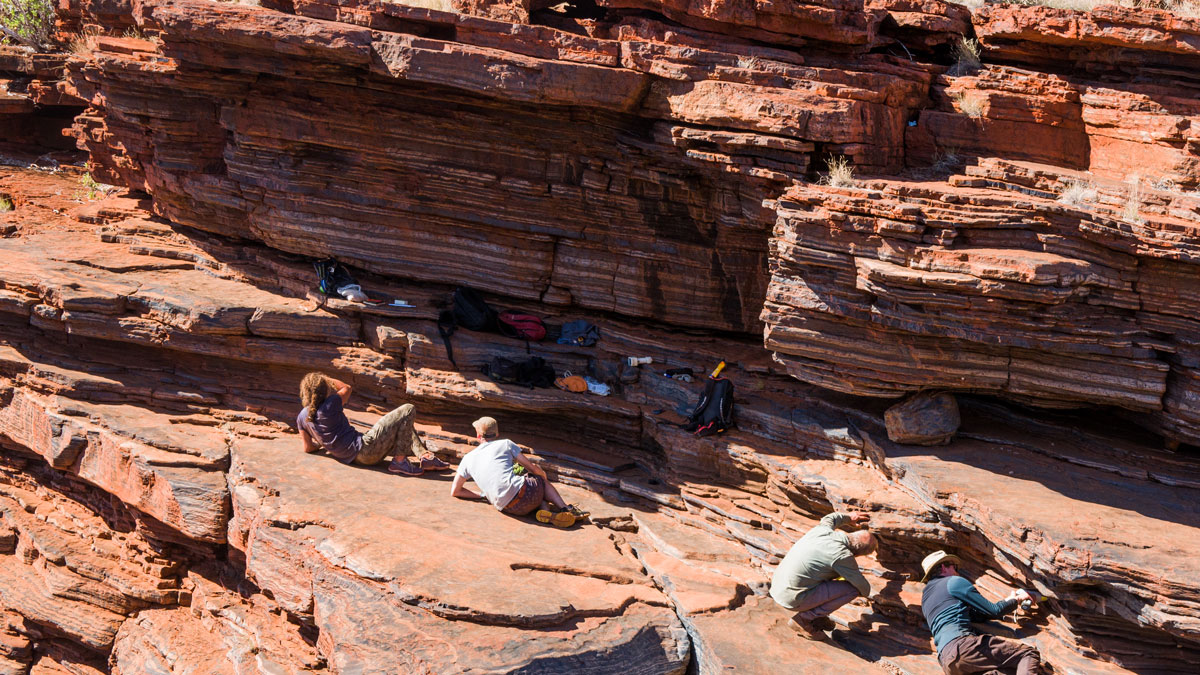
Researchers study banded iron formations in Karijini National Park, Western Australia.
Posted inNews

A Day in the Life Used to Be 17 Hours

by Emily Shepherd 10 November 202211 November 2022

The Moon was a lot closer to Earth 2.46 billion years ago, and the shorter distance contributed to shorter days.

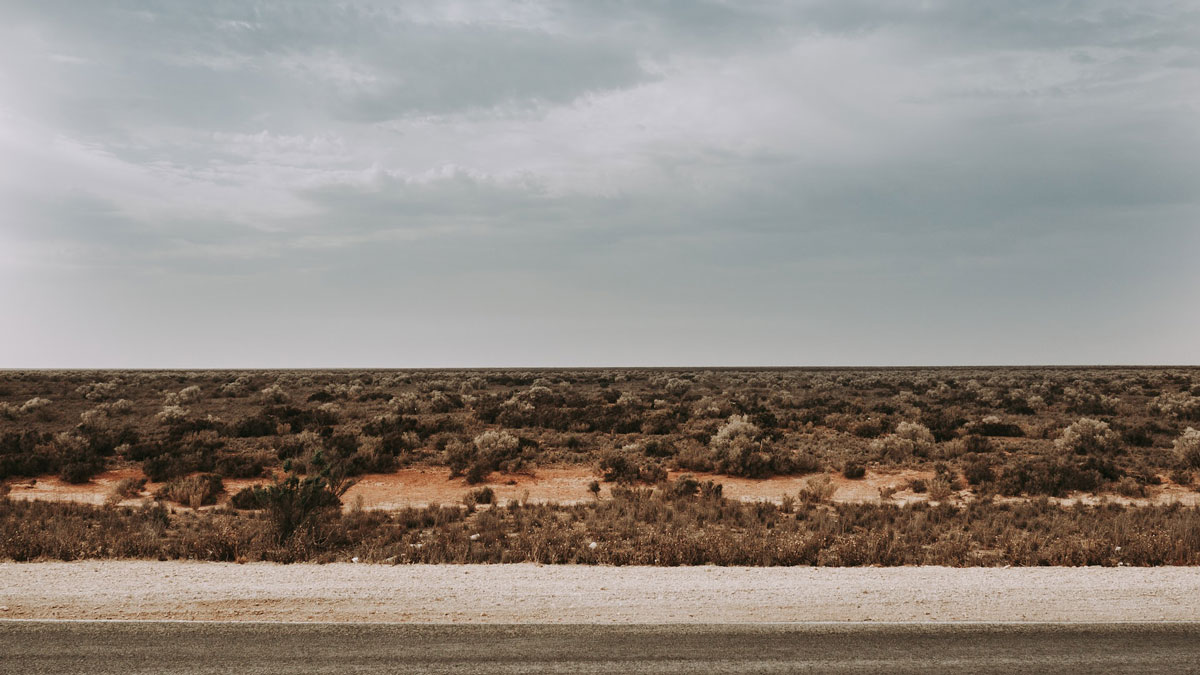
Australia’s remote Nullarbor Plain.
Posted inNews

A Mysterious Dome Reveals Clues to Australia’s Miocene History

by Nathaniel Scharping 17 October 202217 February 2023

The Nullarbor Plain has been relatively untouched by geological forces, leaving traces of the continent’s deep past.
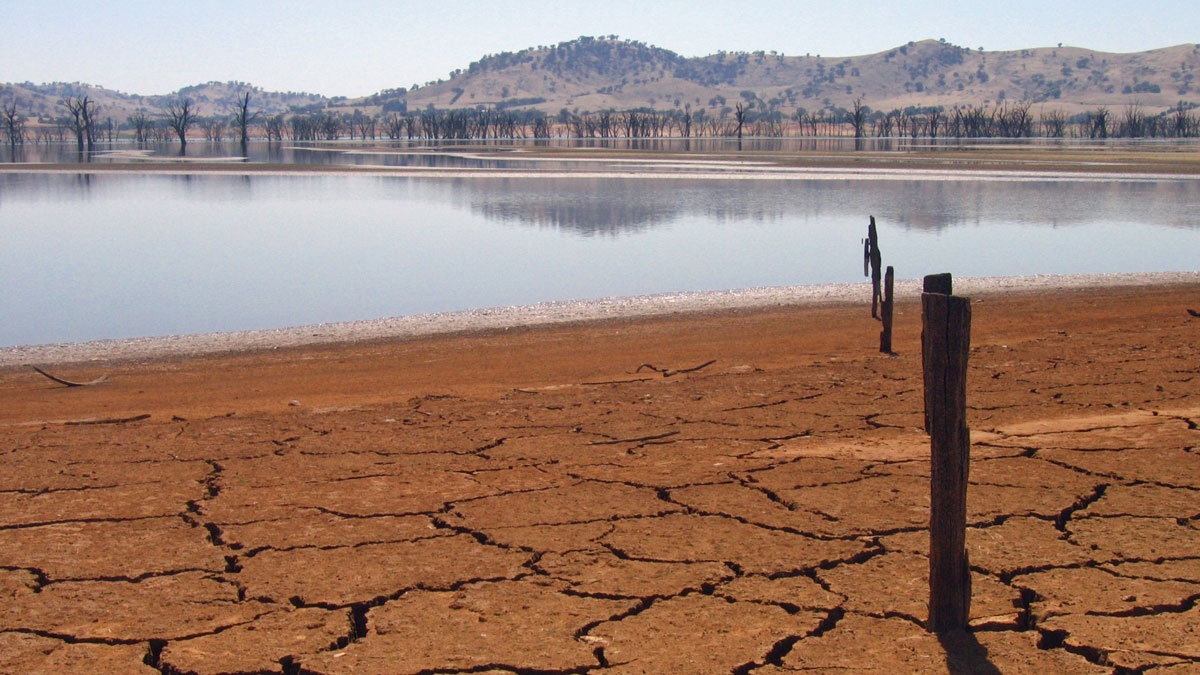
View of a lake in the distance with mud cracks in reddish soil in the foreground.
Posted inResearch Spotlights

Surprise Hydrological Shifts Imperil Water Resources

Sarah Stanley, Science Writer by Sarah Stanley 15 September 202213 October 2022

Mounting evidence suggests the need for improved water planning strategies and revamped hydrological models.

Illustration of wildfire and wetland forest during the end-Permian extinction interval.
Posted inNews

A Spike in Wildfires Contributed to the End-Permian Extinction

by Jackie Rocheleau 2 August 20225 June 2023

An upward trend in fossilized charcoal indicates that wildfires may have contributed to extinctions during the Great Dying.
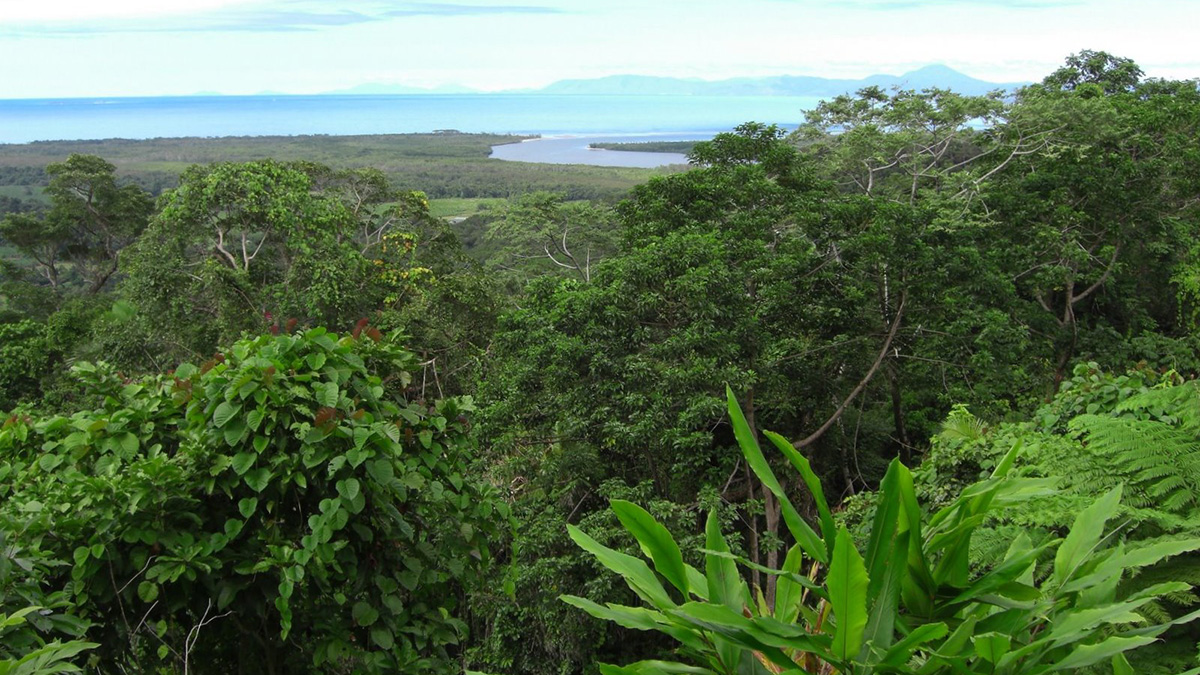
The Daintree Rainforest located in North Queensland, Australia
Posted inNews

Tree Mortality Risk Surges in Australian Rain Forests

Rishika Pardikar, Science Writer by Rishika Pardikar 14 July 202214 July 2022

Researchers link vulnerability to “atmospheric drought” associated with climate change.
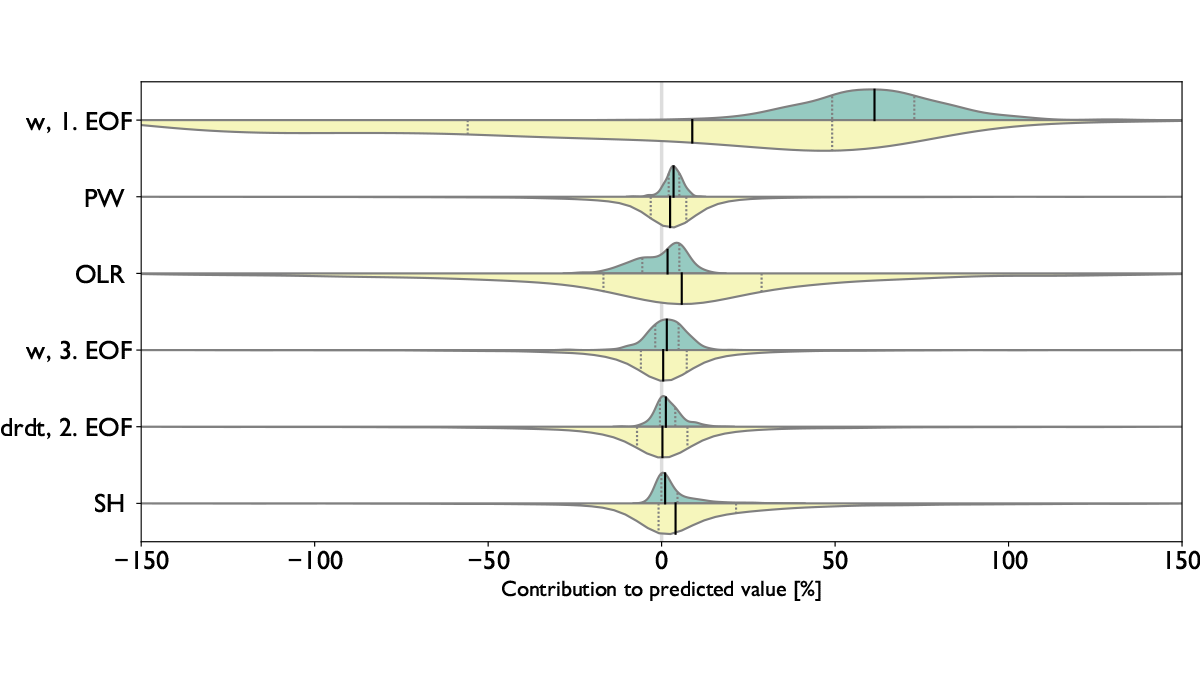
Graph showing contribution of each large-scale atmospheric variable on the y-axis to predicted total convective area.
Posted inEditors' Highlights

Using Artificial Intelligence to Study Convection

by Minghua Zhang 8 June 202223 January 2023

Machine learning techniques are used to examine relationships between the large-scale state of the atmosphere, the convection total area, and the degree of organization in northern Australia.
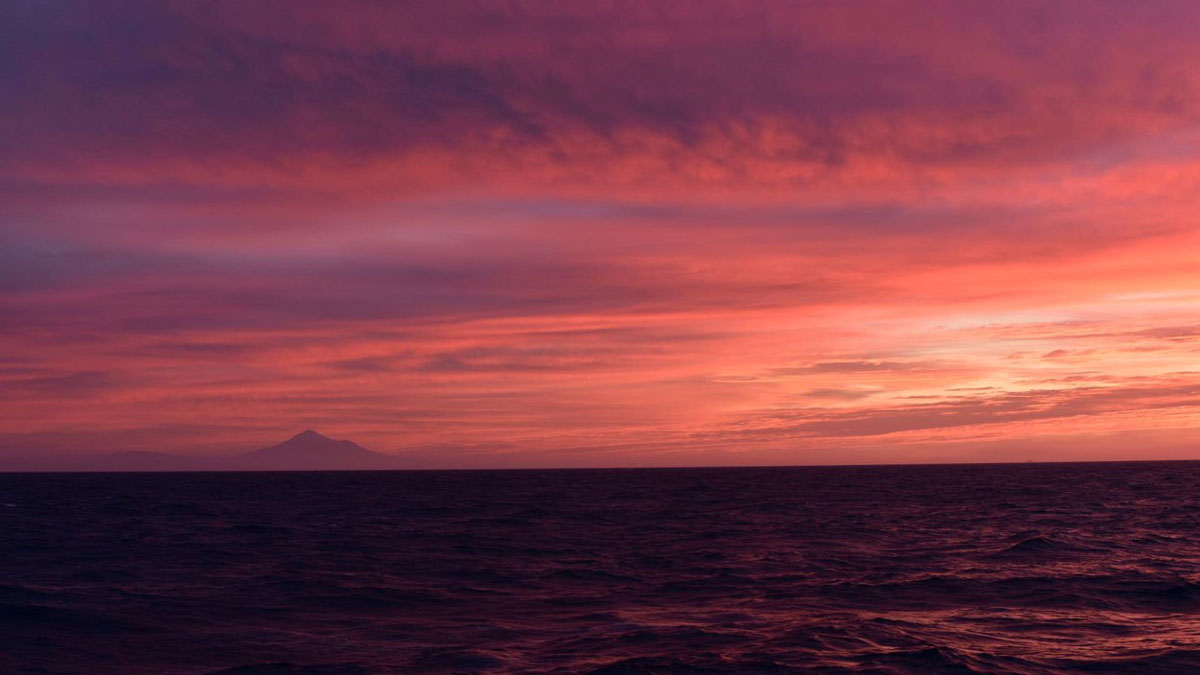
View over open ocean water with clouds tinted pink by a sunrise and a distant, lone mountain on the horizon
Posted inScience Updates

“Landslide Graveyard” Holds Clues to Long-Term Tsunami Trends

by Suzanne Bull, Sally J. Watson, Jess Hillman, Hannah E. Power and Lorna J. Strachan 3 June 20221 August 2022

A new project looks to unearth information about and learn from ancient underwater landslides buried deep beneath the seafloor to support New Zealand’s resilience to natural hazards.
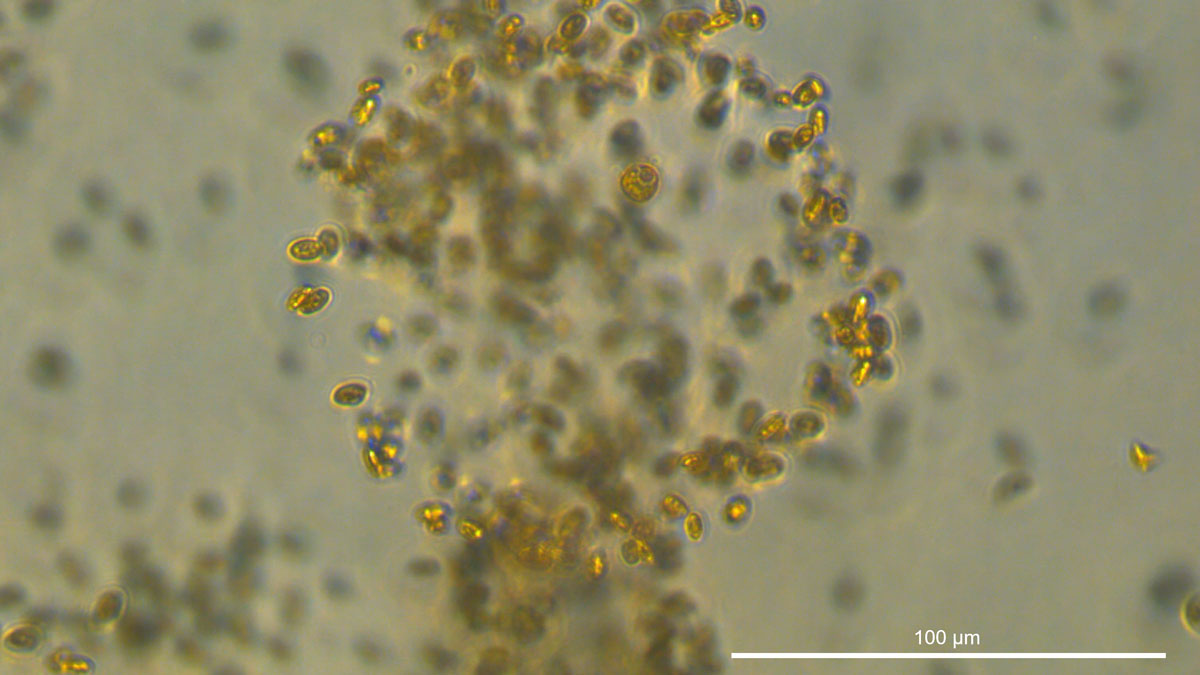
Microscopic image of a mucosphere with microbes trapped inside it.
Posted inNews

The Ocean Is Still Sucking Up Carbon—Maybe More Than We Think

by Nancy Averett 3 May 202214 September 2022

Recent studies looking at carbon-sequestering microbes suggest we still have a lot to learn about the ocean’s biological carbon pump.
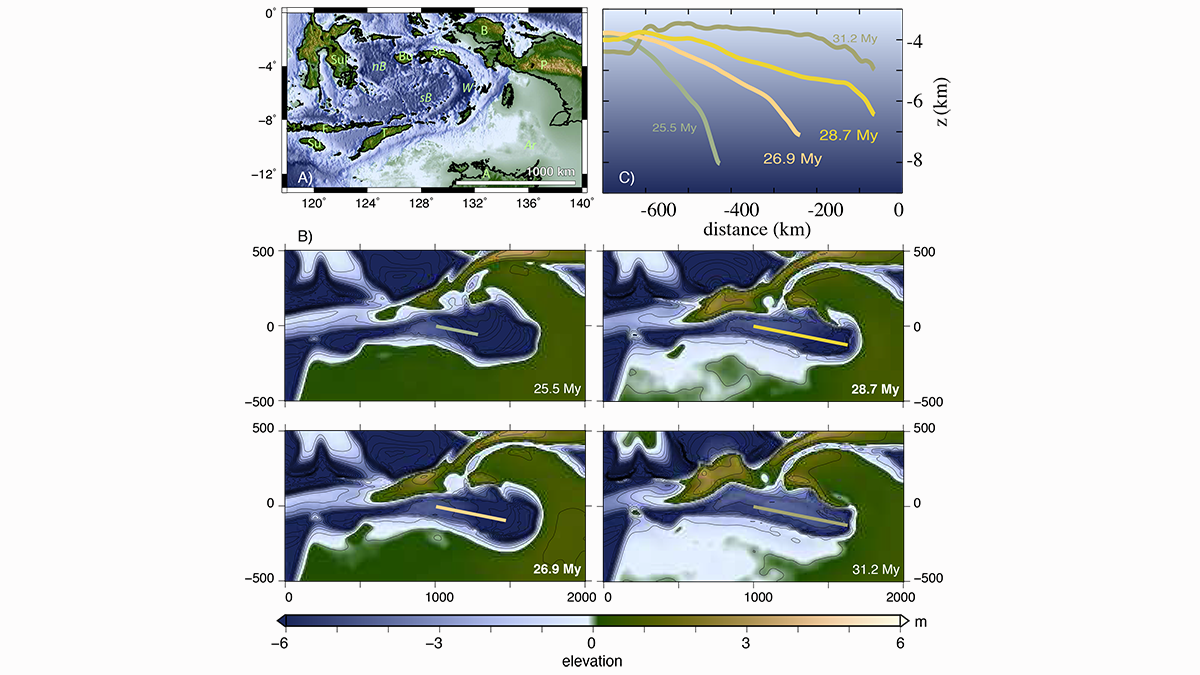
Dynamic topography in the Banda arc and Weber Deep.
Posted inEditors' Highlights

Transient Mantle Flow Triggers Morphotectonic Activity in Asia

by Claudio Faccenna 8 April 20224 August 2023

Changes in mantle dynamics following the Australian collision in southeast Asia triggered fast and intense morphotectonic activity at the surface.
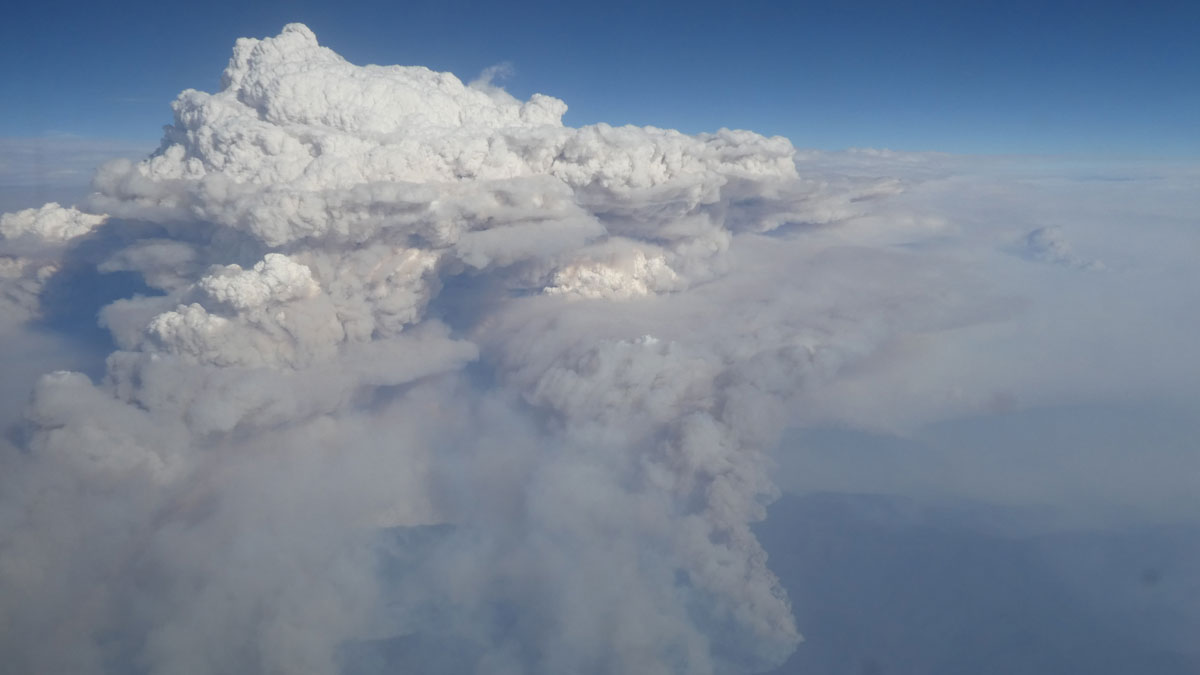
A photograph from a commercial flight showing a pyrocumulonimbus cloud forming over the 2019–2020 Australian bushfires.
Posted inNews

Australian Wildfires Linked to Ozone Layer Depletion

by Krystal Vasquez 4 April 20223 June 2024

New research shows that the Black Summer bushfires damaged the ozone layer, eliminating a decade’s worth of progress.

Posts pagination

Newer posts 1 2 3 4 5 6 … 9 Older posts
Over a dark blue-green square appear the words Special Report: The State of the Science 1 Year On.

Features from AGU Publications

Research Spotlights

How Water Flows Toward Cities During Hurricanes

30 July 202630 July 2026
Editors' Highlights

A New Pathway for Energy Redistribution in Near-Earth Space

30 July 202629 July 2026
Editors' Vox

The Hidden Costs of Mining River Sand

27 July 202627 July 2026
Eos logo at left; AGU logo at right

About Eos
ENGAGE
Awards
Contact

Advertise
Submit
Career Center
Sitemap

© 2026 American Geophysical Union. All rights reserved Powered by Newspack