

A simulation of oil and gas leakage during the Deepwater Horizon disaster finds that the main chemical dispersant used improved air quality for emergency responders.
air quality
Posted inResearch Spotlights
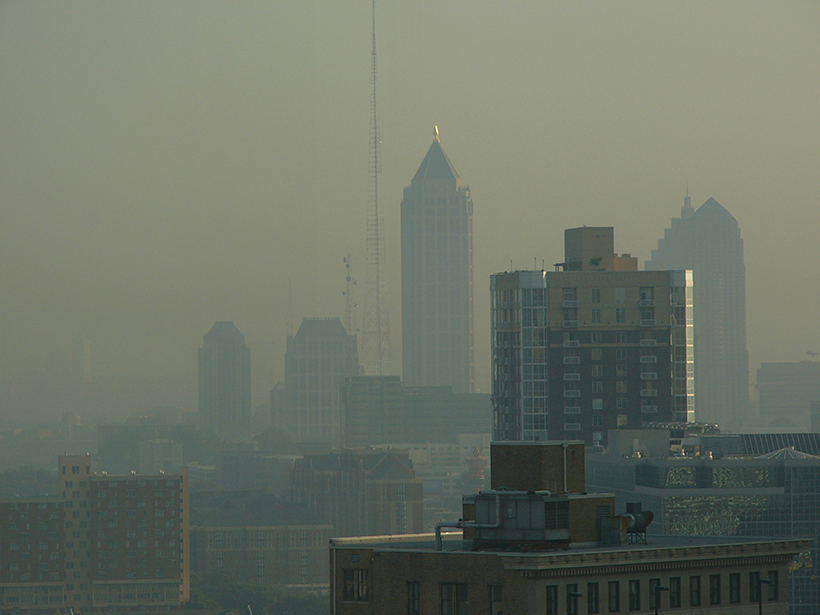
No Evidence for Unknown Source of Ozone Precursor
A study suggests that known combustion and photochemical sources of nitrous acid, a precursor to ground-level ozone, are enough to explain levels seen in the atmosphere.
Posted inScience Updates
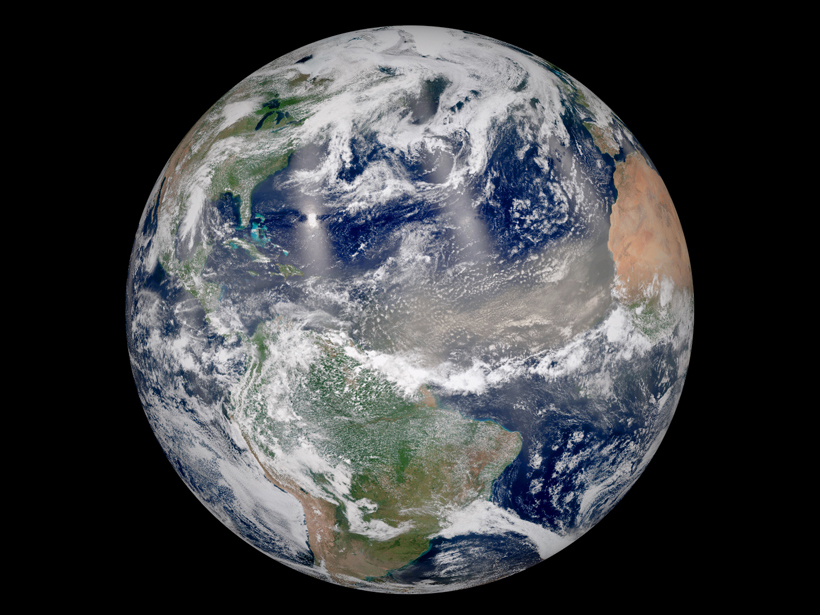
The Impact of African Dust on Air Quality in the Caribbean Basin
Symposium on Airborne Dust, Climate Change, and Human Health; Miami, Florida, 19–21 May 2015
Posted inNews
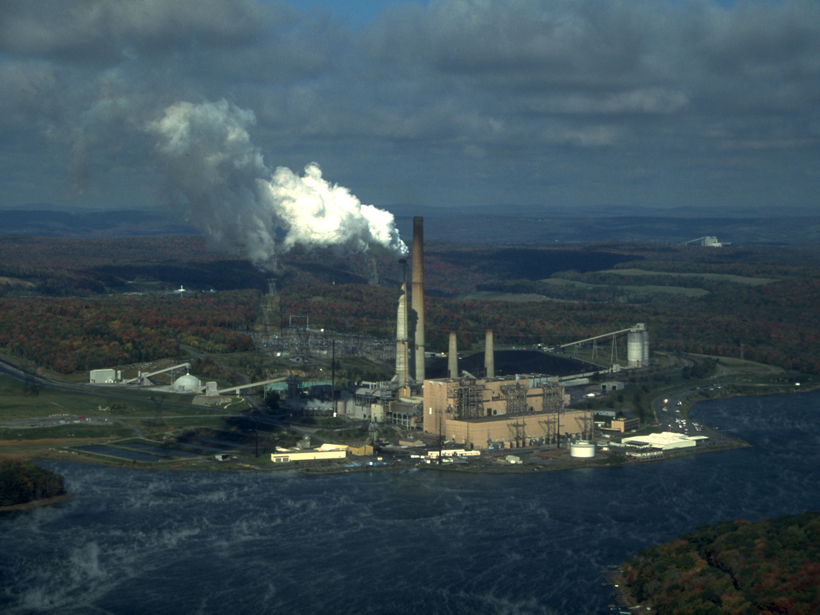
Despite Stalled Regulations, U.S. Mercury Emissions Decline
Newly published measurements made downwind of West Virginia, Pennsylvania, and Ohio coal-burning plants reveal steep, unexpected drops in atmospheric mercury concentrations since 2006.
Posted inScience Updates
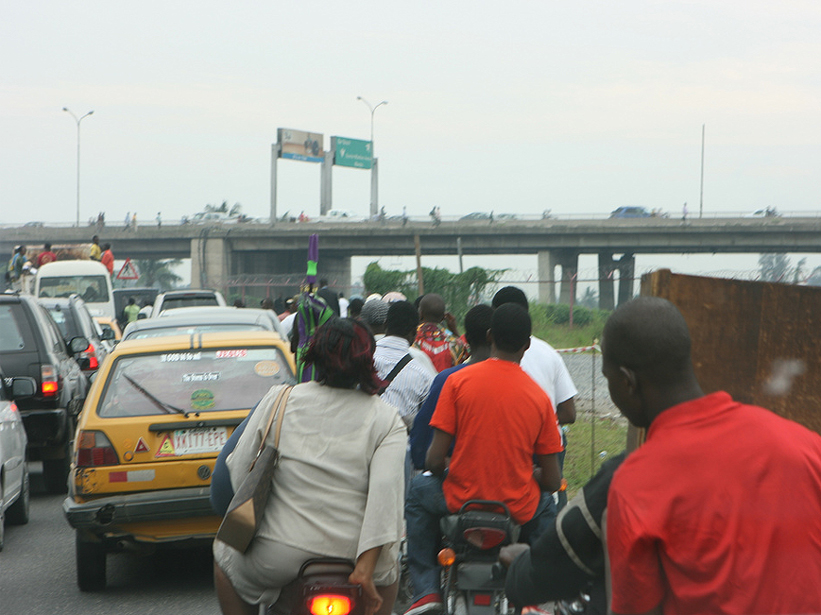
Fortifying International Collaborations on African Air Quality
First West African Workshop on Air Quality, Measurements, and Modeling; Abuja, Nigeria, 9–12 June 2014
Posted inResearch Spotlights
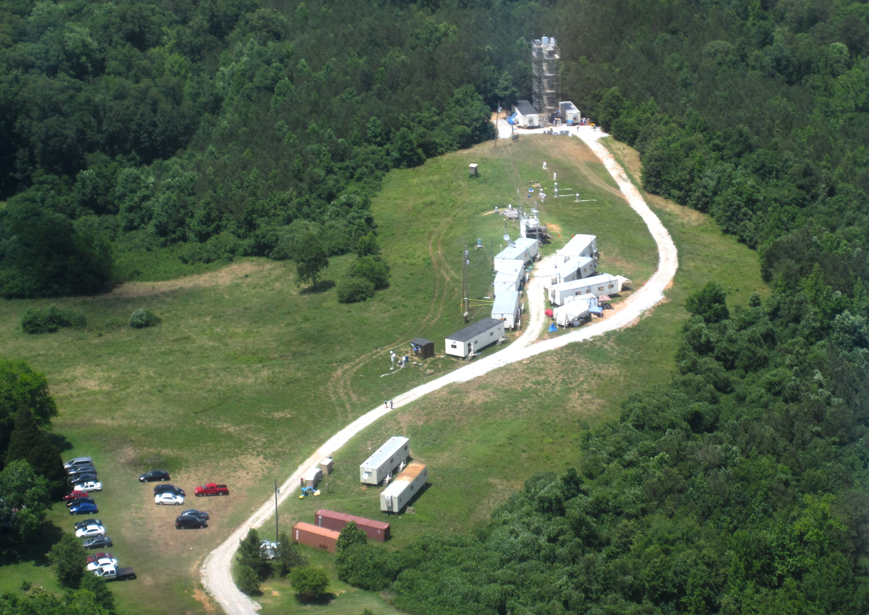
Reduced Emissions Lead to Clearer Skies over Alabama
Aerosol pollutants are on the decline—and so are their effects.
Posted inResearch Spotlights
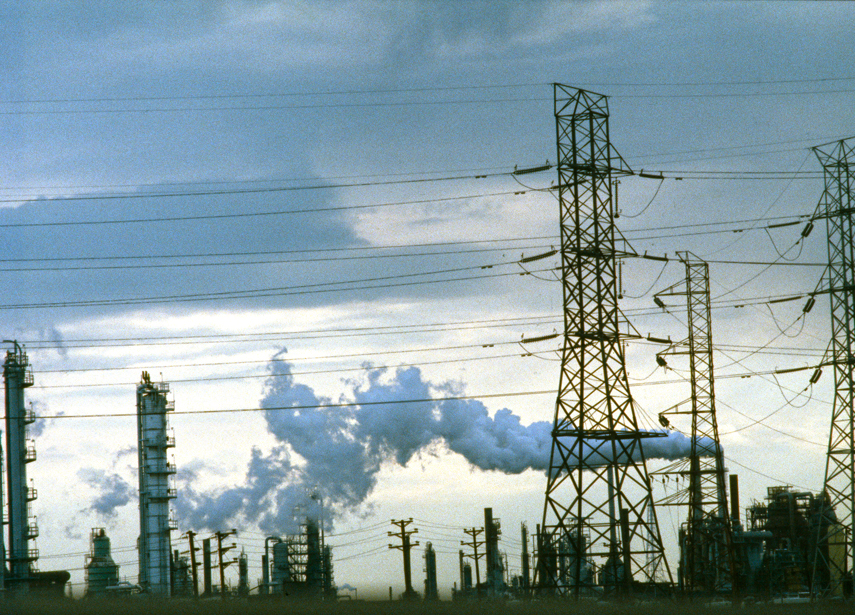
Changing Patterns in U.S. Air Quality
Over the northeast United States, ground-level ozone will peak in the winter rather than the summer thanks to continued reductions of regional nitrogen oxide emissions from smokestacks and tailpipes.
Posted inResearch Spotlights
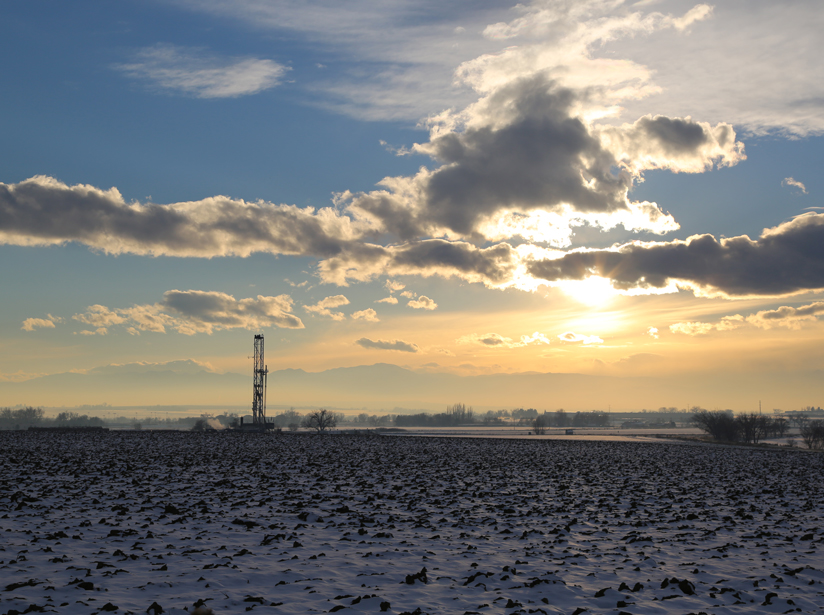
Colorado Hydrocarbon Leakage Rates Much Higher Than Reported
Airborne measurements put methane emissions from Colorado's Denver-Julesburg Basin at 12 to 26 tons per hour.
Posted inResearch Spotlights
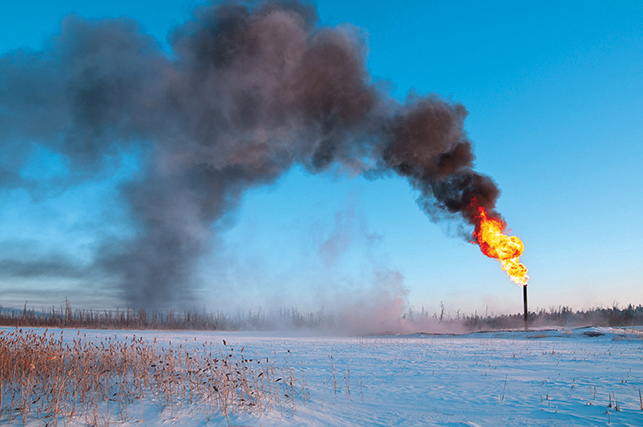
Black Carbon Reductions in the Arctic Tied to Declining Emissions
Researchers track the presence of black carbon above the Arctic Circle.