• About
  • Special Reports
  • Topics
    • Climate
    • Earth Science
    • Oceans
    • Space & Planets
    • Health & Ecosystems
    • Culture & Policy
    • Education & Careers
    • Opinions
  • Projects
    • Postcards From the Field
    • ENGAGE
    • Editors’ Highlights
    • Editors’ Vox
    • Eos en Español
    • Eos 简体中文版
    • Print Archive: 2015–2025
  • Policy Tracker
  • Blogs
    • Research & Developments
    • The Landslide Blog
  • Newsletter
  • Submit to Eos
  • AGU.org
  • Career Center
  • Join AGU
  • Give to AGU
  • About
  • Special Reports
  • Topics
    • Climate
    • Earth Science
    • Oceans
    • Space & Planets
    • Health & Ecosystems
    • Culture & Policy
    • Education & Careers
    • Opinions
  • Projects
    • Postcards From the Field
    • ENGAGE
    • Editors’ Highlights
    • Editors’ Vox
    • Eos en Español
    • Eos 简体中文版
    • Print Archive: 2015–2025
  • Policy Tracker
  • Blogs
    • Research & Developments
    • The Landslide Blog
  • Newsletter
  • Submit to Eos
Skip to content
  • AGU.org
  • Career Center
  • Join AGU
  • Give to AGU
Eos

Eos

Science News by AGU

Support Eos
Sign Up for Newsletter
  • About
  • Special Reports
  • Topics
    • Climate
    • Earth Science
    • Oceans
    • Space & Planets
    • Health & Ecosystems
    • Culture & Policy
    • Education & Careers
    • Opinions
  • Projects
    • Postcards From the Field
    • ENGAGE
    • Editors’ Highlights
    • Editors’ Vox
    • Eos en Español
    • Eos 简体中文版
    • Print Archive: 2015–2025
  • Policy Tracker
  • Blogs
    • Research & Developments
    • The Landslide Blog
  • Newsletter
  • Submit to Eos

Alaska

Increased winter flows in the Tanana River have puzzled researchers—until now
Posted inResearch Spotlights

Why Are Arctic Rivers Rising in Winter?

by E. Underwood 5 September 20173 March 2023

Increased glacial melt is boosting winter streamflows by filling aquifers, a new study on an Alaskan river suggests.

Southern Alaska’s Lisianski Inlet, near the site of a systematic survey of the Queen Charlotte-Fairweather Fault.
Posted inScience Updates

A Closer Look at an Undersea Source of Alaskan Earthquakes

by D. S. Brothers, P. Haeussler, Amy E. East, U. ten Brink, B. Andrews, P. Dartnell, N. Miller and J. Kluesner 15 August 20178 November 2021

A systematic survey offers a striking portrait of movement along a 500-kilometer-long undersea section of the Queen Charlotte–Fairweather fault off the coast of southeastern Alaska.
Posted inEditors' Vox

Mesmerized by Gracefully Gliding Albatrosses

by U. ten Brink 18 July 20176 October 2021

Despite avian distractions and dreadful weather, a research cruise to map the seafloor off Alaska revealed new insights into the Queen Charlotte Fault.

Kīlauea is one of the volcanoes fingerprinted in a new study.
Posted inNews

“Fingerprinting” Volcanic Tremors May Help Forecast Eruptions

Lucas Joel by L. Joel 10 April 201711 May 2022

Volcano seismic waves produce distinct tremor patterns, or "fingerprints," shared by different kinds of volcanoes.

Amy Pope discusses the importance of Alaska’s oil and gas resources at an Arctic policy meeting.
Posted inNews

Administration Official Sees Alaska Offshore Drilling Ahead

by Randy Showstack 31 October 201621 April 2023

At a recent forum, leaders laid out some interdependent energy, environmental, infrastructure, and military issues coming into play in a more navigable Arctic region.

Methane-releasing vegetation flourishes in small freshwater Arctic tundra ponds
Posted inNews

Aquatic Plants May Accelerate Arctic Methane Emissions

by R. Heisman 22 September 201611 August 2022

About two thirds of the gas produced by a study area near Barrow, Alaska, came from increasingly abundant greenery covering only 5% of the landscape, researchers estimate.
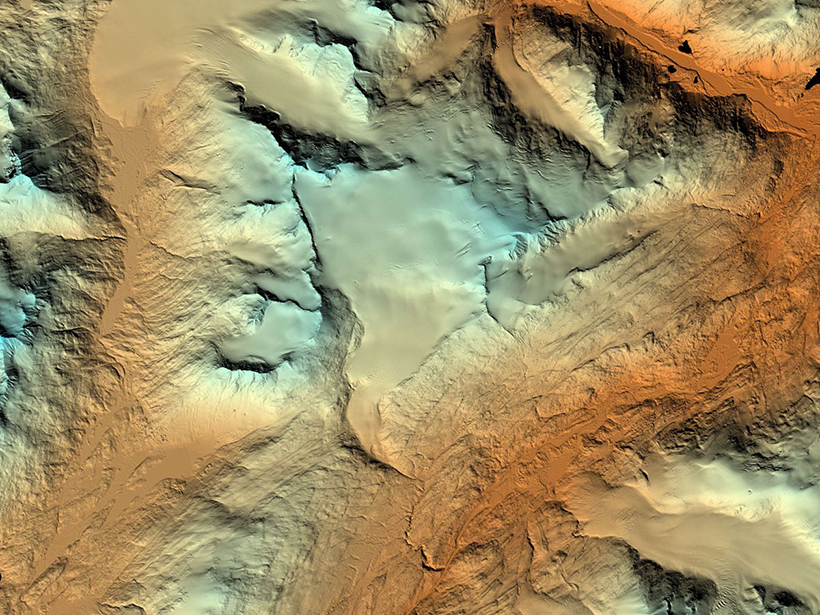
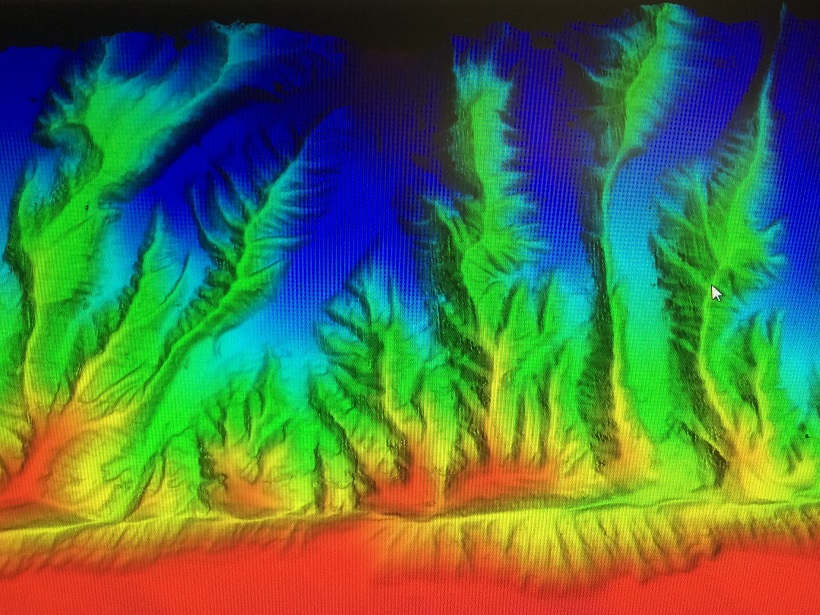
Topographic image of Wolverine Glacier in Alaska's Kenai Peninsula.
Posted inNews

New Digital Maps Depict Alaska in Unprecedented Detail

by Randy Showstack 6 September 201611 January 2022

The Obama administration plans to release high-resolution terrain models in 2017 for the entire Arctic.
Posted inNews

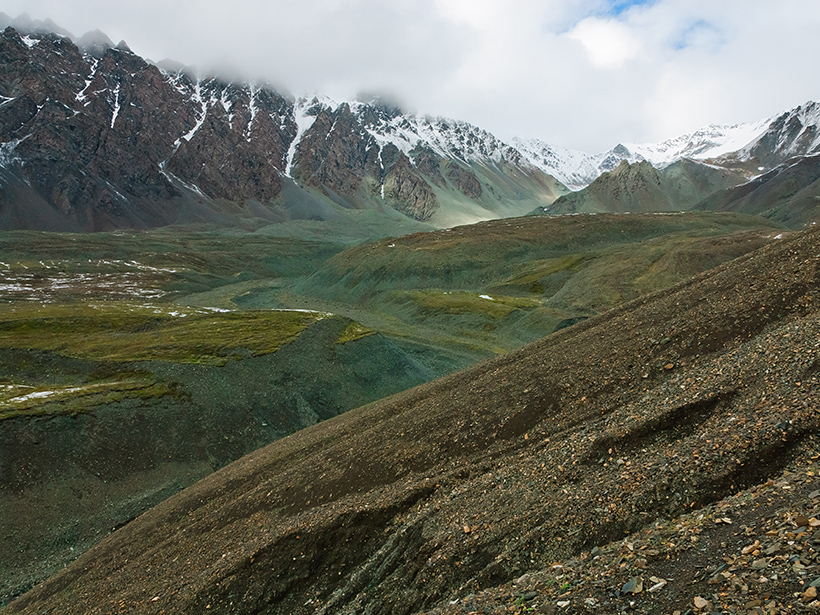
Surveying Alaskan Minerals from Afar

by E. Deatrick 13 July 20167 February 2023

By using hyperspectral imaging, researchers test their ability to find copper in remote areas.

A U.S. military helicopter assists the stranded Kulluk mobile offshore drilling unit in January 2013.
Posted inNews

Tougher Guidelines Issued for Alaska Offshore Drilling

by Randy Showstack 11 July 201614 March 2023

The regulations will reinforce safety mechanisms and provide stronger planning efforts and enhanced regulatory certainty, according to the Department of the Interior.

pavlof-volcano-eruption
Posted inNews

Sound Waves Help Scientists Track Volcanic Eruptions

JoAnna Wendel, freelance science writer and illustrator by JoAnna Wendel 5 April 20162 May 2022

When sound waves hit the ground, they shake seismometers like earthquake waves. Scientists can now use these sound-induced seismic waves to investigate volcanic activity.

Posts pagination

Newer posts 1 … 8 9 10 11 Older posts
Over a dark blue-green square appear the words Special Report: The State of the Science 1 Year On.

Features from AGU Publications

Research Spotlights

Wind Works: The Atmosphere’s Invisible Energetic Tug-of-War

17 September 202617 September 2026
Editors' Highlights

Dust and Marine Halogens Team Up to Destroy Tropospheric Ozone

17 September 202617 September 2026
Editors' Vox

In Appreciation of AGU’s Outstanding Reviewers of 2025

14 September 202610 September 2026
Eos logo at left; AGU logo at right

About Eos
ENGAGE
Awards
Contact

Advertise
Submit
Career Center
Sitemap

© 2026 American Geophysical Union. All rights reserved Powered by Newspack