• About
  • Special Reports
  • Topics
    • Climate
    • Earth Science
    • Oceans
    • Space & Planets
    • Health & Ecosystems
    • Culture & Policy
    • Education & Careers
    • Opinions
  • Projects
    • Postcards From the Field
    • ENGAGE
    • Editors’ Highlights
    • Editors’ Vox
    • Eos en Español
    • Eos 简体中文版
    • Print Archive: 2015–2025
  • Policy Tracker
  • Blogs
    • Research & Developments
    • The Landslide Blog
  • Newsletter
  • Submit to Eos
  • AGU.org
  • Career Center
  • Join AGU
  • Give to AGU
  • About
  • Special Reports
  • Topics
    • Climate
    • Earth Science
    • Oceans
    • Space & Planets
    • Health & Ecosystems
    • Culture & Policy
    • Education & Careers
    • Opinions
  • Projects
    • Postcards From the Field
    • ENGAGE
    • Editors’ Highlights
    • Editors’ Vox
    • Eos en Español
    • Eos 简体中文版
    • Print Archive: 2015–2025
  • Policy Tracker
  • Blogs
    • Research & Developments
    • The Landslide Blog
  • Newsletter
  • Submit to Eos
Skip to content
  • AGU.org
  • Career Center
  • Join AGU
  • Give to AGU
Eos

Eos

Science News by AGU

Support Eos
Sign Up for Newsletter
  • About
  • Special Reports
  • Topics
    • Climate
    • Earth Science
    • Oceans
    • Space & Planets
    • Health & Ecosystems
    • Culture & Policy
    • Education & Careers
    • Opinions
  • Projects
    • Postcards From the Field
    • ENGAGE
    • Editors’ Highlights
    • Editors’ Vox
    • Eos en Español
    • Eos 简体中文版
    • Print Archive: 2015–2025
  • Policy Tracker
  • Blogs
    • Research & Developments
    • The Landslide Blog
  • Newsletter
  • Submit to Eos

Australia

Researchers look at satellite imaging for evidence of high-altitude “wind walls” near Earth’s magnetic poles
Posted inResearch Spotlights

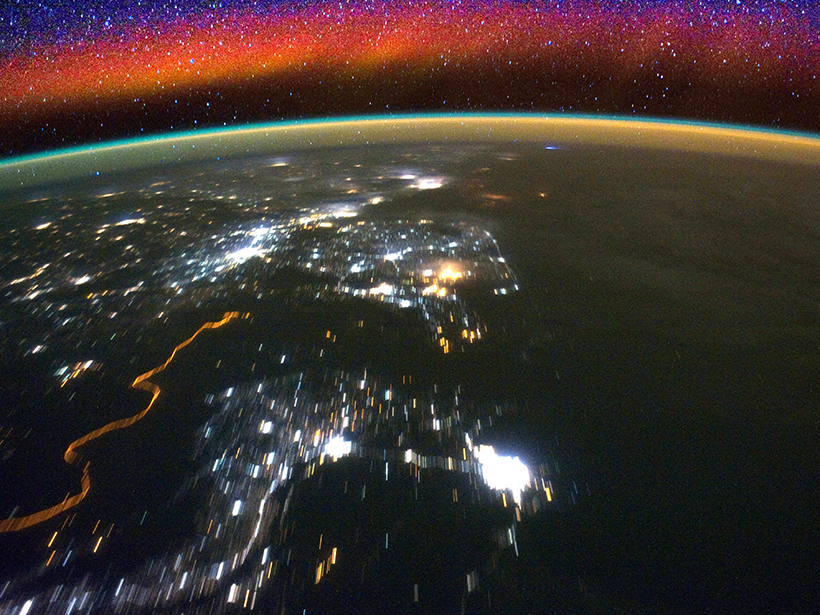
High-Altitude “Wind Walls” Discovered near Magnetic Poles

Sarah Stanley, Science Writer by Sarah Stanley 14 August 201814 February 2022

Satellite imaging reveals two narrow channels of extreme winds surrounded by gentle opposing flow 140–250 kilometers above sea level.

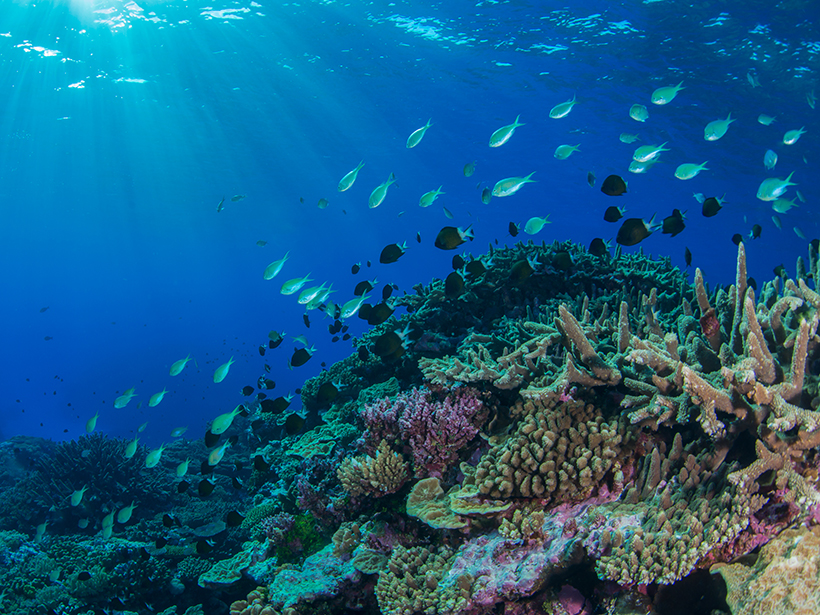
A school of fish swims in the Coral Sea.
Posted inNews

Heat Waves, More Than Coral Death, May Cause Fish to Flee Reefs

Ilima Loomis, Science Writer by Ilima Loomis 25 July 201815 November 2022

A study over a broad swath of the Great Barrier Reef shows that warming waters directly cause fish and invertebrates to leave the reef, making it harder for coral to recover from bleaching events.
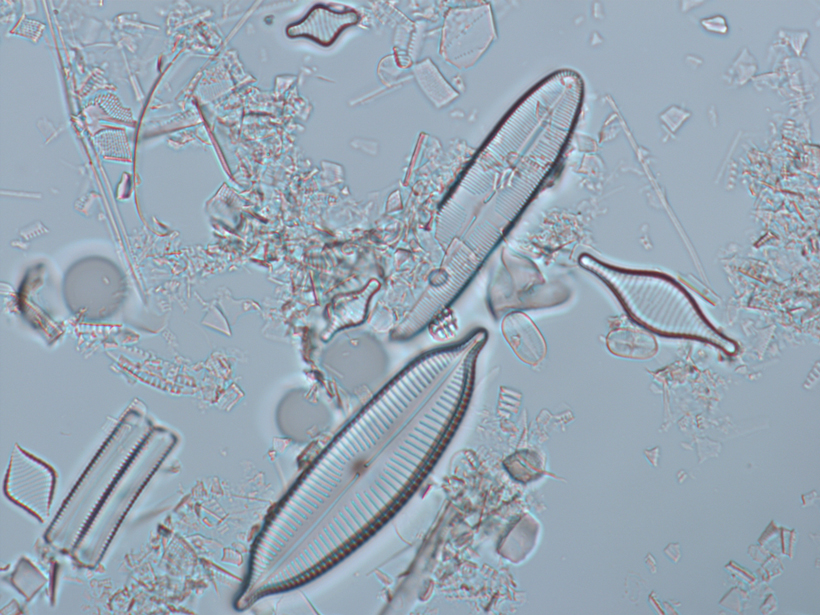
Researchers examine a critical ecosystem transition in Tasmania to understand ecosystem resilience.
Posted inResearch Spotlights

Australian Algae Aid Understanding of Ecosystem Resilience

by S. Witman 13 April 20182 November 2021

Wildfires may have driven a critical ecosystem transition in Tasmania’s Lake Vera more than 800 years ago.

Connecting data archives and physical samples
Posted inScience Updates

Connecting Scientific Data and Real-World Samples

by S. Cox, J. Klump and K. Lehnert 16 January 201830 September 2021

International Symposium on Linking Environmental Data and Samples; Canberra, Australia, 29 May to 2 June 2017

Researchers look at the impact of solar storms on midlatitude power grids and how power companies can prepare
Posted inResearch Spotlights

Space Weather Threat to Australian Power Networks Assessed

by Mark Zastrow 14 November 201713 October 2021

Power companies should be cautious during severe solar storms to maintain the integrity of Australia’s power grid, a new study finds.
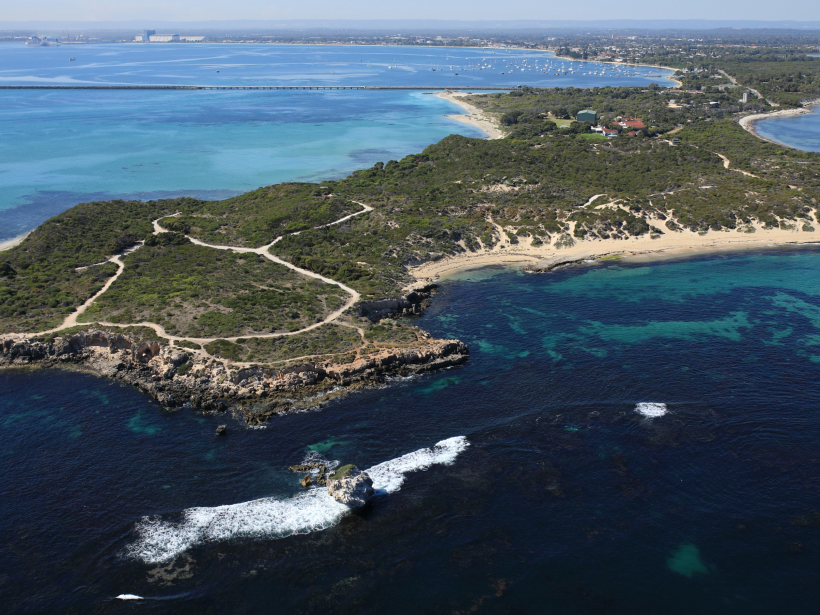
Researchers assess how rough seafloor terrain influences waves
Posted inResearch Spotlights

Modeling Ocean Waves over Rocky Reefs

by S. Witman 12 July 201724 February 2023

A field survey in Australia links rugged seafloor terrain to erosion-causing waves.
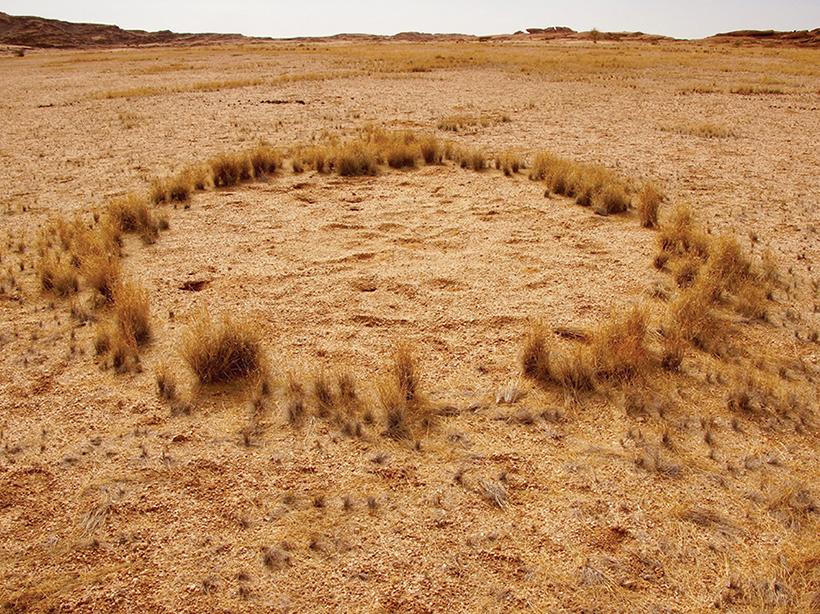
A new study reevaluates a theory behind the mysterious “fairy rings” that vegetation can form in certain environments
Posted inResearch Spotlights

Mysterious "Fairy Circles" Continue to Enchant Scientists

by S. Witman 5 April 201725 October 2022

Researchers revisit an old theory about the ethereal patterns of vegetation that form in some arid landscapes.

sunlight on water
Posted inResearch Spotlights

Sun Glitter Provides a Detailed Map of Ocean Waves

by S. Witman 20 March 20176 February 2023

European scientists use satellite sensors to detect light reflected off waves at the ocean's surface, which could help improve wave forecasts.
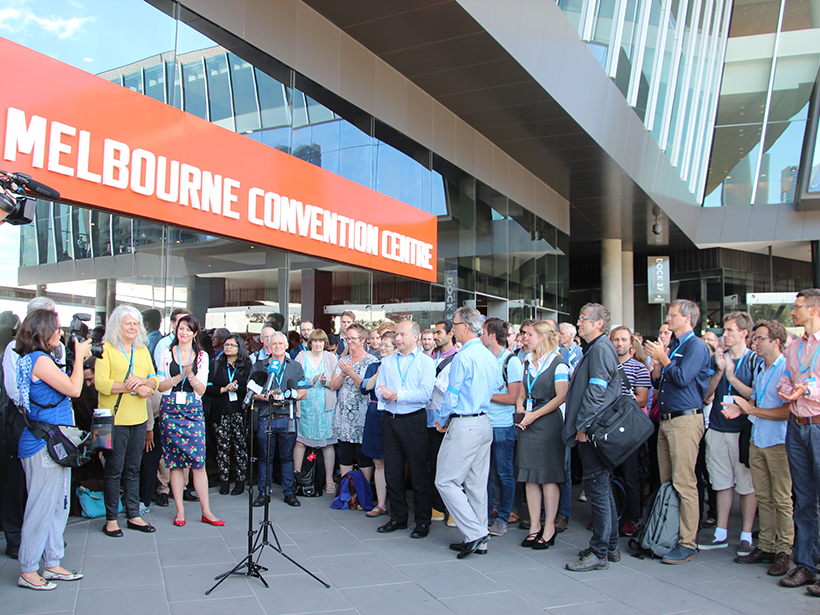
Climate scientists attending a climate science conference in Melbourne staged a lunchtime protest over restructuring and cuts to CSIRO staff and climate research programs.
Posted inNews

Scientists Bittersweet as Australia Backtracks on Climate Cuts

by P. Kollipara 16 August 201625 April 2023

Researchers welcome the prime minister's move to force an independent research institute to reverse some job cuts but say that the damage to Australia's scientific reputation can't be reversed.

Argo ocean floats
Posted inNews

Chilly Reception for New Australian Climate Science Center

by P. Kollipara 3 May 201625 April 2023

After unveiling major planned cuts to climate science early this year, Australia's main science agency proposes a center to coordinate remaining projects. Many decry the proposal as an empty gesture.

Posts pagination

Newer posts 1 … 6 7 8 9 Older posts
Over a dark blue-green square appear the words Special Report: The State of the Science 1 Year On.

Features from AGU Publications

Research Spotlights

The Experiments Improving Our Understanding of Volcanic Tsunamis

12 November 202612 November 2026
Editors' Highlights

Disappearing Moon Craters

9 November 2026
Editors' Vox

Announcing the New AGU Publications Editors-in-Chief Starting in 2027

6 November 20266 November 2026
Eos logo at left; AGU logo at right

About Eos
ENGAGE
Awards
Contact

Advertise
Submit
Career Center
Sitemap

© 2026 American Geophysical Union. All rights reserved Powered by Newspack