
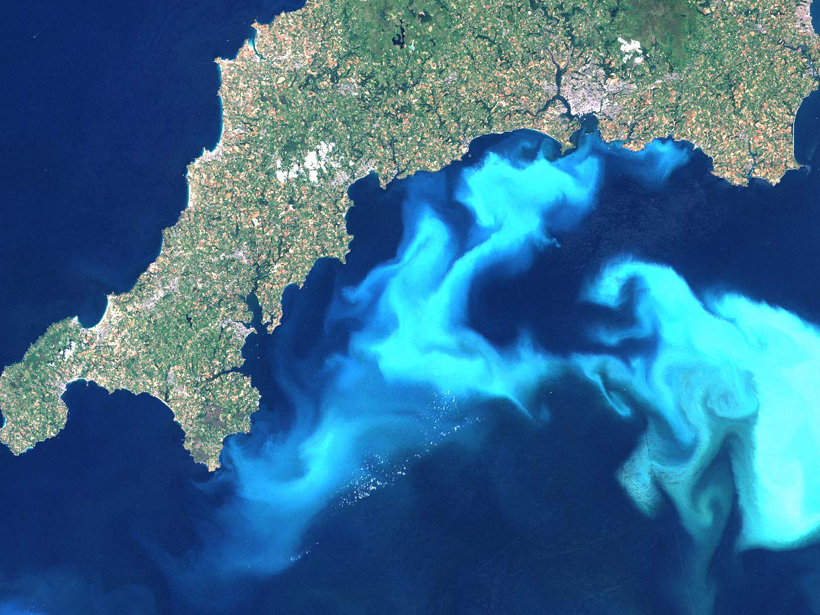
New research suggests more iron during the last ice age did not mean more algae production in the equatorial Pacific, pointing to possible futility of a controversial geoengineering idea.
bacteria & microbes

Posted inNews
Microbes Make a Quick Meal of Methane in a Submarine Canyon

Scientists track the fate of methane released by hydrates in a major canyon off the U.S. East Coast.

Posted inNews
Giant Balls of Bacteria Pile Up on Arctic Lake Beds, Ooze Toxin
Researchers have found cyanobacteria colonies as big as softballs thriving unexpectedly on shallow Greenland lake bottoms, exuding liver-damaging microcystin. Locals dubbed them "sea tomatoes."
Posted inNews
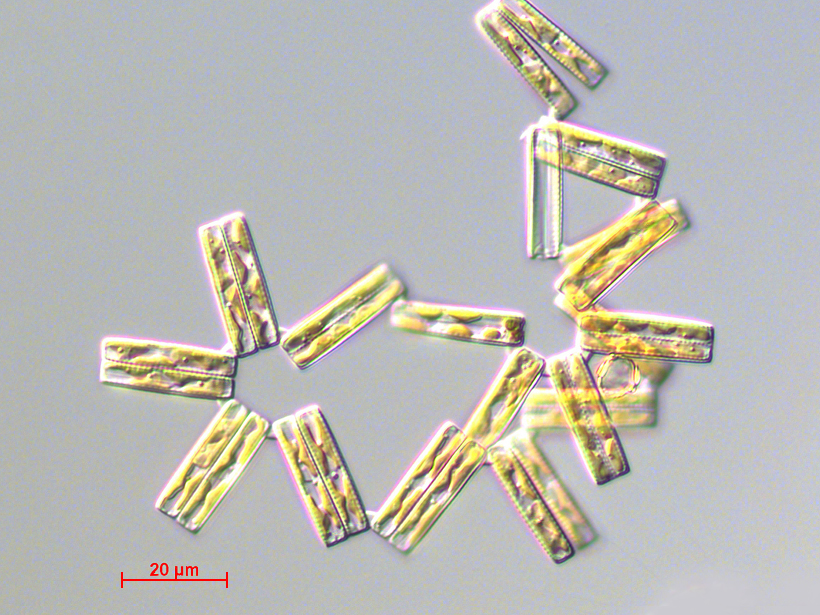
Plankton Reveal New Secrets About Ancient CO2 Levels
An analysis of phytoplankton shells doubles previous estimates of the amount of carbon dioxide in the atmosphere 11 million years ago.

Posted inResearch Spotlights
Rising Temperatures Release Methane Locked in the Seabed

New research shows that when ice in the seafloor melts, single-cell organisms metabolize the methane released, preventing the greenhouse gas from reaching the atmosphere.

Posted inResearch Spotlights
Drought Changes How Peat Bogs Cycle Mercury and Sulfur
Drought conditions dictate whether atmospherically deposited sulfate stays locked in a peatland or is mobilized to stimulate the bacterial methylation of mercury.
Posted inScience Updates
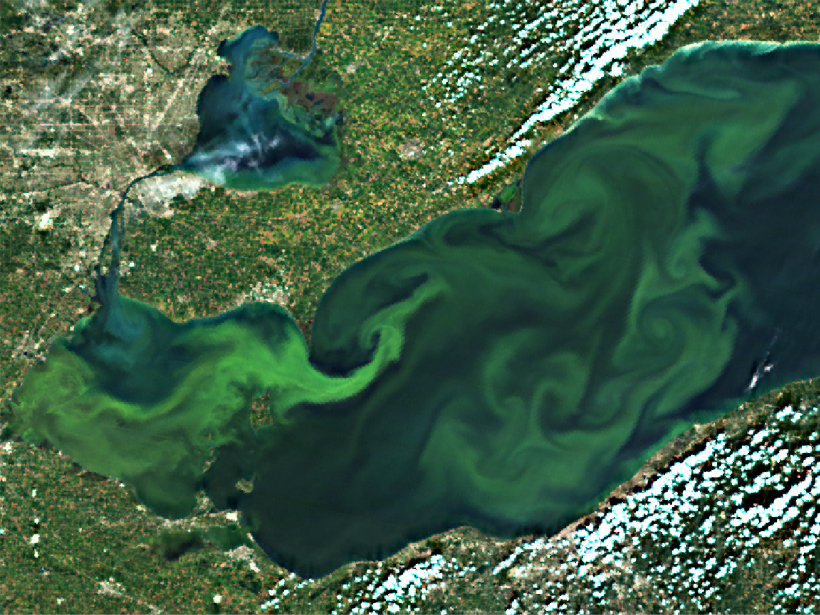
Agencies Collaborate, Develop a Cyanobacteria Assessment Network
An integrated, holistic approach to detecting and characterizing cyanobacteria blooms could reduce human health risks and better direct field resources.

Posted inNews
Cave-Dwelling "Slime Curtains" Cycle Nitrogen and Iron

In a cave accessible only by daredevil divers, extraordinary microbial colonies metabolize nitrogen and iron nutrients and possibly remove pollutants from water.
Posted inAGU News
White Receives 2015 Ocean Sciences Early Career Award
Angelicque White will receive the 2015 Ocean Sciences Early Career Award at the 2015 American Geophysical Union Fall Meeting, to be held 14–18 December in San Francisco, Calif. The award recognizes "significant contributions to and promise in the ocean sciences."
Posted inResearch Spotlights
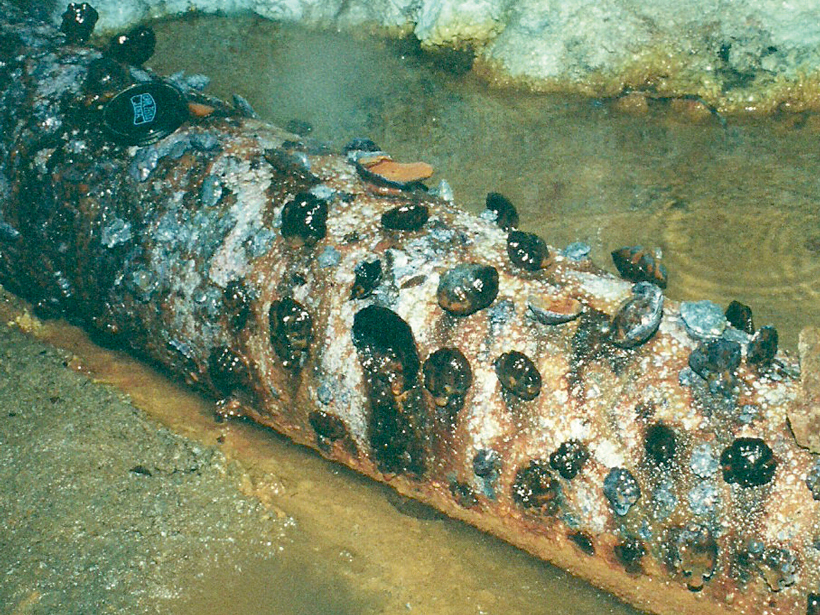
Microbial Communities Form Iron Shells in Abandoned Mines
Fungi and bacteria deposit metal ions on steel objects left behind by miners. These metals form strange clam-like shells on the steel surfaces.