• About
  • Special Reports
  • Topics
    • Climate
    • Earth Science
    • Oceans
    • Space & Planets
    • Health & Ecosystems
    • Culture & Policy
    • Education & Careers
    • Opinions
  • Projects
    • Postcards From the Field
    • ENGAGE
    • Editors’ Highlights
    • Editors’ Vox
    • Eos en Español
    • Eos 简体中文版
    • Print Archive: 2015–2025
  • Policy Tracker
  • Blogs
    • Research & Developments
    • The Landslide Blog
  • Newsletter
  • Submit to Eos
  • AGU.org
  • Career Center
  • Join AGU
  • Give to AGU
  • About
  • Special Reports
  • Topics
    • Climate
    • Earth Science
    • Oceans
    • Space & Planets
    • Health & Ecosystems
    • Culture & Policy
    • Education & Careers
    • Opinions
  • Projects
    • Postcards From the Field
    • ENGAGE
    • Editors’ Highlights
    • Editors’ Vox
    • Eos en Español
    • Eos 简体中文版
    • Print Archive: 2015–2025
  • Policy Tracker
  • Blogs
    • Research & Developments
    • The Landslide Blog
  • Newsletter
  • Submit to Eos
Skip to content
  • AGU.org
  • Career Center
  • Join AGU
  • Give to AGU
Eos

Eos

Science News by AGU

Support Eos
Sign Up for Newsletter
  • About
  • Special Reports
  • Topics
    • Climate
    • Earth Science
    • Oceans
    • Space & Planets
    • Health & Ecosystems
    • Culture & Policy
    • Education & Careers
    • Opinions
  • Projects
    • Postcards From the Field
    • ENGAGE
    • Editors’ Highlights
    • Editors’ Vox
    • Eos en Español
    • Eos 简体中文版
    • Print Archive: 2015–2025
  • Policy Tracker
  • Blogs
    • Research & Developments
    • The Landslide Blog
  • Newsletter
  • Submit to Eos

basalts

Hellisheiði Geothermal Power Station with steam plumes sitting amid green hills
Posted inNews

Basalts Turn Carbon into Stone for Permanent Storage

Kimberly M. S. Cartier, News Writing and Production Intern for Eos.org by Kimberly M. S. Cartier 20 March 202022 November 2021

Scientists have shown that mineral carbonation can permanently capture and store carbon quickly enough and safely enough to rise to the challenge of climate change.

Marius Hills Pit
Posted inNews

Lunar Lava Tubes Could Offer Future Moon Explorers a Safe Haven

JoAnna Wendel, freelance science writer and illustrator by JoAnna Wendel 24 March 201726 January 2022

Scientists find evidence that a 50-meter-deep pit on the Moon's surface could be a skylight opening to an intact lava tube tens of kilometers long.
Posted inResearch Spotlights

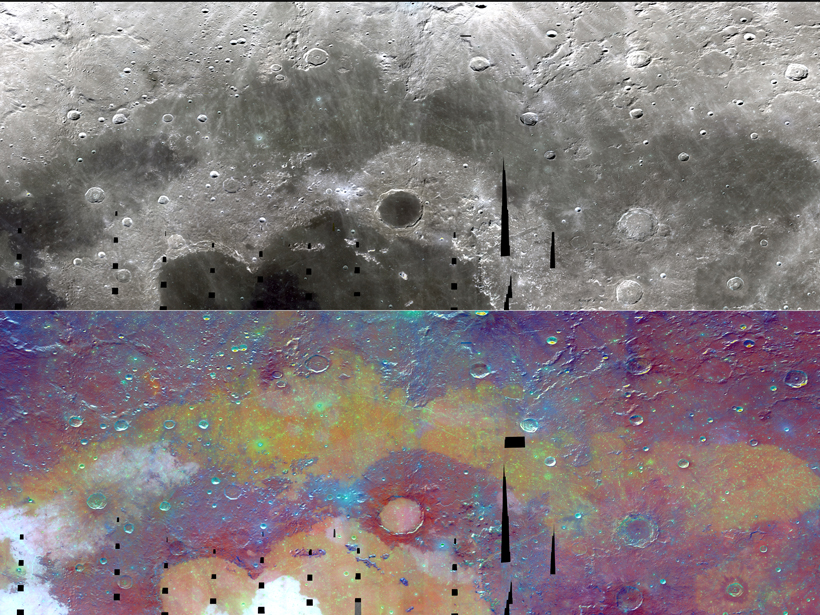
Satellites Reveal the History of the Moon's "Frigid Sea"

by Terri Cook 25 January 201628 July 2022

The history of aluminum-rich basalts in Mare Frigoris may help scientists better understand the evolution of the lunar mantle.
Posted inResearch Spotlights

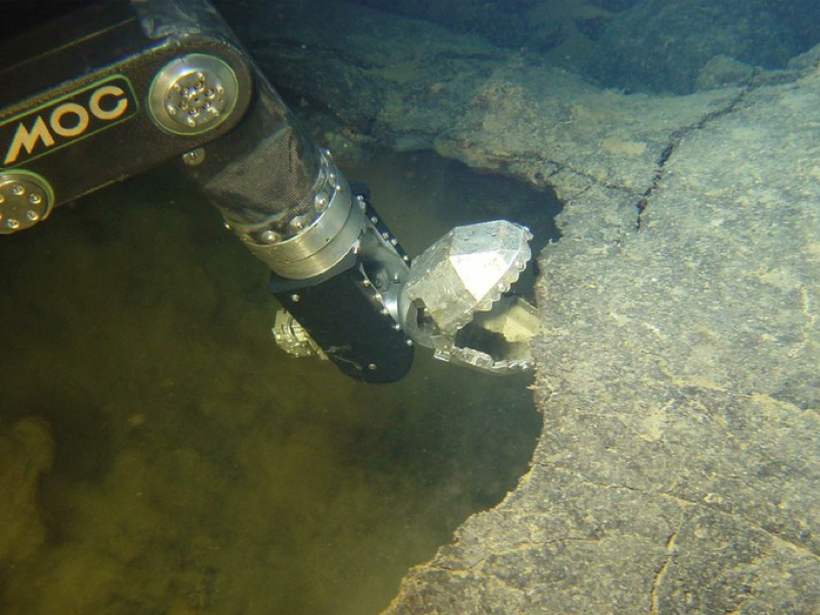
New Insights into the Composition of Inner Earth

Kate Wheeling, freelance science writer by Kate Wheeling 2 October 201528 January 2022

Isotopic signatures in volcanic basalts show that Earth's interior is even less uniform than scientists previously thought.

Posted inScience Updates

Drilling a Small Basaltic Volcano to Reveal Potential Hazards

by P. Shane 11 November 201410 November 2021

Drilling into the Rangitoto Island Volcano in the Auckland Volcanic Field in New Zealand offers insight into a small monogenetic volcano, and may improve understanding of future hazards.

Posts pagination

Newer posts 1 2 3
Over a dark blue-green square appear the words Special Report: The State of the Science 1 Year On.

Features from AGU Publications

Research Spotlights

A Long-Term Look Beneath an Antarctic Ice Shelf

6 March 20266 March 2026
Editors' Highlights

Tropopause Temperature Drives Tropical Cyclone Simulation Diversity

6 March 20266 March 2026
Editors' Vox

Editorial Handover at Perspectives of Earth and Space Scientists

6 March 20266 March 2026
Eos logo at left; AGU logo at right

About Eos
ENGAGE
Awards
Contact

Advertise
Submit
Career Center
Sitemap

© 2026 American Geophysical Union. All rights reserved Powered by Newspack