
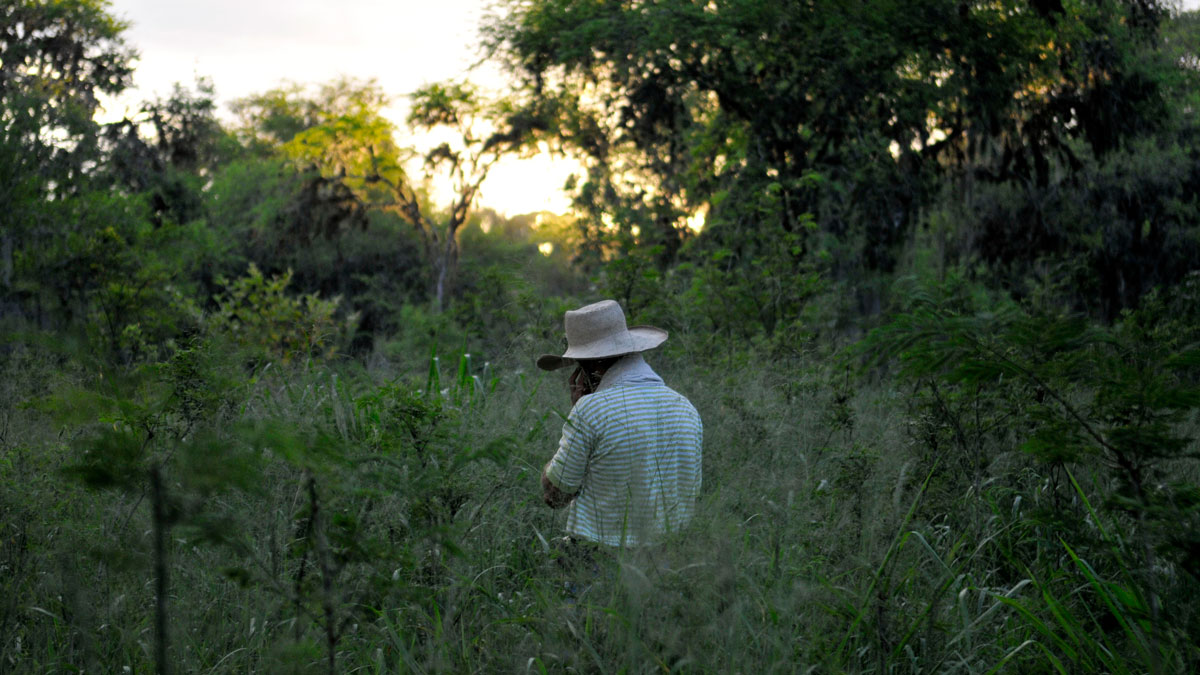
A new study examines the efficacy of REDD+ projects in reducing deforestation and raises questions about the carbon credits the initiative relies on.
carbon emissions
Posted inOpinions
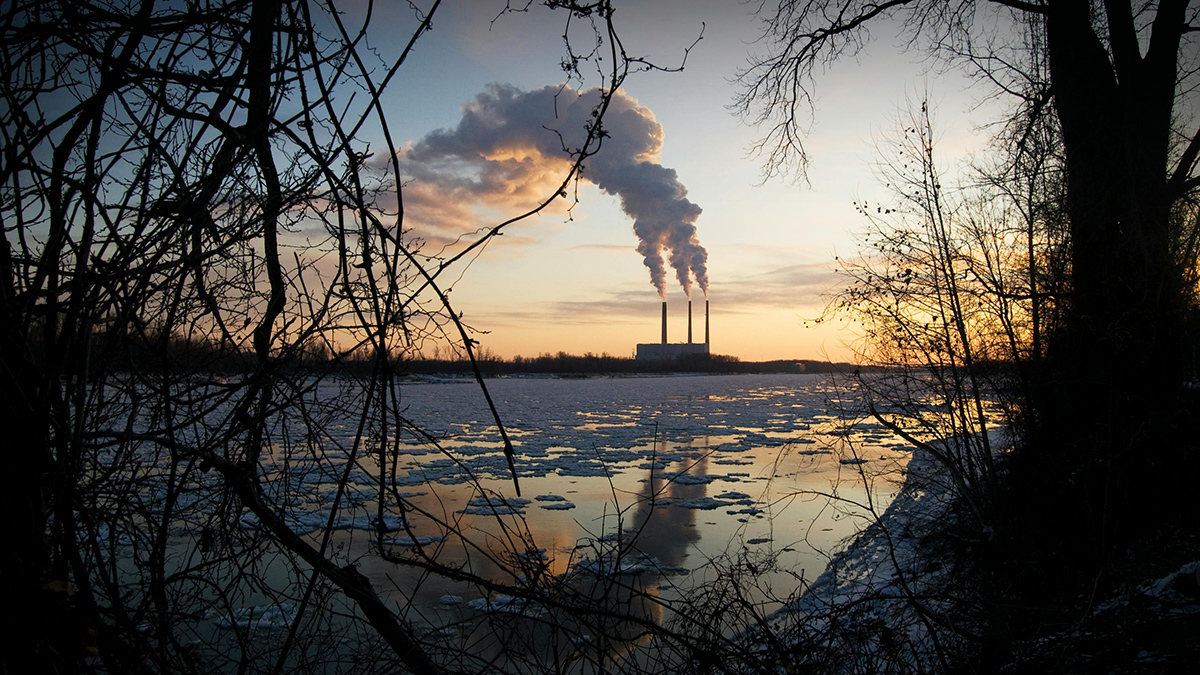
A Better Way to Monitor Greenhouse Gases
A unified, global observing system could more effectively monitor progress in reducing emissions and accelerate climate action through improved data and decision support.

Posted inResearch Spotlights
The Southern Ocean May Be Building Up a Massive Burp

Modeled results suggest that if anthropogenic emissions decrease and the atmosphere cools, heat stored in the Southern Ocean could be released abruptly in a few hundred years, kicking off a temporary warming period.

Posted inResearch Spotlights
Satellite Scans Can Estimate Urban Emissions
As more cities strive to meet climate goals, space-based observations may help fill in the gaps on tracking emissions.
Posted inResearch & Developments
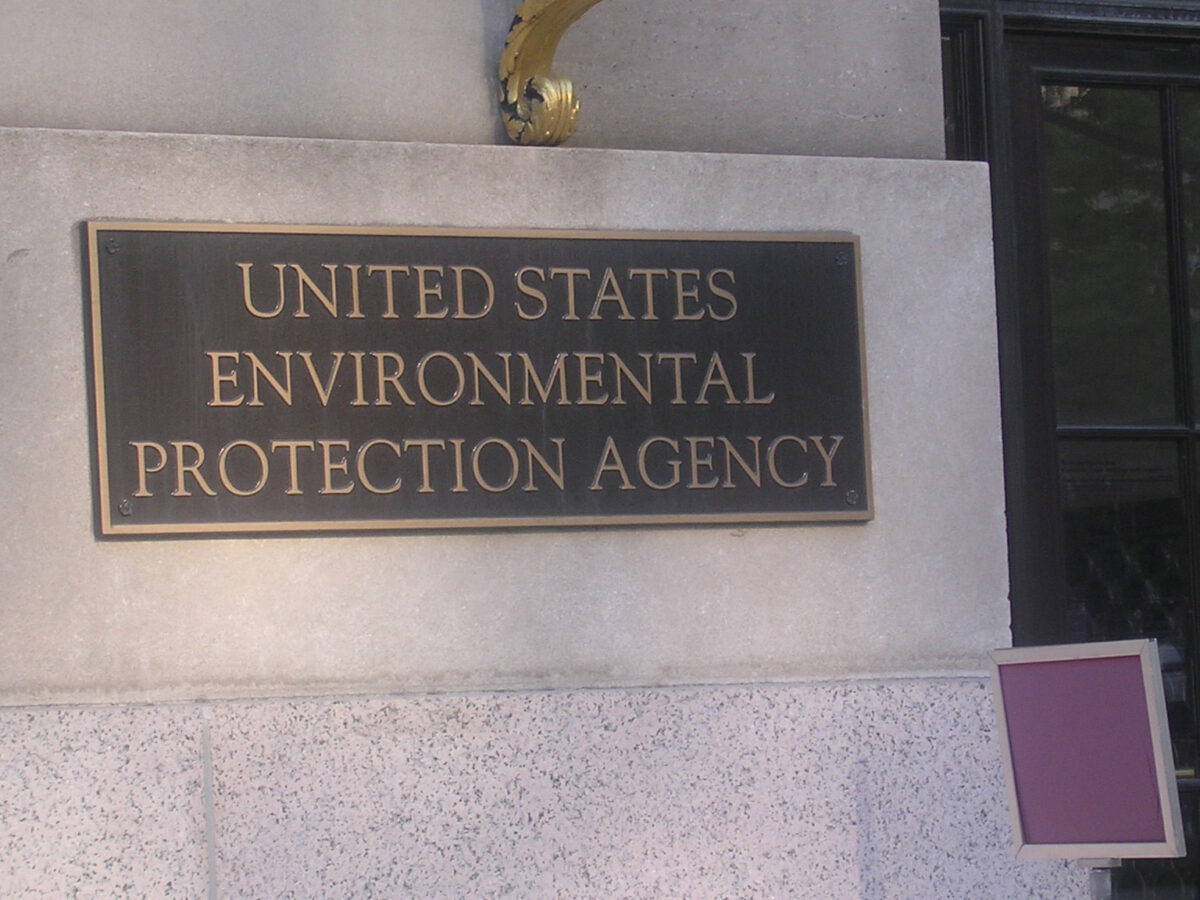
EPA Proposes That Major Polluters No Longer Report Their Emissions

The EPA proposed today that approximately 8,000 polluting facilities, including oil refineries, power plants, and steel mills, should no longer be required to report their greenhouse gas emissions.

Posted inResearch & Developments
Public Speaks Out Against EPA Plan to Rescind Endangerment Finding

Advocates, scientists, doctors, members of Congress, kids, parents, and other individuals spoke out in a series of hearings last week to let the Environmental Protection Agency know how they feel about a potential sea change in climate and environmental policy: the proposed repeal of the 2009 Endangerment Finding.
Posted inResearch Spotlights
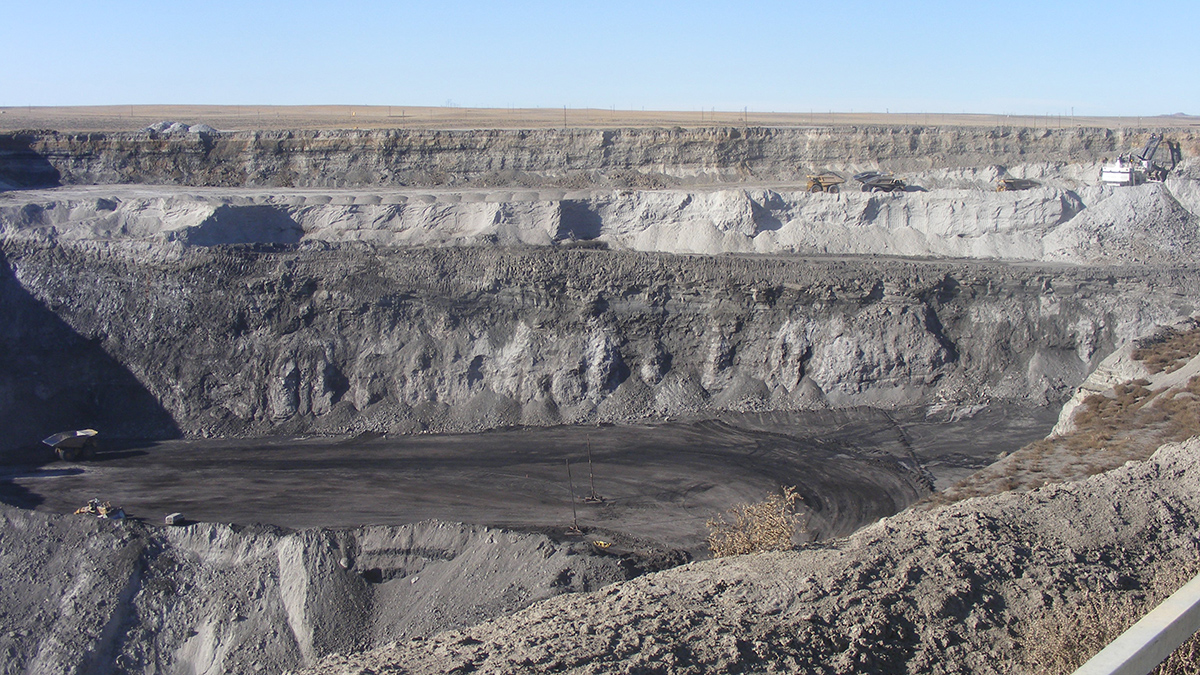
By 2051, Emissions from Coal Mining on Federal Lands Could Drop by 86%
Researchers predict that if early 2024 policies hold, emissions related to coal’s extraction, transportation, and combustion will drop over the next 25 years.
Posted inEditors' Highlights
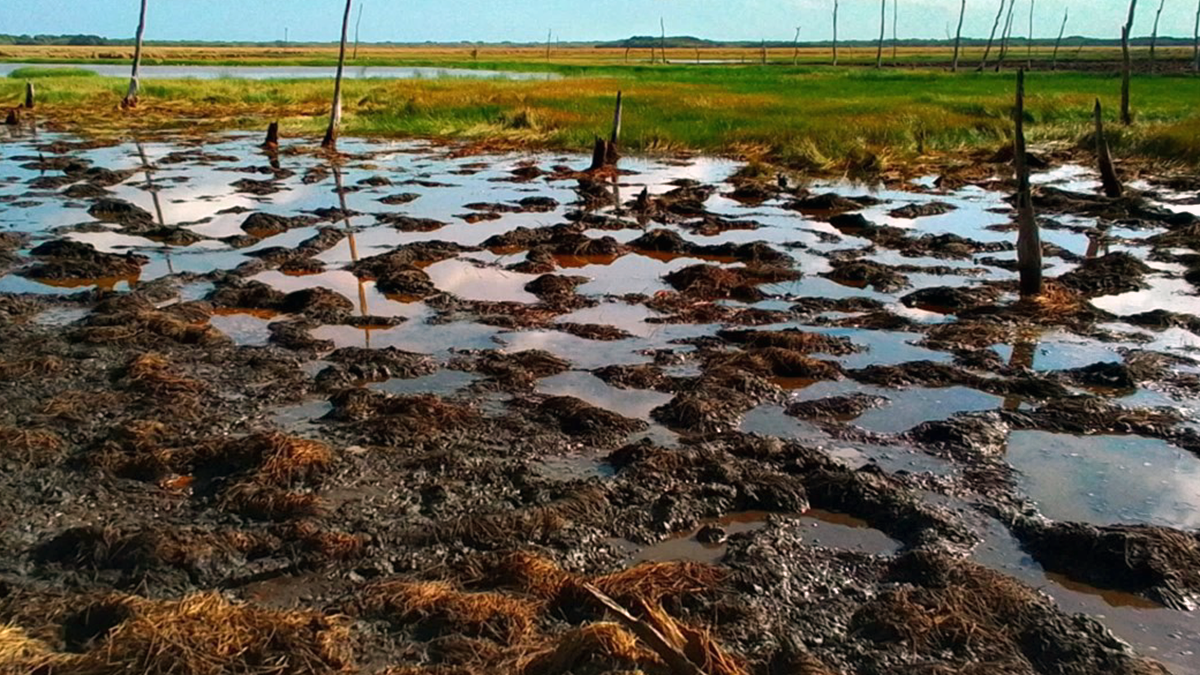
Where the Pigs and Buffalo Roam, the Wetlands They do Bemoan
A novel fenced enclosure study demonstrates the heavy toll that invasive ungulates have on greenhouse gas emissions from coastal wetlands on Indigenous lands in Australia.
Posted inOpinions
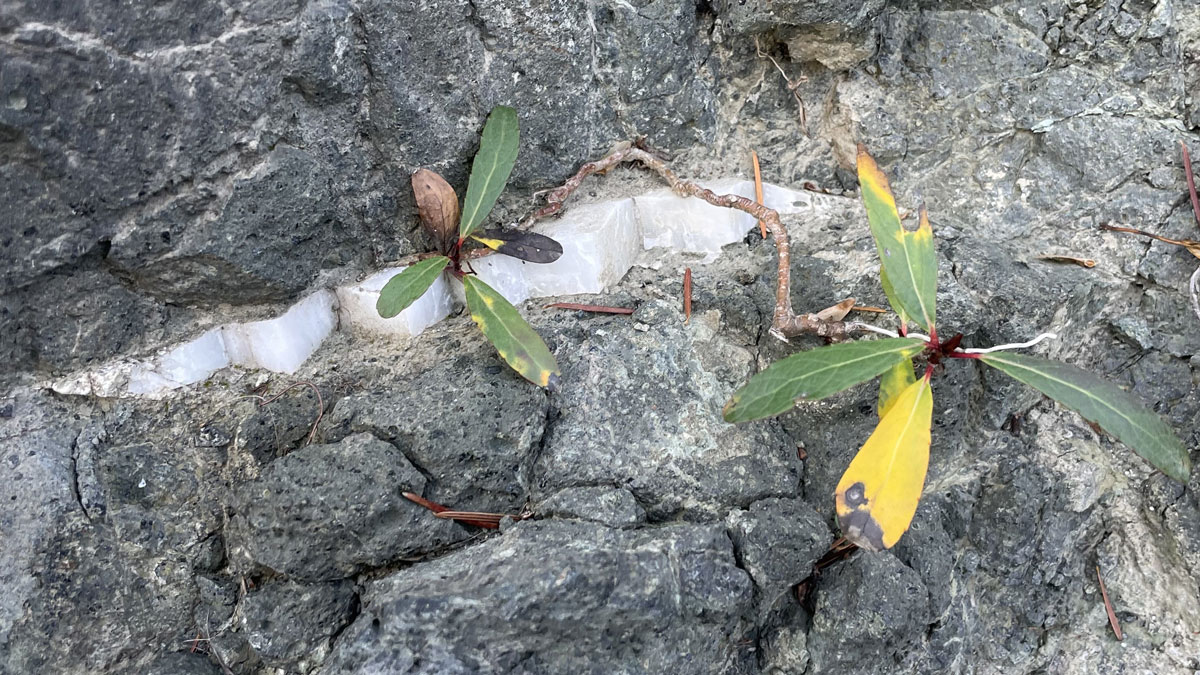
Verdaderas soluciones climáticas están debajo de nosotros
Es momento de aceptar que el almacenamiento duradero de carbono en el subsuelo, junto con la reducción de emisiones, debe ser parte del plan para mitigar los efectos del cambio climático, y las geociencias deben desempeñar un papel central.
Posted inNews
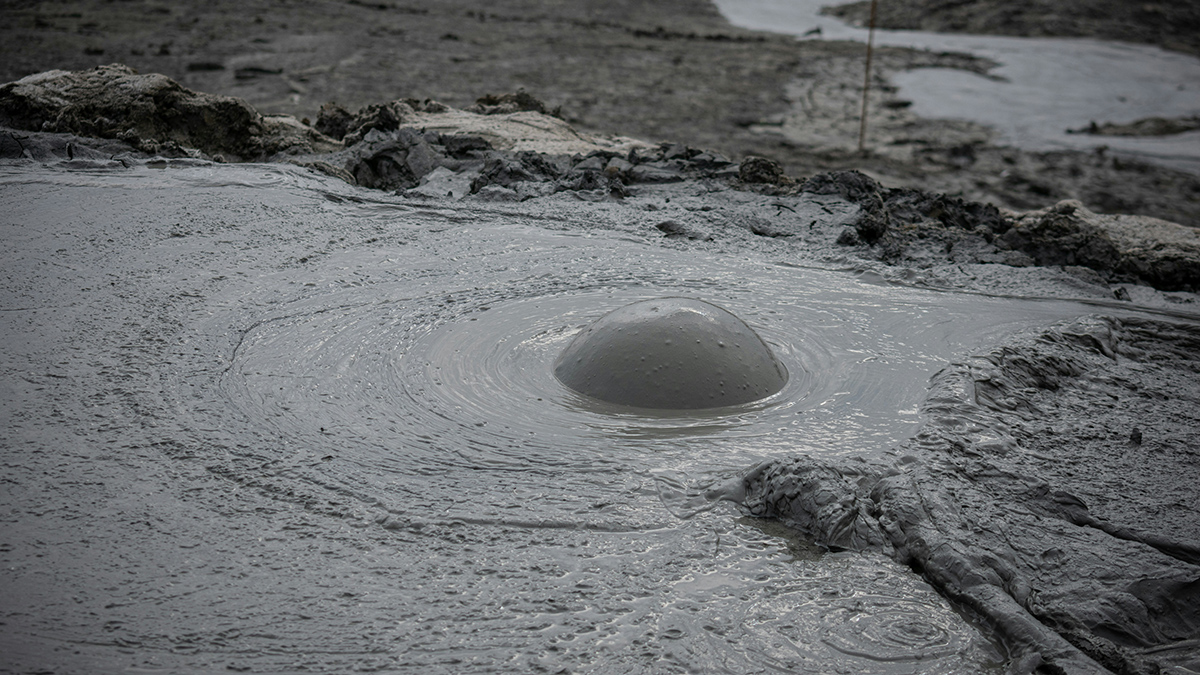
Mapping Mud Volcanoes in Shallow Seas
A team of scientists put together a global database of submarine mud volcanoes. Orders of magnitude more are still bubbling, undiscovered, in the deep ocean.