• About
  • Special Reports
  • Topics
    • Climate
    • Earth Science
    • Oceans
    • Space & Planets
    • Health & Ecosystems
    • Culture & Policy
    • Education & Careers
    • Opinions
  • Projects
    • Postcards From the Field
    • ENGAGE
    • Editors’ Highlights
    • Editors’ Vox
    • Eos en Español
    • Eos 简体中文版
    • Print Archive: 2015–2025
  • Policy Tracker
  • Blogs
    • Research & Developments
    • The Landslide Blog
  • Newsletter
  • Submit to Eos
  • AGU.org
  • Career Center
  • Join AGU
  • Give to AGU
  • About
  • Special Reports
  • Topics
    • Climate
    • Earth Science
    • Oceans
    • Space & Planets
    • Health & Ecosystems
    • Culture & Policy
    • Education & Careers
    • Opinions
  • Projects
    • Postcards From the Field
    • ENGAGE
    • Editors’ Highlights
    • Editors’ Vox
    • Eos en Español
    • Eos 简体中文版
    • Print Archive: 2015–2025
  • Policy Tracker
  • Blogs
    • Research & Developments
    • The Landslide Blog
  • Newsletter
  • Submit to Eos
Skip to content
  • AGU.org
  • Career Center
  • Join AGU
  • Give to AGU
Eos

Eos

Science News by AGU

Support Eos
Sign Up for Newsletter
  • About
  • Special Reports
  • Topics
    • Climate
    • Earth Science
    • Oceans
    • Space & Planets
    • Health & Ecosystems
    • Culture & Policy
    • Education & Careers
    • Opinions
  • Projects
    • Postcards From the Field
    • ENGAGE
    • Editors’ Highlights
    • Editors’ Vox
    • Eos en Español
    • Eos 简体中文版
    • Print Archive: 2015–2025
  • Policy Tracker
  • Blogs
    • Research & Developments
    • The Landslide Blog
  • Newsletter
  • Submit to Eos

carbon

Sediment cores retrieved from the Atacama Trench (top left) and sliced on board (top right)
Posted inResearch Spotlights

A Deep Dive into Organic Carbon Distribution in Hadal Trenches

Kate Wheeling, freelance science writer by Kate Wheeling 28 May 20219 November 2022

Researchers use sediment cores to study the amount and origin of sediment organic carbon in one of the least studied regions of the planet: hadal trenches.
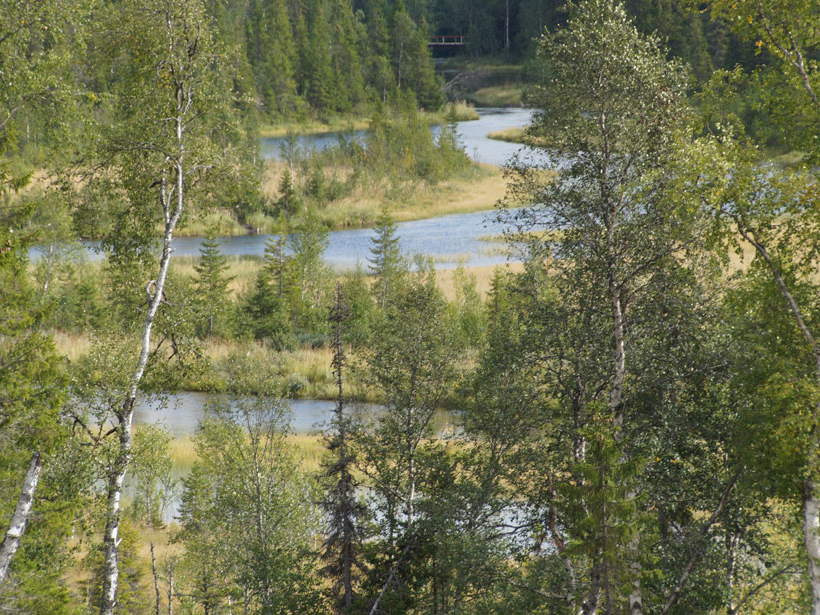
A boreal landscape in northern Sweden, the focus of new research on the carbon cycle
Posted inResearch Spotlights

Organic Particles Affect Carbon Cycling in Boreal Waters

Aaron Sidder, freelance science writer by Aaron Sidder 2 January 201928 March 2023

Dissolved organic carbon receives much of the focus in aquatic research, but a new study suggests that bulkier particulate matter may play a significant role in regulating carbon dioxide emissions.

Posts pagination

Newer posts 1 … 6 7 8
Over a dark blue-green square appear the words Special Report: The State of the Science 1 Year On.

Features from AGU Publications

Research Spotlights

Tiny Cyanobacteria May Be the Secret Heroes of Ocean Carbon Sequestration

10 September 202610 September 2026
Editors' Highlights

Waves Play a Key Role for Lateral Stirring and Mixing of Ocean Tracers

11 September 202611 September 2026
Editors' Vox

How Can We Make Better Decisions About What Lies Underground?

10 September 202610 September 2026
Eos logo at left; AGU logo at right

About Eos
ENGAGE
Awards
Contact

Advertise
Submit
Career Center
Sitemap

© 2026 American Geophysical Union. All rights reserved Powered by Newspack