
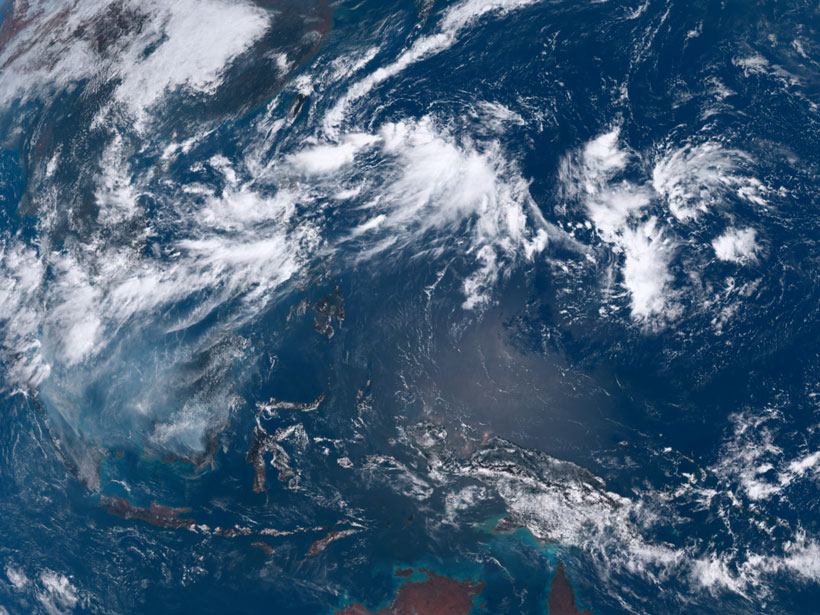

Rapid temperature spikes in the stratosphere above Antarctica can influence weather and spark cyclones in the Northern Hemisphere’s tropics.
Climate Change
Posted inNews
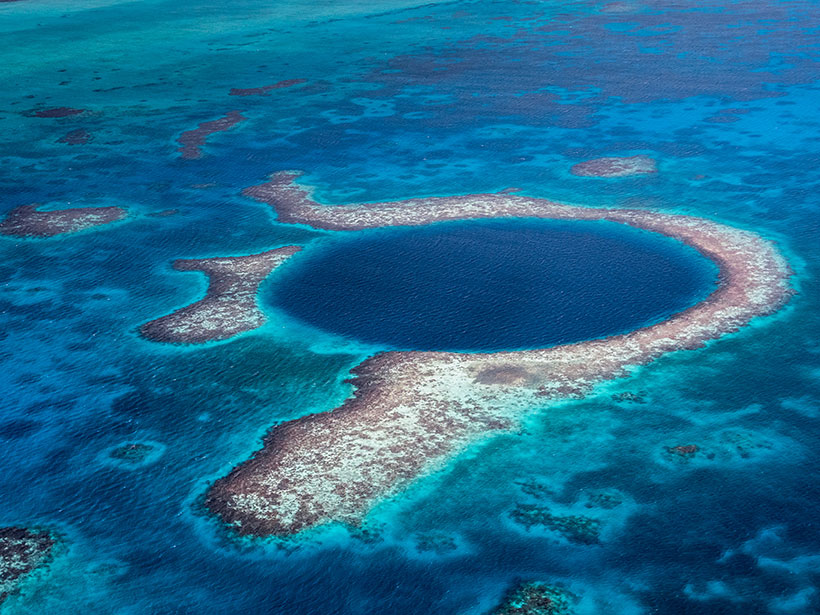
Severe Cyclones May Have Played a Role in the Maya Collapse

Sediment cores from the Great Blue Hole reveal that a series of extreme storms hit the region after 900. The storms may have irreparably damaged an already stressed Maya population.

Posted inNews
Wildfires Trigger Long-Term Permafrost Thawing

Researchers used satellite data to trace ground subsidence in a permafrost-rich region in eastern Siberia following a wildfire.
Posted inNews
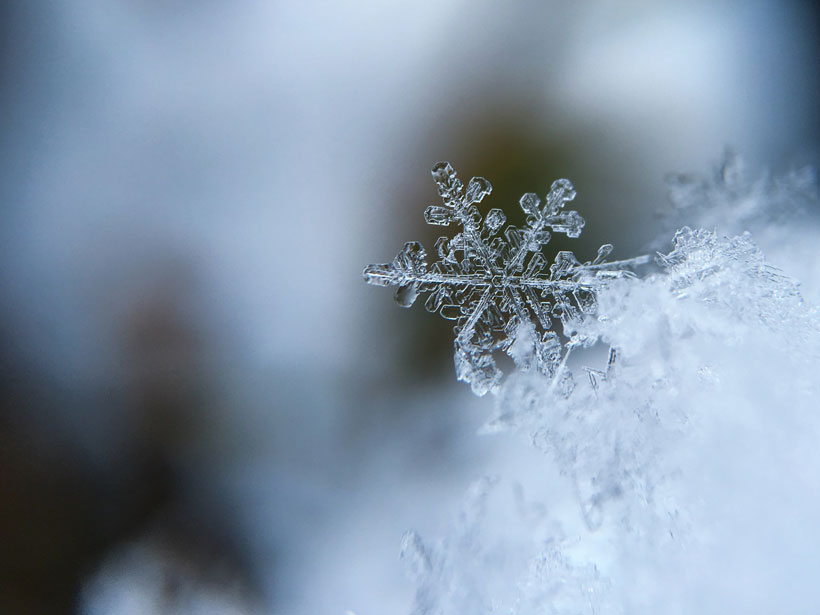
New Tool Quantifies and Predicts Snow Droughts
A new metric for calculating snow water equivalence relies on three methodologies: modeling, satellite imagery, and direct observation.

Posted inNews
Drones Help Bridge the Gaps in Assessing Global Change

New instruments in the research tool kit bolster scientific understanding of the ecology of a greening Arctic.

Posted inResearch Spotlights
Ideal Temperatures for Carbon Uptake by Subtropical Plants

Air temperatures in coastal ecosystems of Australia routinely exceed the optimum range for photosynthesis, hindering plants’ ability to take up atmospheric carbon.
Posted inNews
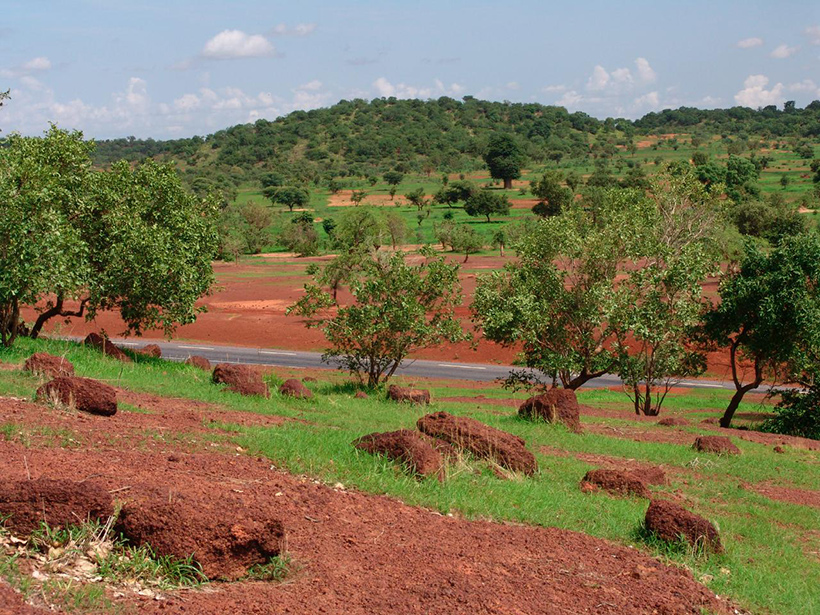
Mathematical Insights into the West African Monsoon

A tool from dynamic systems theory is helping atmospheric scientists identify how dust and moisture mix over West Africa.
Posted inAGU News
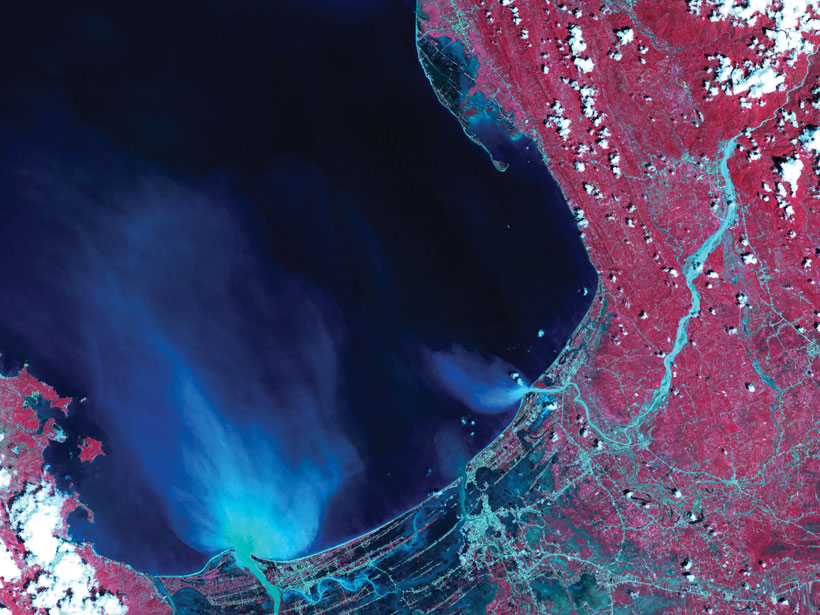
Bringing Satellite Observations Down to Earth

This month’s issue of Eos shows how scientists can sometimes get a better look at something by stepping far—much, much farther—away.
Posted inResearch Spotlights
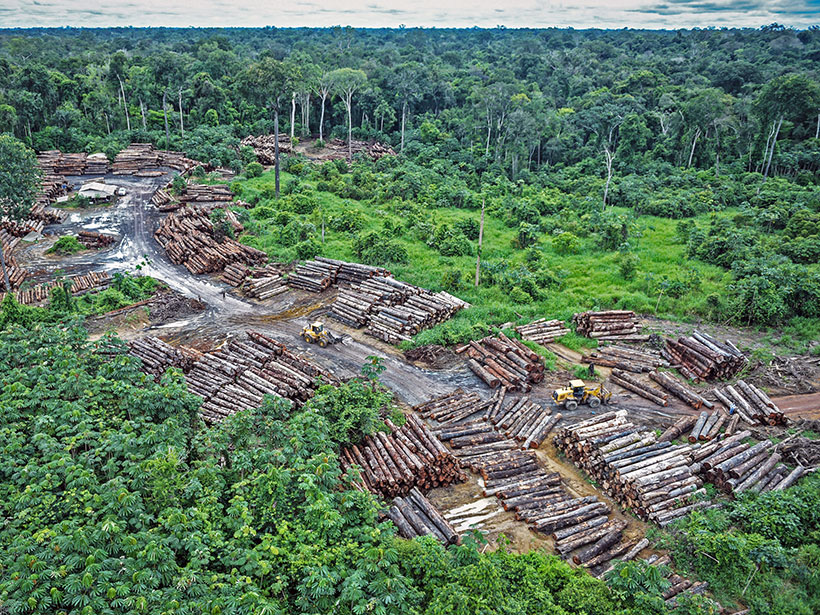
How Forest Degradation Affects Carbon and Water Cycles
Forest degradation may be as widespread as deforestation in the Amazon, but its impact on energy, carbon, and water fluxes is less well understood.

Posted inScience Updates
Planning a Sustainable Future for Earth’s Oceans
Ocean experts are engaged in a long-term effort to envision, develop, and implement best practices for meeting today’s needs while preserving ocean resources for future generations.