

How can scientists use YouTube livestreams to help the public better understand scientific concepts?
Climate Change
Posted inResearch Spotlights
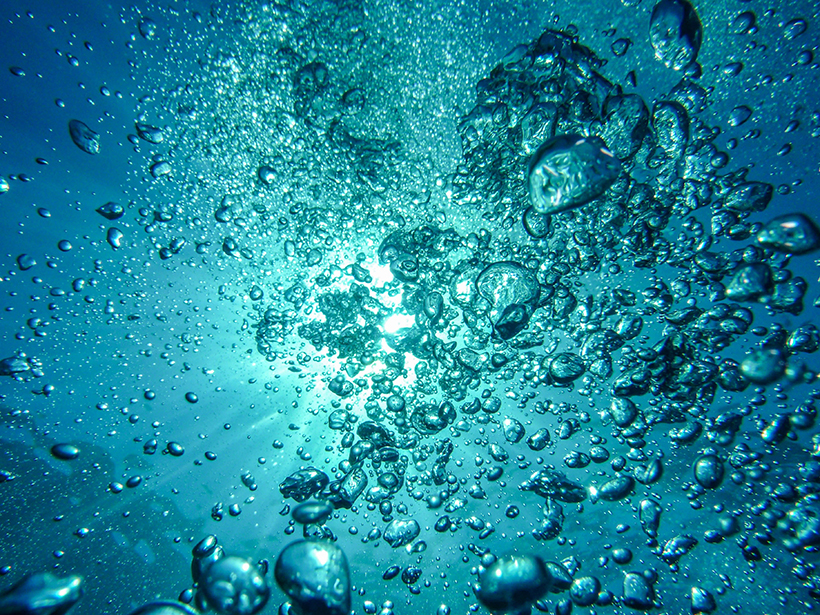
Deep-Ocean Oxygen May Increase with Climate Change

A millennial-scale ocean simulation indicates that oxygen gains in the deep ocean may offset oxygen losses in the upper water layer under a protracted climate change scenario.
Posted inResearch Spotlights
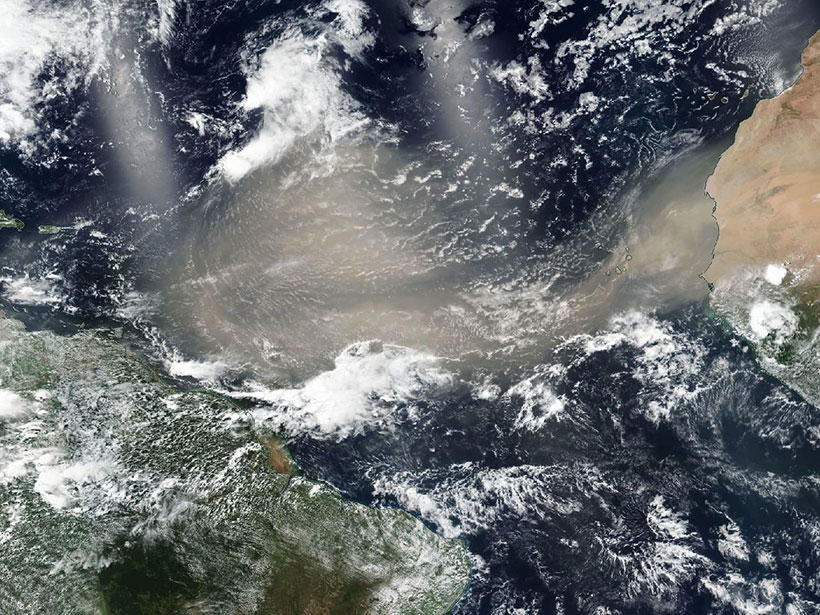
Trans-Atlantic Dusts May Not Enrich Amazon as Much as Thought
New research indicates that nutrient loads delivered to South American ecosystems by dust originating in Africa are far lower than suggested in previous studies.
Posted inNews
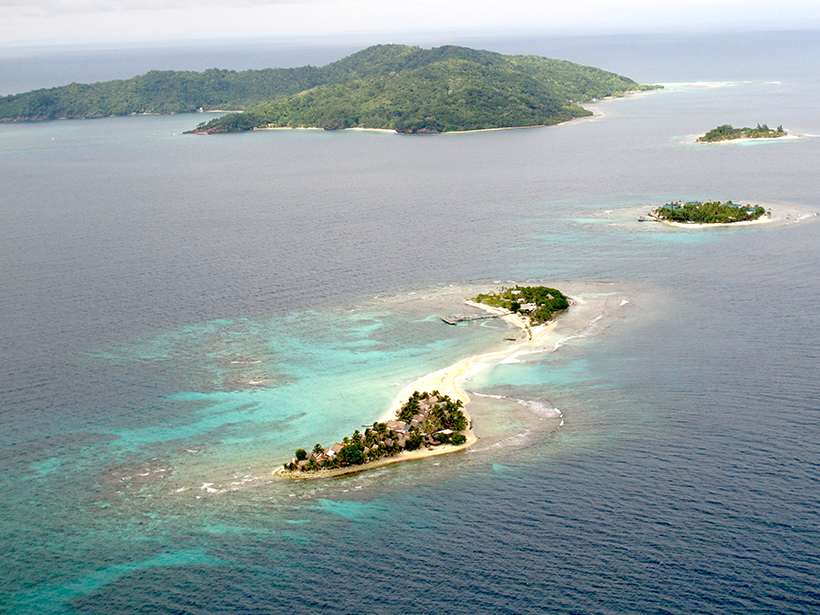
Scientists Support Local Activities to Rescue the Mesoamerican Reef
The reef’s report card analyzed 286 sites in Mexico, Belize, Guatemala, and Honduras. Communities, scientists, and governments are working to improve coral and ecosystem resilience.
Posted inNews
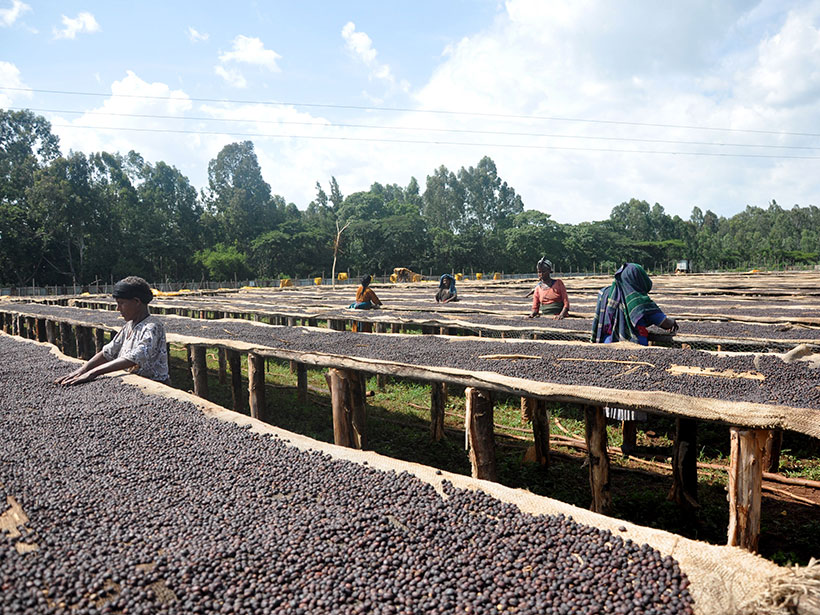
Ethiopia’s Coffee-Growing Areas May Be Headed for the Hills
New research suggests climate change may radically redefine the regions best suited to grow one of Ethiopia’s most valuable crops.
Posted inEditors' Highlights
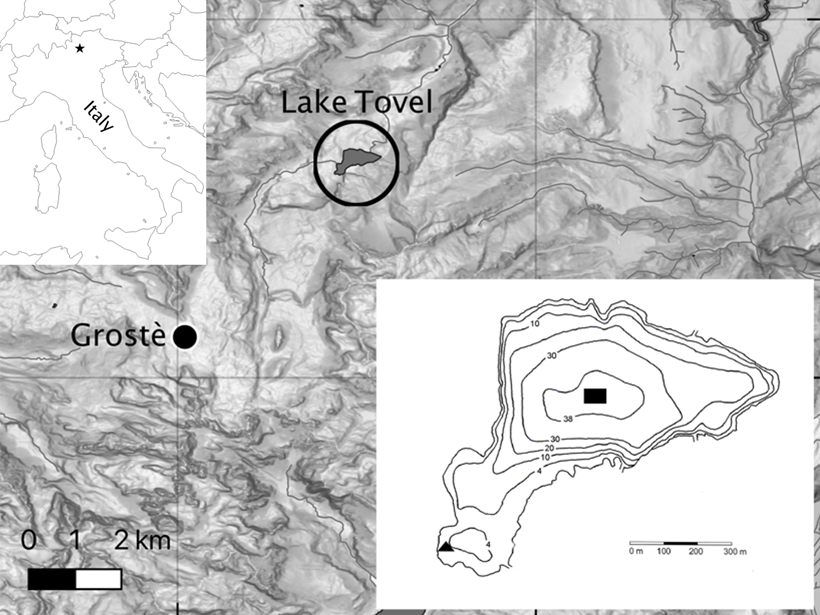
Climate Warming Improves Oxygen Mixing in a High-Altitude Lake
Long term weather and lake data from a high elevation lake in the Alps demonstrate that climate warming may actually improve the ability of high-altitude deep lakes to mix their waters.
Posted inResearch Spotlights
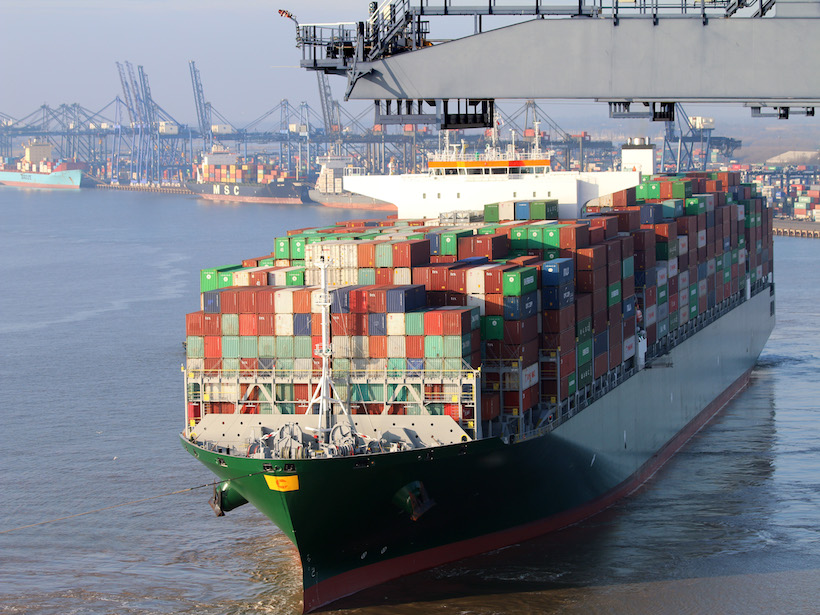
Seaports Expected to Grow by up to Fourfold by 2050

New research finds adaptation of ports to sea level rise cheap compared to new construction needed to keep up with growing maritime trade.
Posted inNews
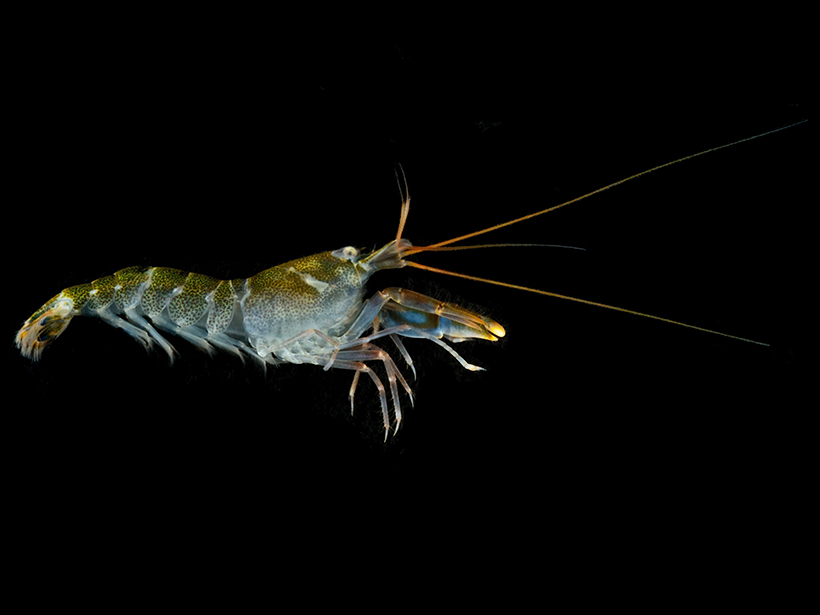
Camarones Chasqueadores Hacen Más Ruido en Aguas Cálidas

Conforme el océano se calienta debido al cambio climático, ruidos más fuertes podrían enmascarar los llamados de otros animales marinos usados para navegar, buscar alimento o pareja.
Posted inEditors' Highlights
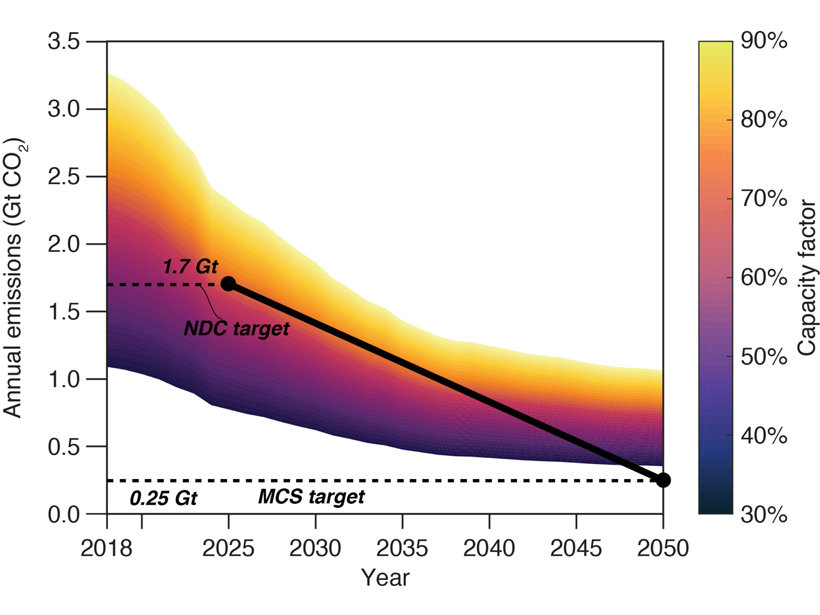
Committed U.S. Power Emissions Incompatible with Paris Agreement
Without a significant reduction in usage, committed emissions from coal and gas plants in the United States are already incompatible with the country’s pledges under the Paris climate agreement.
Posted inNews
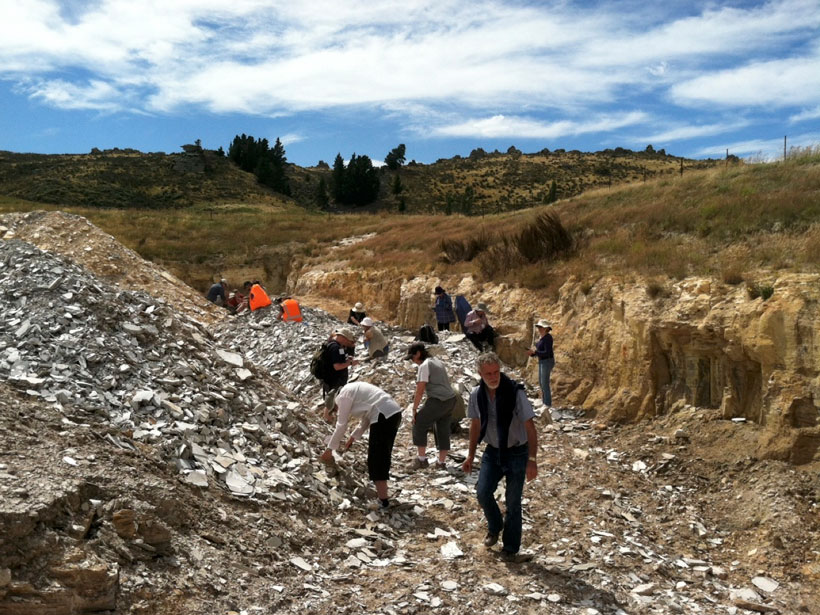
Ancient “Pickled” Leaves Give a Glimpse of Global Greening
A unique fossil lake bed in New Zealand has revealed insights into global climate under elevated levels of carbon dioxide but is now off-limits to scientists.