
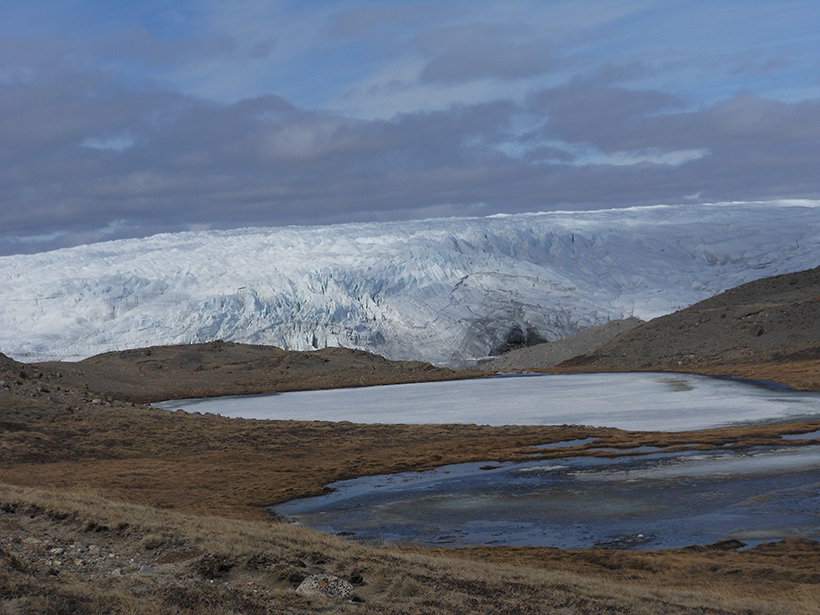
KAIRN (Kangerlussuaq International Research Network) 2nd Annual Meeting; Acadia National Park, Maine, 4–7 May 2016
Climate Change

Posted inNews
Europe to Push Paris Climate Accord over Brink to Take Effect

Enough member states in the European Union have already individually ratified the agreement to meet the emissions requirement for the agreement to go into force.

Posted inScience Updates
Developments in Ice Core Research on Past Climate Change
IPICS 2016 Open Science Conference; Hobart, Australia, 7–11 March 2016
Posted inResearch Spotlights
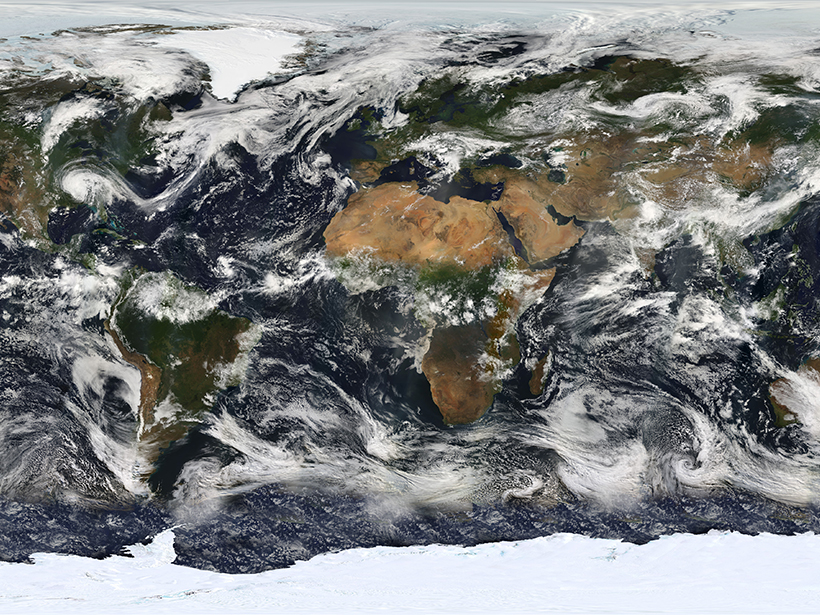
Eliminating Uncertainty One Cloud at a Time

The impact of clouds on climate change has been a scientific mystery for decades. Now researchers are fighting to gain the upper hand.

Posted inResearch Spotlights
Mars’s Climate May Have Been Wet Much Later Than Thought

Water-carved valleys may be relatively young, challenging assumptions about the history of the Red Planet's climate.
Posted inScience Updates
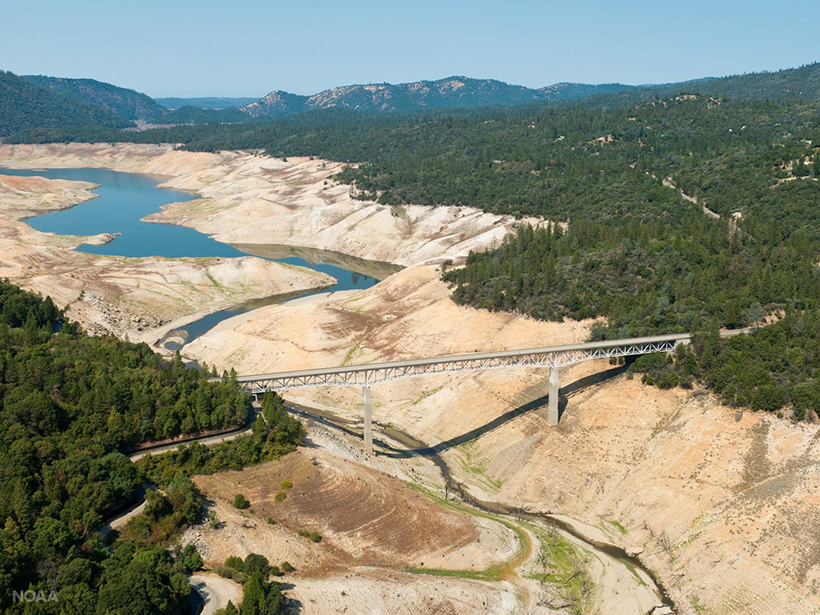
Climate Change, Groundwater Management, and California's Future
Conference on Climate Change and the Sustainable Groundwater Management Act; University of California, Davis, California, 4–5 April 2016

Posted inResearch Spotlights
Tide Gauge Records May Underestimate 20th Century Sea Level Rise

Tide gauges can help measure sea level change, but their limited locations and short records make it hard to pinpoint trends. Now researchers are evaluating the instruments' limitations.

Posted inEditors' Vox
The Arctic Freshwater Synthesis
The result of international study and coordination, this Special Issue provides an important "state-of-the-science" review of changing systems and their potential impacts.
Posted inNews
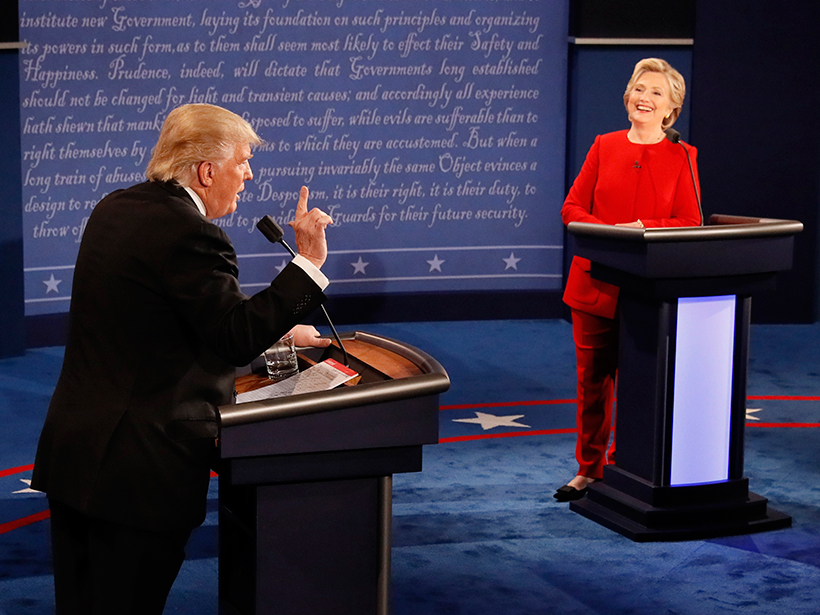
Candidates Have Dustup over Climate in First Debate

During the first presidential candidate debate Monday, Donald Trump denied saying that climate change is a hoax, but his own tweets show otherwise.
Posted inNews
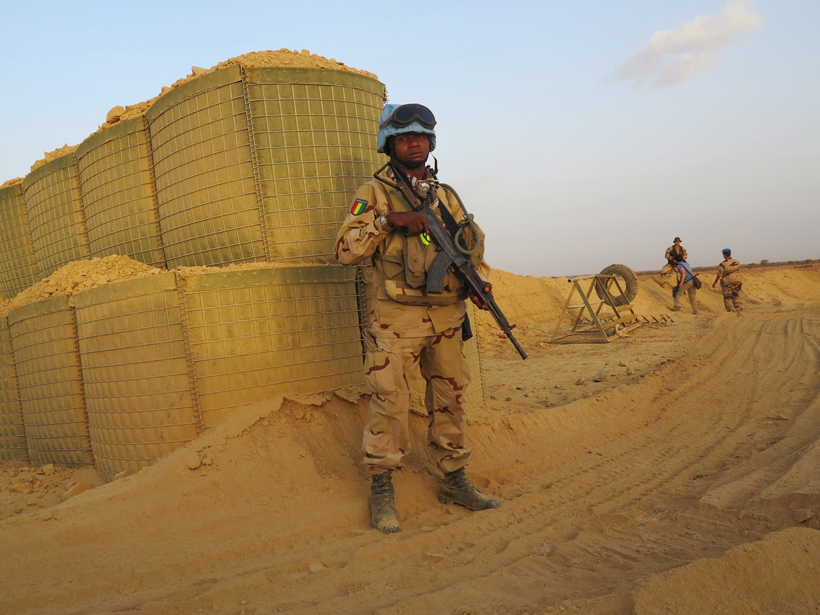
White House: National Security Plans Must Consider Climate Risks
Along with the new policy directive, the administration released a report on how climate changes—from more extreme weather to sea level rise—can threaten national security.