

The North Water polynya might not be as dependent on a sea ice bridge as previously thought, but not everyone is convinced.
Climate Change

Posted inNews
Underground Heat Could Be a Problem, or a Perk, for Chicago Buildings

Heat released by old and inefficient Chicago buildings could, if harnessed, be an energy solution.

Posted inOpinions
AI Could Reshape Climate Communication
If we can overcome its pitfalls, AI holds promise for improving trust in climate science and activating a largely disengaged public, with meaningful consequences for health and well-being globally.

Posted inNews
Diez ríos que enfrentan contaminación, desarrollo y cambio climático–Y las políticas que pueden ayudar
Reporte anual destaca 10 vías fluviales que han llegado a encrucijadas en las cuales el apoyo del público puede determinar si reciben protección.

Posted inResearch Spotlights
Earth’s “Third Pole” and Its Role in Global Climate

The Tibetan Plateau is a major force in the global climate system and a hot spot for climate change. A new review summarizes the state of knowledge and identifies research needs related to the region.
Posted inResearch Spotlights
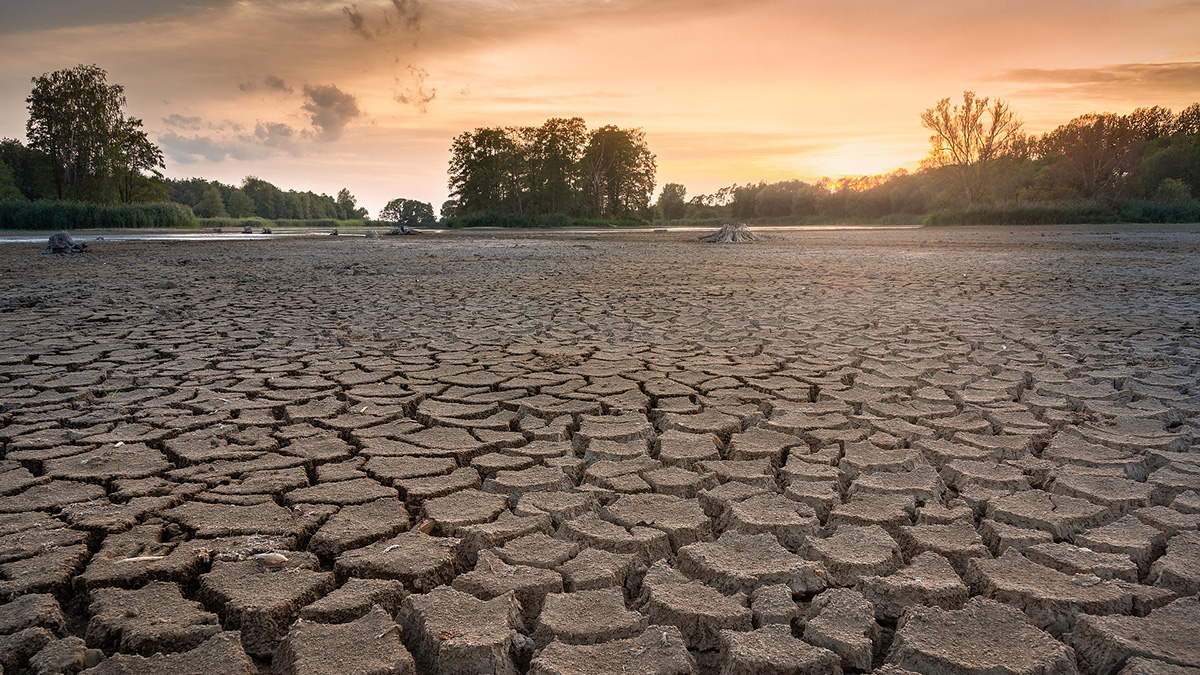
El cambio climático está secando a los suelos

Los suelos terrestres se están secando a medida que el planeta se calienta, pero aún no está claro que tan seco es muy seco.
Posted inEditors' Vox
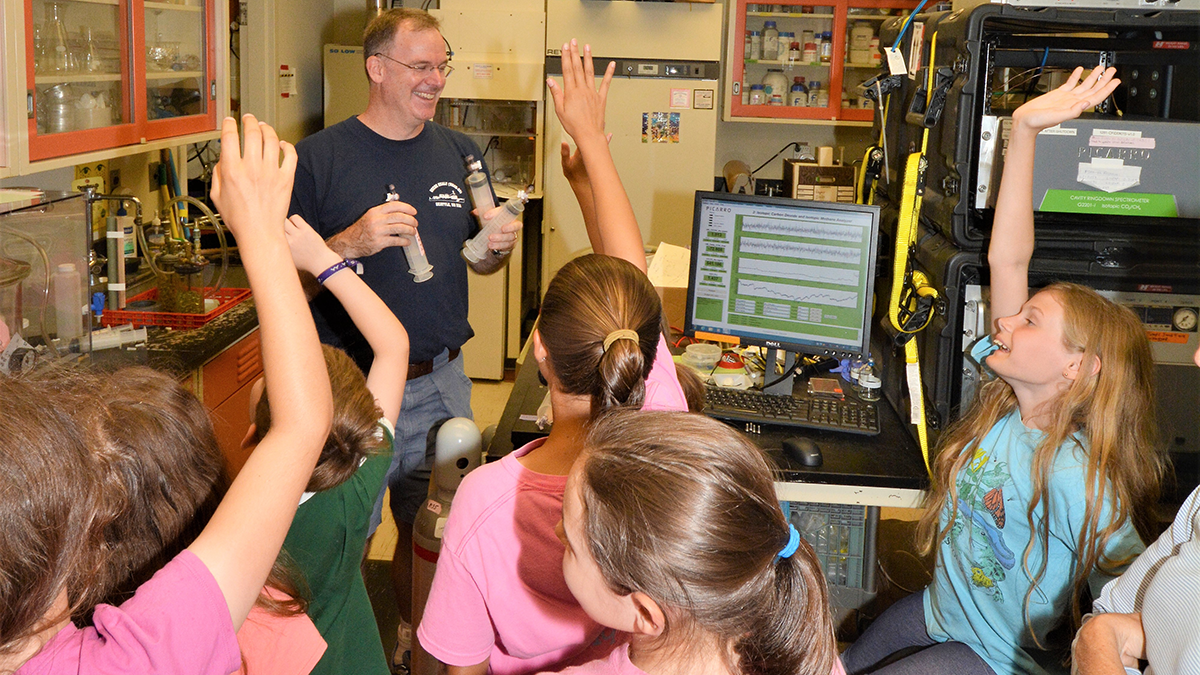
One Solution to the Climate Crisis: Better High School Education
Integrating Earth and space science into high school biology, chemistry, and physics courses may be the best way to educate the public about climate science.
Posted inEditors' Highlights
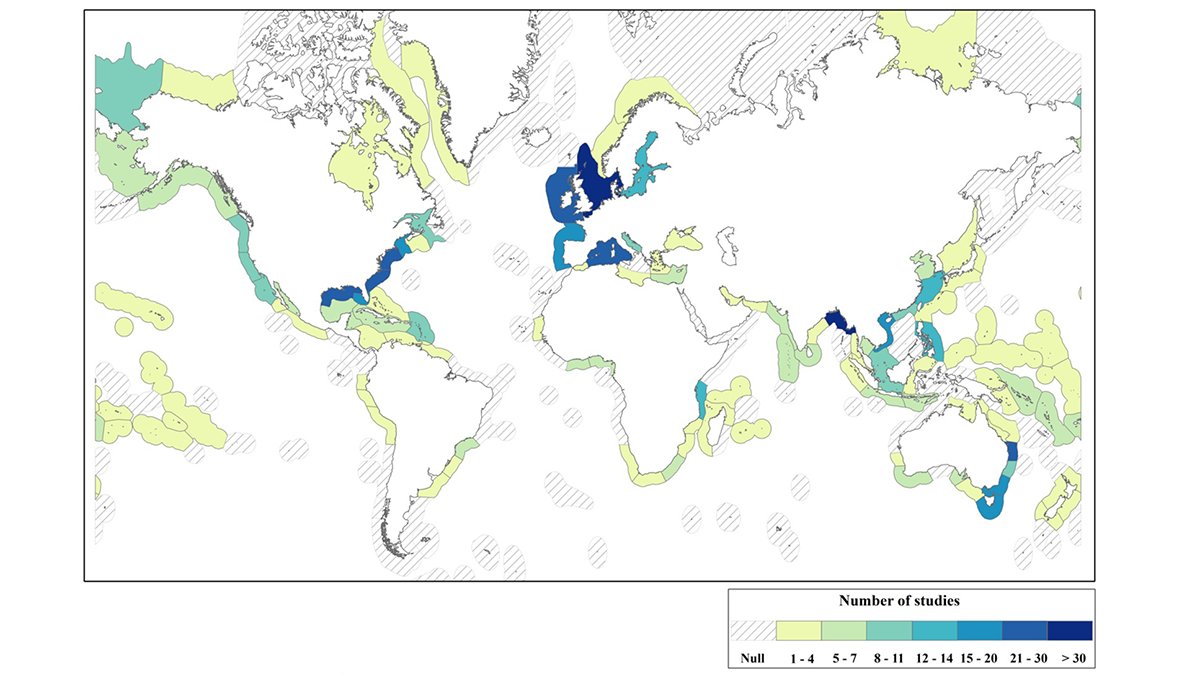
Gaps and Challenges in Coastal Adaptation Research
A new study reviews 650 empirical studies on coastal adaptation, revealing knowledge gaps on its implementation, policy, governance, and economic contexts, especially in the Global South.

Posted inOpinions
Why—and How to—Engage Artists in Science
Breaking down the artificial barriers between science and art can lead to collaborations, broaden the understanding of problems facing communities, and grow engagement to explore solutions.
Posted inEditors' Highlights
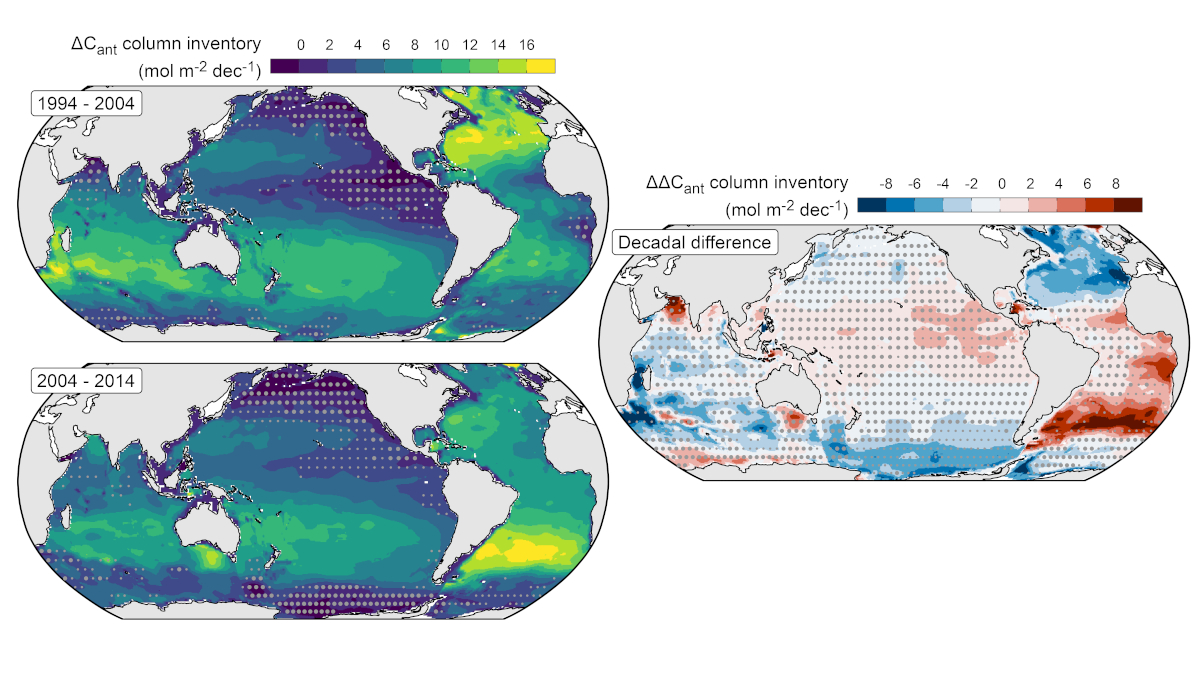
A Multidecadal View of Oceanic Storage of Anthropogenic Carbon
A decline in the ratio of ocean carbon accumulation to atmospheric carbon dioxide growth between 1994-2004 and 2004-2014 suggests a reduction in the sensitivity of the ocean carbon sink.