
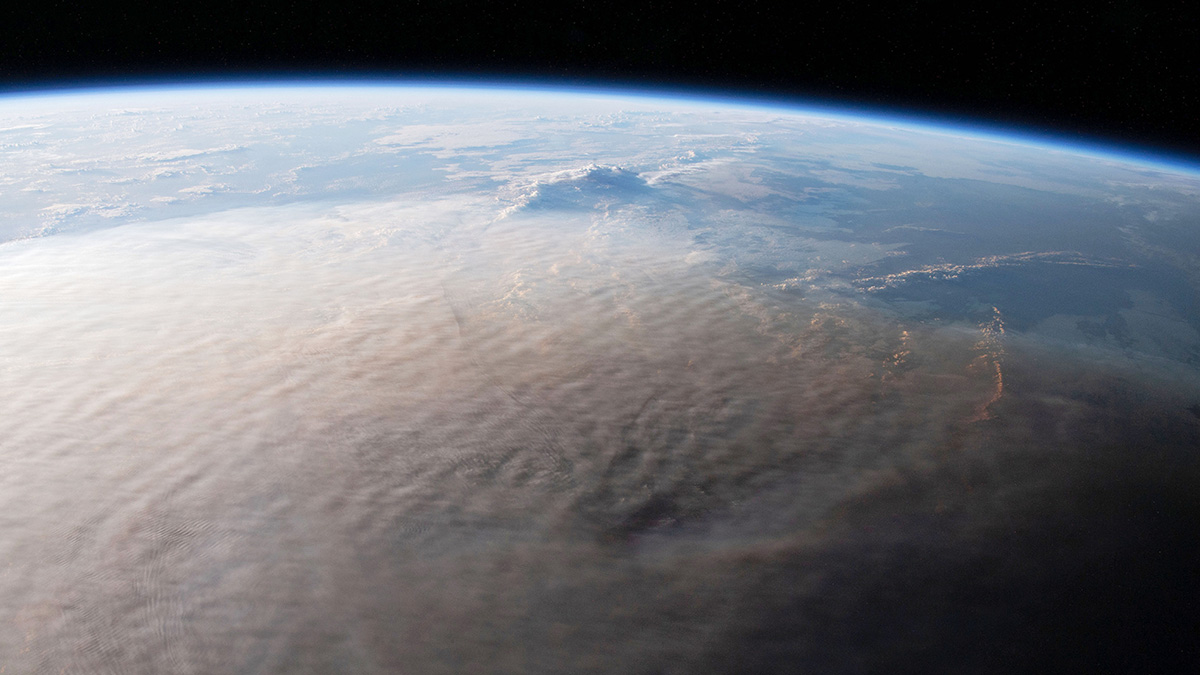
The underwater eruption of Hunga Tonga–Hunga Ha‘apai sent megatons of water vapor into the stratosphere, contributing to an increase in global warming over the next 5 years.
Climate Change
Posted inResearch Spotlights
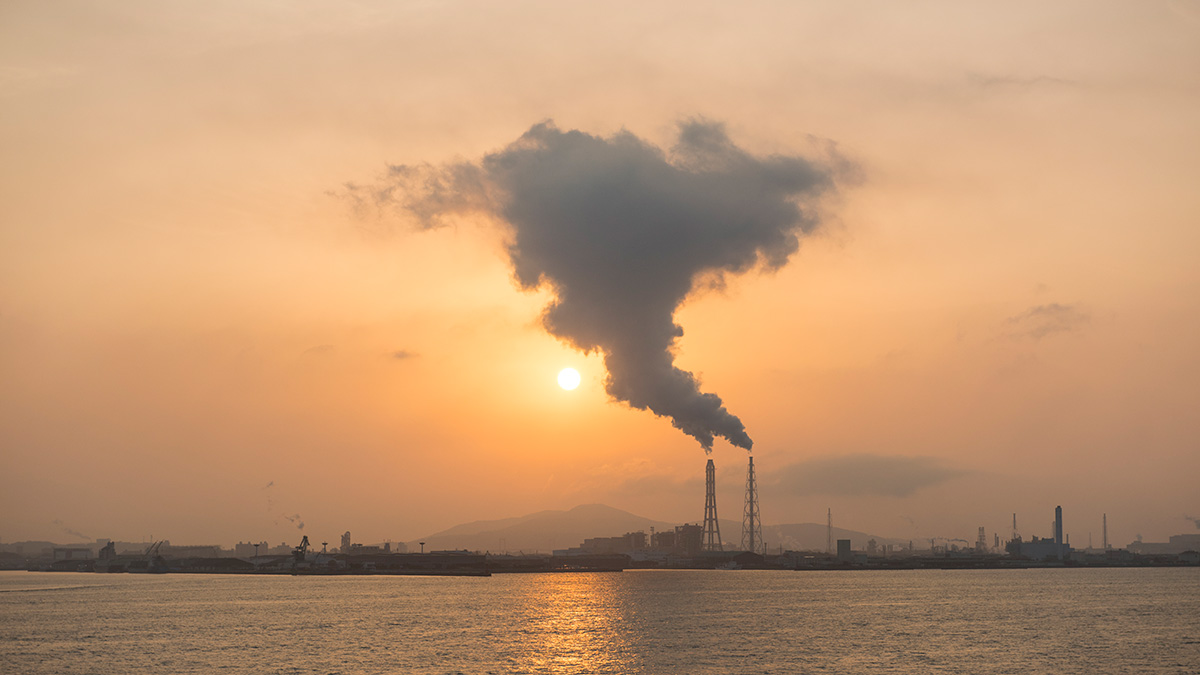
El dióxido de carbono antropogénico es rastreado hacia el océano

Con ayuda de un modelo de circulación oceánica, un equipo de investigadores logró etiquetar y rastrear el carbono emitido antropogénicamente para determinar si su destino es la atmósfera o el océano.
Posted inNews
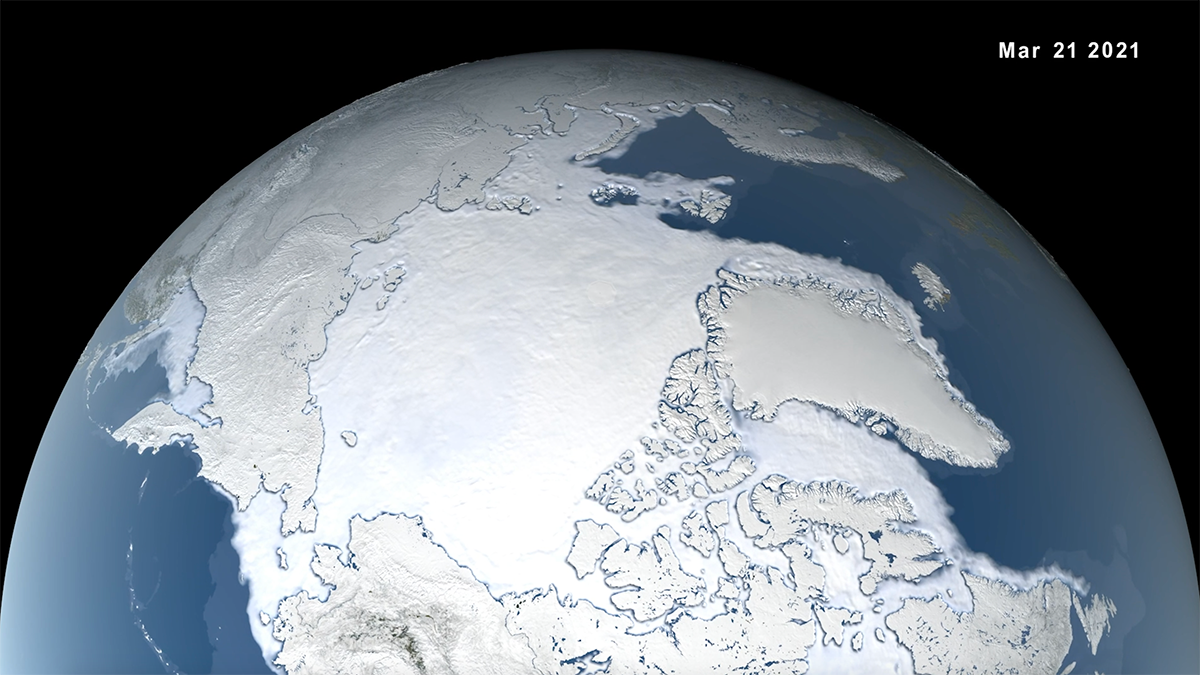
Rivers in the Sky Are Hindering Winter Arctic Sea Ice Recovery

Climate change is increasing the frequency of moisture-dumping atmospheric rivers in the Arctic. The storms are pushing back sea ice at a time of year when it should be expanding.

Posted inNews
Native Plants Are Hiding Up High, but Invaders Are Catching Up
Far from pristine outposts of nature, mountains across the world are being rapidly colonized by non-native plants that spread uphill along roads.

Posted inScience Updates
Making Sense of the Great Barrier Reef’s Mysterious Green Donuts
Researchers set sail to the Great Barrier Reef to study how ring-shaped algae deposits formed and evolved, what feeds them, and the diversity of creatures that call them home.

Posted inNews
Extreme Wildfires Make Their Own Weather
Extreme fires in the western United States and Southeast Asia influenced the local weather in ways that make fires and smoke pollution worse.

Posted inNews
Silicate Weathering Throttles the Global Thermostat
The natural breakdown of some rocks sucks carbon dioxide out of the atmosphere. Knowing how quickly it happens could help scientists engineer solutions to the climate crisis.
Posted inNews
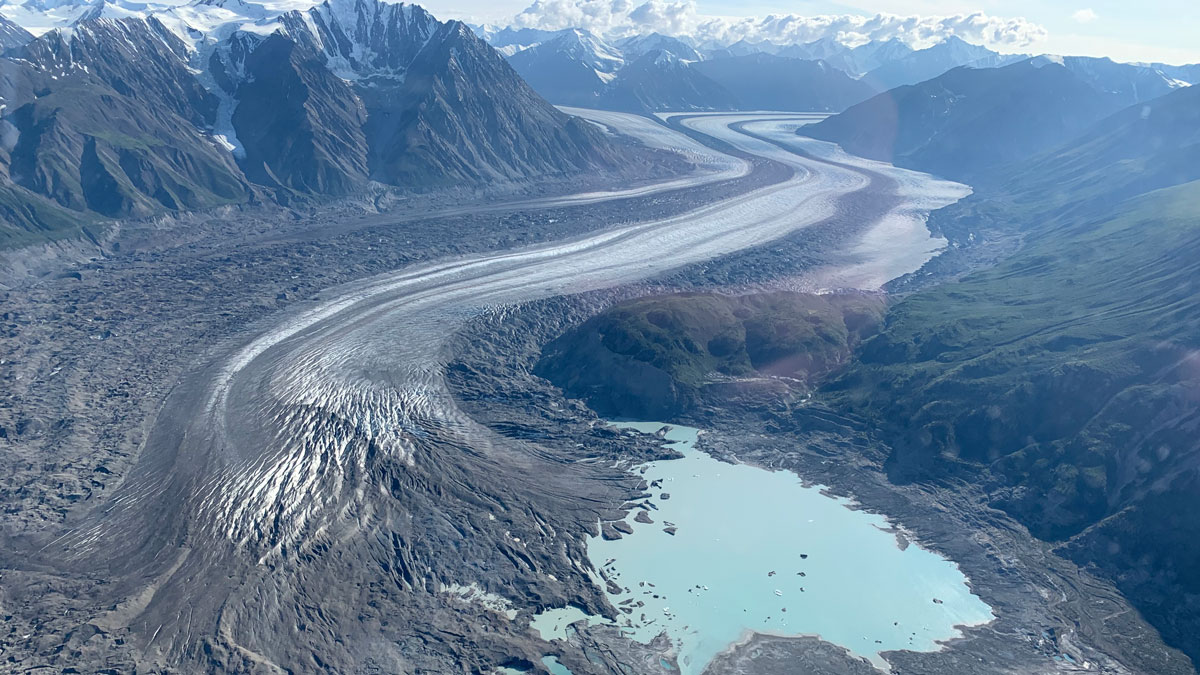
Lakes Can Change How Glaciers Move
Lakes forming from melted ice can have a big effect on their parent glacier, and more of these bodies of water are appearing under warming conditions.

Posted inEditors' Vox
Why Tropical Forests Are Important for Our Well-Being
Tropical forests play a critical role in supporting human well-being, food security, and the maintenance of biodiversity.
Posted inEditors' Highlights
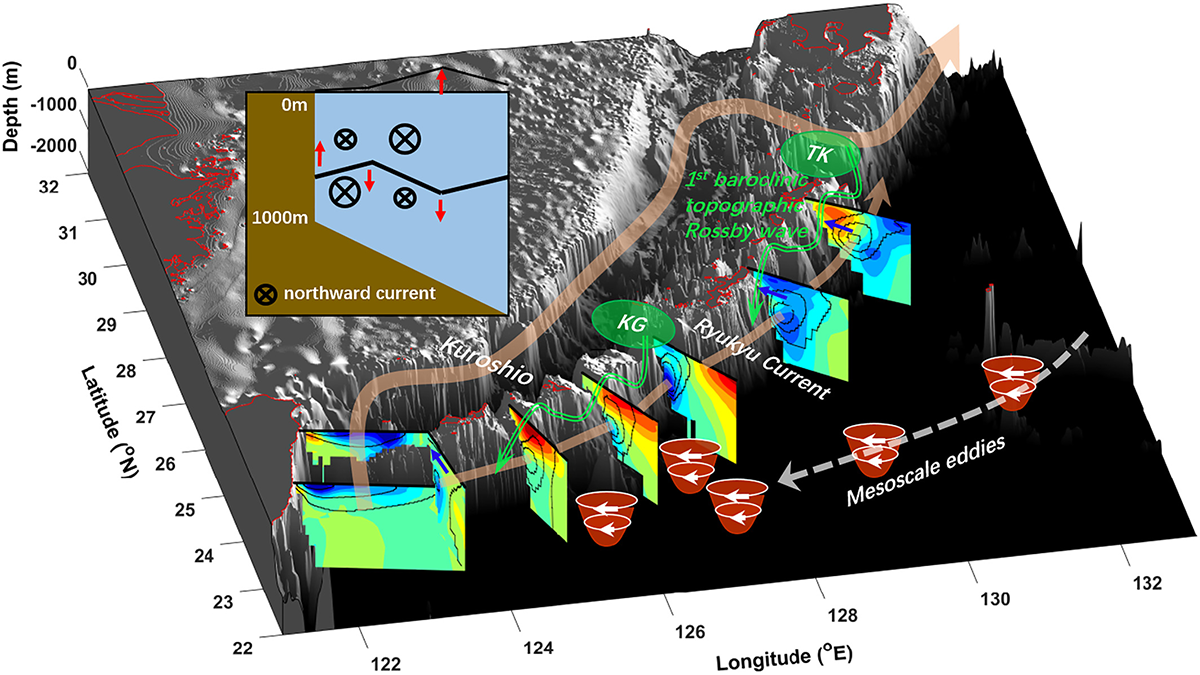
Weakened Kuroshio Slows Down the Ryukyu Current
A combination of the weakened Kuroshio in the Tokara Strait and an increase in anticyclonic eddies led to the slowdown of the Ryukyu Current from 1993 to 2018.