
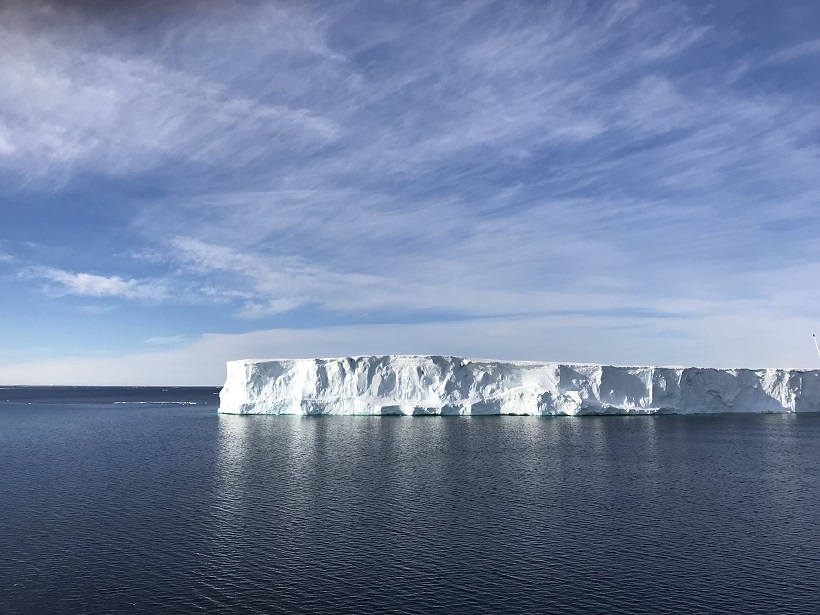
Advances in observations and modeling are providing new insights into the dynamic Antarctic Slope Current and its critical role in Earth’s climate.
climate

Posted inScience Updates
Updates on Understanding Mars’s Recent and Present-Day Climate
Mars Workshop on Amazonian and Present-day Climate; Lakewood, Colorado, 18–22 June 2018
Posted inENGAGE, News
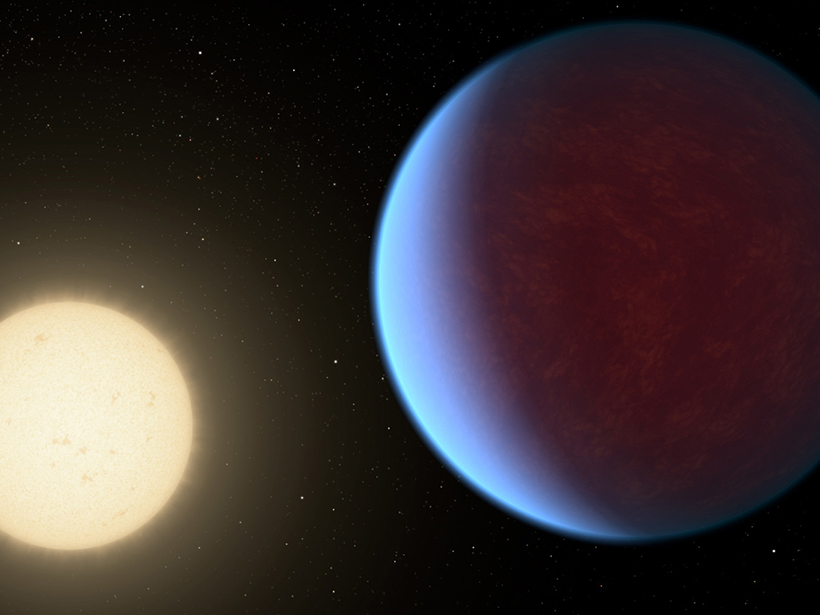
Modeling the Climates of Worlds Beyond Earth

Scientists are applying climate models to distant planets to determine their habitability.
Posted inNews
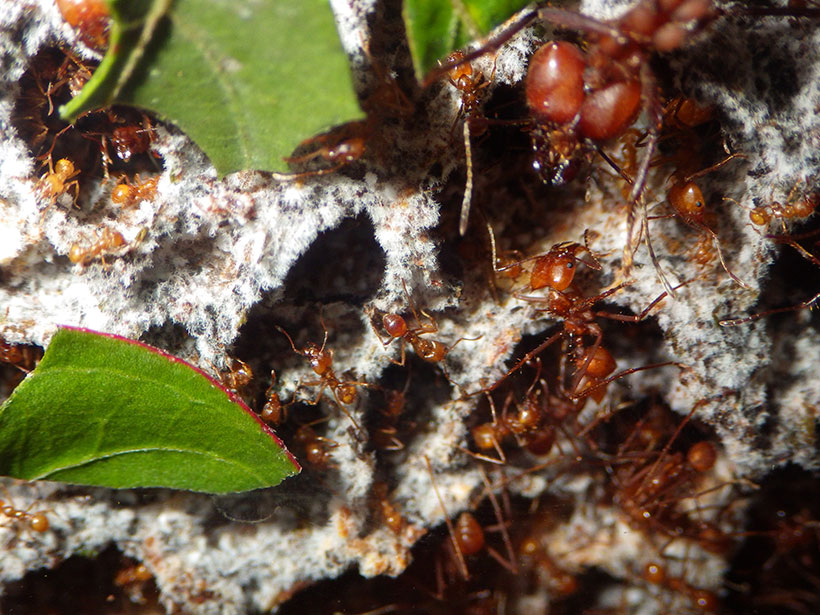
Ant Nests Act as Carbon Dioxide Chimneys
Leaf-cutter ant nests emit thousands of times more carbon dioxide than the surrounding soils do, a new study has found.

Posted inScience Updates
The Fate of Root Carbon in Soil: Data and Model Gaps
Root Trait and Soil Carbon Workshop; Oak Ridge National Laboratory, Oak Ridge, Tennessee, 31 July to 1 August 2018
Posted inAGU News
Huber, Ming, Romps, and Thornton Receive 2018 Atmospheric Sciences Ascent Award
Matthew Huber, Yi Ming, David Romps, and Joel Thornton will receive the 2018 Atmospheric Sciences Ascent Award at AGU’s Fall Meeting 2018, to be held 10–14 December in Washington, D. C. The award recognizes research contributions by “exceptional, mid-career scientists in the atmospheric and climate sciences fields.”

Posted inNews
Roger G. Barry (1935–2018)
Barry, a giant in climate and cryospheric sciences, pioneered the archival of computer data and traveled the world to share his vision with others.
Posted inNews
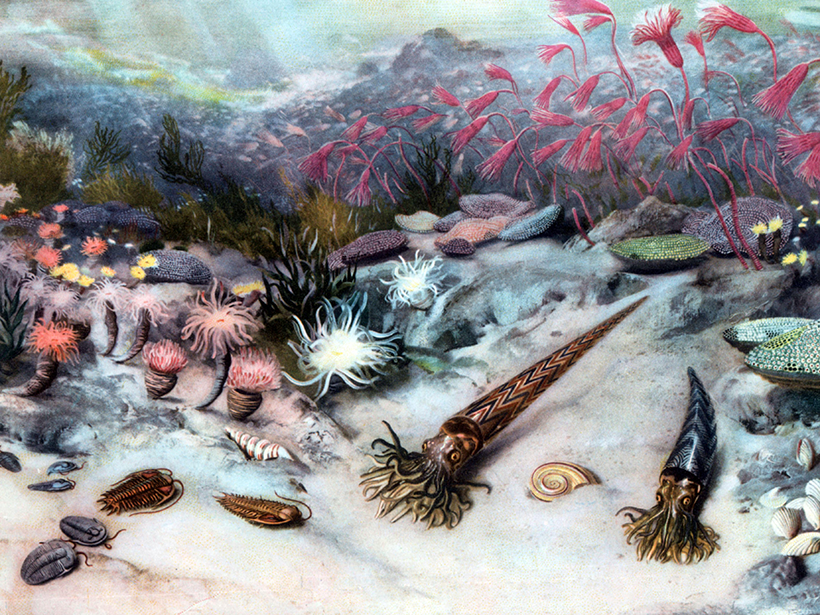
Tiny Algae May Have Prompted a Mass Extinction
Dead algae sinking to the ocean floor may have sequestered carbon 445 million years ago, triggering the glaciation that accompanied the Late Ordovician mass extinction.

Posted inFeatures
When Environmental Forces Collide
Multiple factors often interact to amplify the effects of severe storms, droughts, and other extreme water-related events.

Posted inScience Updates
Atmospheric Teleconnections: Advanced Tools and Citizen Science
GOTHAM International Summer School on Global Teleconnections in the Earth’s Climate System – Processes, Modelling and Advanced Analysis Methods; Potsdam, Germany, 18–22 September 2017