
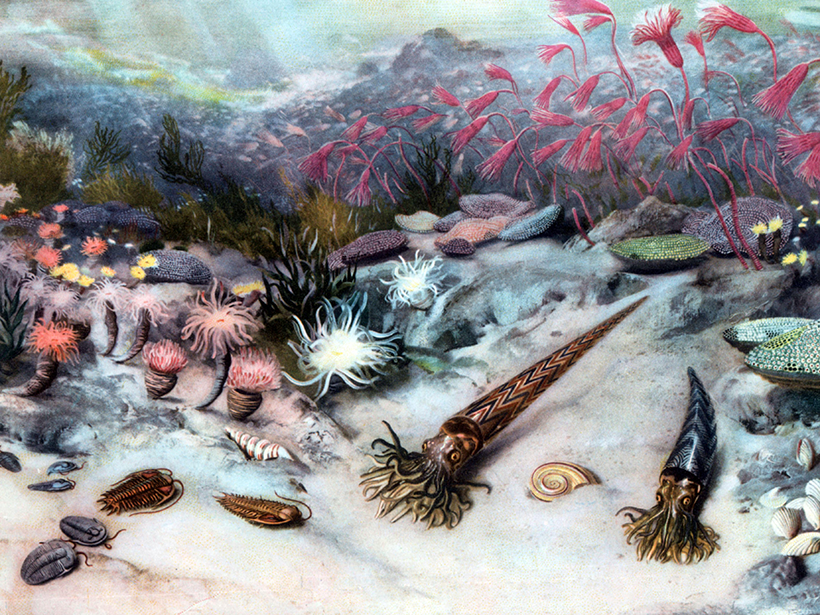

Dead algae sinking to the ocean floor may have sequestered carbon 445 million years ago, triggering the glaciation that accompanied the Late Ordovician mass extinction.
climate

Posted inFeatures
When Environmental Forces Collide
Multiple factors often interact to amplify the effects of severe storms, droughts, and other extreme water-related events.

Posted inScience Updates
Atmospheric Teleconnections: Advanced Tools and Citizen Science
GOTHAM International Summer School on Global Teleconnections in the Earth’s Climate System – Processes, Modelling and Advanced Analysis Methods; Potsdam, Germany, 18–22 September 2017

Posted inScience Updates
Reconstructing Climate and Environment from Coral Archives
Tropical Coral Archives—Reconstructions of Climate and Environment Beyond the Instrumental Record at Society-Relevant Timescales; Bremen, Germany, 28 September 2017
Posted inEditors' Vox
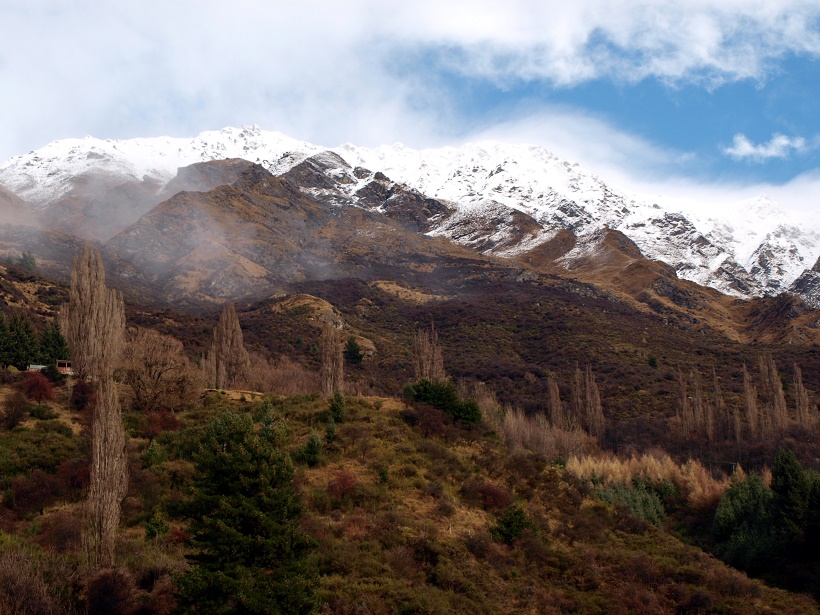
Coupled from the Start
Atmosphere and land model development has historically been segregated but coupled processes crucial to prediction and extremes can be properly represented only with a holistic approach.

Posted inEditors' Vox
Can Atmospheric Science Improve Global Disaster Resilience?
Scientific understanding of atmospheric hazards and their interconnectivity can contribute to international policy and disaster risk management.

Posted inNews
Tyler Prize Honors Two Leaders in Marine and Climate Science

Biological oceanographers Paul Falkowski and James McCarthy helped revolutionize the world’s understanding of Earth’s changing climate, both past and present.
Posted inScience Updates
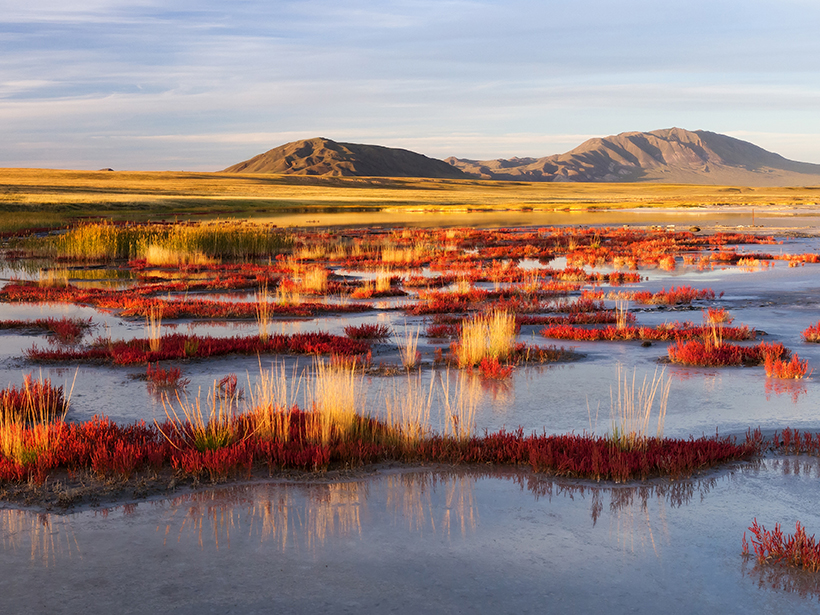
Ocean Circulation, Carbon Cycling During the Last Deglaciation
Past Global Changes (PAGES) OC3 Working Group second workshop on Ocean Circulation and Carbon Cycling during Last Deglaciation: Regional Synthesis of Carbon Isotopes Data; Corvallis, Oregon, 27–29 June 2017
Posted inNews
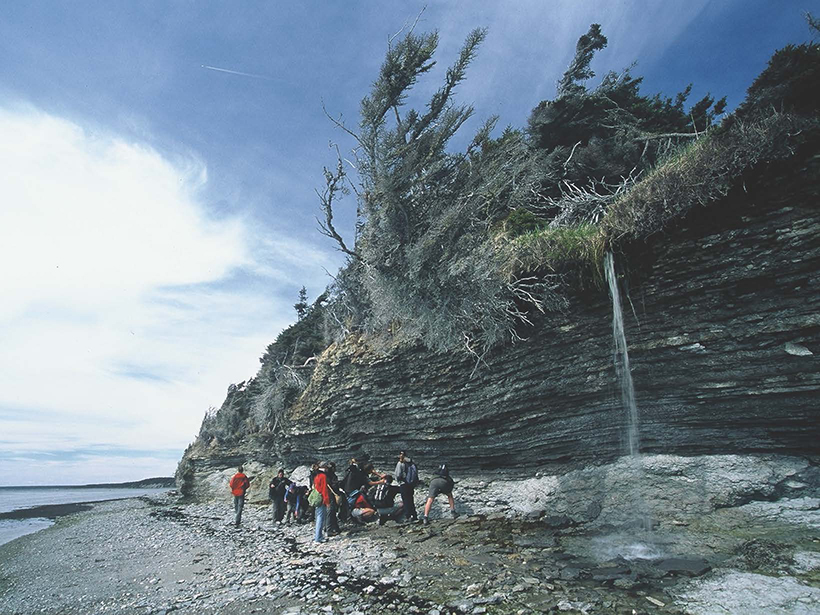
Clues Found That Earth May Have a Thermostat Set to “Habitable”

Weathering of rocks can control Earth’s temperature over geologic timescales, new geochemical data suggest.

Posted inResearch Spotlights
The Competing Climate Effects of Elevation and Albedo

Variations in surface reflectivity are as important as surface elevation changes in determining regional climate at nonpolar latitudes, according to a new modeling study.