• About
  • Special Reports
  • Topics
    • Climate
    • Earth Science
    • Oceans
    • Space & Planets
    • Health & Ecosystems
    • Culture & Policy
    • Education & Careers
    • Opinions
  • Projects
    • Postcards From the Field
    • ENGAGE
    • Editors’ Highlights
    • Editors’ Vox
    • Eos en Español
    • Eos 简体中文版
    • Print Archive: 2015–2025
  • Policy Tracker
  • Blogs
    • Research & Developments
    • The Landslide Blog
  • Newsletter
  • Submit to Eos
  • AGU.org
  • Career Center
  • Join AGU
  • Give to AGU
  • About
  • Special Reports
  • Topics
    • Climate
    • Earth Science
    • Oceans
    • Space & Planets
    • Health & Ecosystems
    • Culture & Policy
    • Education & Careers
    • Opinions
  • Projects
    • Postcards From the Field
    • ENGAGE
    • Editors’ Highlights
    • Editors’ Vox
    • Eos en Español
    • Eos 简体中文版
    • Print Archive: 2015–2025
  • Policy Tracker
  • Blogs
    • Research & Developments
    • The Landslide Blog
  • Newsletter
  • Submit to Eos
Skip to content
  • AGU.org
  • Career Center
  • Join AGU
  • Give to AGU
Eos

Eos

Science News by AGU

Support Eos
Sign Up for Newsletter
  • About
  • Special Reports
  • Topics
    • Climate
    • Earth Science
    • Oceans
    • Space & Planets
    • Health & Ecosystems
    • Culture & Policy
    • Education & Careers
    • Opinions
  • Projects
    • Postcards From the Field
    • ENGAGE
    • Editors’ Highlights
    • Editors’ Vox
    • Eos en Español
    • Eos 简体中文版
    • Print Archive: 2015–2025
  • Policy Tracker
  • Blogs
    • Research & Developments
    • The Landslide Blog
  • Newsletter
  • Submit to Eos

climate

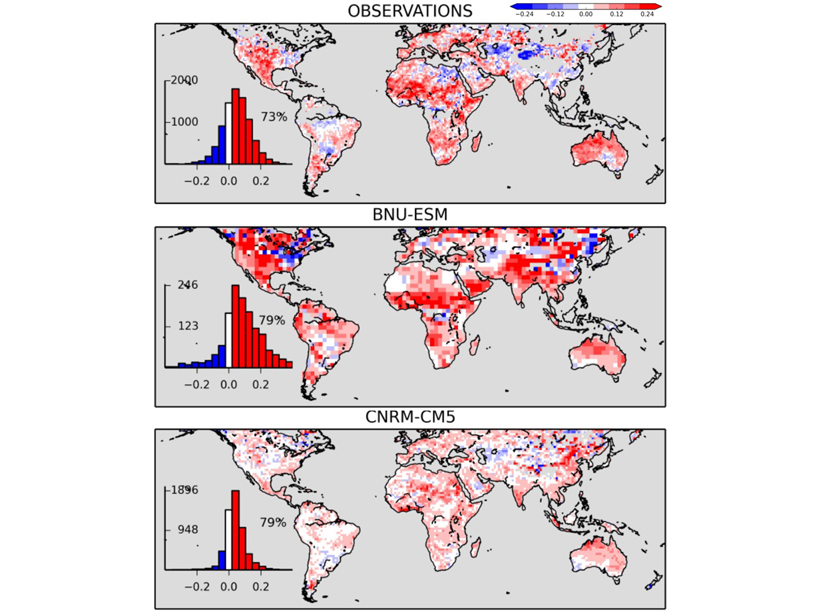
Figure showing observed and modeled rates of land-surface warming relative to near-surface air during dry spells
Posted inEditors' Highlights

Diagnosing Soil Moisture Impacts on Model Energy Fluxes

by Valeriy Ivanov 13 June 201929 March 2023

Do climate models truthfully mimic how drying soil affects land-surface budget partition?

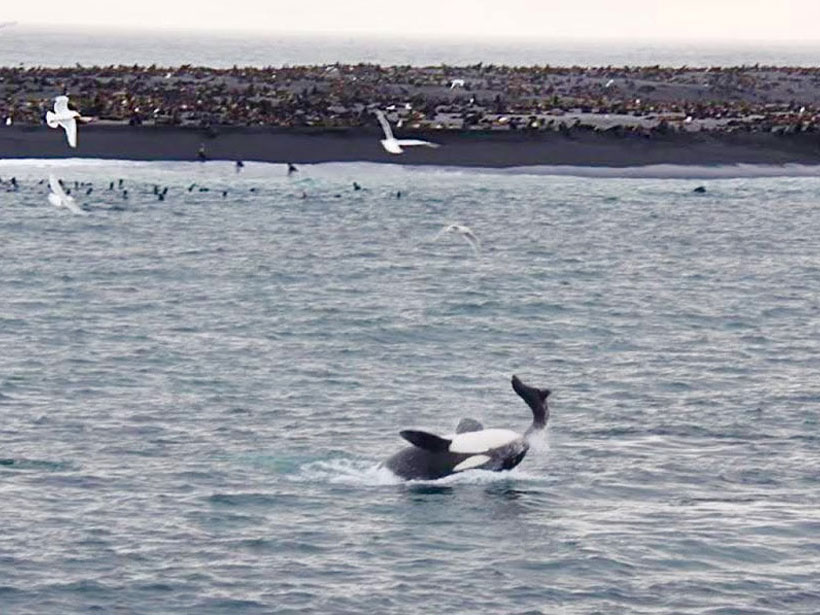
An orca feeding on a seal
Posted inResearch Spotlights

A Look at How Long-Banned PCBs Persist in the Ocean

Aaron Sidder, freelance science writer by Aaron Sidder 7 May 201921 March 2022

A new study tracks how climatic factors like sea ice cover and ocean circulation affect the life span and distribution of polychlorinated biphenyls in the world’s oceans.
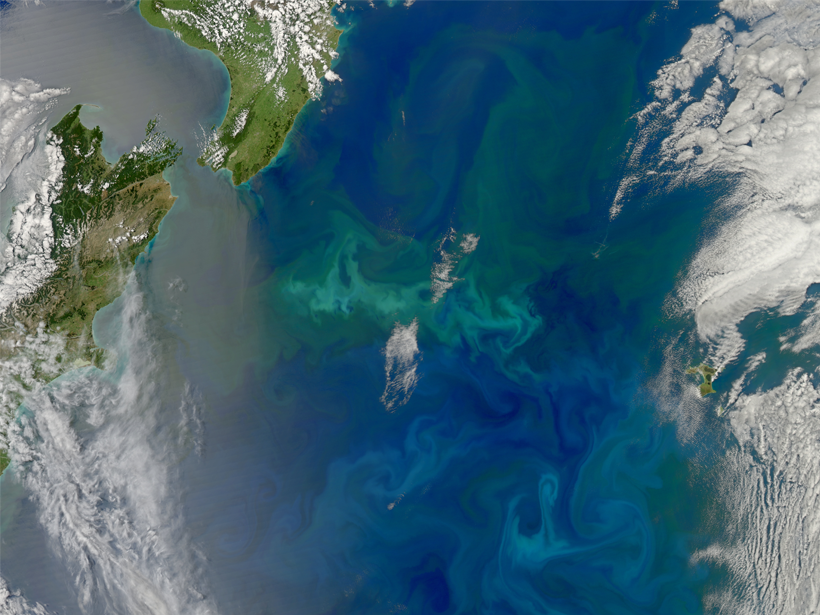
Phytoplankton bloom over the study area in the South Pacific Ocean
Posted inResearch Spotlights

Southern Hemisphere Sediments Show Surprising Pliocene Cyclicity

by Terri Cook 25 April 201926 January 2023

New, high-resolution paleoclimate reconstructions with 100,000-year rhythms may offer insights into how Earth’s climate system operated during a time when the planet was warmer than it is today.
Posted inEditors' Highlights

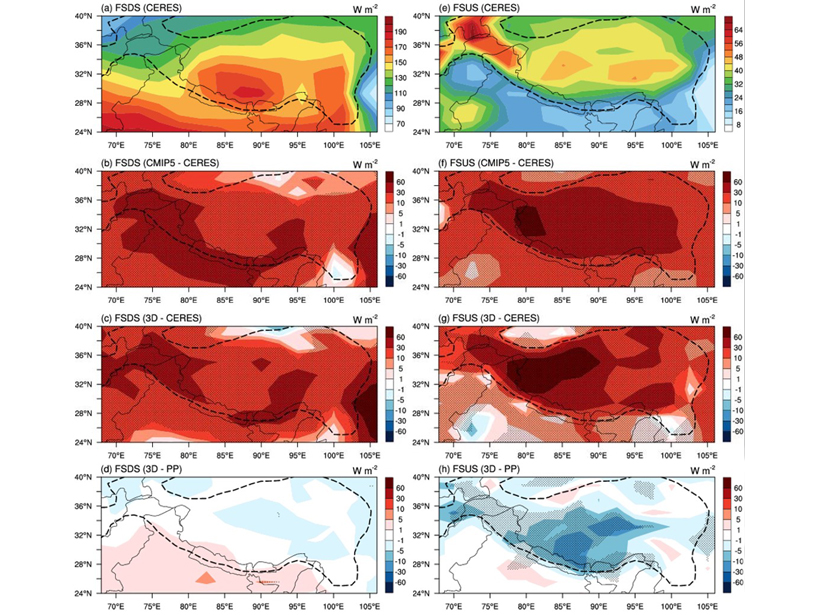
3D Radiation-Topography Interaction Warms Up Tibetan Plateau

by Z. Li 16 April 20196 December 2022

3-D radiation-topography interaction, which can increase the sunlight absorption by the surface, is missing in all climate models, causing strong cold biases over the Tibetan Plateau.
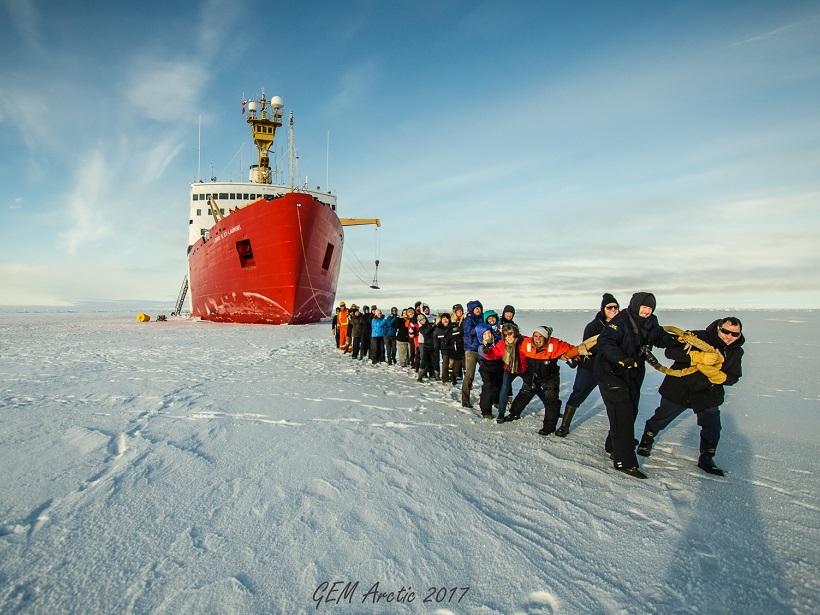
An international team studying the Beaufort Gyre from their base on the CCGS Louis S. St-Laurent.
Posted inEditors' Vox

In a Spin: New Insights into the Beaufort Gyre

by A. Proshutinsky and R. Krishfield 8 April 20199 August 2022

A new special collection in JGR: Oceans presents results from studies of the Beaufort Gyre, an oceanic circulation system in the Arctic that has far-reaching influence on the global climate.

A horizon on the ocean
Posted inNews

Ice Drove Past Indo-Pacific Climate Variance

Sarah Derouin, Science Writer by Sarah Derouin 2 April 20192 March 2023

Researchers used both terrestrial and marine proxy data to reconstruct the dramatic and dynamic climatic changes.
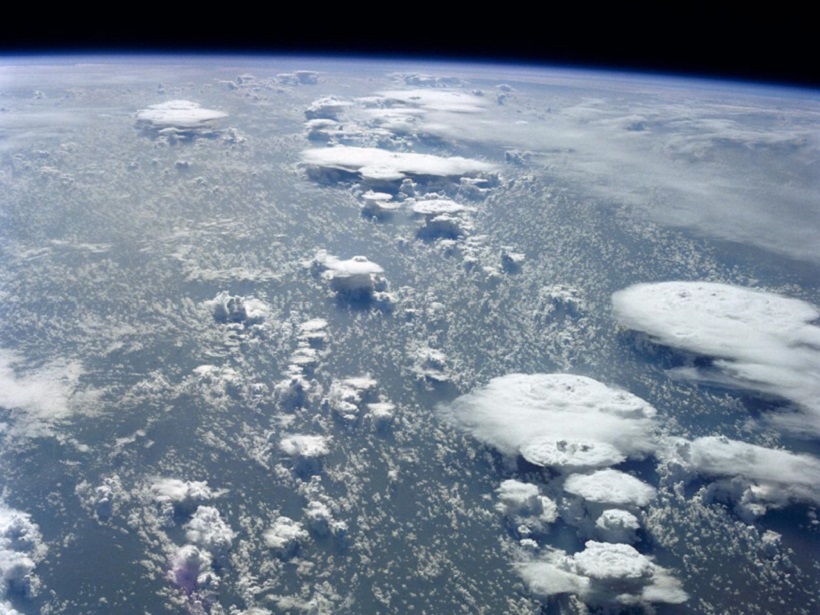
Flatiron clouds
Posted inEditors' Vox

Global Impacts of ENSO Reach into the Stratosphere

by D. I. V. Domeisen, C. I. Garfinkel and A. H. Butler 19 February 201929 March 2022

El Niño events have significant global impacts on weather and climate, but these reach up into the stratosphere, beyond the troposphere where most of Earth’s weather takes place.
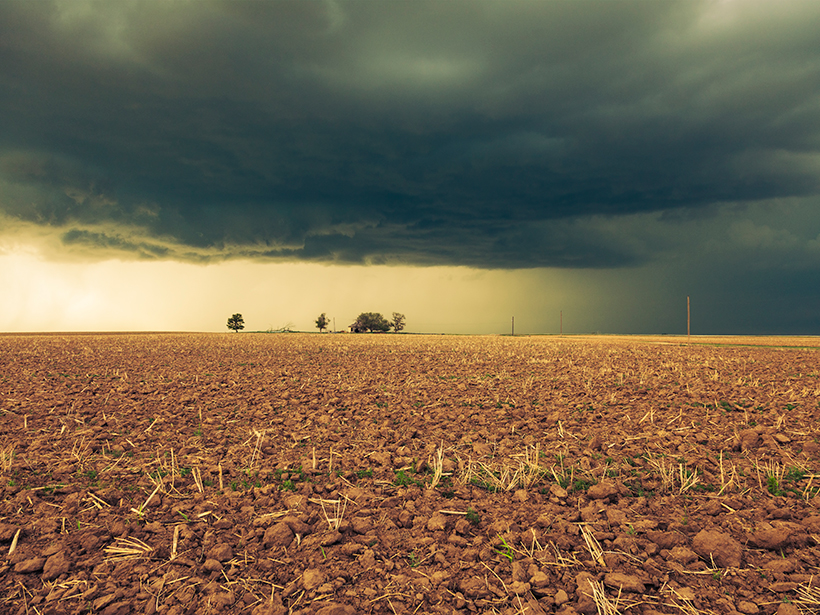
Storm clouds gather over dry farmland in Nebraska.
Posted inScience Updates

Bridging the Weather-to-Climate Prediction Gap

by A. Mariotti, E. A. Barnes, E. K.-M. Chang, A. Lang, P. A. Dirmeyer, K. Pegion, D. Barrie and C. Baggett 19 February 201930 January 2024

A task force of researchers set out to bridge the gap between the 2-week weather forecast and long-term climate predictions; their findings could help in forecasting the likelihood of extreme events.
Posted inEditors' Highlights

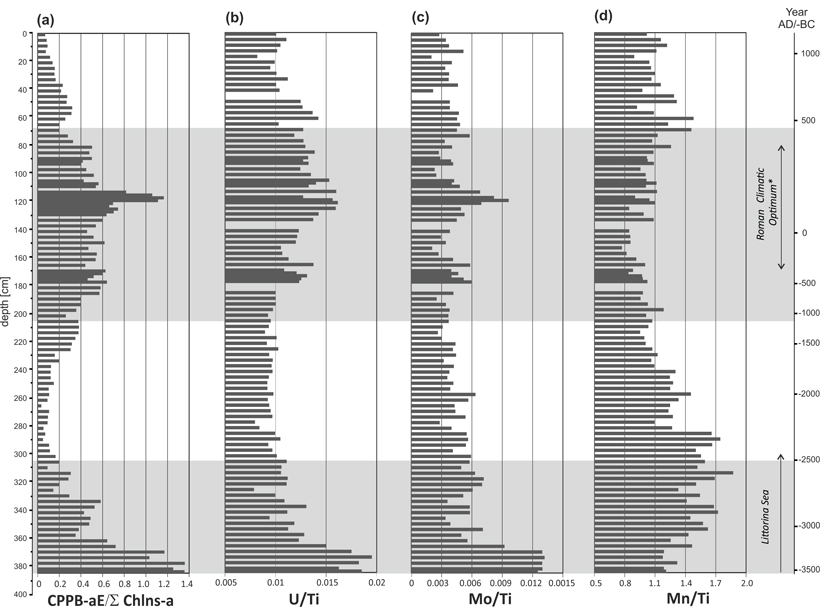
Baltic Bacterial Blooms Over the Millennia

by E. Thomas 15 February 201917 February 2023

Eutrophication not only is a present-day anthropogenic phenomenon in the southern Baltic but also occurred over the past few millennia, with cyanobacterial blooms during times of climate warming.
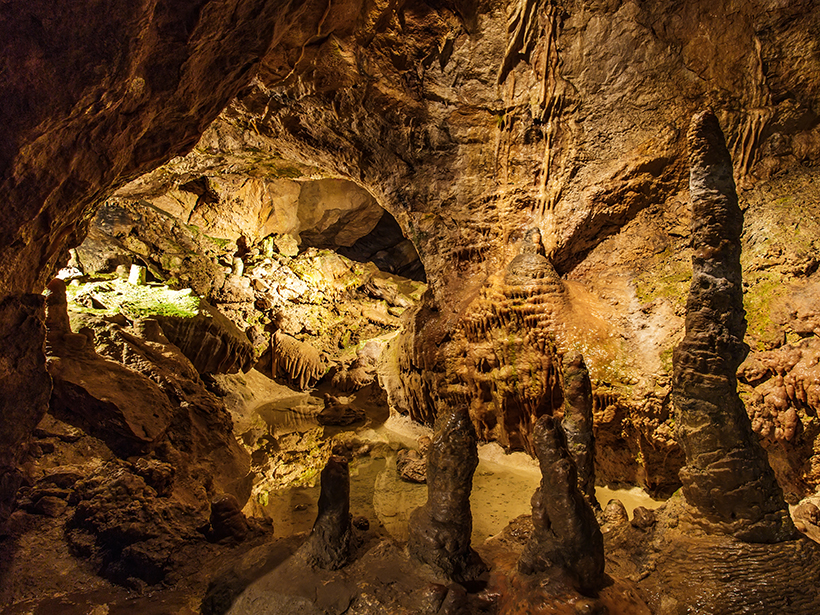
Stalagmites in a cave in Budapest, Hungary
Posted inENGAGE, News

The Akkadian Empire—Felled by Dust?

Katherine Kornei, Science Writer by Katherine Kornei 31 January 201930 March 2023

Chemical measurements of a stalagmite from a cave in Iran reveal a large uptick in dust activity in northern Mesopotamia roughly 4,200 years ago, coincident with the decline of the Akkadian Empire.

Posts pagination

Newer posts 1 … 119 120 121 122 123 … 127 Older posts
Over a dark blue-green square appear the words Special Report: The State of the Science 1 Year On.

Features from AGU Publications

Research Spotlights

As Wildfires Increase in the West, So Does Suppression Spending

10 June 202610 June 2026
Editors' Highlights

Multi-Scale Fault Roughness Encapsulated in a Friction Law

11 June 202611 June 2026
Editors' Vox

Small-Scale Indian Ocean Dynamics Underpin Marine Ecology and Climate

4 June 20263 June 2026
Eos logo at left; AGU logo at right

About Eos
ENGAGE
Awards
Contact

Advertise
Submit
Career Center
Sitemap

© 2026 American Geophysical Union. All rights reserved Powered by Newspack