
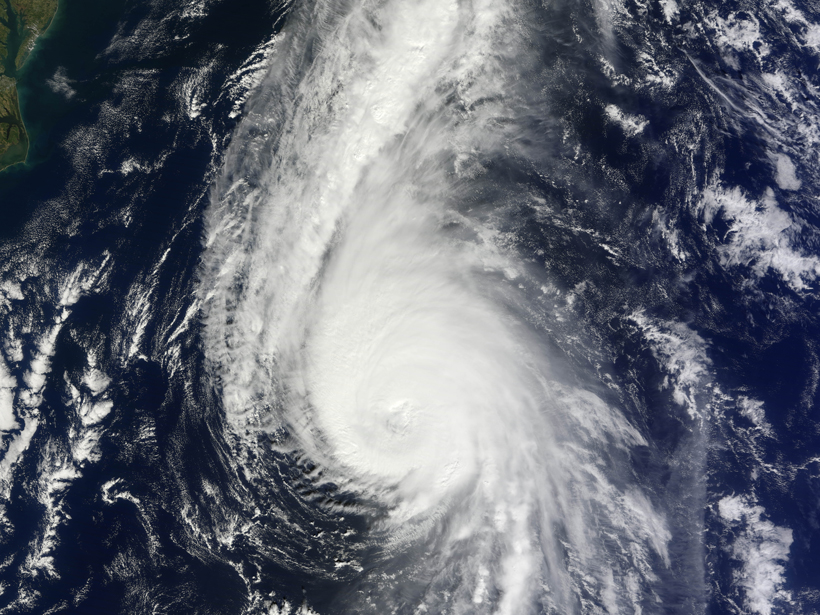
Every 25–30 years, the ocean and atmosphere conspire to produce an enhanced North Atlantic Oscillation
climate
Posted inResearch Spotlights
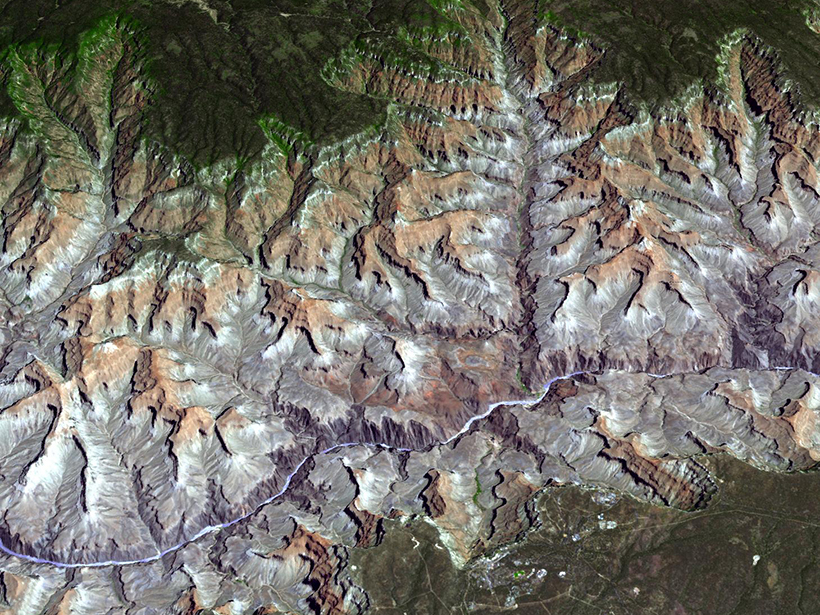
Stream Network Geometry Correlates with Climate

A "big data" analysis of nearly 1 million river junctions in the contiguous United States shows that branching angles in dendritic drainages vary systematically between humid and arid regions.
Posted inResearch Spotlights
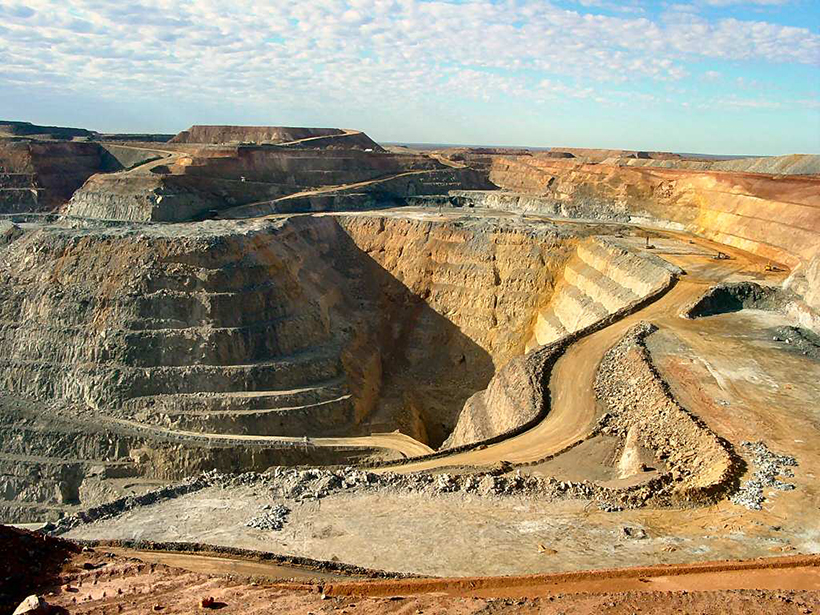
Global Drought Clustering Could Mean Big Losses for Mining
Long-term climate records could help mining companies and their investors assess the financial risk of water shortages.

Posted inResearch Spotlights
Exploring Ancient Ocean Acidification in the Rock Record

Scientists studying Earth's ancient oceans use a new method to measure ocean acidification and its effect on extinction events.
Posted inResearch Spotlights
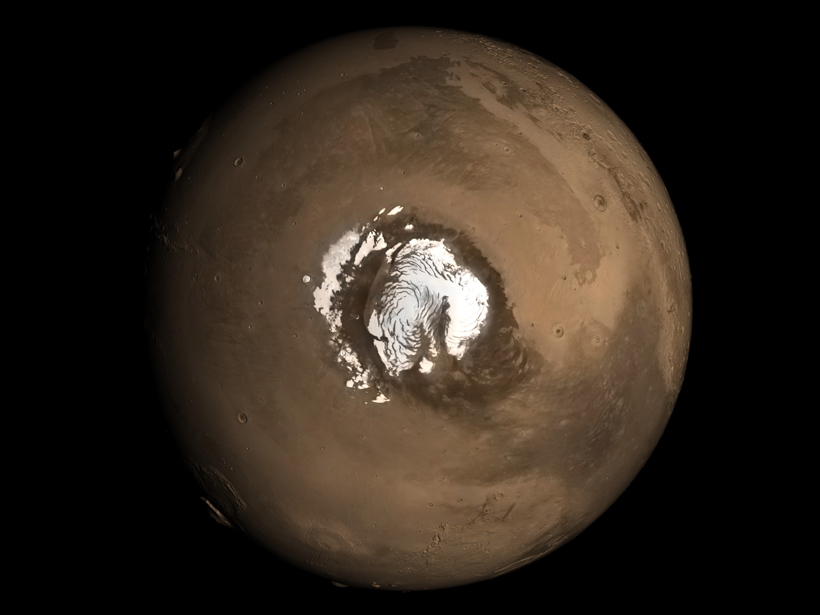
How Mars Got Its Layered North Polar Cap
Orbital wobbling shaped the dome of ice and dust at the planet's north pole.

Posted inResearch Spotlights
Clouds Don't Reflect as Much Sunlight as Previously Thought
Icy clouds may actually increase, not decrease, the amount of solar energy that reaches Earth.
Posted inAGU News
Pavel Groisman Receives 2016 Edward A. Flinn III Award
Pavel Groisman received the 2016 Edward A. Flinn III Award at the American Geophysical Union Fall Meeting Honors Ceremony, held on 14 December 2016 in San Francisco, Calif. The award honors an "individual or small group who personifies the Union's motto 'unselfish cooperation in research' through their facilitating, coordinating, and implementing activities."
Posted inNews
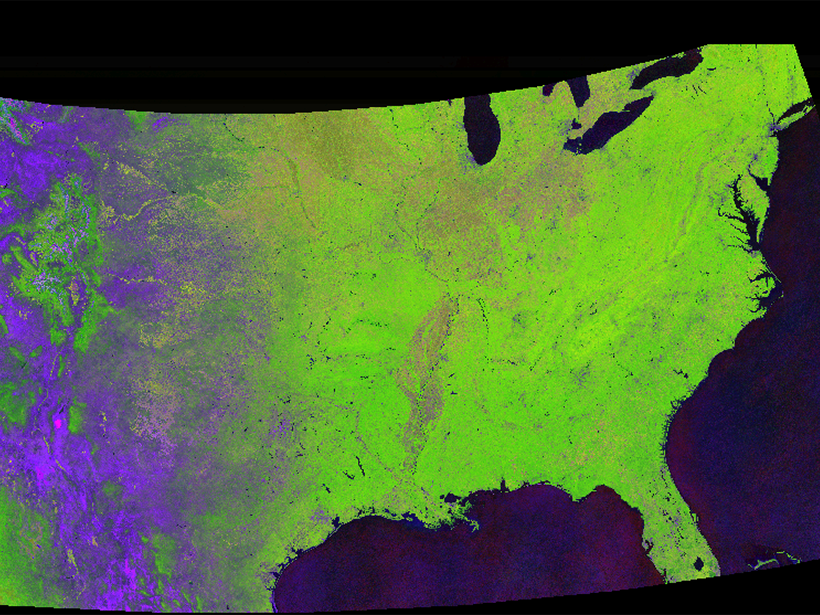
Tracking Global Change with a Cloud-Based Living Atlas

With their feet in the cloud, Descartes Labs is pushing the limit of how we study the Earth with satellite images.
Posted inResearch Spotlights
High-Resolution Ocean Model Captures Large-Scale Heat Transport

A lower-resolution model is sufficient to capture air-sea interactions, but a high-resolution model better simulates average sea surface temperatures in the North Atlantic.

Posted inResearch Spotlights
Volcanic Ash Contributes to Climate Cooling
A new study shows that atmospheric ash reflects solar radiation months after volcanic eruptions.