
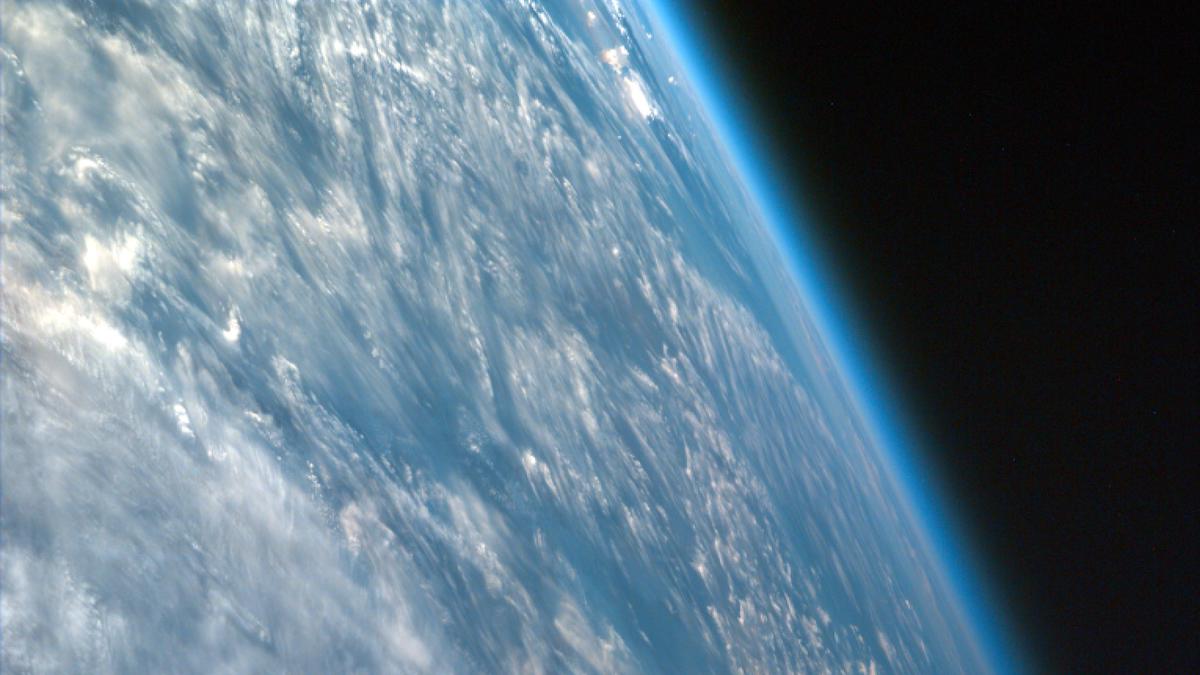
Current emissions trajectories are on track to warm the world by as much as 2.8°C (5.04°F) above preindustrial levels by 2100, according to a report released today by the United Nations Environment Programme (UNEP).
climate
Posted inNews
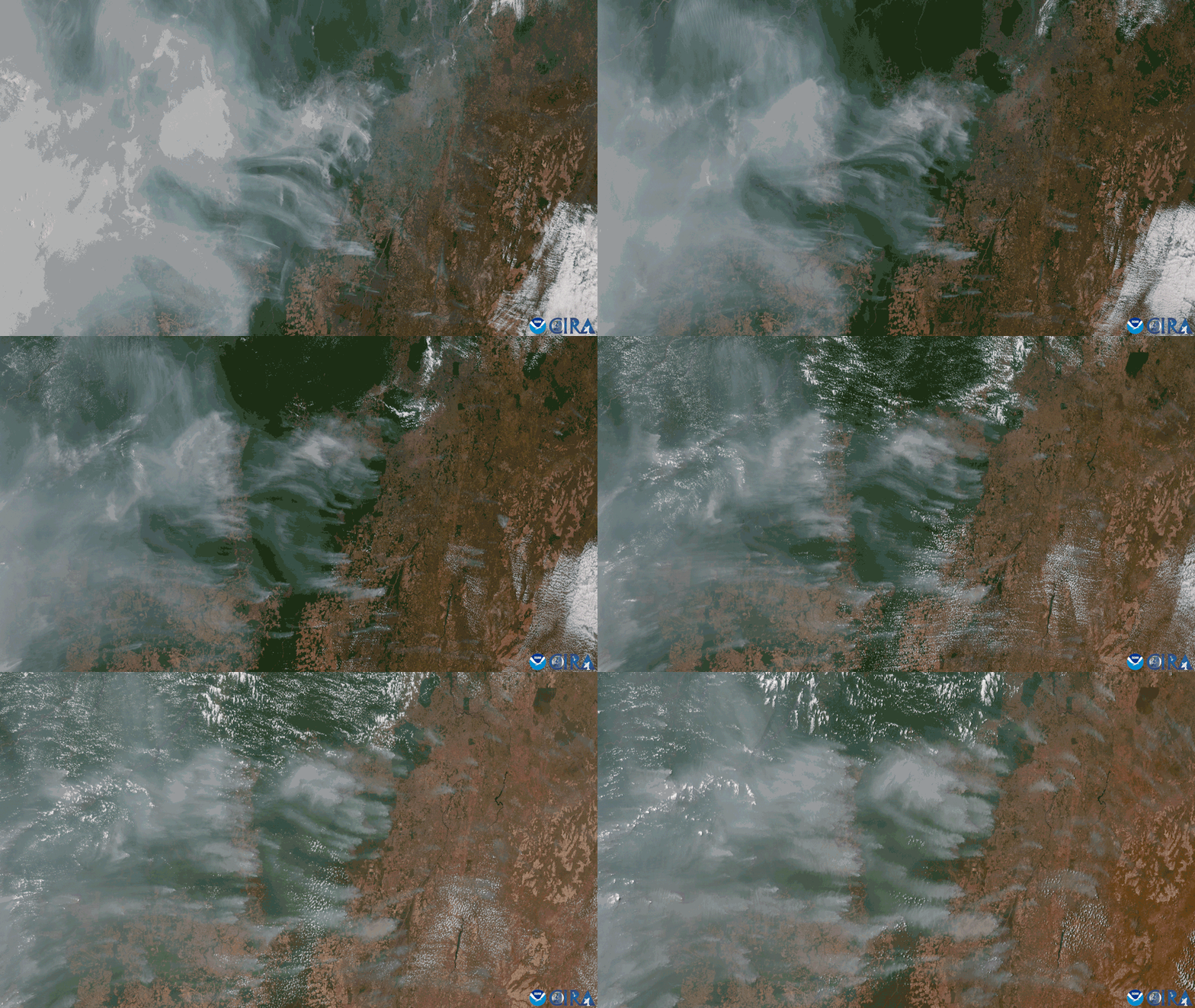
Fire, Not Deforestation, Is Now the Amazon’s Biggest Carbon Emitter
Forest degradation in the Amazon increased by 400% in 2024. It was largely driven by wildfires during the forest’s worst fire season in more than 20 years.
Posted inNews
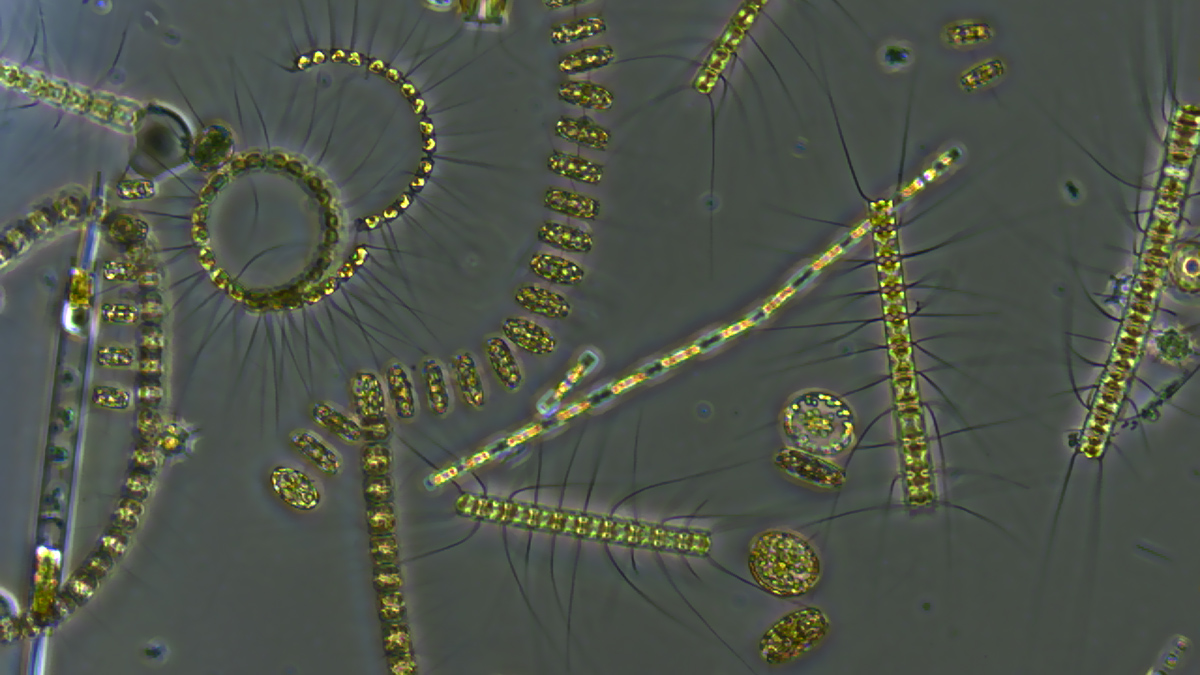
Marine Heat Waves Slow the Ocean’s Carbon Flow
When plankton find themselves in hot water, organic matters stalls at the surface and disrupts transport of carbon to the deep ocean.
Posted inEditors' Highlights
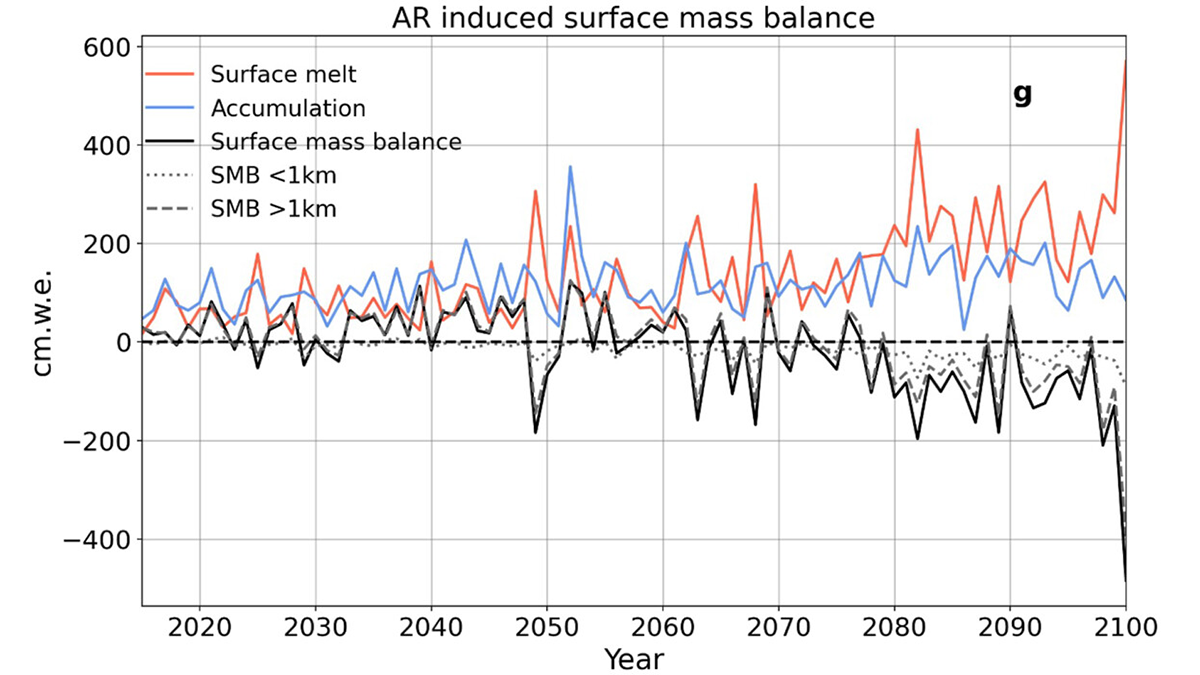
Atmospheric Rivers Shaped Greenland’s Ancient Ice
New simulations reveal how atmospheric rivers influenced Greenland’s ice sheet during the Last Interglacial—offering clues to future melt in a warming world.
Posted inEditors' Highlights
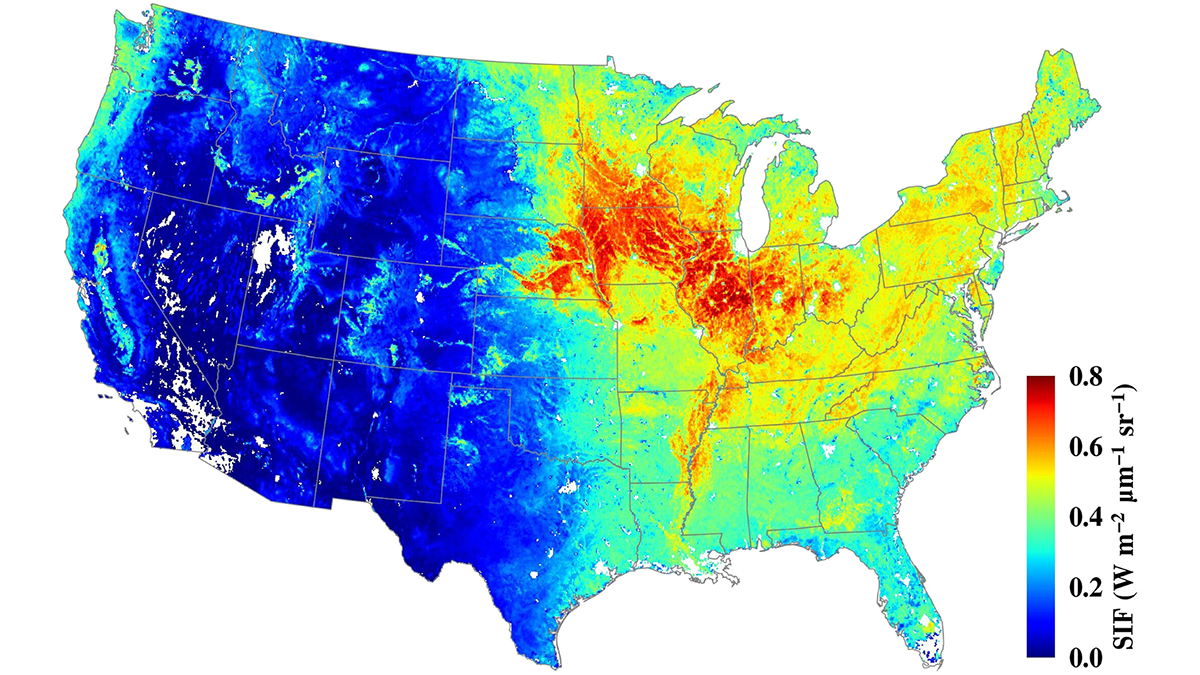
Serendipity in Space: NASA’s Eye in the Sky
The Orbiting Carbon Observatory-2 (OCO-2) mission, proposed for early termination, has turned out to be a boon to forest and agricultural management.
Posted inNews
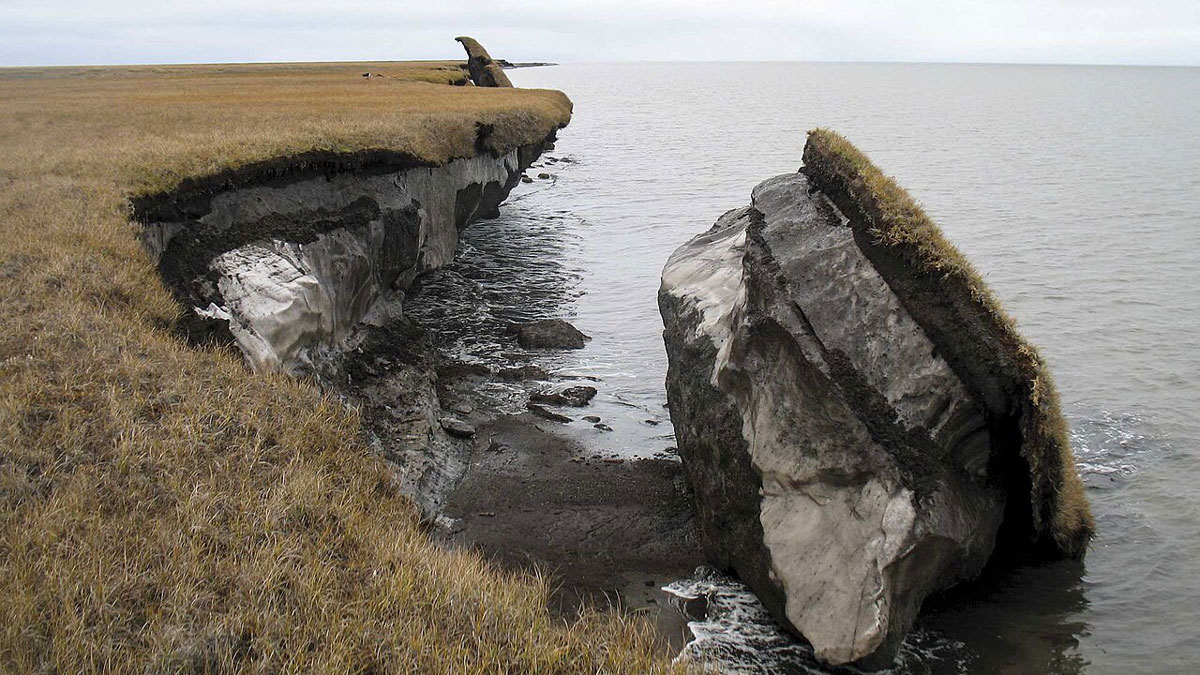
In Arctic Soils, Methane-Eating Microbes Just Might Win Out over Methane Makers
Methanotrophs, including those that capture methane from the air, seem to outcompete methanogens in dry environments, a new study shows.
Posted inNews
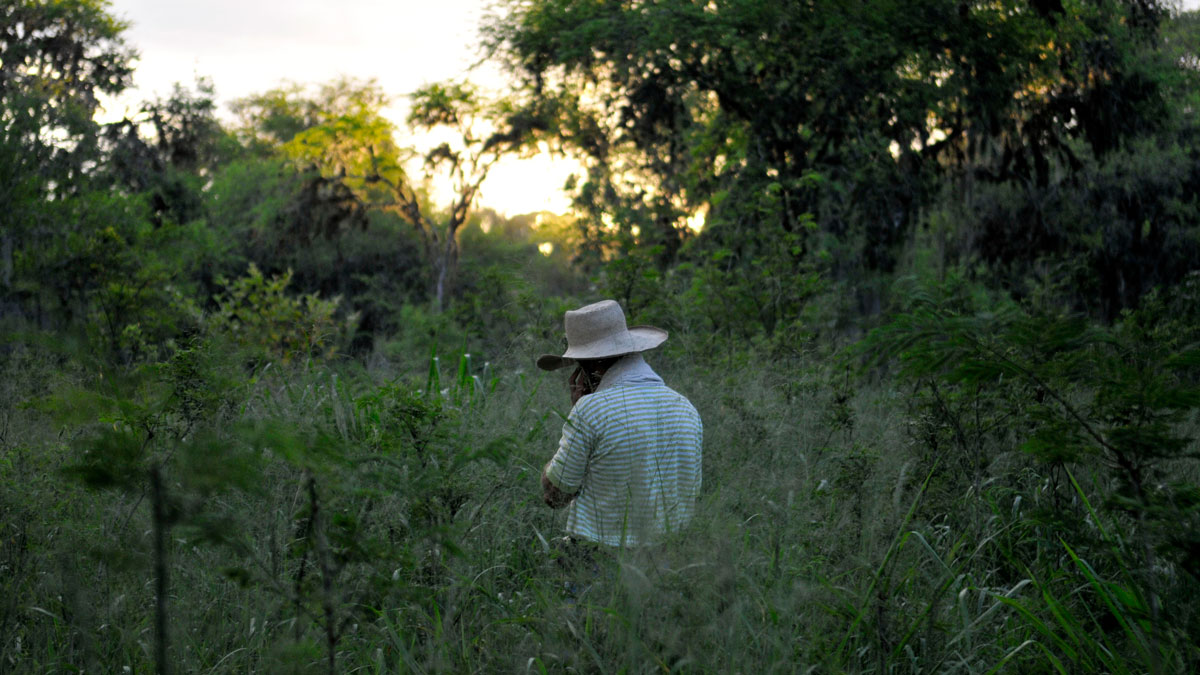
REDD+ Results and Realities
A new study examines the efficacy of REDD+ projects in reducing deforestation and raises questions about the carbon credits the initiative relies on.

Posted inEditors' Highlights
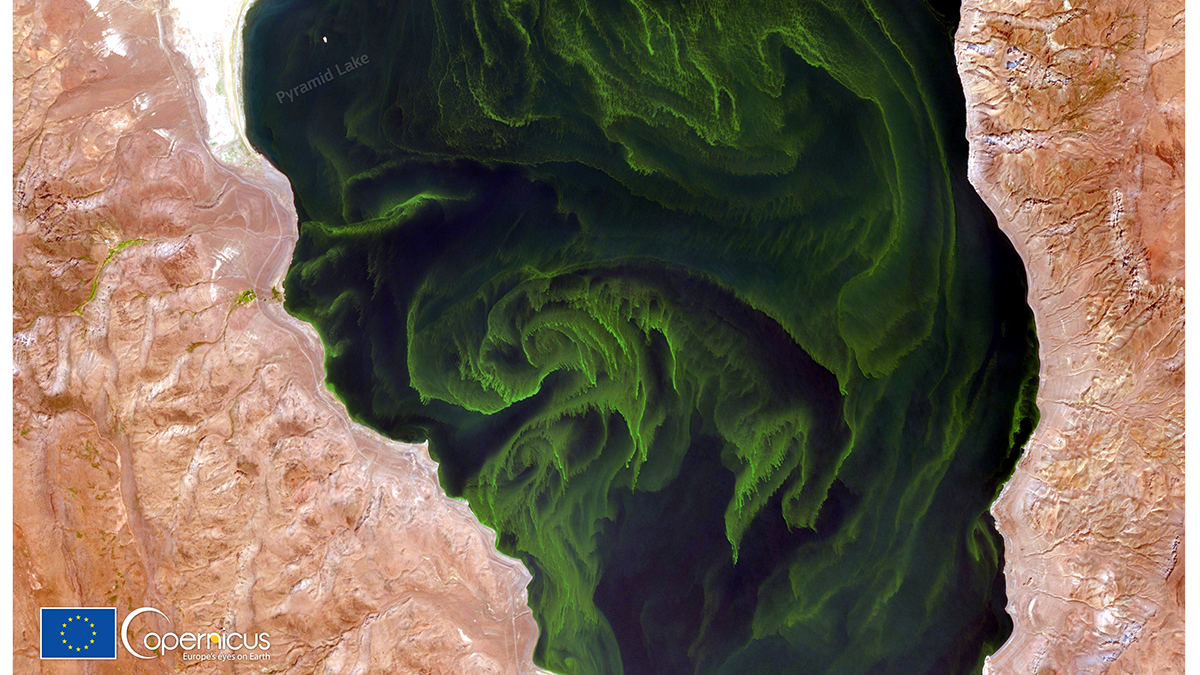
Rising Temperature and Decreasing Snow Cover Increase Soil Breakdown
With climate change and rising temperatures, soil freeze-thaw – which is in turn causing soil breakdown – may counterintuitively increase in the hillslopes where snow cover is decreasing.
Posted inResearch Spotlights
Global Climate Models Need the Nitrogen Cycle—All of It
Nitrogen plays important roles in areas including climate change, human health, and agriculture. A researcher argues that climate models would benefit from more fully incorporating its influence.
Posted inResearch & Developments
2025 State of the Climate Report: Our Planet’s Vital Signs are Crashing
A yearly analysis of climate change’s progress and effects shows a “planet on the brink” of ecological breakdown and widespread crisis and suggests that only rapid climate mitigation able to avoid the worst consequences.