
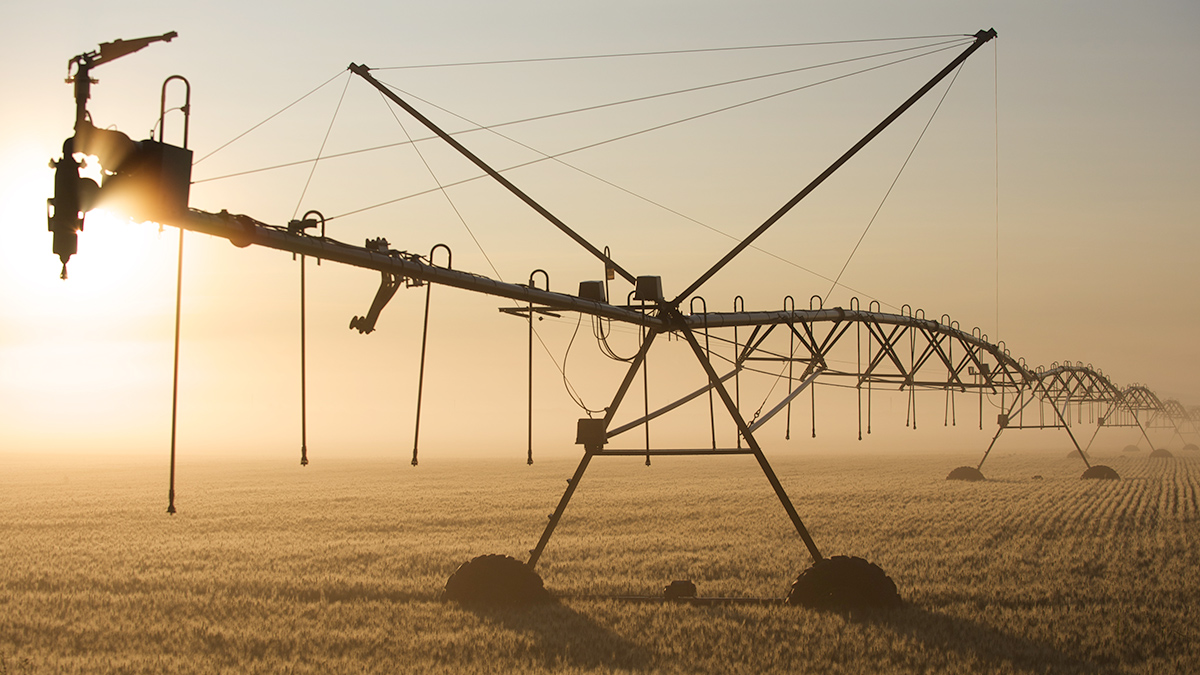
Like heat waves, these periods of high atmospheric demand for water can damage crops and ecosystems and increase pressure on water resources. New research shows they’re becoming more severe.
climate
Posted inEditors' Highlights
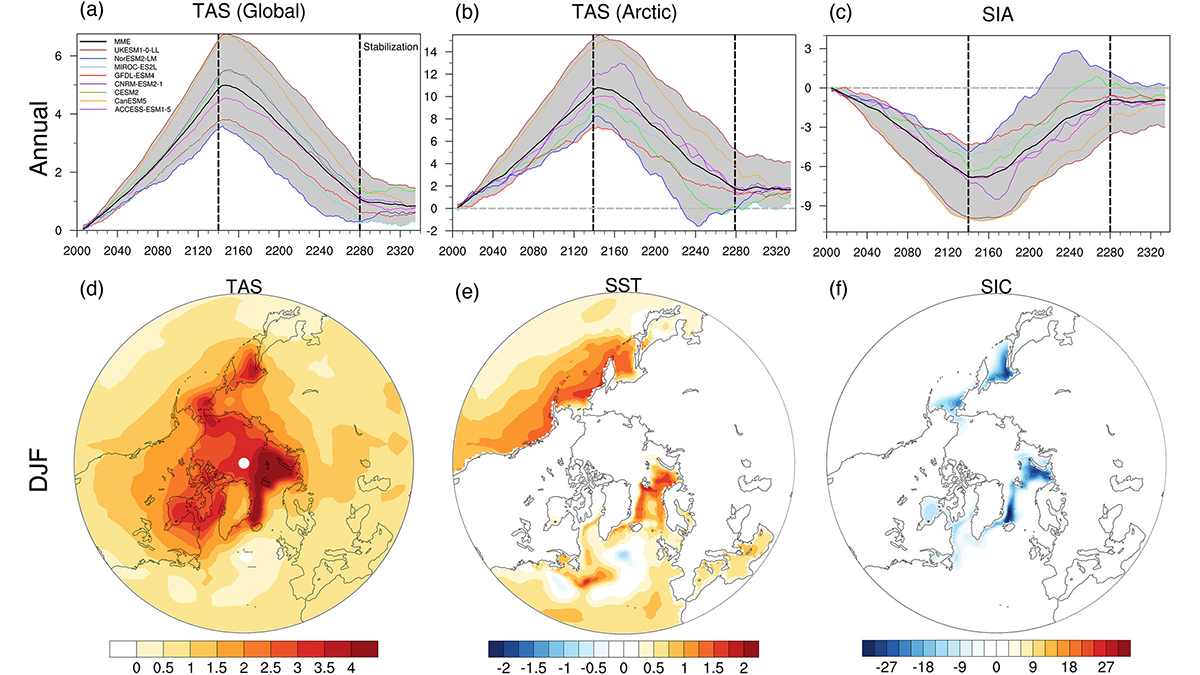
Arctic Sea Ice After CO2 Recovery: Implications for North Atlantic Weather
Incomplete Arctic sea ice recovery results in equatorward-shifted winter jets. The North Atlantic jet shift is particularly uncertain due to the ocean circulation acting as an additional driver.
Posted inEditors' Highlights
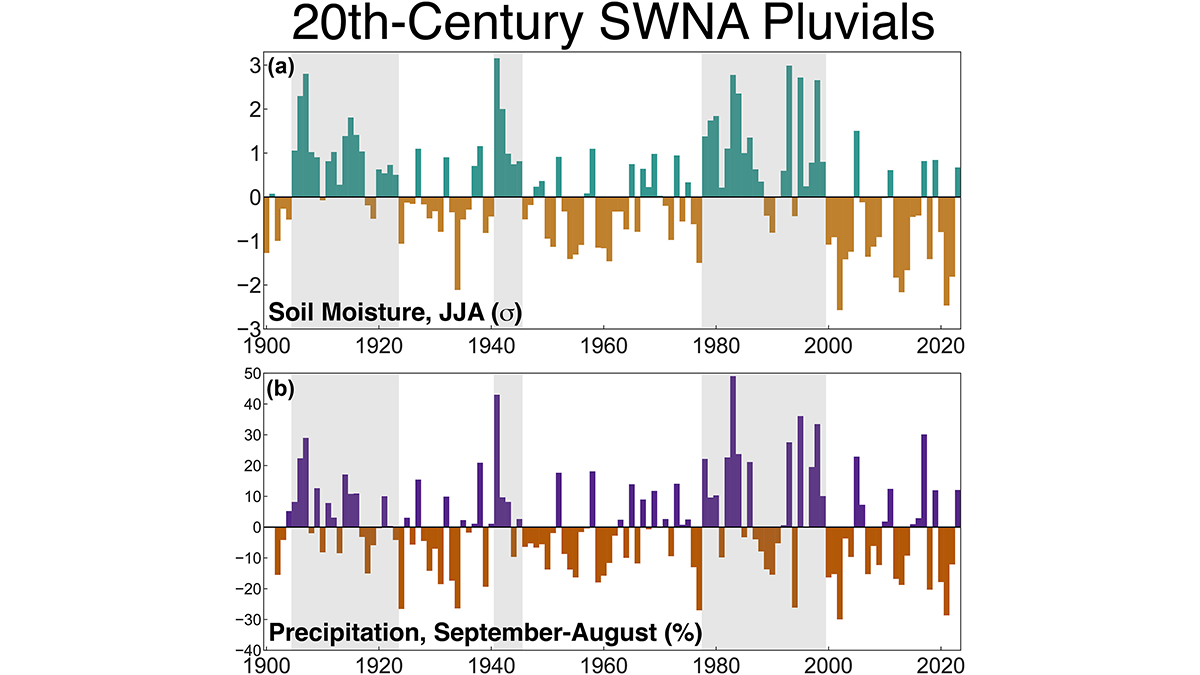
Investigating Rainfall-Rich Periods in North America
A record of soil moisture that extends over one thousand years allows for the investigation of occurrence and causes of modern and historical rainfall-rich periods.

Posted inResearch Spotlights
El Antropoceno merece reconocimiento oficial, sostienen algunos expertos
La Unión Internacional de Ciencias Geológicas decidió no designar una nueva época geológica, pero el asunto aún no se ha resuelto.
Posted inNews
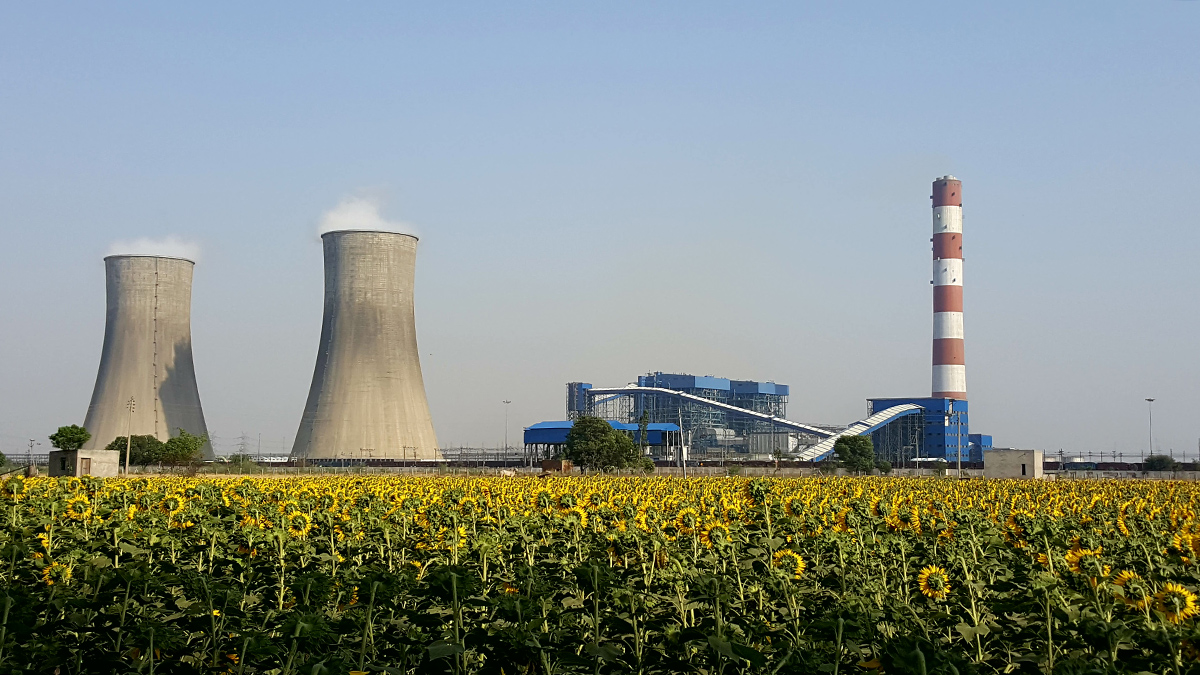
Emissions from Coal-Fired Power Plants May Lower Crop Yields in India
Nitrogen dioxide may reduce wheat and rice crops by more than 10%, according to a new study.

Posted inEditors' Highlights
Taking Our Paleoceanographic Tools to the Next Level
A new modeling study shows that to accurately interpret data derived from an iconic proxy of past Atlantic overturning strength, we must consider the complex factors governing the proxy systematics.
Posted inResearch & Developments
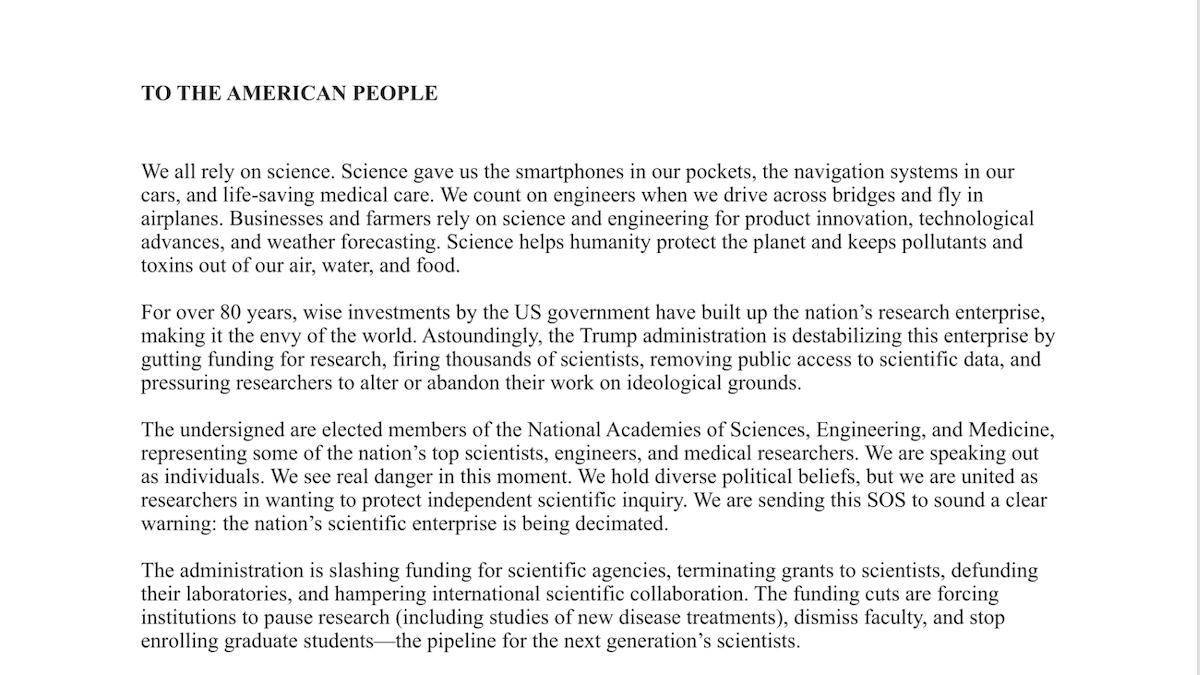
1,900 Scientists Warn of “Real Danger” in Open Letter

In an open letter to the American people, more than 1,900 scientists sent an “SOS” that the Trump administration’s actions have “decimated” the nation’s scientific enterprise and censored scientific work. “We see real danger in this moment,” the scientists wrote.

Posted inResearch & Developments
Climate Scientists Unite to Nominate U.S. Experts for IPCC Report

A new academic alliance provides a pathway for U.S. climate scientists to participate in a critical international climate report.

Posted inResearch Spotlights
Seeping Groundwater Can Be a Hidden Source of Greenhouse Gases

A new study in the Farmington River watershed shows that groundwater seeps can release 20% of dissolved emissions into the atmosphere before the water joins streams.
Posted inEditors' Highlights
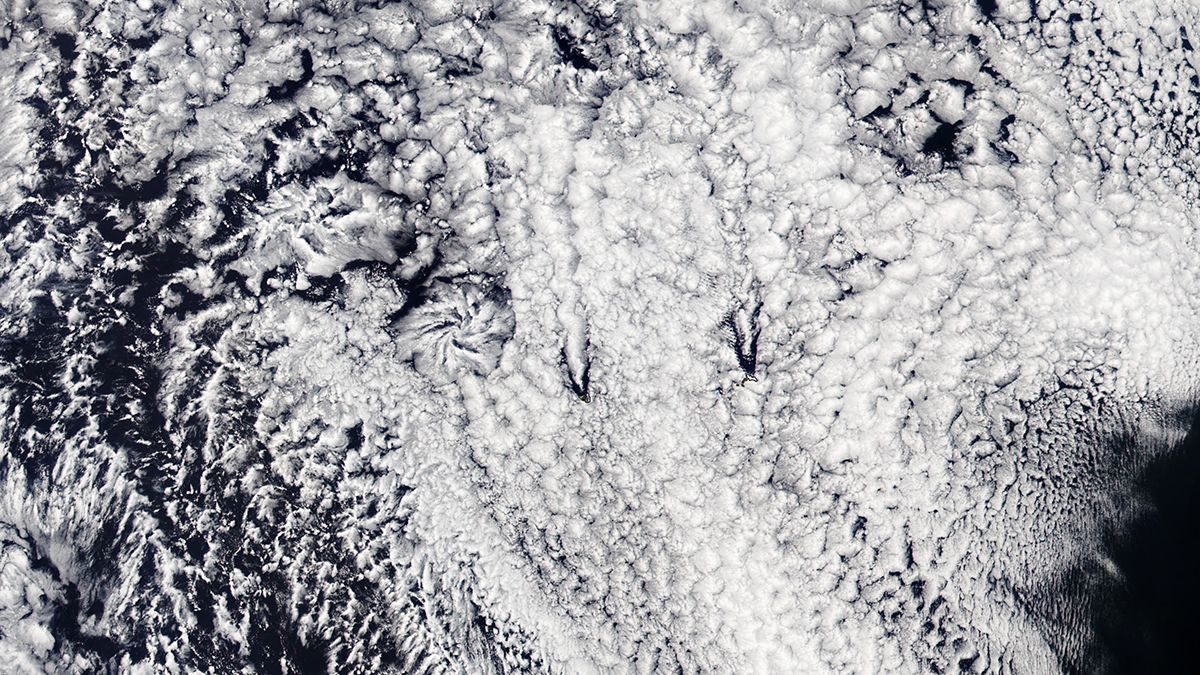
Machine Learning Provides a New Perspective of Low-level Clouds
Low-level clouds over the oceans, extensively studied for their role in climate change, are re-examined from a new perspective that applies machine learning to radar observations.