• About
  • Special Reports
  • Topics
    • Climate
    • Earth Science
    • Oceans
    • Space & Planets
    • Health & Ecosystems
    • Culture & Policy
    • Education & Careers
    • Opinions
  • Projects
    • Postcards From the Field
    • ENGAGE
    • Editors’ Highlights
    • Editors’ Vox
    • Eos en Español
    • Eos 简体中文版
    • Print Archive: 2015–2025
  • Policy Tracker
  • Blogs
    • Research & Developments
    • The Landslide Blog
  • Newsletter
  • Submit to Eos
  • AGU.org
  • Career Center
  • Join AGU
  • Give to AGU
  • About
  • Special Reports
  • Topics
    • Climate
    • Earth Science
    • Oceans
    • Space & Planets
    • Health & Ecosystems
    • Culture & Policy
    • Education & Careers
    • Opinions
  • Projects
    • Postcards From the Field
    • ENGAGE
    • Editors’ Highlights
    • Editors’ Vox
    • Eos en Español
    • Eos 简体中文版
    • Print Archive: 2015–2025
  • Policy Tracker
  • Blogs
    • Research & Developments
    • The Landslide Blog
  • Newsletter
  • Submit to Eos
Skip to content
  • AGU.org
  • Career Center
  • Join AGU
  • Give to AGU
Eos

Eos

Science News by AGU

Support Eos
Sign Up for Newsletter
  • About
  • Special Reports
  • Topics
    • Climate
    • Earth Science
    • Oceans
    • Space & Planets
    • Health & Ecosystems
    • Culture & Policy
    • Education & Careers
    • Opinions
  • Projects
    • Postcards From the Field
    • ENGAGE
    • Editors’ Highlights
    • Editors’ Vox
    • Eos en Español
    • Eos 简体中文版
    • Print Archive: 2015–2025
  • Policy Tracker
  • Blogs
    • Research & Developments
    • The Landslide Blog
  • Newsletter
  • Submit to Eos

currents

Posted inResearch Spotlights

Can the North Brazil Current Help Us Understand Atlantic Water Flow?

by David Shultz 24 December 20152 July 2024

Currents off the coast of northern Brazil can be used to study changes in the larger oceanic circulation pattern in the Atlantic, when variable winds in the regions are properly accounted for.
Posted inResearch Spotlights

Data Correction Needed for Long-Term Heat Transport Monitoring

by E. Betz 10 November 20152 July 2024

Scientists assess how historical temperature biases could impact the detection of ocean heat transport changes in a key area of the South Atlantic Ocean where data are scarce.

Posted inResearch Spotlights

Underwater Gliders Find Swirling Vortices of Warm, Salty Water

by David Shultz 13 October 201522 July 2022

Vortices formed off the west coast of Sardinia could play a large role in Mediterranean water circulation and mixing and are significant for marine ecosystems and regional climate.

Posted inResearch Spotlights

Large Variability Measured in Kuroshio Current East of Taiwan

by Terri Cook 21 September 201520 July 2022

Ship surveys show that the "Gulf Stream" of the Pacific is not a stable boundary current.

Posted inScience Updates

Forecasting and Communicating Risk of Rip Currents, Wave Runup

by G. Dusek, A. van der Westhuysen and N. P. Kurkowski 20 August 20152 February 2023

NOAA Coastal Hazards Resilience Workshop—Rip Currents and Wave Runup; Suffolk, Virginia, 14–16 April 2015
Posted inResearch Spotlights

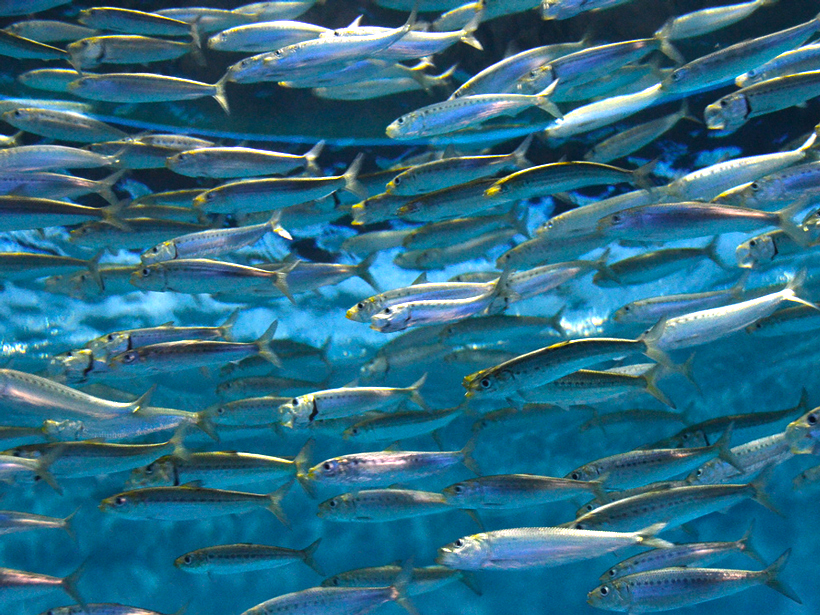
Survival of Young Sardines Flushed Out to Open Ocean

by J. Rosen 4 March 201522 July 2022

Despite favorable conditions within eddies and streamers that form ideal habitats for larval sardines, the young fish may not survive when flushed into the open ocean.
Posted inResearch Spotlights

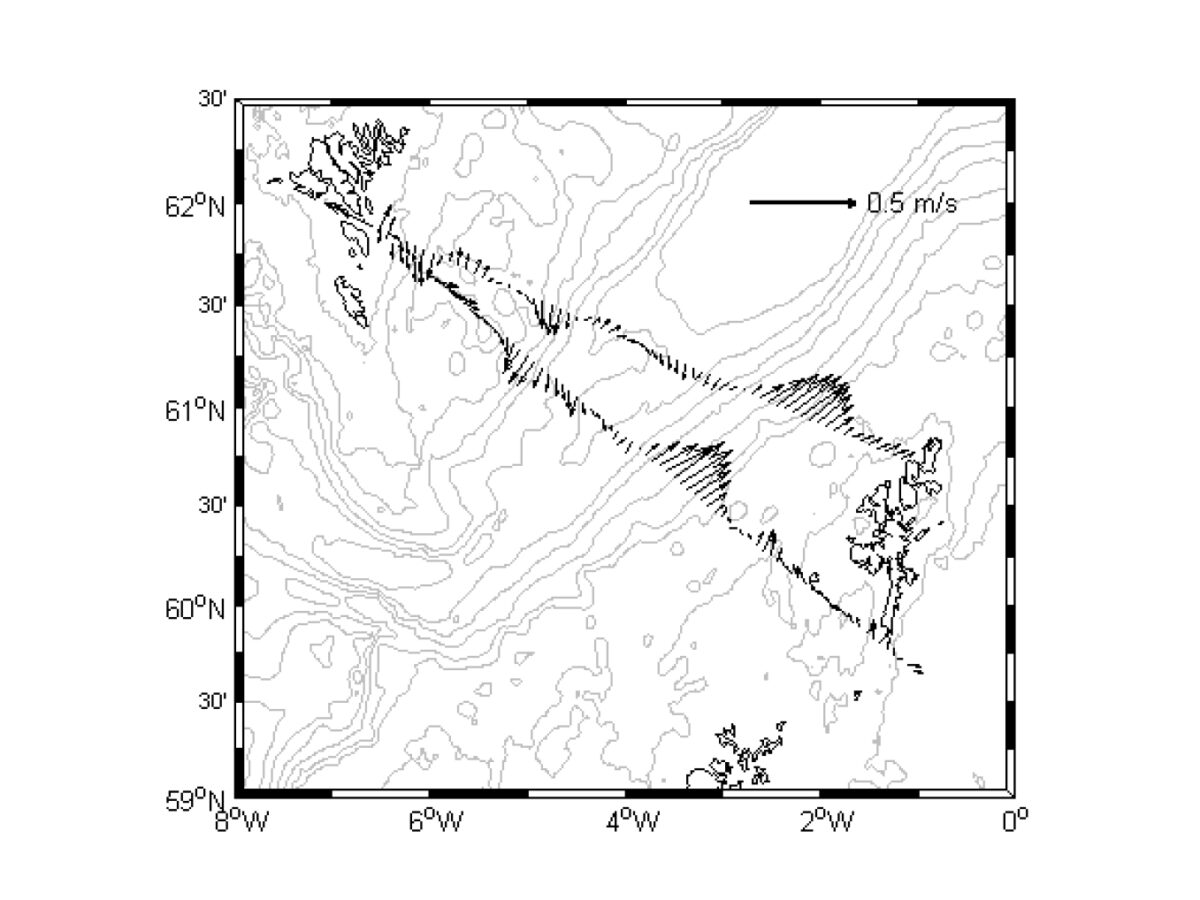
A Ferry Keeps Tabs on Water Headed Northward Near Iceland

by S. Palus 27 January 201528 February 2023

A ferry's routine trips from Iceland to Europe provide the most detailed account of the region's water flow.
Posted inResearch Spotlights

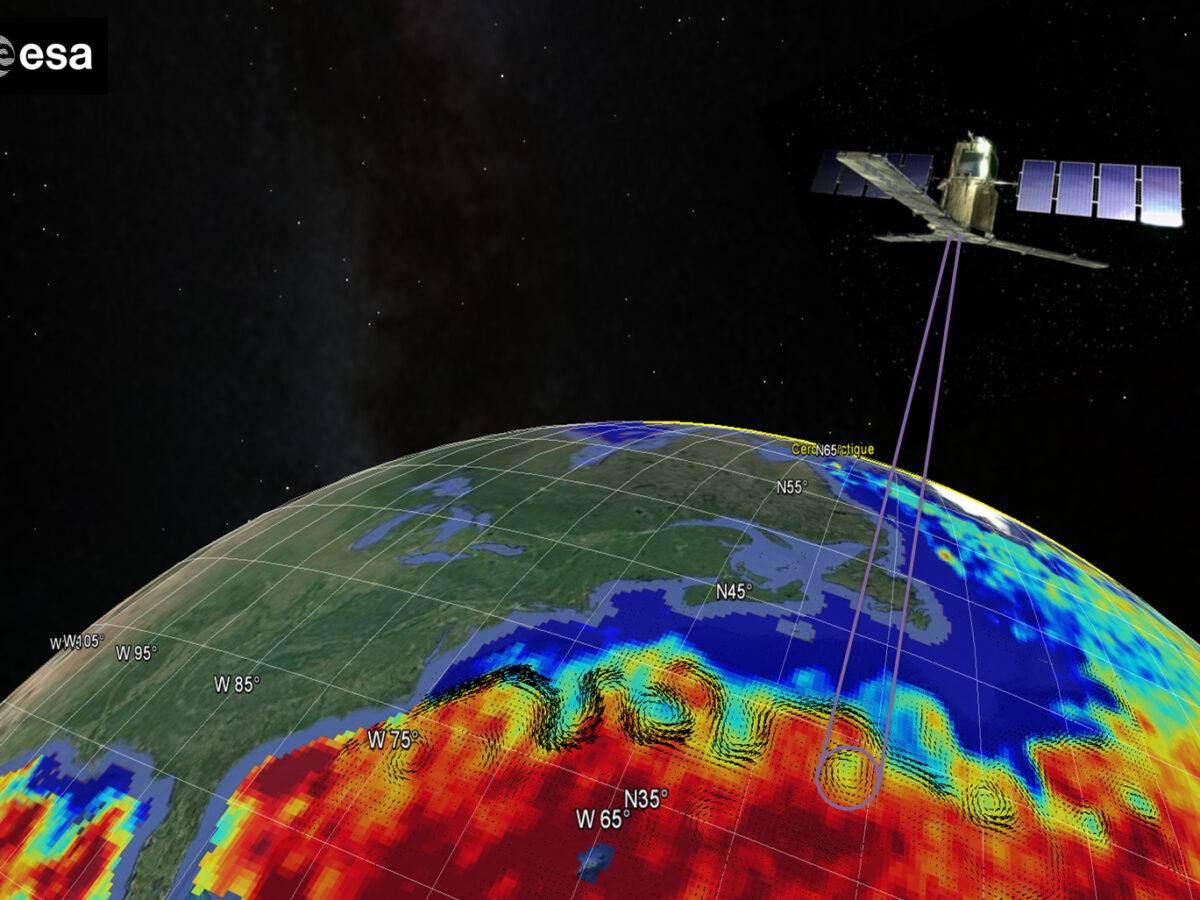
Satellite Salinity Data Improves Gulf Stream Eddy Detection

by C. Schultz 7 January 201520 July 2022

A pronounced contrast in salinity between the Gulf Stream and current rings makes satellite salinity measurements valuable.

Posted inResearch Spotlights

Contribution of Weddell Gyre to Global Overturning Circulation

JoAnna Wendel, freelance science writer and illustrator by JoAnna Wendel 14 October 20148 June 2022

How much does the Weddell Gyre contribute to the Global Overturning Circulation?

Posts pagination

Newer posts 1 … 16 17 18
Over a dark blue-green square appear the words Special Report: The State of the Science 1 Year On.

Features from AGU Publications

Research Spotlights

How Much Will Western Wildfires Worsen Under Warming?

15 May 202615 May 2026
Editors' Highlights

A Digital Twin for Arctic Permafrost Beneath Roads

8 May 202612 May 2026
Editors' Vox

The Impact of Advocacy: American Geophysical Union’s Days of Action

14 May 202613 May 2026
Eos logo at left; AGU logo at right

About Eos
ENGAGE
Awards
Contact

Advertise
Submit
Career Center
Sitemap

© 2026 American Geophysical Union. All rights reserved Powered by Newspack