• About
  • Special Reports
  • Topics
    • Climate
    • Earth Science
    • Oceans
    • Space & Planets
    • Health & Ecosystems
    • Culture & Policy
    • Education & Careers
    • Opinions
  • Projects
    • Postcards From the Field
    • ENGAGE
    • Editors’ Highlights
    • Editors’ Vox
    • Eos en Español
    • Eos 简体中文版
    • Print Archive: 2015–2025
  • Policy Tracker
  • Blogs
    • Research & Developments
    • The Landslide Blog
  • Newsletter
  • Submit to Eos
  • AGU.org
  • Career Center
  • Join AGU
  • Give to AGU
  • About
  • Special Reports
  • Topics
    • Climate
    • Earth Science
    • Oceans
    • Space & Planets
    • Health & Ecosystems
    • Culture & Policy
    • Education & Careers
    • Opinions
  • Projects
    • Postcards From the Field
    • ENGAGE
    • Editors’ Highlights
    • Editors’ Vox
    • Eos en Español
    • Eos 简体中文版
    • Print Archive: 2015–2025
  • Policy Tracker
  • Blogs
    • Research & Developments
    • The Landslide Blog
  • Newsletter
  • Submit to Eos
Skip to content
  • AGU.org
  • Career Center
  • Join AGU
  • Give to AGU
Eos

Eos

Science News by AGU

Support Eos
Sign Up for Newsletter
  • About
  • Special Reports
  • Topics
    • Climate
    • Earth Science
    • Oceans
    • Space & Planets
    • Health & Ecosystems
    • Culture & Policy
    • Education & Careers
    • Opinions
  • Projects
    • Postcards From the Field
    • ENGAGE
    • Editors’ Highlights
    • Editors’ Vox
    • Eos en Español
    • Eos 简体中文版
    • Print Archive: 2015–2025
  • Policy Tracker
  • Blogs
    • Research & Developments
    • The Landslide Blog
  • Newsletter
  • Submit to Eos

disaster management

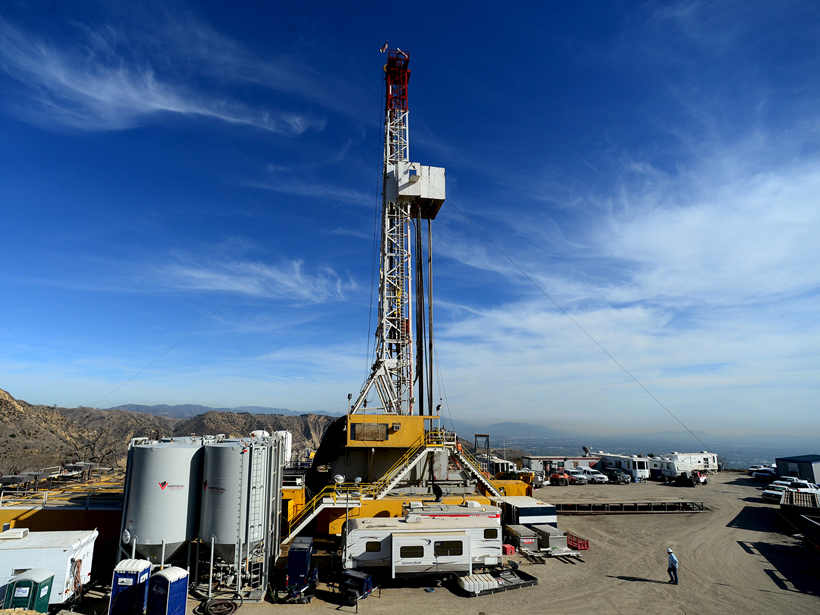
Crews work on a relief well at California’s Aliso Canyon gas field after a leak that began in December 2015.
Posted inNews

Soil Bacteria Could Help Absorb Natural Gas Leaks

Aaron Sidder, freelance science writer by Aaron Sidder 14 December 201618 May 2022

For the first time, new research examines the response of terrestrial soil microbes to a massive natural gas blowout and offers hope for new remediation strategies.
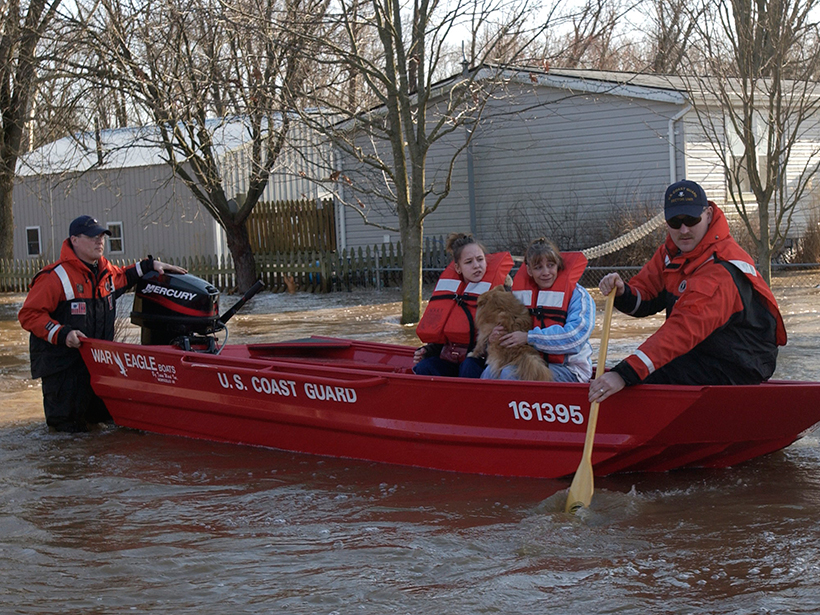
Disaster response team rescues flood victims
Posted inScience Updates

Flood Response Using Earth Observation Data and Products

by G. J.-P. Schumann 12 October 20163 June 2022

NASA Flood Response Workshop; Greenbelt, Maryland, 14–16 June 2016

The 15 June 1991 eruption of Mount Pinatubo.
Posted inNews

Pinatubo 25 Years Later: Eight Ways the Eruption Broke Ground

JoAnna Wendel, freelance science writer and illustratorMohi Kumar headshot by JoAnna Wendel and M. Kumar 9 June 20165 June 2023

From the first rapid assessment of a volcano's history to insights on geoengineering, the 15 June 1991 eruption of Mount Pinatubo changed the way we approach and learn from volcanic hazards.
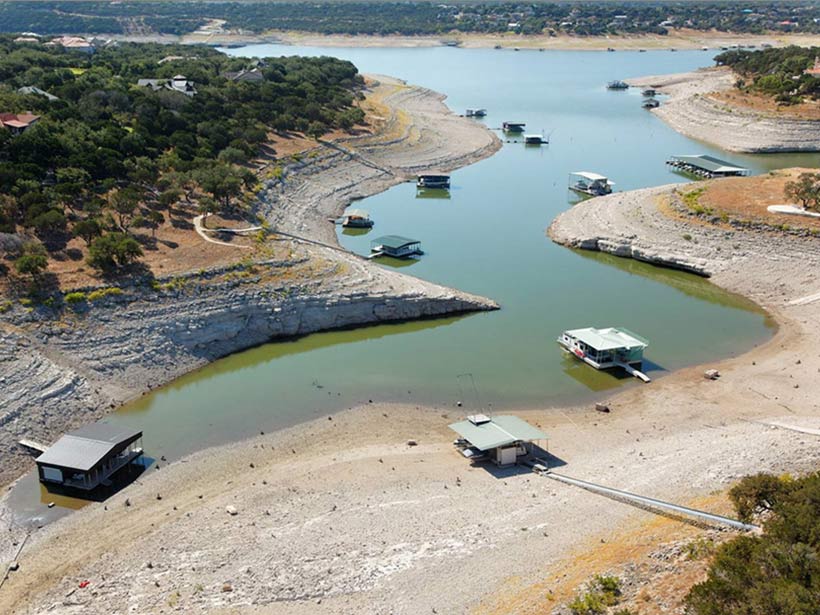
Boat docks near the shores of Lake Travis, near Austin, Texas, during the 2011 drought.
Posted inScience Updates

Anticipating Cascading Effects from Climate Extremes

by S. LeRoy, G. Garfin and M. Black 29 March 20163 June 2022

Preparing for High Consequence, Low Probability Events: Heat, Water & Energy in the Southwest; Tucson, Arizona, 28–29 September 2015

piazza-duomo-cathedral-acireale-basilica-saints
Posted inScience Updates

Tiny Accelerometers Create Europe's First Urban Seismic Network

by A. D’Alessandro 17 March 20166 June 2022

The system, under development in Acireale, Italy, could be used to monitor earthquakes in real time and help rescue workers focus efforts where they’re needed most.

Posted inOpinions

Call Scientists Before Disaster Strikes

by L. A. Mease, T. Gibbs-Plessl and Jane Lubchenco 5 January 201618 May 2022

When governments respond to natural disasters, experts with some of the greatest potential to help—scientists—are often missing in action. It's time to change that.

Posted inNews

Oil Dispersants Deadly to a Common Estuary Species

by B. Bane 18 December 201518 May 2022

Research on two dispersants used to break up spilled oil suggests that the chemicals can kill or harm a widely–found shrimp important to estuary habitats. The toxicity increases in less salty water.

Posted inEditors' Vox

Insights into the Ongoing California Drought

by Noah S. Diffenbaugh 25 November 201528 February 2023

Real-time research informs real-time decision-making for addressing the California drought.

Posted inScience Updates

Communicating Hurricane Risks: Challenges and Recommendations

by J. R. Marlon, E. C. Farmer and S. Moran 18 November 20157 March 2024

NOAA/Sea Grant Coastal Storm Awareness Program (CSAP ) Final Workshop; Newark, New Jersey, 26–27 May 2015

Posted inNews

Engineering Climate Change Resilience into New York Subways

by S. Lemonick 18 September 20156 October 2025

Impending renovations presented at a conference on transportation systems and climate extremes would keep hurricane-driven waters out of subsurface transit tunnels.

Posts pagination

Newer posts 1 … 7 8 9 10 Older posts
Over a dark blue-green square appear the words Special Report: The State of the Science 1 Year On.

Features from AGU Publications

Research Spotlights

As Wildfires Increase in the West, So Does Suppression Spending

10 June 202610 June 2026
Editors' Highlights

Soil Biogeochemistry Models Omit Key Processes Due to Geographic Bias

16 June 202616 June 2026
Editors' Vox

Small-Scale Indian Ocean Dynamics Underpin Marine Ecology and Climate

4 June 20263 June 2026
Eos logo at left; AGU logo at right

About Eos
ENGAGE
Awards
Contact

Advertise
Submit
Career Center
Sitemap

© 2026 American Geophysical Union. All rights reserved Powered by Newspack