
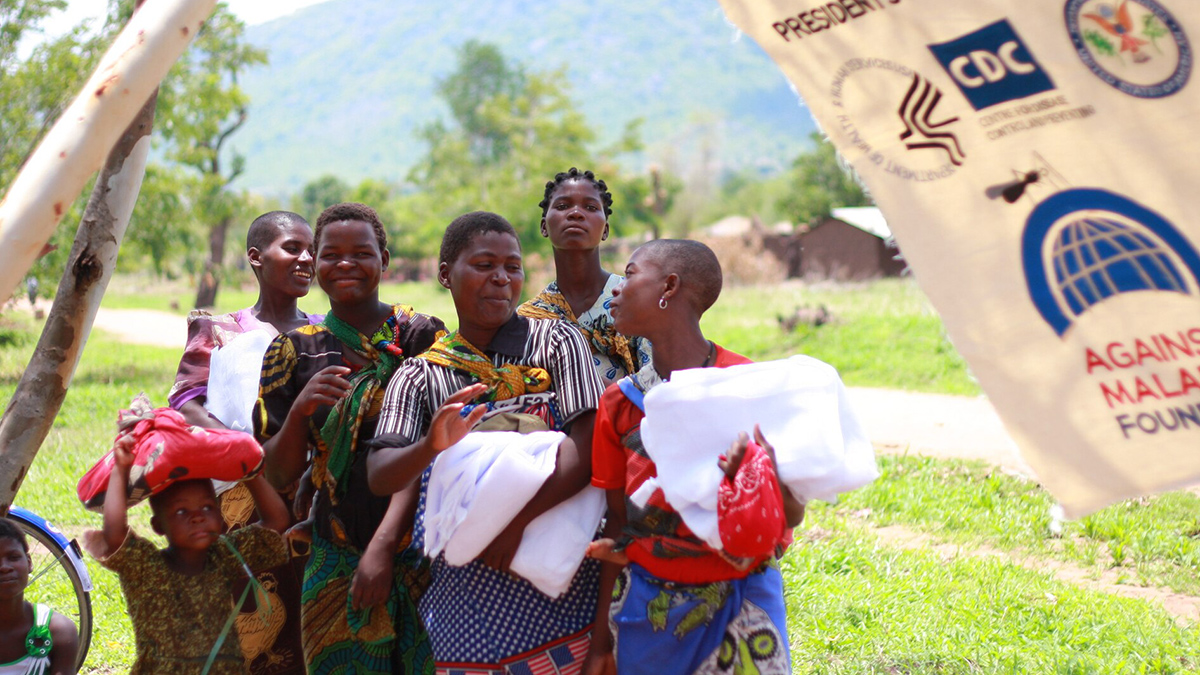

As the continent warms, once cooler regions will become prime habitat for mosquitoes and their parasites, while in other regions, heat will lower disease transmission.
disease

Posted inResearch Spotlights
Extreme Heat May Drive Asthma Risk in Baltimore, Especially at Night
A new study paints a fuller picture of how heat affects respiratory health, especially in Baltimore’s socially vulnerable neighborhoods.
Posted inNews
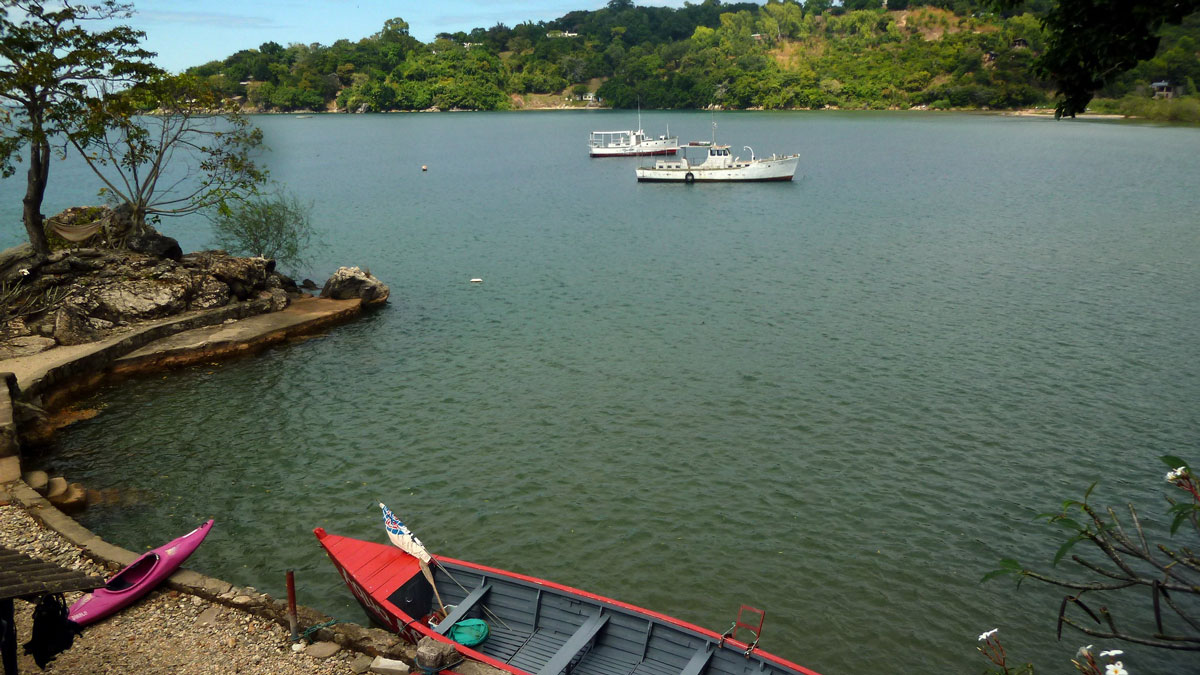
Distant Oceans May Help Predict Malaria Risk in Malawi
A new study finds that ocean temperatures thousands of kilometers away shape soil moisture in Malawi, offering a potential tool for forecasting malaria outbreaks months in advance.
Posted inOpinions
Poor Health and Systemic Inequity Fuel Environmental Harm
Environmental degradation poses well-established risks to human health. But the relationship between the two isn’t a one-way street.
Posted inNews
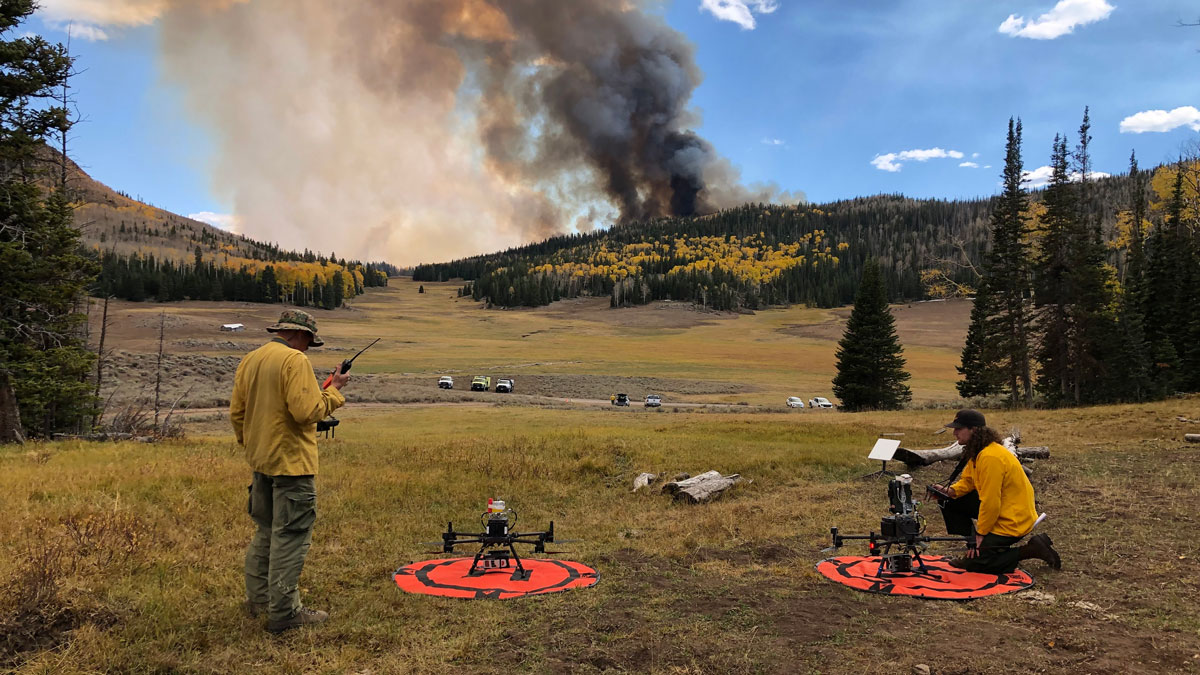
Fungal Spores in Wildfire Smoke Could Cause Lung Disease
Mice exposed to fungi spready by wildfires developed symptoms, exposing a potential health hazard to humans that has been understudied.
Posted inNews
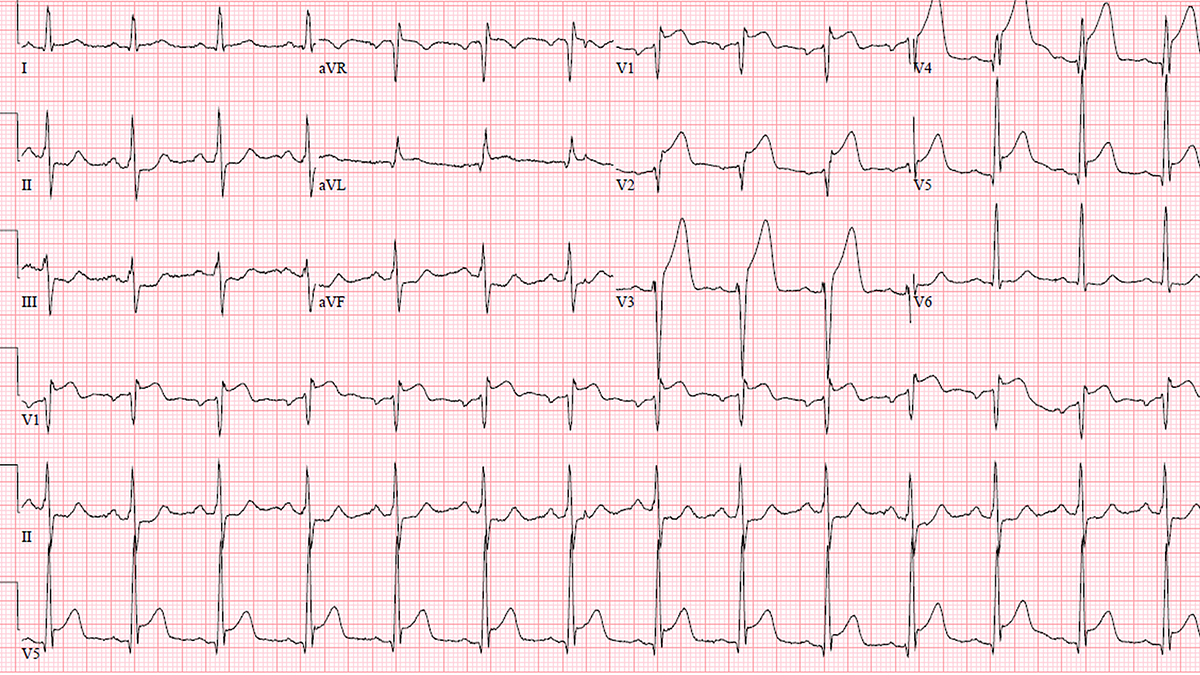
Cyclones Affect Heart Health for Months After They Subside
In a multicountry study, researchers found that cyclones increase the risk of heart disease–related hospitalizations for up to 6 months.
Posted inResearch & Developments
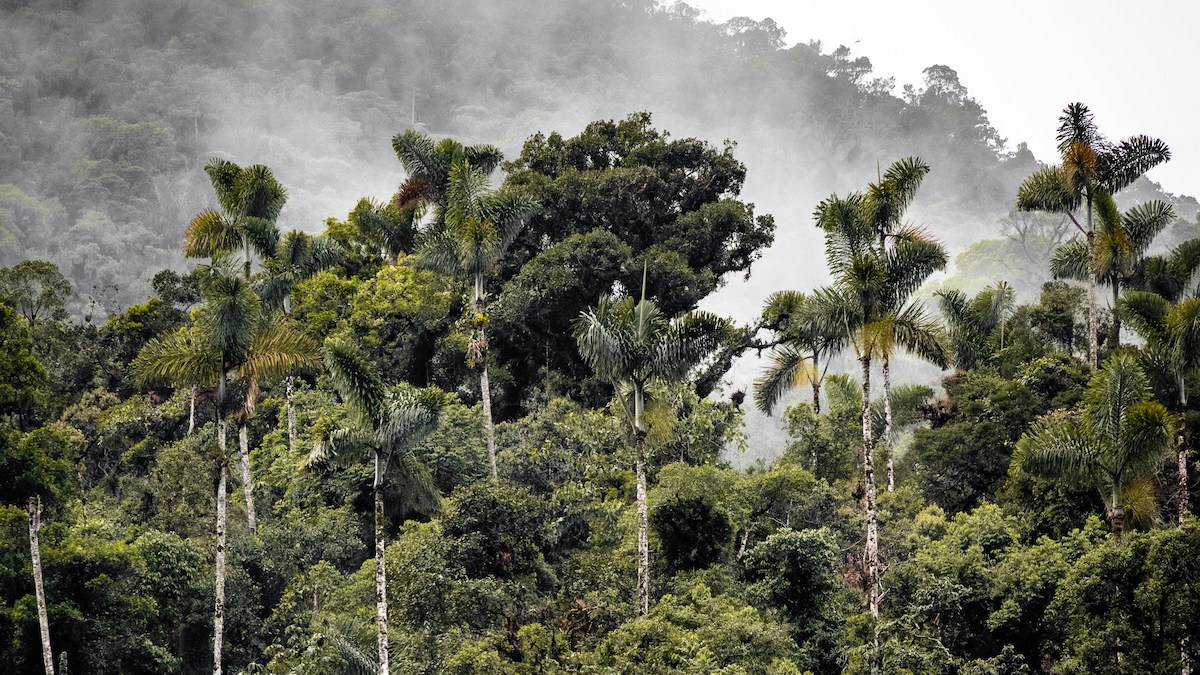
Living Near an Indigenous Forest Could Reduce the Risk of Disease
An analysis of 20 years of health data in eight Amazonian countries, published today in Communications Earth and Environment, shows that protecting Indigenous-managed forests may help reduce various kinds of disease, including fire-related respiratory diseases and illnesses spread by animals.

Posted inResearch Spotlights
Food Insecurity Is Linked to Heart Disease and Diabetes in the United States
A new study examines the geographic and demographic connections between health and a lack of consistent access to food, finding that this link is particularly strong in the South.

Posted inResearch Spotlights
The Interplay of ENSO and Immunity in Infectious Disease Outbreaks

El Niño and La Niña events can affect the spread of infectious diseases including cholera and dengue fever. The effects of some diseases may persist over several years.

Posted inResearch Spotlights
Mosquitoes Without Borders
Using regional systems based on ecology, not geopolitical boundaries, can give scientists a better picture of the potential spread of West Nile virus.