
Amir AghaKouchak will receive the 2017 Hydrologic Sciences Early Career Award at the 2017 American Geophysical Union Fall Meeting, to be held 11–15 December in New Orleans, La. The award “acknowledges early career prominence and promise of continued contributions to hydrologic science.”
drought
Posted inEditors' Vox
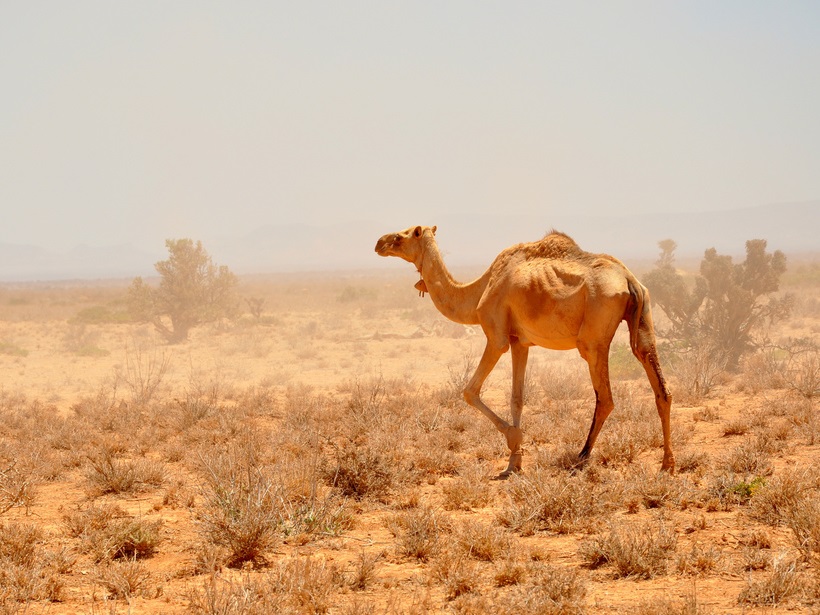
Short Rains and Long Rains
A recent paper in Reviews of Geophysics examined the drivers of interannual and regional rainfall variability in eastern Africa.

Posted inResearch Spotlights
The Future of Earth Looks Drier…but Just How Dry?

New analysis of soil moisture projections from climate models could help resolve a discrepancy between expected increases in aridity and precipitation over land.

Posted inScience Updates
Management Strategies for Sustainable Western Water
U.S. National Science Foundation Workshop: Quenching a Thirsty West; Lake Tahoe, Nevada/California, 29–30 August 2016
Posted inResearch Spotlights
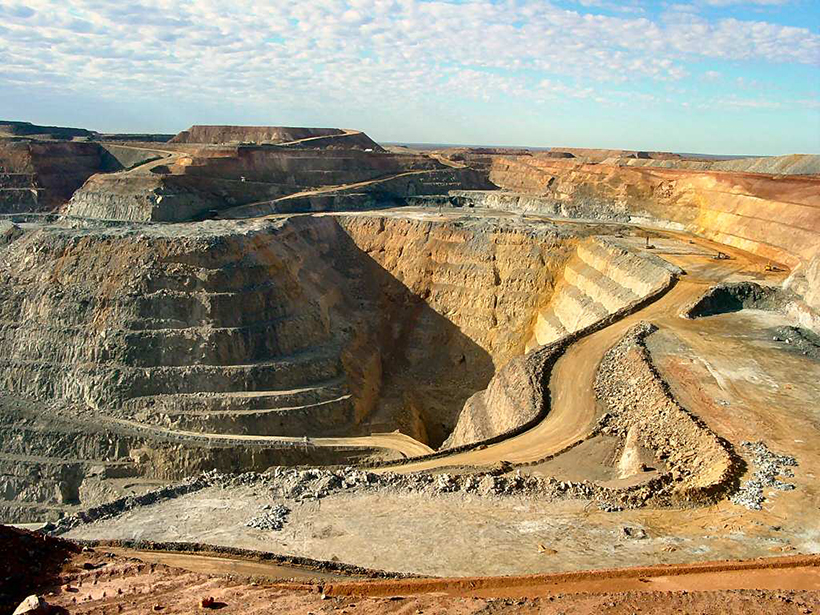
Global Drought Clustering Could Mean Big Losses for Mining
Long-term climate records could help mining companies and their investors assess the financial risk of water shortages.
Posted inNews
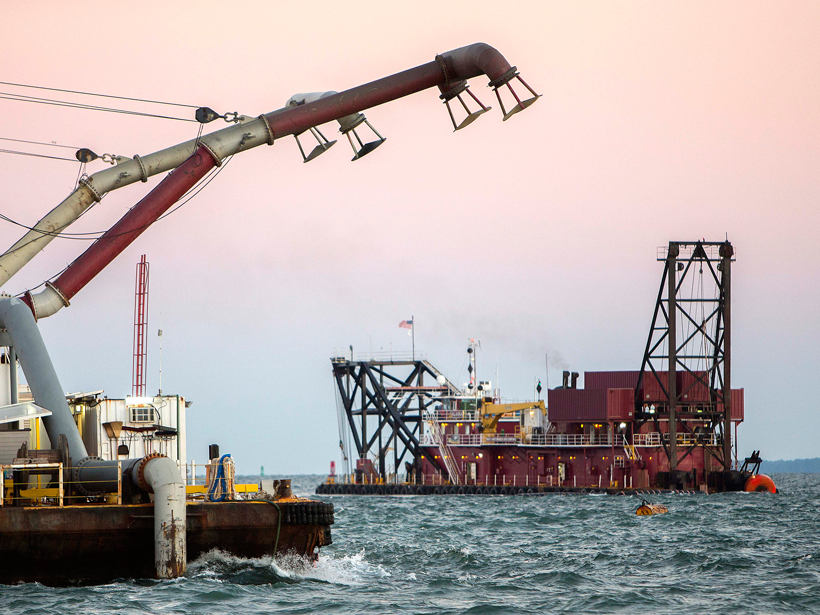
Water Infrastructure Needs Get Bipartisan Nod at House Hearing

A letter released at the event calls on President Donald Trump to ensure that money from a national harbor maintenance fund is used solely to improve ports and harbors.
Posted inOpinions
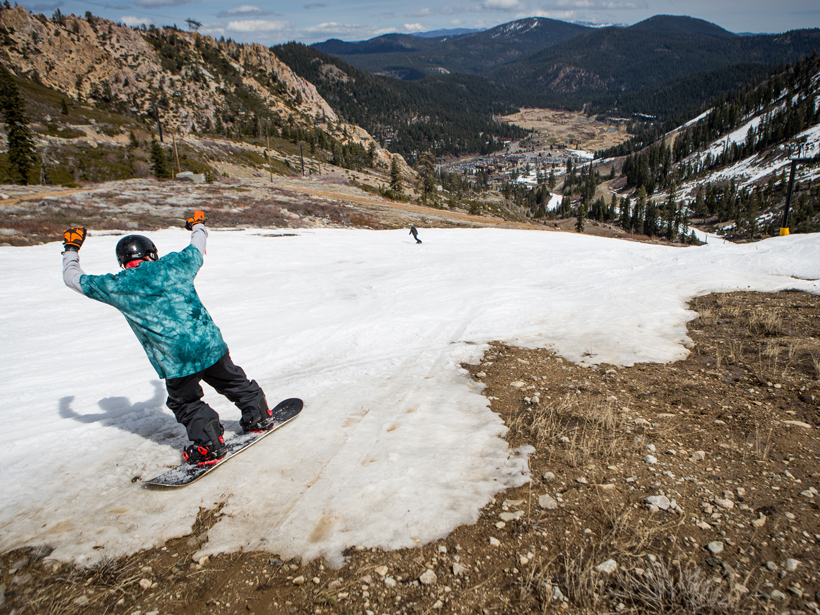
Defining Snow Drought and Why It Matters
Swings from snow drought to extreme winter rainfall make managing reservoirs, like the Oroville Dam, incredibly difficult. But what exactly is "snow drought"?

Posted inEditors' Vox
Anthropogenic Drought: How Humans Affect the Global Ecosystem
Amir AghaKouchak discusses how human activity affects water supply and the environment.
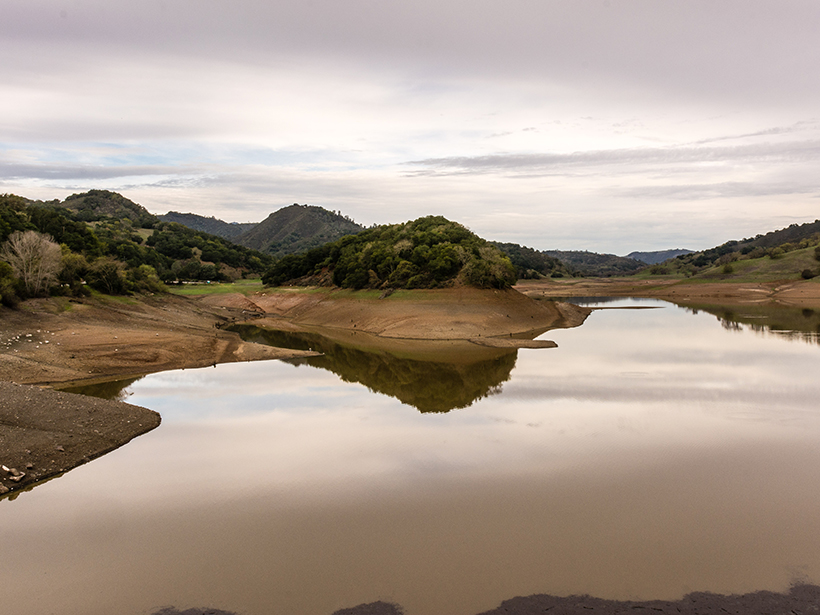
Posted inNews
U.S. Winter Outlook Sees No Drought Relief
A weak La Niña is expected to further dry out southwestern and Gulf Coast states.

Posted inResearch Spotlights
Switching to Drought-Tolerant Plants Could Alter Urban Climates
In Los Angeles, replacing lawns with native plants that need less water could lead to hotter days and cooler nights.