


Cave formations offer highly resolved paleoclimate data that scientists plan to use to reconstruct California's ancient patterns of drought.
drought
Posted inResearch Spotlights
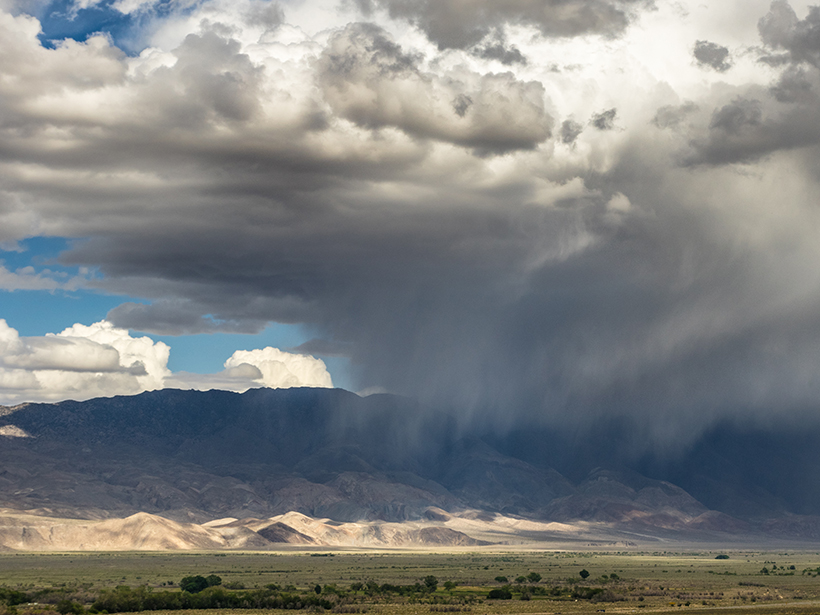
Monster El Niño Not Enough to Quench California Drought

New research shows that the Sierra Nevada snowpack will likely not recover from the current drought until 2019.
Posted inNews
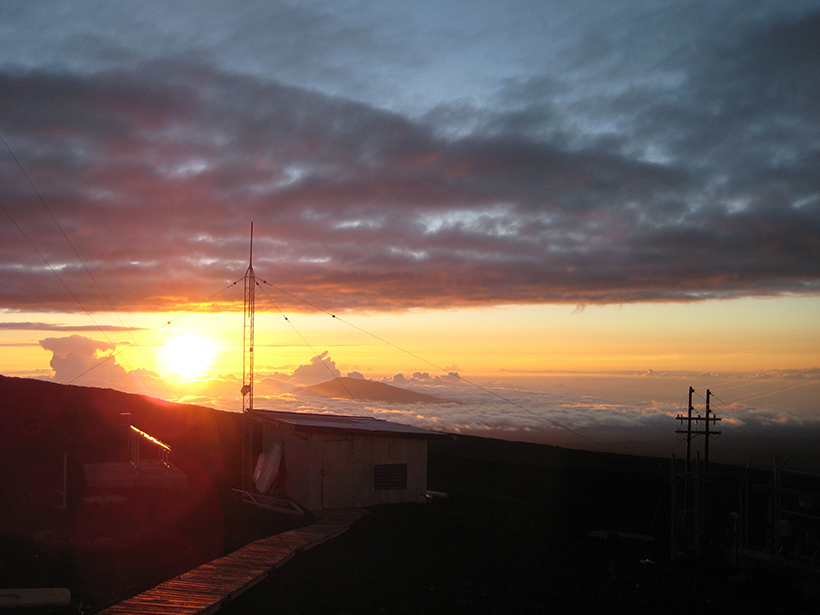
El Niño Will Increase Atmospheric Carbon to Historic Levels

Tropical fires and drought-stricken ecosystems that normally serve as sinks will release carbon, contributing to high atmospheric concentrations through 2016 and beyond.

Posted inScience Updates
Forecasting India's Water Future
The NORINDIA project sheds light on how climate change could affect monsoons, droughts, and glaciers in northern India.

Posted inResearch Spotlights
Soil Crusts Play a Dual Role in Desertification

Rain falling on bare soil can form a hard crust that prevents further infiltration. But do these crusts worsen land degradation or help to prevent it?
Posted inResearch Spotlights
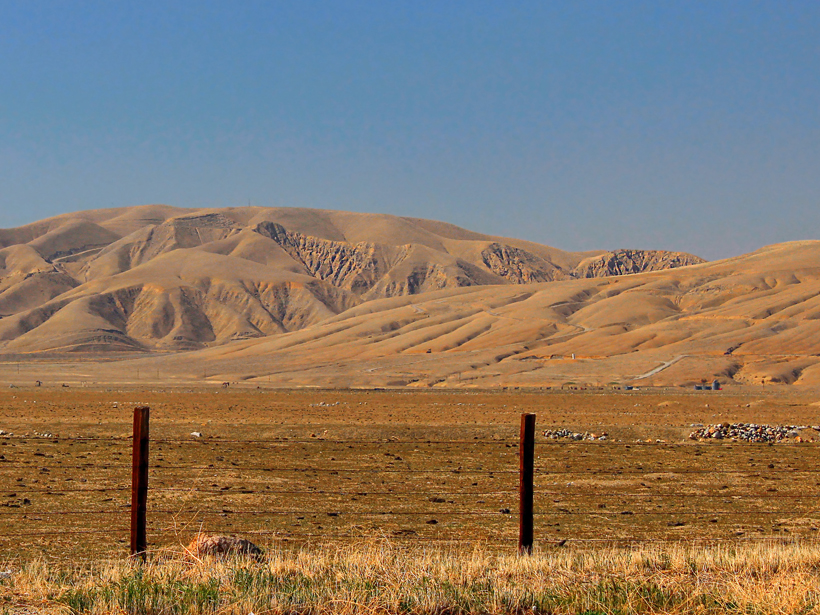
California Is the Driest It's Been in 2000 Years
Scientists reconstruct the paleohydrology of Tulare Lake to unravel the region's long-term drought history.
Posted inResearch Spotlights
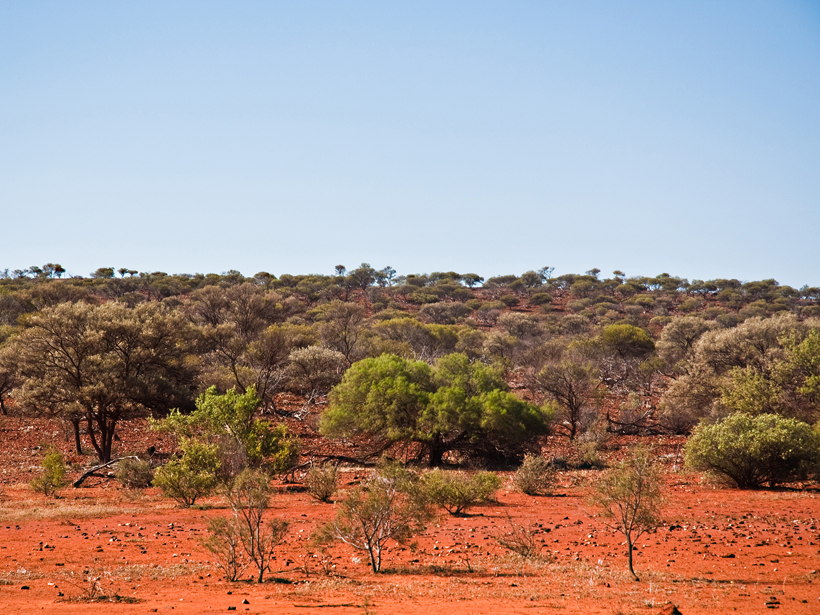
Satellites Reveal a Temporary Carbon Sink over Australia

Satellite measurements of atmospheric carbon dioxide provide insights into how droughts and floods influence the carbon cycle on the semiarid continent of Australia.
Posted inResearch Spotlights
Satellites Track Chlorophyll Fluorescence to Monitor Drought
New satellite observations show connection between solar-induced chlorophyll fluorescence and soil moisture—a key mechanism behind drought onset.

Posted inNews
Assessing U.S. Fire Risks Using Soil Moisture Satellite Data
NASA satellite data and models provide information for mapping fire risks nationwide, giving agencies tools for fire response, say scientists at the AGU Fall Meeting.

Posted inEditors' Vox
Insights into the Ongoing California Drought
Real-time research informs real-time decision-making for addressing the California drought.