

Un nuevo programa en línea puede trazar rápidamente los contornos de inundaciones pasadas, permitiendo que los países con escasez de datos se preparen para futuros desastres.
Earth science

Posted inResearch Spotlights
Rock Structure Explains Slow Seismic Waves
New findings contrast with a prevailing hypothesis for low seismic velocity in subduction zones.
Posted inResearch Spotlights
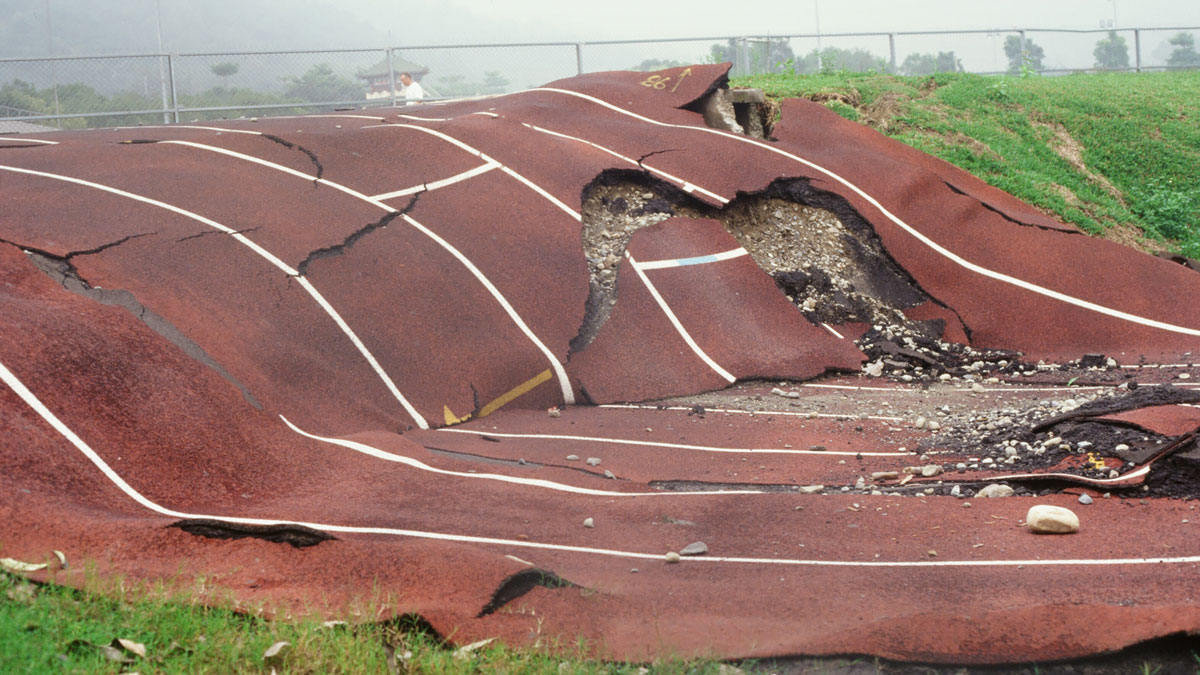
Faulting and Folding Signals in Seismic Data

A novel numerical model simulates folding in Earth’s crust throughout the earthquake cycle.
Posted inENGAGE, News
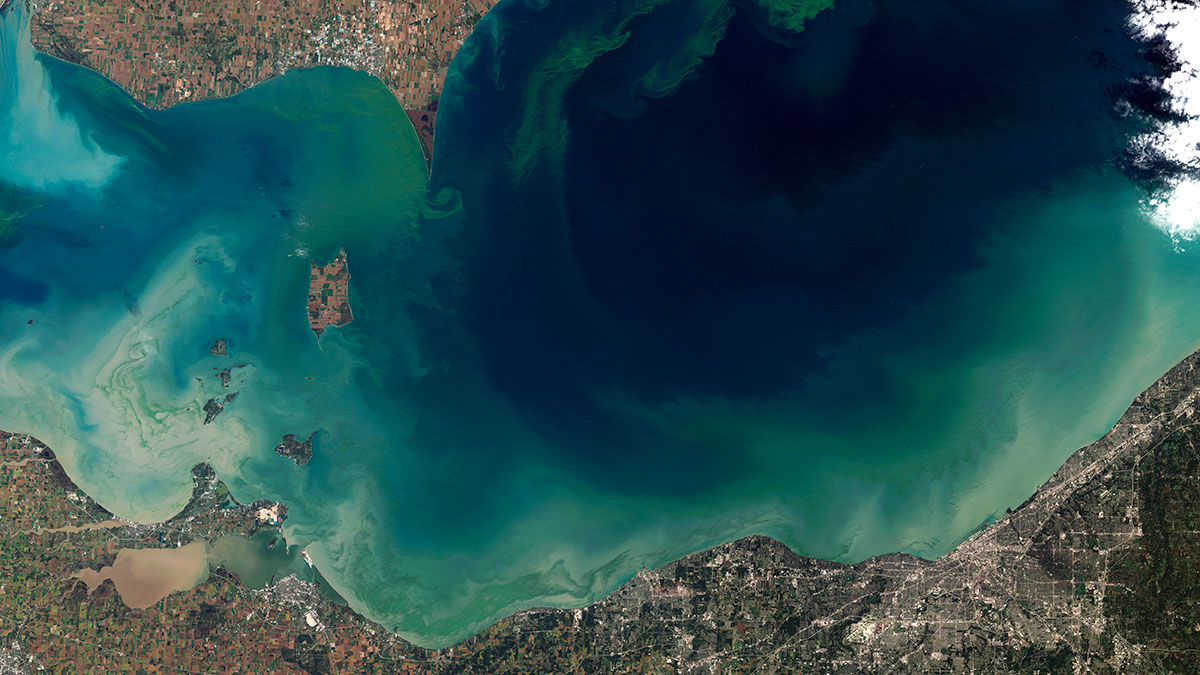
A New Technique Could Identify Algae from Space

Some types of algal blooms produce dangerous toxins, while others are relatively harmless to humans.

Posted inENGAGE, News
How the Armero Tragedy Changed Volcanology in Colombia
The deadly eruption of Nevado del Ruiz in 1985 made Colombian volcanologists realize that studying natural phenomena was irrelevant if they could not share their knowledge to avoid predictable tragedies.
Posted inNews
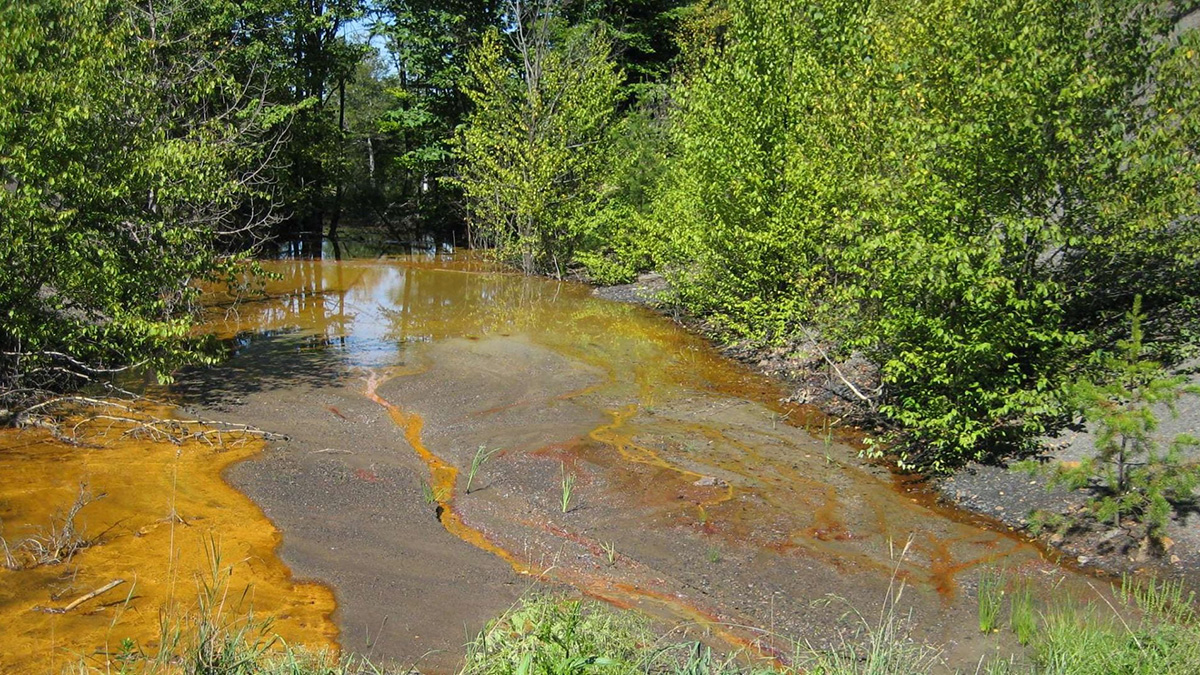
New Sensor Aids Rare Earth Extraction from Acid Mine Drainage

Rare earth elements appear in more than 200 consumer products. The race is on to source these elements from abundant and environmentally damaging mining waste.
Posted inResearch Spotlights
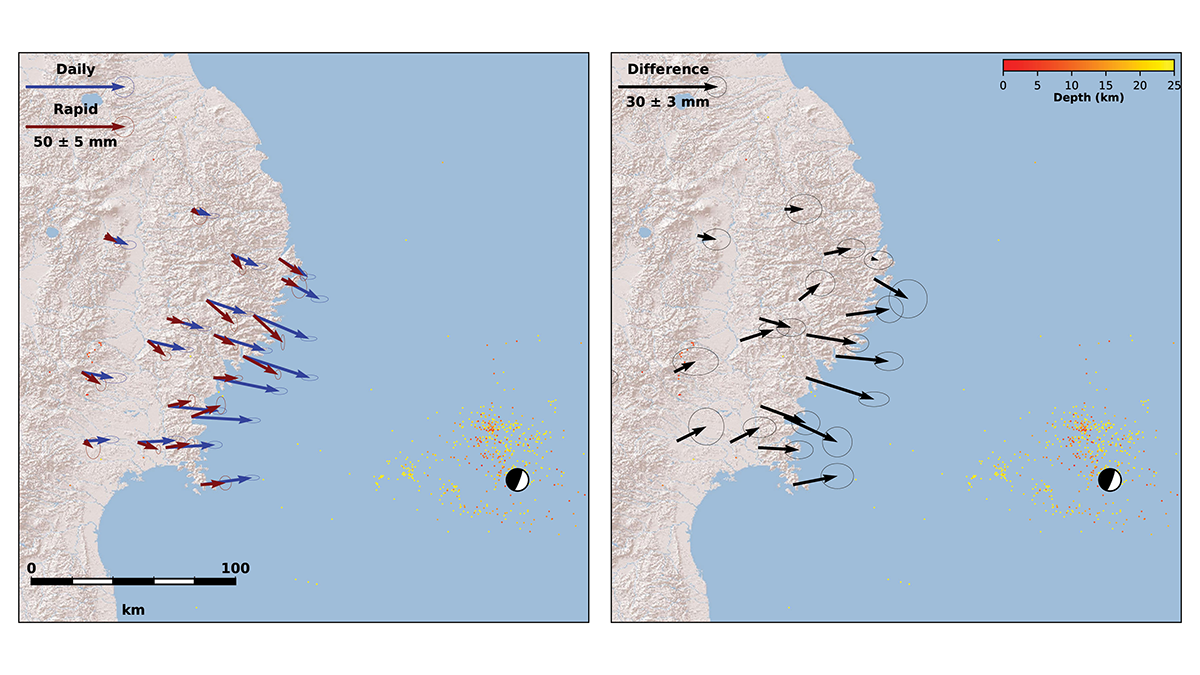
Improving Coseismic Slip Measurements
A physics-based method estimates the duration of earthquakes’ coseismic phase and can help improve the precision of coseismic slip models and magnitude estimates.

Posted inResearch Spotlights
Tubos de lava terrestres podrían ofrecer información sobre la vida extraterrestre

Una nueva investigación encuentra que Actinobacteria en cuevas de lava fijan carbón y sobreviven independientemente de aportes superficiales, ofreciendo una nueva perspectiva en la investigación de la vida fuera de la Tierra.

Posted inFeatures
Water Wisdom: The Indigenous Scientists Walking in Two Worlds

Meet the international researchers who draw on both academic training and cultural experience to help Indigenous communities protect water, restore ecosystems, and sustain traditional resources.
Posted inFeatures
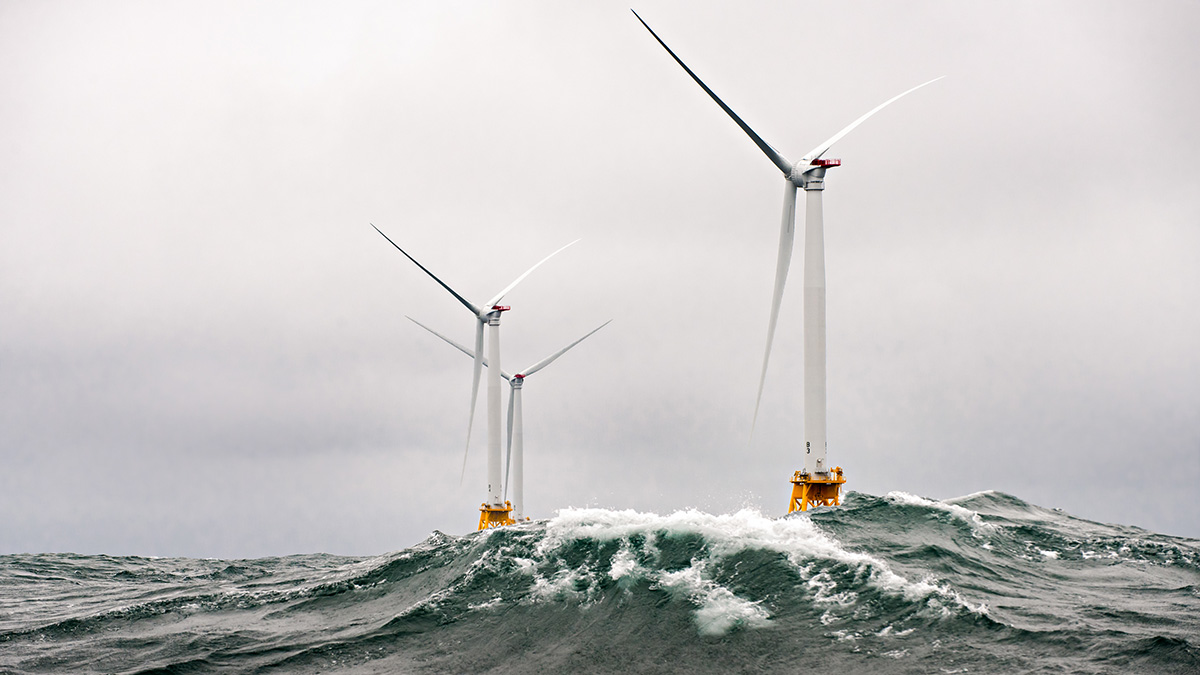
Ocean Terrain and the Engineering Challenges for Offshore Wind Farms

Deep coastal seabeds, glacial erratics, and other geophysical hurdles stand in the way of offshore wind farm proliferation. Researchers, engineers, and organizations are adapting and inventing ways to harness the breeze.