

In January, Eos takes a look at the scientists who know that sometimes the answer to a question is a screwdriver.
Earth science

Posted inFeatures
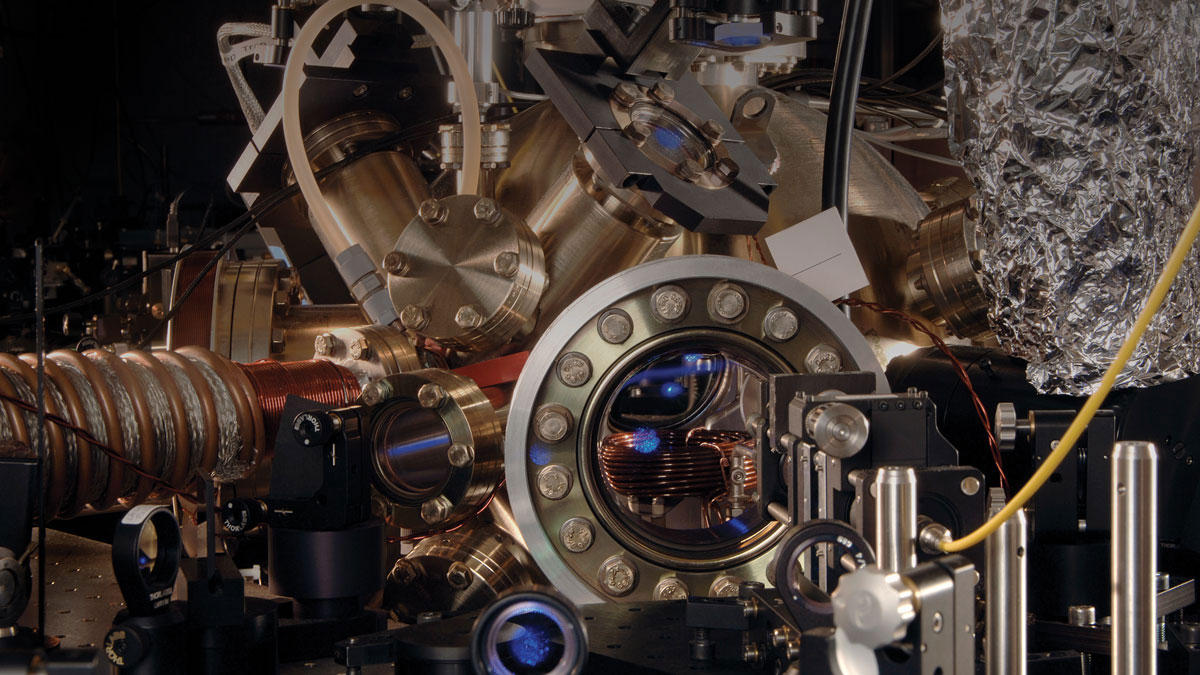
Lasers and Ultracold Atoms for a Changing Earth
Applying new technology rooted in quantum mechanics and relativity to terrestrial and space geodesy will sharpen our understanding of how the planet responds to natural and human-induced changes.

Posted inNews
Drones and Crowdsourced Science Aid Great Lakes Data Collection
Important data collection can aid coastal monitoring and management.

Posted inNews
Charting the “Bloody” Brine Flows from an Antarctic Glacier
Photographs and field observations yield a more complete historical record of the ebbs and flows of the so-called Blood Falls on Taylor Glacier.

Posted inNews
Ancient Eruptions Reveal Earliest Settlers on the Faroe Islands
Lake sediment is helping scientists resolve a decades-long historical mystery.
Posted inNews
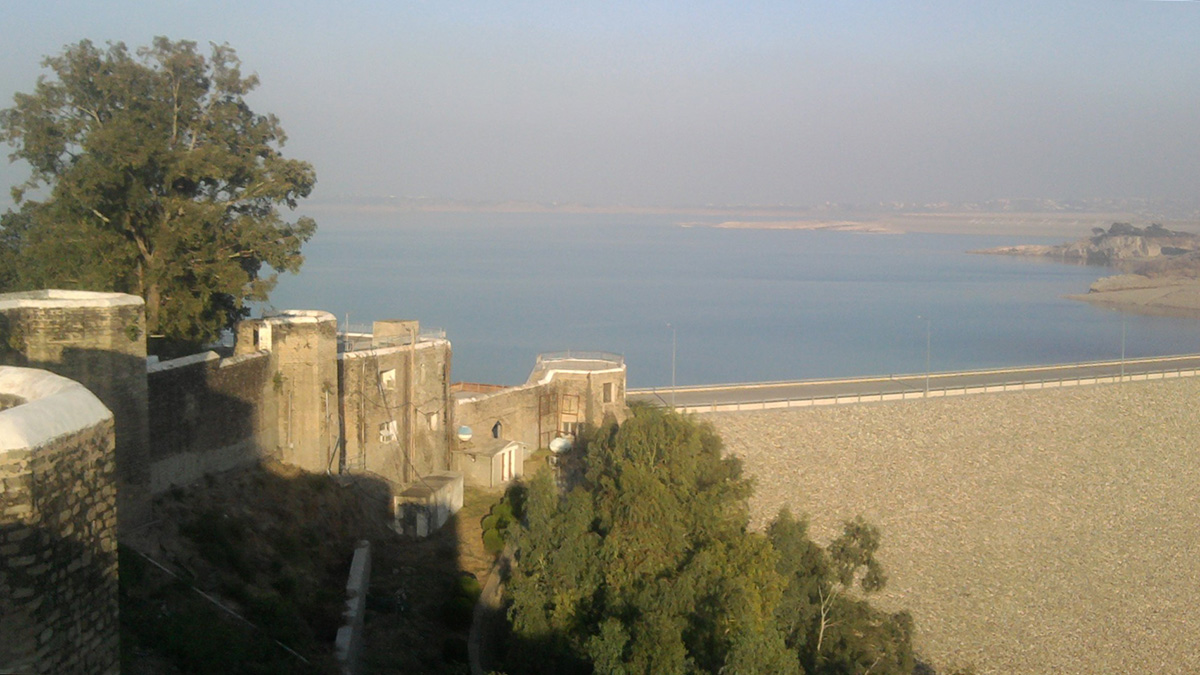
A Monsoon-Filled Reservoir Might Have Nudged a Fault to Fail
New research examines whether a sudden increase in water loading in Pakistan’s Mangla Dam might have been connected to the 2019 New Mirpur earthquake.

Posted inNews
Wildfires May Alter the Nitrogen Cycle—and Air Pollution
Research indicates that wildfires could be bolstering soil emissions of air pollutants that contribute to smog and climate change.

Posted inENGAGE, News
Settlement of Rapa Nui May Have Been Doomed by a Dearth of Dust

Rapa Nui and Hawai‘i offer a tale of two island settlements: Hawai‘i was close enough to Asia for continental dust to help replenish soil nutrients depleted by agriculture. Rapa Nui wasn’t.
Posted inNews
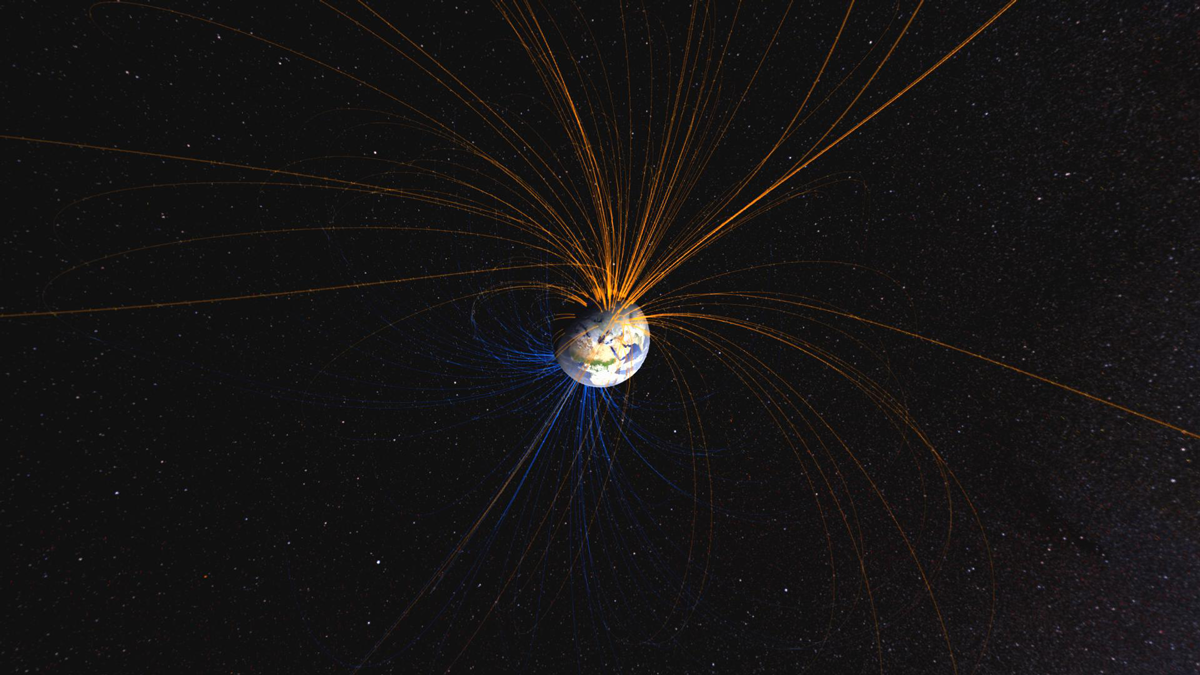
Oldest Pole Reversal Shows Early Earth Was Well Suited for Life
Australian rocks 3.25 billion years old preserved the oldest signs of Earth’s stable magnetic field and quickly moving crust, critical elements of life’s evolution.

Posted inNews
Can NASA’s Gravity Satellites Detect Motions in Earth’s Core?
Measurements of our planet’s gravitational field could expose processes in the fluid outer core—if scientists can decipher the signals.