

Federation of Earth Science Information Partners 2015 Summer Meeting; Pacific Grove, California, 14–17 July 2015
Earth science

Posted inOpinions
Geochronology: It's About Time
Chronology is at the heart of all geosciences, but its ubiquity has given it an image of a useful tool rather than a foundational discipline of its own.

Posted inScience Updates
Developing New Rock Magnetic Tools to Drive Geoscience Research
First Order Reversal Curve Workshop (FORCshop); Minneapolis, Minnesota, 23–24 July 2015

Posted inOpinions
Taking the Pulse of the Earth's Surface Systems
As human activity alters the Earth's surface environment in unprecedented ways, a comprehensive survey campaign is necessary to predict future impacts.

Posted inResearch Spotlights
Aftershocks of Old Quakes Still Shake New Madrid Seismic Zone

Geodetic data show that earthquakes in 1450 and 1811–1812 may be responsible for present-day seismic activity in the region.

Posted inEditors' Vox
Opportunities for Improving K-12 Geoscience Education
The Next Generation Science Standards present a set of performance expectations for stronger understanding of Earth and space science.
Posted inResearch Spotlights
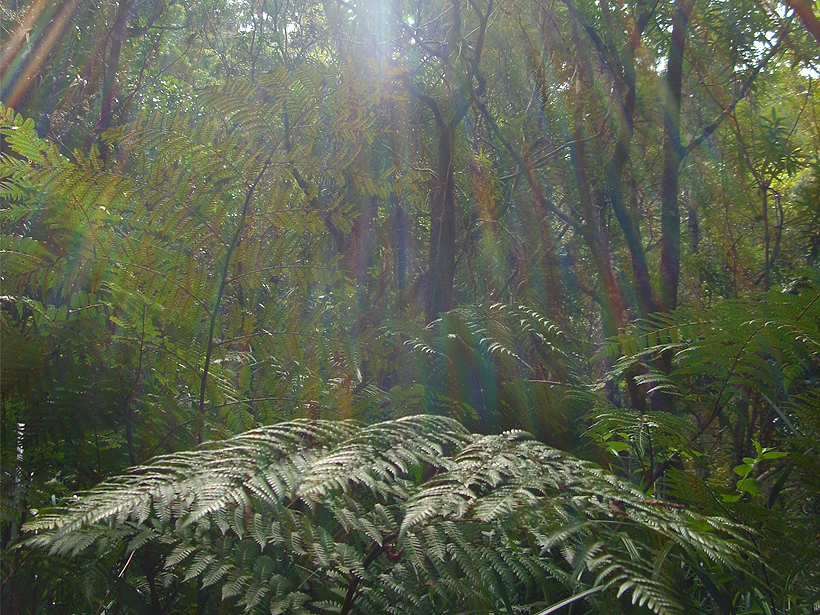
Climate Variability Across Scales Affects Ecosystems over Time
Given enough time, short-term variations in temperature, precipitation, and solar radiation influence the fluxes of water and carbon through ecosystems.
Posted inResearch Spotlights
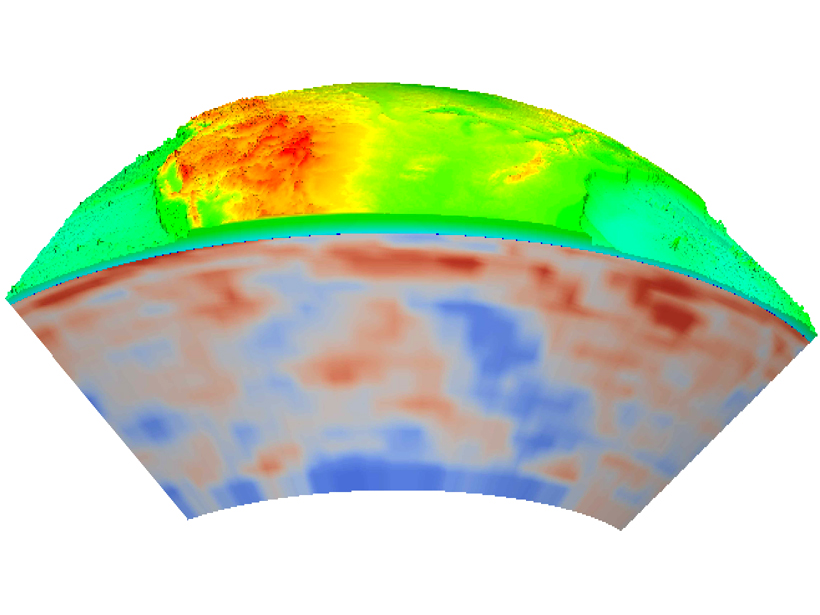
North America Does the Wave (Slowly)
Data-driven modeling helps explain how convection currents in Earth's mantle influence the rise and fall of surface features, but these models are in an early stage.
Posted inNews
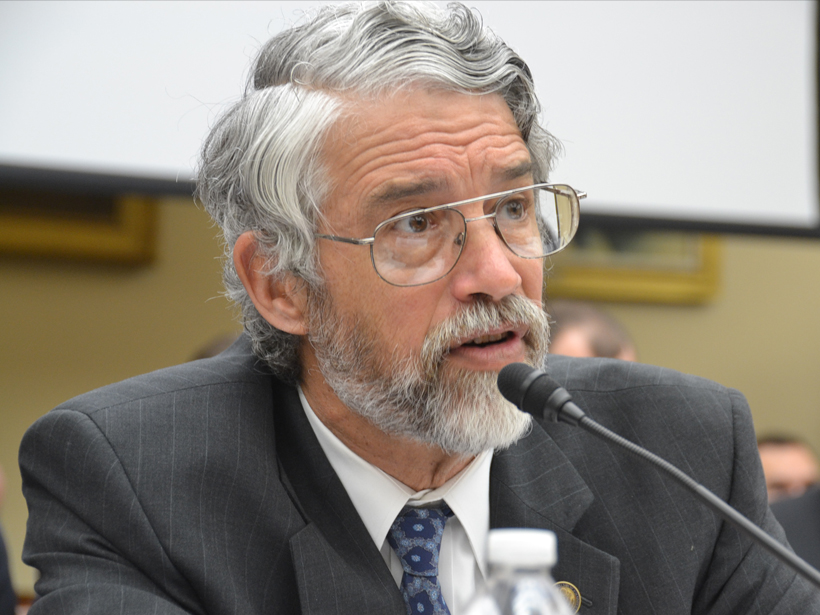
White House Science Adviser Blasts Congress at NSF Meeting

John Holdren, science adviser to President Obama, critiqued geoscience budget cuts passed by the House of Representatives and Congress members equating geosciences with climate change research.

Posted inResearch Spotlights
Water Waves Provide Insight into Landslides and Avalanche Models
Boussinesq-type gravity waves appear to accurately describe vertical motion in granular flows found in geophysics.